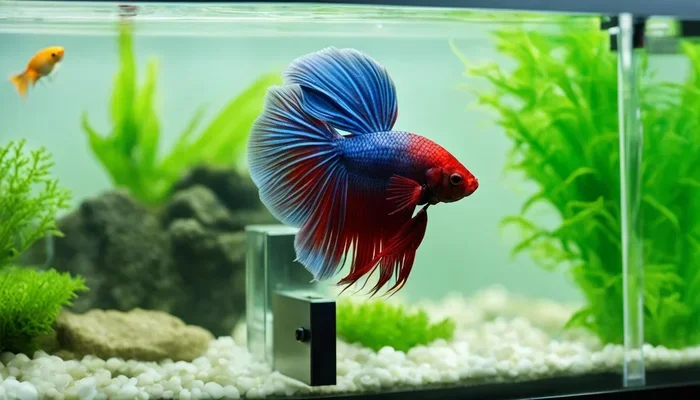
Is Betta Fish Water Just Distilled Water

No, betta fish water is not just distilled water. While distilled water is pure and free of contaminants, it lacks the essential minerals bettas need to thrive. The best water for betta fish depends on proper treatment, mineral balance, and water parameters that mimic their natural habitat.
Many betta fish owners wonder about the water they use. A common question is whether betta fish water is just distilled water. The short answer is no. Distilled water is only one option, and it is not always the best choice on its own. Understanding what goes into your betta’s water makes a huge difference in their health and lifespan.
Betta fish care starts with the right water setup. The water you choose affects everything from their color to their energy levels. In this guide, we will break down what distilled water does, why it is not enough by itself, and what the best water choices are for your betta tank. You will learn simple steps to keep your fish happy and healthy.
Key Takeaways
- Distilled water alone is not ideal: It lacks essential minerals that betta fish need for good health.
- Water conditioner is essential: Tap water can be safe after removing chlorine and chloramine with proper treatment.
- pH and mineral balance matter: Betta fish thrive in specific water parameters that need regular monitoring.
- Multiple water types work: Spring water, RO water, and treated tap water all have pros and cons.
- Regular water changes keep fish healthy: Consistent maintenance prevents cloudy water and disease.
📑 Table of Contents
What Is Distilled Water and Why Do People Use It?
Distilled water is water that has been boiled and then collected as steam. This process removes almost everything — minerals, chemicals, bacteria, and impurities. The result is very pure water with almost no dissolved content.
Some fish owners choose distilled water because it is clean and predictable. There are no unknown contaminants or surprise chemicals. However, this purity comes with a big downside. Distilled water is missing the minerals that betta fish need. These minerals help regulate their body functions and support healthy gill operation.
If you are considering using distilled water, you need to know how to add back the right minerals. Plain distilled water without any treatment can actually harm your fish over time. The lack of minerals can cause stress, weak immunity, and poor color in your betta.
Can You Use Distilled Water for Betta Fish?
You can use distilled water, but you must treat it first. Can I use distilled water for betta fish? Yes, but only after adding a water conditioner or mineral supplement. Distilled water stripped of all minerals will pull minerals from your fish’s body to balance itself. This process is called osmotic stress, and it can make your betta very sick.
The safest way to use distilled water is to mix it with a remineralizer designed for aquarium use. This gives you the purity of distilled water while still providing essential minerals. Many experienced fish keepers follow this approach for sensitive fish like bettas.
Why Tap Water Is a Popular Choice for Betta Tanks
Tap water is the most common water source for betta fish tanks. It is easy to access and affordable. However, tap water contains chlorine and chloramine. These chemicals are added to make water safe for humans, but they are harmful to fish.
Can you use tap water in a betta fish tank? Yes, but only after treating it with a water conditioner. A good conditioner removes the harmful chemicals instantly. Once treated, tap water becomes a safe and reliable choice for your betta.
Tap water also contains natural minerals that bettas need. These minerals are already present in most municipal water supplies. This means treated tap water often provides a balanced environment without extra effort. Just make sure to test your water regularly to confirm the water parameters are within safe ranges.
How to Treat Tap Water Properly
Treating tap water is simple and fast. Follow these steps every time you add water to your betta tank:
- Let the water sit out for 24 hours (optional, but helps with some chlorine).
- Add a liquid water conditioner according to the bottle instructions.
- Check the temperature to match your tank water.
- Add the treated water slowly to avoid disturbing your betta.
Using a conditioner is the most important step. Skipping it can lead to gill damage, stress, and even death. Always keep a bottle of water conditioner on hand for regular water changes.
What Kind of Water Is Best for Betta Fish?
There is no single perfect water type. The best water depends on your setup, budget, and local water quality. Let us look at the most common options and their pros and cons.
What kind of water is best for betta fish? Most experts agree that treated tap water or spring water works well for most hobbyists. Both options provide the minerals bettas need while being easy to access.
Comparison of Water Types for Betta Fish
| Water Type | Pros | Cons |
|---|---|---|
| Distilled Water | Pure, no contaminants | Lacks minerals, needs remineralization |
| Tap Water (Treated) | Contains minerals, easy to get | Needs conditioner, varies by region |
| Spring Water | Natural minerals, no chemicals | Can be costly, varies by brand |
| RO Water | Very pure, customizable | Needs remineralization, extra equipment |
| Well Water | Natural, mineral-rich | May contain contaminants, needs testing |
Each water type has a place in betta keeping. The key is matching the water to your fish’s needs. For most beginners, treated tap water is the easiest and most cost-effective choice.
Do Betta Fish Have to Have Special Water?
Betta fish do need clean, properly conditioned water, but they do not need anything exotic. They are hardy fish that adapt well to a range of conditions as long as the basics are covered. Clean water, proper temperature, and stable pH levels are the three pillars of good betta care.
The idea that bettas need “special” water often comes from their natural habitat in Southeast Asia. In the wild, bettas live in warm, slow-moving waters with slightly acidic pH. You do not need to recreate this exactly, but keeping your water close to these natural conditions helps your betta feel at home.
Common Water Problems and How to Fix Them
Even with the best water choice, problems can still happen. Understanding common issues helps you act fast and keep your betta healthy.
Why Is My Betta Fish Water Cloudy?
Cloudy water is one of the most common complaints among betta owners. It can happen for several reasons. Bacteria blooms during the cycling process often cause white cloudiness. Green cloudiness usually comes from algae growth triggered by too much light or excess nutrients.
To fix cloudy water, start by testing your water quality. Do a partial water change of about 25 percent. Check your filter to make sure it is working properly. Avoid overfeeding, as leftover food breaks down and clouds the tank. Regular maintenance keeps water clear and your betta comfortable.
Why Is My Betta Fish Water Slimy?
Slimy or greasy film on the water surface often indicates organic buildup. This can come from overfeeding, dead plant matter, or insufficient filtration. A quick water change and a thorough tank cleaning usually solves the problem.
Adding a water filtration system helps prevent slimy buildup over time. Make sure your filter is rated for your tank size and clean it regularly. A good filter keeps the water moving and free of debris.
Quick Tips for Maintaining Great Betta Water
Keeping your betta’s water in top shape does not have to be complicated. Follow these simple tips for consistent results:
- Test your water weekly. Use a liquid test kit to check pH, ammonia, nitrite, and nitrate levels.
- Do regular water changes. Replace 25 to 50 percent of the water every one to two weeks.
- Always condition new water. Treat tap water before adding it to the tank.
- Keep the temperature stable. Bettas prefer water between 78 and 80 degrees Fahrenheit.
- Avoid distilled water alone. Always remineralize or mix it with treated tap water.
- Do not overclean. Leave some beneficial bacteria in the tank and filter media.
These habits take just a few minutes each week but pay off big time. Your betta will show you the results through bright colors, active swimming, and a healthy appetite.
Expert Insights on Betta Water Quality
Experienced fish keepers agree that water quality is the single most important factor in betta health. Many common betta problems — from lethargy to fin rot — trace back to poor water conditions.
Why is my betta fish water cloudy after one day? This often happens when you add untreated tap water or when beneficial bacteria colonies are still establishing. Patience and consistent water testing help you avoid this issue.
Another important insight is that water quality affects betta behavior. A stressed betta may hide, lose color, or stop eating. If you notice these signs, test your water first before looking for other causes. Often, a simple water change and conditioner dose is all it takes to bring your fish back to normal.
Remember that betta fish health depends on stable, clean water. You do not need expensive equipment or rare water types. Consistent care and attention to water parameters are what truly matter.
Conclusion
Is betta fish water just distilled water? No, it is much more than that. Distilled water can be part of your setup, but it needs treatment and mineral supplementation to be safe. The best approach is to use treated tap water, spring water, or a mix of distilled water with remineralizer — whatever fits your situation.
Your betta fish depends on you for clean, safe water. By understanding your options and following simple maintenance routines, you give your fish the best possible life. Keep testing, keep changing, and keep learning. Your betta will thank you with vibrant colors and lively behavior for years to come.
Frequently Asked Questions
Can betta fish live in distilled water?
Betta fish can survive in distilled water for short periods, but it is not safe long-term. Distilled water lacks essential minerals that bettas need. Without those minerals, your fish can develop osmotic stress, weakened immunity, and other health issues. Always remineralize distilled water before using it in a betta tank.
How often should I change my betta fish water?
You should do a partial water change every one to two weeks. Replace about 25 to 50 percent of the tank water each time. This keeps water quality stable and removes waste buildup. Always treat new water with a conditioner before adding it to the tank.
Is spring water good for betta fish?
Spring water can be a great choice for betta fish. It contains natural minerals and is free of chlorine and chloramine. However, you should check the mineral content and pH before using it. Some brands have high mineral levels that may need dilution. Test the water first to make sure it fits your betta’s needs.
What pH level is best for betta fish?
Betta fish prefer a slightly acidic to neutral pH between 6.5 and 7.5. Stable pH is more important than hitting a perfect number. Sudden pH swings cause more stress than a slightly off reading. Use a liquid test kit to monitor your water parameters regularly.
Do I need a water filter for my betta fish tank?
Yes, a filter is highly recommended for betta tanks. It helps remove debris, supports beneficial bacteria, and keeps the water circulating. Choose a filter with a gentle flow since bettas prefer calm water. A sponge filter is an excellent option for betta setups. Regular maintenance of the filter ensures it works effectively.
Can I use bottled water for my betta fish?
Some bottled spring waters work well for betta fish. However, avoid distilled bottled water unless you remineralize it first. Also, check that the bottled water does not contain added minerals or flavors. Always test the water before adding it to your tank to confirm it is safe for your betta.