How Warm Should You Maintain Betta Fish Water
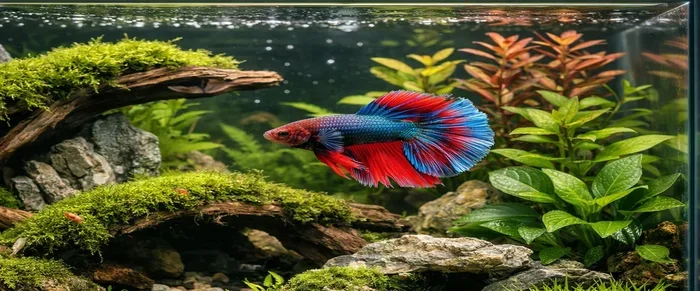
Maintaining the right water temperature is one of the most important parts of betta fish care. The ideal range for betta fish water temperature is between 76°F and 82°F (24°C to 28°C). Keeping your tank within this range helps your betta stay active, eat well, and avoid common health problems. This guide covers everything you need to know about how warm should you maintain betta fish water, including practical tips and easy fixes.
Betta fish are beautiful, colorful creatures that bring life to any room. But keeping them healthy goes far beyond picking a pretty tank. One of the most important parts of betta fish care is getting the water temperature just right. If the water is too cold or too warm, your fish can become stressed, sick, or worse.
So how warm should you maintain betta fish water? The short answer is between 76°F and 82°F (24°C to 28°C). This range mimics the warm, slow-moving waters of Southeast Asia where bettas naturally live. In this guide, we will walk you through everything you need to know about keeping your betta’s water at the perfect temperature. We will cover why temperature matters, what happens when it goes wrong, and the best tools to keep your tank stable.
Key Takeaways
- Ideal Range: Keep betta fish water between 76°F and 82°F for optimal health.
- Temperature Fluctuations: Sudden changes in temperature can stress your betta and cause serious illness.
- Heater Use: A small aquarium heater is the best way to maintain a consistent warm temperature.
- Cold Water Danger: Water below 74°F can weaken your betta’s immune system and lead to disease.
- Overheating Risk: Water above 86°F can reduce oxygen levels and harm your fish.
- Monitoring: Use a reliable fish tank thermometer to track temperature daily.
- Room Temperature: Where you place the tank matters just as much as the heater you use.
📑 Table of Contents
- The Ideal Betta Fish Water Temperature Range
- Why Temperature Matters for Your Betta
- How to Maintain the Right Water Temperature
- Signs Your Betta Fish Water Is Too Cold
- Signs Your Betta Fish Water Is Too Warm
- Best Tools and Equipment for Temperature Control
- Common Mistakes Bettas Owners Make with Water Temperature
- Quick Tips for Keeping Your Betta’s Water at the Perfect Temperature
- Conclusion
The Ideal Betta Fish Water Temperature Range
The ideal betta fish temperature falls between 76°F and 82°F. This is the sweet spot where your betta feels comfortable, eats well, and stays active. Think of it like the temperature you set your home thermostat to. It is not too hot and not too cold. It is just right.
Inside this range, your betta’s body functions work properly. Their metabolism stays balanced. Their immune system stays strong. They can swim around the tank with energy and curiosity. Breeding bettas also need stable temperatures in this range for the best results.
Why 76°F to 82°F Is the Gold Standard
This range has been studied and tested by aquarium experts for decades. Bettas are tropical fish. They evolved in warm climates with consistent water temperatures. When you keep the water in this range, you are giving your betta the closest thing to their natural habitat.
Here is a quick look at what happens at different temperature levels:
- Below 74°F: Your betta becomes sluggish. Their immune system weakens. Illness becomes more likely.
- 76°F to 82°F: The ideal zone. Your betta is active, eating well, and thriving.
- Above 84°F: Oxygen levels drop. Your betta may gasp at the surface and become stressed.
- Above 86°F: Dangerous territory. Prolonged exposure can be fatal.
Using a fish tank thermometer is the easiest way to make sure your water stays in the right zone. You should check it at least once a day, especially during the first few weeks after setting up a new tank.
Why Temperature Matters for Your Betta
Temperature is not just a number on a dial. It directly affects your betta’s health, behavior, and lifespan. Understanding why temperature matters helps you take better care of your fish every single day.
How Temperature Affects Betta Health
Betta fish are cold-blooded creatures. This means their body temperature matches the water around them. When the water is too cold, their body slows down. Their digestion becomes sluggish. They may stop eating altogether. Over time, this weakens their immune system and makes them vulnerable to diseases like fin rot and ich.
On the other hand, water that is too warm holds less dissolved oxygen. Your betta may start gulping air at the surface. This is a sign of distress. Warm water also speeds up your betta’s metabolism, which means they burn energy faster and may become restless or aggressive.
The Role of Temperature in Betta Behavior
Have you ever noticed your betta becoming less active or hiding more than usual? Temperature could be the reason. Bettas kept in the right betta fish habitat temperature are curious and playful. They build bubble nests, explore their tank, and show off their fins.
Bettas kept in water that is too cold tend to hide at the bottom of the tank. They move slowly and lose their vibrant colors. Bettas in water that is too warm may dart around erratically or flare at imaginary threats. Both behaviors are signs of an uncomfortable environment.
How to Maintain the Right Water Temperature
Now that you know the ideal range, the next question is how to actually maintain it. This is where many new betta owners struggle. Room temperature changes with the seasons. Tanks near windows or drafts can swing wildly in temperature. The good news is that maintaining stable water temperature is easier than you might think.
Using a Heater for Your Betta Tank
The most reliable way to keep your betta fish water warm is with a small aquarium heater. Heaters designed for tanks between 5 and 10 gallons work perfectly for most betta setups. Look for a heater with a built-in thermostat. This allows it to turn on and off automatically to maintain the set temperature.
When choosing a heater, consider these factors:
- Wattage: For tanks under 10 gallons, a 25-watt heater usually works well. Larger tanks may need 50 watts.
- Adjustable temperature: This lets you set the exact temperature you want.
- Submersible design: Fully submersible heaters are safer and more accurate.
- Built-in thermostat: This prevents overheating and keeps the temperature steady.
You can learn more about keeping your betta’s water warm in our guide on How To Keep Water Warm For Betta Fish. It covers heater types and placement tips in detail.
Placing Your Tank in the Right Spot
Where you put your betta tank matters just as much as the heater you use. Avoid placing the tank near windows, air conditioning vents, or drafty doors. Direct sunlight can cause the water to heat up too quickly. Cold drafts can lower the temperature overnight.
The best spot for a betta tank is a stable, indoor location away from temperature extremes. A side table or a sturdy shelf in a heated room works great. The goal is to keep the surrounding air temperature consistent so your heater does not have to work overtime.
Using a Thermometer to Monitor Temperature
A good thermometer is an essential tool for any betta owner. You have several options:
- Stick-on thermometers: These are affordable and easy to apply to the outside of the tank.
- Digital thermometers: These give precise readings and are very accurate.
- Floating thermometers: These float inside the tank and are simple to read.
Check your thermometer at the same time each day. This helps you spot any patterns or sudden changes. If you notice the temperature dipping or rising, you can adjust your heater or move the tank before it becomes a problem.
Signs Your Betta Fish Water Is Too Cold
Cold water is one of the biggest threats to betta fish health. Bettas are tropical fish and they need warmth to survive. If the water drops below 74°F, you need to act quickly.
Common Signs of Cold Stress
Watch for these warning signs that your betta’s water is too cold:
- Lethargy: Your betta barely moves and stays at the bottom of the tank.
- Loss of appetite: Your betta refuses food or eats very little.
- Faded colors: The vibrant colors of your betta start to dull.
- Clamped fins: Your betta holds its fins close to its body instead of spreading them.
- Frequent illness: Your betta keeps getting sick or showing signs of disease.
If you notice any of these signs, check the water temperature immediately. A sudden temperature drop can be very dangerous. For more information on what cold water does to bettas, check out our article on Can You Put Betta Fish In Cold Water.
What to Do If the Water Gets Too Cold
If you find that your tank water is too cold, do not panic. Here are the steps to take:
- Check your heater to make sure it is working properly.
- Move the tank away from any cold drafts or windows.
- Consider adding a slightly warmer water change (around 78°F) to slowly bring the temperature up.
- Avoid heating the water too quickly. Rapid temperature changes can shock your betta.
The key is to raise the temperature gradually. A slow increase of 1°F to 2°F per hour is safe and effective.
Signs Your Betta Fish Water Is Too Warm
While cold water is a common problem, water that is too warm can be just as dangerous. High temperatures reduce the amount of oxygen dissolved in the water. This can suffocate your betta even if the tank looks fine at first glance.
Warning Signs of Overheating
Keep an eye out for these signs that your tank is too warm:
- Gasping at the surface: Your betta breathes heavily or hangs at the top of the tank.
- Restlessness: Your betta swims erratically and cannot seem to settle down.
- Rapid breathing: The gills move quickly even when your betta is resting.
- Algae growth: Warm water encourages algae to bloom faster than normal.
If your tank temperature rises above 84°F, take action right away. Turn off any heaters and let the tank cool naturally. You can also use a small fan to blow across the water surface, which helps lower the temperature through evaporation.
Preventing Overheating
The best way to deal with overheating is to prevent it from happening in the first place. Keep your tank out of direct sunlight. Make sure the room has good air circulation. If you live in a hot climate, consider placing a fan near the tank or using a small air pump to increase surface agitation.
Best Tools and Equipment for Temperature Control
Having the right tools makes maintaining the perfect betta fish water temperature much easier. Here is a quick look at the essential equipment every betta owner should have.
Recommended Equipment List
- Adjustable aquarium heater: The single most important tool for temperature control.
- Thermometer: A must-have for daily monitoring. Digital models are the most accurate.
- Tank lid or hood: This helps retain heat and prevents temperature swings.
- Small fan: Useful for cooling the tank during hot weather.
- Water conditioner: When you do water changes, make sure the new water is close to the tank temperature.
For more tips on setting up a healthy tank environment, including water quality and cleaning schedules, visit our guide on How Often Should You Clean Your Betta Fish Bowl and our article on Can You Use Tap Water In A Betta Fish Tank.
Common Mistakes Bettas Owners Make with Water Temperature
Even experienced betta owners can make mistakes when it comes to water temperature. Here are the most common errors and how to avoid them.
Skipping the Heater Entirely
Some people believe that room temperature water is good enough for bettas. This is a dangerous myth. Most homes are kept at 68°F to 72°F, which is too cold for bettas. Without a heater, your betta’s water will likely fall below the safe range, especially during winter months.
Placing the Tank Near Heat Sources
On the flip side, placing the tank near a radiator, oven, or sunny window can cause the water to overheat. The temperature can spike quickly and without warning. Always choose a stable, indoor location for your betta tank.
Ignoring Temperature During Water Changes
When you add new water to the tank, make sure it is close to the existing tank temperature. Adding cold water during a water change can cause a sudden temperature drop. This shocks your betta and can lead to stress and illness. Always let new water sit at room temperature for a few hours before adding it to the tank.
Quick Tips for Keeping Your Betta’s Water at the Perfect Temperature
Here are some simple, actionable tips you can start using today:
- Check the temperature at the same time every day.
- Set your heater to 78°F as a safe default setting.
- Do a 25% water change weekly to keep the water fresh and stable.
- Use a thermometer that is easy to read so you do not skip daily checks.
- Keep a backup heater on hand in case your primary heater fails.
- Feed your betta at consistent times to support a steady metabolism.
- For feeding guidance, check out our article on How Often Should You Feed A Betta Fish.
Conclusion
Keeping your betta fish water at the right temperature is one of the simplest yet most important things you can do for your fish. The ideal range of 76°F to 82°F gives your betta the best chance at a long, healthy, and happy life. By using a reliable heater, monitoring with a thermometer, and avoiding common mistakes, you can create a stable and comfortable environment for your betta.
Remember that how warm should you maintain betta fish water is not just a question of numbers. It is about understanding your fish’s needs and giving them the care they deserve. Small changes in temperature can make a big difference. Stay consistent, stay observant, and your betta will reward you with vibrant colors and lively behavior every single day.
Take action today. Check your tank temperature, adjust your heater if needed, and make temperature monitoring a regular part of your betta care routine. Your fish will thank you for it.
Frequently Asked Questions
What is the best temperature for betta fish water?
The best temperature for betta fish water is between 76°F and 82°F (24°C to 28°C). This range keeps your betta active, healthy, and comfortable. It mimics the warm tropical waters where bettas naturally live.
Can betta fish survive in cold water?
Betta fish can survive in cold water for a short time, but prolonged exposure to water below 74°F is dangerous. Cold water slows their metabolism, weakens their immune system, and makes them vulnerable to diseases. Always use a heater to maintain the proper temperature.
Do I need a heater for my betta fish tank?
Yes, a heater is essential for most betta tanks. Room temperature water is usually too cold for bettas. A small adjustable heater keeps the water in the ideal range and prevents dangerous temperature swings. It is one of the most important pieces of equipment for betta care.
What happens if the water temperature rises above 86°F?
Water above 86°F is dangerous for betta fish. Warm water holds less oxygen, which can cause your betta to gasp at the surface. Prolonged exposure to high temperatures can lead to stress, organ damage, and even death. Cool the tank down gradually if the temperature rises too high.
How often should I check my betta tank temperature?
You should check your betta tank temperature at least once a day. Consistent monitoring helps you catch small changes before they become serious problems. Making temperature checks part of your daily routine is one of the best habits for responsible betta ownership.
Can I use tap water for my betta fish tank?
You can use tap water for your betta tank, but you must treat it first with a water conditioner to remove chlorine and chloramines. For more details on this topic, see our article on Can You Use Tap Water For Your Betta Fish. Always make sure the tap water is close to the tank temperature before adding it.