How to Tell If Betta Fish Is Unhappy
Knowing how to tell if betta fish is unhappy is essential for every fish owner. A stressed or unhappy betta shows clear signs like faded colors, clamped fins, lethargy, and loss of appetite. This guide walks you through every behavioral and physical sign of an unhappy betta fish, what triggers stress, and exactly how to fix it.
Your betta fish is more than just a pretty splash of color floating in a tank. These little creatures have personalities, moods, and clear ways of telling you how they feel. When a betta fish is unhappy, it does not just sit there and smile — it shows you. The problem is, many fish owners miss the signs entirely.
Understanding betta fish behavior is one of the most important parts of responsible pet ownership. A happy betta flares its fins, explores its space, and eats eagerly. An unhappy betta hides, stops eating, and slowly fades in color. The difference between the two states is often obvious once you know what to look for.
This guide breaks down every major sign of an unhappy betta fish. We will cover physical changes, behavioral shifts, environmental causes, and practical fixes. Whether you are a new betta owner or have kept fish for years, this article will help you read your fish better and respond with confidence.
Key Takeaways
- Color fading and clamped fins are two of the most obvious signs your betta is unhappy or stressed.
- Lethargy and hiding can signal depression, poor water conditions, or illness in your betta fish.
- A proper tank setup with the right size, temperature, and enrichment keeps bettas happy and active.
- Stress triggers like aggressive tank mates, bad water quality, and boredom can seriously impact betta health.
- Quick action matters — catching unhappiness early prevents serious health problems and saves your fish’s life.
- Regular tank maintenance and a consistent routine help your betta thrive and display vibrant colors.
- Knowing the difference between normal behavior and signs of distress helps you respond faster and more effectively.
📑 Table of Contents
Understanding Betta Fish Emotions and Behavior
Betta fish are not just decorative pets. They are living creatures that experience stress, discomfort, and even boredom. While scientists debate whether fish feel emotions the way humans do, one thing is certain — betta fish behavior changes clearly when something is wrong.
A healthy, happy betta fish is curious and alert. It swims around its betta fish tank, checks out decorations, and reacts to movement outside the glass. When that energy disappears, something needs your attention.
What Does a Happy Betta Look Like?
Before you can spot unhappiness, you need to know what happiness looks like. A content betta fish displays these traits:
- Vibrant, bright colors that pop against the water
- Active swimming patterns with smooth fin movements
- A healthy appetite that eagerly accepts food
- Exploration of the tank environment
- Occasional flaring at reflections or new objects
If you want a deeper look at what happiness looks like, check out our guide on how to know if your betta fish is happy. It covers the full range of positive behaviors in detail.
What Happens When a Betta Fish Is Unhappy?
An unhappy betta sends clear signals. These signs often develop slowly, which makes them easy to ignore at first. But catching them early makes all the difference. Here are the most common indicators that your fish is not doing well.
Physical Signs Your Betta Fish Is Unhappy
The body of a betta fish tells a story. Healthy bettas look bright, alert, and full of life. When something is off, the body shows it first. Watch for these physical changes carefully.
Color Fading and Pale Body
One of the most noticeable signs is color fading. A happy betta displays rich reds, deep blues, and vivid greens. When stressed or unhappy, those colors dull. The fish may look washed out or pale. This happens because stress hormones redirect energy away from pigmentation and toward survival responses.
Color fading does not always mean your fish is dying. It often signals a need for environmental improvement. Check the water quality, tank setup, and daily routine first.
Clamped Fins
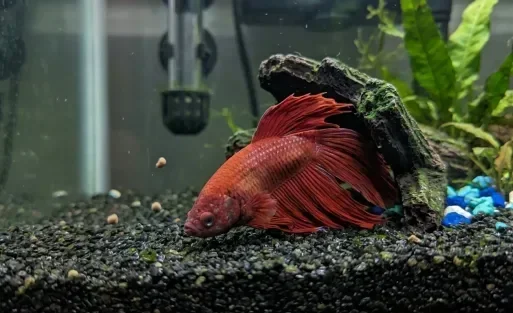
Clamped fins are a classic stress signal. Instead of flowing open and proud, the fins fold close to the body. This is the fish’s way of protecting itself. You will notice the fins look tight, stiff, and held against the body rather than spread out gracefully.
Clamped fins can also indicate illness. If the behavior persists for more than a day or two, you should consider whether your fish might be getting sick. Our article on how to tell if my betta fish is sick covers the physical symptoms of illness in detail.
Loss of Appetite
Bettas are not picky eaters by nature. They get excited at feeding time and eat eagerly. When a betta stops showing interest in food, that is a major red flag. A loss of appetite can stem from stress, poor water conditions, or the early stages of disease.
Skipping one meal occasionally is normal. But if your betta refuses food for more than two days, you need to investigate the cause quickly.
Behavioral Signs of an Unhappy Betta Fish
Behavior tells you a lot about how your fish feels. Bettas are active and curious by nature. When they become withdrawn or aggressive, it is a cry for help.
Lethargy and Excessive Sleeping
All fish rest, but a lethargic betta crosses the line from normal rest to constant inactivity. If your fish sits at the bottom of the tank, barely moves, or sleeps more than usual, something is wrong. A healthy betta should have bursts of energy throughout the day.
Lethargy often connects to water temperature. Bettas need warm water between 76 and 82 degrees Fahrenheit. Cold water slows their metabolism and makes them sluggish. Check your heater and thermometer regularly.
Hiding and Avoiding Interaction
Betta fish are not naturally shy. They like to explore and interact with their surroundings. When a betta constantly hides behind decorations, stays inside a cave, or avoids the open areas of the tank, it is trying to escape something. This could be harsh lighting, loud noises, aggressive tank mates, or simply a boring environment.
Increased Aggression or Erratic Swimming
Some unhappy bettas react by becoming more aggressive. They may flare at their own reflection constantly or chase other fish relentlessly. Others swim in strange patterns — darting sideways, spinning, or hitting objects. Erratic swimming often points to severe stress or even neurological issues caused by poor water conditions.
Common Causes of Betta Fish Unhappiness
Understanding the root cause is the key to fixing the problem. Bettas become unhappy for specific, identifiable reasons. Once you address the cause, you can restore your fish’s quality of life.
Poor Water Quality
Water quality is the number one killer of betta fish and the top cause of chronic stress. Ammonia and nitrite build up quickly in small tanks. Even if the water looks clear, harmful chemicals can be present at dangerous levels.
Keep your tank cycled properly. Test the water weekly with a liquid test kit. Perform partial water changes every one to two weeks. A well-maintained betta fish tank makes a huge difference in your fish’s mood and health.
Wrong Tank Size
Many people keep bettas in tiny bowls or vases. While bettas can survive in small spaces, they cannot thrive in them. A tank smaller than five gallons limits movement, makes water parameters unstable, and causes boredom. Your betta deserves room to swim and explore.
Lack of Enrichment and Stimulation
Just like any pet, bettas need mental stimulation. A bare tank with nothing to do leads to boredom and depression. Add live plants, smooth decorations, and hiding spots. Some bettas even enjoy exploring tunnels and interacting with floating logs.
Boredom is a surprisingly common cause of unhappiness. A stimulated betta is a confident, colorful, and active betta.
Stress from Tank Mates
Not all fish make good companions for bettas. Aggressive species nip at betta fins and cause constant stress. Even peaceful fish can bother a territorial betta. Choose tank mates carefully, or consider keeping your betta alone in a properly set up tank.
How to Make Your Betta Fish Happy Again
The good news is that most causes of betta unhappiness are fixable. You do not need expensive equipment or advanced skills. A few smart changes can transform your fish’s life.
Improve Water Conditions
Start with the basics. Test the water for ammonia, nitrite, and nitrate levels. Keep the temperature stable between 76 and 82 degrees Fahrenheit. Use a water conditioner whenever you add tap water to remove chlorine and chloramine. Clean, stable water is the foundation of a happy betta.
Increase Tank Enrichment
Add plants, both live and silk. Include caves, tunnels, and open swimming areas. Rotate decorations occasionally to give your betta something new to explore. Mental stimulation goes a long way toward preventing boredom and depression.
Maintain a Consistent Routine
Bettas thrive on predictability. Feed at the same times each day. Perform water changes on a regular schedule. Keep the tank in a quiet area away from loud noises and constant vibrations. A stable routine reduces stress and helps your fish feel secure.
Know When to Seek Help
If your betta shows signs of unhappiness that do not improve after fixing the environment, it may be time to check for illness. A fish that stops eating, develops spots, or shows signs of rapid breathing may be sick. Our guide on how to help a betta fish that is sick gives you practical steps to nurse your fish back to health.
Quick Tips for Keeping Your Betta Happy
Here are simple habits that make a big difference:
- Test water weekly — do not guess, test.
- Keep the tank at least five gallons — bigger is always better.
- Feed high-quality food — variety keeps them healthy and interested.
- Add live plants — they improve water quality and provide enrichment.
- Avoid sudden changes — move the tank to a quiet, stable spot.
- Watch your fish daily — early detection of problems saves lives.
Key Takeaways
- Color fading and clamped fins are two of the most obvious signs your betta is unhappy or stressed.
- Lethargy and hiding can signal depression, poor water conditions, or illness in your betta fish.
- A proper tank setup with the right size, temperature, and enrichment keeps bettas happy and active.
- Stress triggers like aggressive tank mates, bad water quality, and boredom can seriously impact betta health.
- Quick action matters — catching unhappiness early prevents serious health problems and saves your fish’s life.
- Regular tank maintenance and a consistent routine help your betta thrive and display vibrant colors.
- Knowing the difference between normal behavior and signs of distress helps you respond faster and more effectively.
Conclusion
Learning how to tell if betta fish is unhappy is one of the most valuable skills you can develop as a fish owner. Your betta communicates constantly — through colors, movements, and habits. When you pay attention, the signals become clear and easy to understand.
A happy betta is a vibrant, active, and curious fish. An unhappy betta withdraws, fades, and loses its spark. The good news is that most causes of unhappiness are within your control. Clean water, proper tank size, good nutrition, and a stress-free environment go a long way toward keeping your betta thriving.
Start watching your fish more closely today. Make small improvements to the tank and routine. You will likely notice a difference within days. Your betta deserves a life that is not just survivable — but genuinely happy.
FAQs
How can I tell if my betta fish is unhappy or just resting?
A resting betta will still respond to food and show interest in its surroundings when active. An unhappy betta shows persistent signs like clamped fins, color fading, and complete disinterest in food or exploration. Look for patterns over several days, not just one lazy afternoon.
What should I do if my betta fish stops eating?
First, check the water temperature and quality. Bettas often lose their appetite when conditions are off. If the water parameters are good and your fish still refuses food for more than two days, consider whether illness or stress might be the cause. Our guide on how to tell if my betta fish is sick can help you identify illness early.
Can a boring tank make a betta fish depressed?
Yes, absolutely. Bettas need mental stimulation to stay healthy. A bare tank with no plants, decorations, or places to explore can lead to boredom and depression. Adding live plants, caves, and floating logs gives your betta something to interact with and keeps its mind active.
How do I know if my betta fish is happy after I make changes?
A happy betta will show brighter colors, swim actively, eat eagerly, and explore its environment. You may also notice your betta flaring playfully at its reflection or swimming up to greet you during feeding time. For more details on happy betta behaviors, see our article on how to know if your betta fish is happy.
Is it normal for a betta fish to hide sometimes?
Occasional hiding is normal, especially after introducing your betta to a new tank or after a water change. However, if your betta hides constantly and refuses to come out, that is a sign of stress or unhappiness. Check water parameters, look for aggressive tank mates, and make sure the environment feels safe and comfortable.
What water temperature is best for a happy betta fish?
The ideal temperature range for betta fish is 76 to 82 degrees Fahrenheit. Water that is too cold makes bettas lethargic and unhappy. Water that is too hot stresses them and reduces oxygen levels. Use a reliable heater and thermometer to maintain a stable, comfortable temperature in your betta fish tank.