How to Tell If Betta Fish Laid Eggs
Figuring out if your betta fish laid eggs can be exciting and confusing at the same time. You will learn to spot the telltale signs like a bubble nest, changes in behavior, and physical clues on your female fish. This guide covers everything from identifying eggs to caring for them properly.
Have you been watching your betta fish closely and noticed something feels different? Maybe you spotted tiny white balls in the tank or saw your fish acting strangely. If you are wondering how to tell if betta fish laid eggs, you are in the right place.
This topic matters a lot to betta fish owners. Whether you are a beginner or have kept fish for years, spotting eggs for the first time can feel overwhelming. The good news is that the signs are pretty clear once you know what to look for. Betta fish eggs are easy to identify, and there are several behaviors that give them away before you even see the eggs themselves.
In this guide, we will walk you through every sign, every step, and every tip you need. You will learn how to spot a bubble nest, identify the eggs, understand your fish’s behavior, and take the right action after eggs appear. Let us dive in.
Key Takeaways
- Bubble nests are the #1 sign: A male betta building a bubble nest often means eggs are nearby or have been laid.
- Look for white, tiny objects: Betta fish eggs are small, white, and round. They cling to plants or float in the water.
- Behavior changes matter: A female betta will show different behavior right before and after laying eggs.
- Act quickly after you find eggs: Proper tank setup and water conditions are critical for egg survival.
- Not all eggs are fertilized: Some eggs will be infertile and need to be removed to prevent fungus.
- Know your fish’s gender: You need a male and a female betta for breeding and egg laying to happen.
📑 Table of Contents
Signs Your Betta Fish Laid Eggs
The first step in figuring out if your betta fish laid eggs is watching for the right signs. Bettas do not just drop eggs randomly. There is a process, and your fish will show clear clues along the way.
Bubble Nest Building
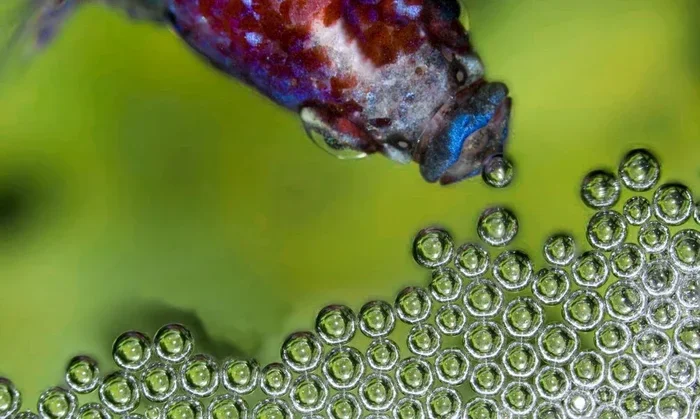
The most obvious sign is a bubble nest. Male bettas build these nests at the surface of the water. They blow tiny bubbles that stick together and form a floating cluster. A bubble nest looks like a messy foam sitting on the top of your tank.
Here is what to look for:
- Small bubbles clumped together near the water surface
- Foamy texture that stays in one spot
- The male betta guarding the nest area closely
- Bubbles appearing overnight or within a few hours
Not all bubble nests mean eggs are present. Sometimes a male builds a nest just because he feels comfortable and safe. But if you also see other signs, a bubble nest is a strong indicator that betta fish eggs are involved.
Changes in Female Betta Behavior
A female betta fish acts differently when she is carrying eggs. This is sometimes called being gravid, which simply means she has eggs inside her body. Here are the behavior changes you might notice:
- Increased appetite or sudden refusal to eat
- Swimming more erratically or darting around the tank
- Darkening of the egg spot on her underside
- Becoming more reclusive and hiding behind plants or decorations
- Curving her body in a U-shape, which helps release eggs
If you notice these changes, pay close attention. Your female betta may be getting ready to lay eggs, or she may have already done so. Checking for physical signs will help you confirm.
Physical Signs on the Female Fish
Beyond behavior, there are physical clues. A female betta carrying eggs will look slightly different than usual. Her belly may appear rounder and more swollen. This is not the same as bloating from illness. The swelling from eggs tends to be more even and symmetrical.
Also, look at the egg spot on her underside. This is a small white dot near her vent area. When she is carrying eggs, this spot becomes more visible and pronounced. If you are unsure about the gender of your fish, check out our guide on how to tell the gender of betta fish to make sure you are looking at the right fish.
How to Spot Betta Fish Eggs
Once you suspect eggs are in the tank, you need to find them. Betta fish eggs are tiny and can be hard to see at first glance. Knowing exactly what they look like will save you a lot of guesswork.
What Do Betta Fish Eggs Look Like?
Betta fish eggs are very small, usually about 1 to 2 millimeters in size. They are white or translucent and have a round shape, similar to tiny balls or grains of sand. Here is what you should expect:
- Color: White or slightly translucent
- Size: Very small, about the size of a grain of salt
- Shape: Round and smooth
- Texture: Slightly sticky, which helps them cling to surfaces
You will often find eggs attached to plants, decorations, or the glass of the tank. They may also be scattered on the substrate at the bottom. In some cases, the male betta collects the eggs and places them in the bubble nest.
Fertilized vs. Infertile Eggs
Not all eggs will be viable. Understanding the difference between fertilized and infertile eggs is important. Fertilized eggs are slightly yellowish or have a small dark spot inside. They look slightly more opaque. Infertile eggs stay pure white and may develop a fuzzy coating if left too long.
If you are curious about whether betta fish eggs need to be fertilized, our article on do betta fish eggs need to be fertilized goes into great detail on this topic.
Where to Look for Eggs in the Tank
Eggs do not just float around randomly. They tend to gather in specific areas. Here is where you should check:
- Under broad-leafed plants: Eggs love to stick to leaves
- On the bubble nest: The male will place eggs here
- On the tank glass: Near the waterline or corners
- On decorations and gravel: Especially rough surfaces
- Near the water surface: Eggs often float at the top
Use a flashlight to help you see better. Shine it gently at the water surface and look closely at plants and the bubble nest. You might need to check several times, as eggs can be tricky to spot on the first try.
What to Do After Your Betta Fish Lays Eggs
Finding eggs in your tank is just the beginning. You need to take the right steps to give those eggs the best chance of hatching. Proper care after eggs are laid makes a huge difference.
Separate the Female Fish
Once the eggs are laid, the male betta will become very protective. He might chase or even harm the female fish. To keep everyone safe, remove the female from the tank. Use a net gently and place her in a separate container with clean water.
This step is crucial because a stressed female betta can become sick. If you are concerned about your fish’s health during this process, read our guide on how to tell if my betta fish is sick to watch for warning signs.
Set Up Proper Tank Conditions
The water conditions in your tank directly affect egg survival. Here are the key parameters to maintain:
- Temperature: Keep the water between 78 and 80 degrees Fahrenheit
- pH level: Aim for a pH of 6.5 to 7.0
- Water hardness: Soft to moderately hard water works best
- Filtration: Use a gentle sponge filter to avoid disturbing the eggs
- Aeration: Keep air flow low so the bubble nest stays intact
Clean water is essential. If you recently did a water change, make sure the new water is treated and free of chlorine. Check out our article on how to take care of betta fish water for detailed water maintenance tips.
Let the Male Care for the Eggs
The male betta is the primary caregiver. He will collect any fallen eggs and place them back in the bubble nest. He will also fan the eggs with his fins to provide oxygen and keep them clean. Do not disturb the male during this time.
Avoid turning lights on and off frequently, and keep noise levels low. The male needs a calm environment to do his job properly. Eggs typically hatch within 24 to 72 hours, depending on the water temperature.
Common Mistakes People Make with Betta Fish Eggs
Even experienced fish keepers make mistakes when dealing with betta fish eggs. Avoiding these common errors will save you time and protect your fish.
Removing the Bubble Nest
Some owners think a bubble nest is messy and remove it. This is a big mistake. The bubble nest is the safe home for the eggs. Removing it can cause the male to stop caring for the eggs or abandon them entirely.
Ignoring Water Quality
Dirty water kills eggs fast. Ammonia and nitrite spikes are deadly to developing embryos. Test your water regularly and perform small water changes if needed. But never do a large water change all at once, as this can shock the male and cause him to eat the eggs.
Disturbing the Male Too Much
The male betta needs peace and quiet during the egg care period. Tapping on the glass, moving the tank around, or constantly peering into the tank can stress him out. A stressed male may eat the eggs or stop tending to them.
Not Knowing When to Intervene
While the male does most of the work, there are times when you should step in. If you notice fungus growing on the eggs, you may need to remove the affected eggs. If the male stops caring for the nest for an extended period, intervention might be needed. But in most cases, the male betta knows what to do.
Expert Insights on Betta Fish Breeding and Eggs
Breeding betta fish is a rewarding but responsible endeavor. Before you attempt to breed your fish, make sure you understand the full process. A healthy male and female betta are essential for successful spawning and egg production.
If you are unsure whether your female betta is pregnant or just carrying eggs, our article on how can you tell if your betta fish is pregnant provides helpful guidance on distinguishing between the two.
Also, keep in mind that not every batch of eggs will result in fry. Many eggs are infertile, and that is completely normal. Even experienced breeders see high rates of infertile eggs. The key is to maintain clean water, stable conditions, and patience.
When the eggs do hatch, the fry will be extremely tiny and need specialized care. They feed on infusoria or liquid fry food at first. Moving them to a separate grow-out tank is highly recommended to give them the best start in life.
How Long Does It Take for Betta Fish Eggs to Hatch
The hatching timeline depends mainly on water temperature. Warmer water speeds up the process, while cooler water slows it down. Here is a general timeline:
- 24 to 48 hours: Most common hatching window at 80 degrees Fahrenheit
- 48 to 72 hours: Hatching time at slightly cooler temperatures around 76 degrees
- Up to 96 hours: In cooler tanks below 75 degrees, hatching can take longer
During this time, the male betta will continue to guard and care for the nest. You might see tiny fry falling from the nest once they hatch. At this point, you should start planning for their care, as the male may start eating the fry if they are not removed.
For a detailed guide on hatching timelines, check out our article on how long does it take betta fish eggs to hatch.
Final Thoughts
Learning how to tell if betta fish laid eggs is a skill every betta owner can develop. The signs are there if you know where to look. From bubble nests and behavior changes to tiny white eggs on your plants, each clue helps you piece together what is happening in your tank.
Remember to stay calm and take action step by step. Remove the female after eggs are laid, maintain pristine water conditions, and let the male do his job. Avoid common mistakes like disturbing the nest or ignoring water quality. With the right care, you can successfully raise betta fish fry from eggs to healthy juveniles.
Whether you are a curious hobbyist or an aspiring breeder, understanding the egg-laying process deepens your connection with your fish. It is one of the most fascinating parts of betta fish keeping. Enjoy the journey, and give your fish the care they deserve.
Frequently Asked Questions
How do I know if my betta fish is ready to lay eggs?
Your female betta will show a rounder belly, a more visible egg spot, and changes in behavior like hiding more or swimming erratically. She may also eat more or suddenly lose interest in food. These signs usually appear a few days before she is ready to release eggs.
Can a betta fish lay eggs without a male present?
Yes, a female betta can lay eggs even without a male in the tank. However, the eggs will not be fertilized and will not hatch. The female may release the eggs on her own, and they will not develop into fry. This is a natural process and not a cause for concern.
What should I do immediately after finding betta fish eggs in my tank?
First, remove the female betta to prevent stress or aggression from the male. Then check the water parameters to make sure the temperature and pH are in the ideal range. Avoid disturbing the bubble nest and let the male take over caring for the eggs.
How can I tell if betta fish eggs are fertilized or not?
Fertilized eggs usually have a slight yellowish tint or a small dark spot inside. They look slightly more opaque than infertile eggs. Infertile eggs stay completely white and may turn fuzzy or develop fungus over time. Remove infertile eggs promptly to prevent contamination.
Do betta fish eggs need a special diet after hatching?
Yes, newly hatched fry need very small food. Infusoria or liquid fry food works best for the first few days. As they grow, you can gradually introduce baby brine shrimp and micro worms. Keep the water clean and feed small amounts multiple times a day.
Is it normal for a male betta to eat his own eggs?
It can happen, especially if the male is inexperienced or stressed. Poor water conditions, too much disturbance, or a lack of food can trigger this behavior. Maintaining a calm environment and proper tank setup reduces the chances of the male eating the eggs.