How to Tell If a Betta Fish Likes You Reddit
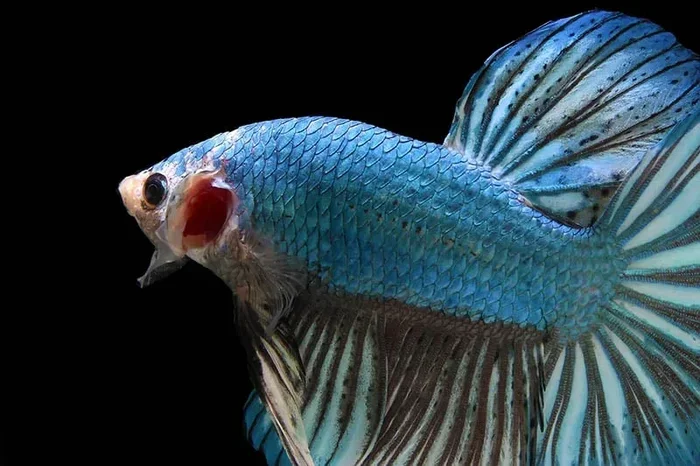
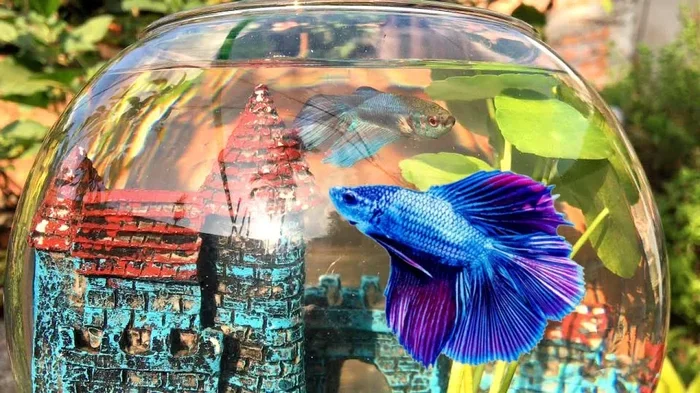
Learning how to tell if a betta fish likes you is easier than most people think. Your betta fish shows affection through specific behaviors like following your finger, flaring at you, and swimming to the front of the tank when you approach. Reddit users share real experiences that help you recognize these bonding signs quickly and confidently.
Have you ever wondered if your betta fish likes you? Maybe you’ve noticed your betta swimming toward your hand or watching you from across the room. The truth is, betta fish are more perceptive than most people give them credit for. They may not wag their tails or purr like a cat, but they communicate in their own unique ways. If you’ve spent time watching your betta and thinking, “Does my fish actually like me?” — you’re not alone.
Millions of betta owners turn to Reddit for advice, and the discussions are full of personal stories and real observations. This guide pulls together the best tips from experienced betta keepers and pairs them with practical knowledge. By the end, you’ll know exactly what to look for and how to respond to your fish’s signals.
Key Takeaways
- Betta fish show affection through specific behaviors: Watching for signs like following your hand, flaring, and swimming to the surface helps you understand their feelings.
- Reddit communities offer real-world insights: Experienced betta owners share practical tips on recognizing bonding behaviors that you won’t find in basic care guides.
- Gender plays a role in behavior: Male and female bettas display affection differently, so knowing their sex helps you interpret their actions correctly.
- Health affects how your betta interacts with you: A sick or dying betta may stop showing normal bonding behaviors, so always rule out illness first.
- Building trust takes time and consistency: Regular feeding routines, gentle interactions, and patience are key to developing a strong bond with your betta.
📑 Table of Contents
- What Does It Mean When a Betta Fish Likes You?
- Common Signs Your Betta Fish Likes You
- How Reddit Users Describe Betta Bonding Behaviors
- Gender Differences in Betta Fish Affection
- How to Build a Stronger Bond With Your Betta
- When Behavior Changes Could Signal a Problem
- Quick Tips for Strengthening Your Bond
- Common Mistakes That Hurt Your Bond With Your Betta
- Expert Insights on Betta Fish Bonding
- Conclusion
What Does It Mean When a Betta Fish Likes You?
Understanding betta fish behavior starts with knowing that these fish are smarter than they look. Bettas are curious creatures that explore their environment and notice patterns. When a betta fish likes you, it means your fish feels safe and comfortable around you. This comfort shows up in behaviors that are easy to spot once you know what to watch for.
Betta fish bonding is real. It builds over time through consistent interaction and positive experiences. Your fish learns to associate you with food, safety, and interesting things happening outside the tank. This is the foundation of betta fish owner bonding, and it’s something every owner can develop with patience.
Why Bettas Form Bonds With Their Owners
Bettas are solitary fish in the wild, but they still respond to stimuli in their environment. They recognize feeding schedules, light patterns, and the movements of people nearby. When you sit by the tank regularly, your betta starts to identify you as a familiar presence. This familiarity creates a sense of betta fish comfort level that leads to visible bonding behaviors.
Unlike dogs or cats, bettas don’t seek physical contact. Their affection is more subtle. You won’t see your betta nuzzling against your hand. Instead, you’ll notice changes in betta fish swimming patterns and general activity levels when you’re near the tank.
Common Signs Your Betta Fish Likes You
Recognizing betta fish signs of affection is the first step toward understanding your fish better. Here are the most common behaviors that suggest your betta enjoys your presence.
Your Betta Follows Your Finger
This is one of the most talked-about betta fish following you behaviors on Reddit. If you place your finger on the outside of the tank and your betta swims toward it and follows it around, that’s a strong sign of interest. Bettas are naturally curious, and a moving object grabs their attention. When your fish consistently follows your finger, it means your betta is engaged and alert around you.
Flaring at You
Many people think flaring is a sign of aggression, but it’s more nuanced than that. Betta fish flaring at you can actually mean your fish recognizes you as a non-threat. When a betta flares, it spreads its gills and fins to appear larger. If your betta does this when you approach the tank, it’s showing awareness of you. Some owners even interpret gentle flaring as a greeting.
Swimming to the Front of the Tank
When you walk into the room and your betta immediately swims to the front of the tank, that’s a clear betta fish happy sign. Your fish is excited to see you. This behavior often comes with increased activity, such as rapid swimming or even doing small loops. Bettas that feel connected to their owners tend to be more visible and interactive during feeding times and when their owner is nearby.
Eating Enthusiastically From Your Hand
Hand feeding is a milestone in betta fish owner bonding. If your betta eats directly from your fingers, it trusts you completely. This level of betta fish interaction doesn’t happen overnight. It requires weeks of consistent feeding and gentle presence near the tank. Start by dropping food close to your hand and gradually move your fingers closer over time.
Relaxed Body Language
A betta that likes you will have relaxed fins and a calm swimming posture. If your fish’s fins are held open and flowing smoothly, that’s a good indicator of comfort. Watch for your betta resting near the top of the tank or floating peacefully. These betta fish happy signs show that your fish feels secure in its environment and with your presence.
How Reddit Users Describe Betta Bonding Behaviors
The Reddit community is full of firsthand accounts from betta owners who have observed bonding behaviors in their fish. These real-world stories add depth to what science tells us about betta fish behavior.
Stories From Experienced Betta Keepers
On Reddit, many users report that their bettas swim to the glass when they approach the tank. Some say their fish actually “waits” for them by the filter output or near the feeding area. One popular thread describes a betta that would flare every morning at the same time — the owner’s alarm going off. The fish had learned the routine and responded with excitement.
Other Reddit users share stories of bettas that follow their owners around the room as they move from one space to another. This betta fish responsive behavior shows that the fish is actively aware of its owner’s location and wants to stay connected.
What Reddit Tells Us About Betta Personalities
One thing Reddit users emphasize is that every betta has a unique betta fish personality. Some are naturally more social and outgoing. Others are shy and take longer to warm up. The key is to observe your individual fish and learn its specific patterns. What matters is not comparing your betta to someone else’s but understanding what’s normal for your fish.
Many experienced owners on Reddit also note that male and female bettas show affection differently. If you’re unsure about your fish’s sex, learning how to tell the gender of a betta fish can help you better interpret its behavior.
Gender Differences in Betta Fish Affection
Not all bettas behave the same way when they like someone. Gender plays a significant role in how affection is expressed. Understanding these differences helps you read your fish more accurately.
Male Betta Bonding Behaviors
Male bettas are generally more expressive. They flare more often, follow hands more readily, and tend to be more visible near the surface of the tank. Male bettas have longer fins and more dramatic movements, which makes their betta fish bonding behaviors easier to notice. They also tend to respond more strongly to feeding routines and hand-feeding sessions.
Female Betta Bonding Behaviors
Female bettas are often quieter in their affections, but that doesn’t mean they bond less. Females may show interest through subtle color changes, gentle swimming near the glass, or staying close to the surface when their owner is present. Learning how to tell the age of a female betta fish can also help you understand behavioral shifts that come with maturity.
How Sex Affects Interaction Styles
If you want to deepen your understanding of your fish’s behavior, knowing its sex gives you important context. Male bettas tend to be more territorial and may flare at reflections or other fish. Females can be more social in group settings but may still form strong bonds with a single owner. Either way, betta fish trust signs develop through calm, consistent presence.
How to Build a Stronger Bond With Your Betta
If you want to strengthen the connection with your betta, there are practical steps you can take. Building trust is a gradual process, and the results are worth the effort.
Stick to a Consistent Feeding Routine
Feeding is the most powerful tool for bonding. Bettas thrive on routine, and they quickly learn when it’s time to eat. Try to feed your betta at the same times each day. Over time, your fish will associate you with food and become more active and responsive when you approach the tank. For guidance on feeding frequency, check out this article on how often you need to feed a betta fish.
Spend Time Near the Tank
Simply sitting near your tank helps your betta get used to your presence. Talk softly, move slowly, and avoid tapping on the glass. Your betta’s betta fish comfort level will rise as it becomes familiar with your voice and movements. Many Reddit users recommend reading a book or working on a laptop next to the tank as a simple way to build familiarity.
Use Hand Feeding as a Bonding Tool
Hand feeding creates a direct connection between you and your fish. Start by placing food near your fingertips just above the waterline. Be patient — it may take several sessions before your betta takes food from your hand. Once it does, you’ll notice a significant increase in betta fish interaction and overall responsiveness.
Keep the Tank Environment Stable
A stressed betta won’t bond well. Make sure water parameters are stable, the temperature is warm enough, and the tank is clean. Poor water quality leads to health problems that can completely change your fish’s behavior. If you notice sudden changes in how your betta acts, it’s worth learning how to tell if my betta fish is sick so you can address issues early.
Try Positive Reinforcement
Bettas respond well to positive reinforcement. When your fish swims to the front of the tank or follows your finger, acknowledge it with a gentle voice or a small treat. Over time, your betta will associate these behaviors with positive outcomes, which strengthens the bond.
When Behavior Changes Could Signal a Problem
Sometimes a betta that was once affectionate stops showing bonding behaviors. This change can be alarming, but it’s important to look at the bigger picture.
Signs of Illness That Affect Bonding
If your betta suddenly stops eating, hides at the bottom of the tank, or stops responding to your presence, illness could be the cause. Betta fish health directly impacts behavior. Common issues like ich, fin rot, or stress can make your fish withdraw. Learning to recognize early warning signs is essential for every owner.
When Withdrawal Means Something Serious
In some cases, a betta that stops interacting may be nearing the end of its life. It’s a difficult topic, but understanding how can you tell if a betta fish is dying helps you provide the best care possible in every situation. Look for symptoms like loss of color, difficulty swimming, and complete disinterest in food or your presence.
Behavior Changes During Pregnancy
Female bettas that are carrying eggs may also show changes in behavior. They might become more reclusive or aggressive. If you suspect your female betta is pregnant, learning how can you tell if your betta fish is pregnant will help you adjust care routines and understand what’s happening.
Stress as a Bonding Killer
Stress is one of the biggest enemies of the betta fish owner bonding process. Loud noises, bright lights, aggressive tank mates, and sudden water changes can all stress your betta. A stressed fish is a withdrawn fish. If you want to maintain a strong bond, focus on creating a calm and stable environment. For tips on reducing stress, see guidance on how to treat a stressed betta fish.
Quick Tips for Strengthening Your Bond
- Feed at the same times daily — routine builds trust and anticipation.
- Move your hand slowly near the tank — sudden movements scare bettas.
- Talk softly to your fish — they respond to vibration and tone.
- Keep the tank in a quiet area — low stress leads to more interaction.
- Be patient — bonding can take weeks or even months.
- Observe daily — knowing normal behavior helps you spot changes early.
Common Mistakes That Hurt Your Bond With Your Betta
Not everyone gets bonding right on the first try. Here are common mistakes that can slow down or damage the connection with your betta.
Overfeeding: It’s tempting to give your betta extra food because it seems hungry and active. But overfeeding leads to health problems that make your fish less interactive. Stick to recommended portions and feeding schedules.
Tap the glass: Many beginners tap on the tank to get their betta’s attention. This startles the fish and creates negative associations with your presence. Instead, let your betta come to you naturally.
Ignoring water quality: Dirty water causes stress and illness. If you don’t maintain the tank properly, your betta’s betta fish behavior will change for the worse. Regular water changes and proper filtration are non-negotiable.
Expecting too much too soon: Bonding is not instant. Some bettas take weeks to warm up to a new owner. If your fish hides or ignores you at first, give it time and keep showing up consistently.
Keeping the tank in a high-traffic area: While bettas enjoy observing activity, constant noise and movement from too many people can overwhelm them. Find a spot where your fish can feel safe but still part of the household.
Expert Insights on Betta Fish Bonding
Experienced aquarists and betta specialists agree that the bonding process is real but varies from fish to fish. According to experts, the key factors in successful betta fish owner bonding are consistency, patience, and observation. Every fish has its own timeline, and pushing interaction too aggressively can backfire.
Experts also recommend paying attention to betta fish swimming patterns as a primary indicator of mood and bonding level. A fish that swims actively and explores its environment is generally a happy and connected fish. One that stays hidden or sits at the bottom may need attention to its environment or health.
Veterinarians who specialize in fish health emphasize that behavioral changes should always be evaluated in context. A single bad day doesn’t mean your bond is broken. But persistent changes in betta fish interaction should prompt a closer look at water conditions, diet, and overall health.
Conclusion
Learning how to tell if a betta fish likes you is a rewarding journey that deepens your connection with your pet. Your betta shows affection through following your finger, flaring gently, swimming to the front of the tank, and eating from your hand. These betta fish bonding behaviors are real, and they grow stronger with consistent care and attention.
Reddit offers a wealth of personal experiences that complement scientific understanding. By combining community wisdom with practical care tips, you can build a meaningful relationship with your betta. Pay attention to gender differences, watch for health concerns, and always prioritize a stable tank environment.
The most important thing to remember is that every betta is an individual. Some will bond quickly, and others need more time. What matters is that you show up, stay patient, and enjoy the process. Your betta may not purr or wag its tail, but it will find its own way to tell you it likes you.
Frequently Asked Questions
Can betta fish recognize their owners?
Yes, betta fish can recognize their owners over time. They learn to associate specific people with feeding, gentle presence, and positive experiences. Many Reddit users report that their bettas respond differently to their owner compared to strangers who visit the home.
How long does it take for a betta fish to trust you?
It typically takes two to four weeks for a betta to become comfortable with a new owner, but full trust can take several months. Consistency in feeding and calm interactions speed up the process. Some shy bettas may need even longer to show visible bonding behaviors.
Why does my betta fish flare at me?
Flaring is a natural response that can mean your betta recognizes you as a non-threat. It can also be a sign of excitement or territorial behavior. If flaring happens when you approach the tank, your fish is likely aware of you and responding to your presence.
Do betta fish get lonely?
Bettas are solitary fish and do not get lonely in the same way social fish do. However, they do benefit from interaction with their owners. Regular presence and gentle engagement help keep your betta mentally stimulated and emotionally connected.
Can a betta fish bond with multiple people?
Yes, bettas can bond with more than one person, especially if multiple people participate in feeding and care routines. However, they often show a stronger response to the person who feeds them most consistently. Building trust with each person takes patience and regular interaction.
What should I do if my betta fish stops interacting with me?
First, check water parameters and look for signs of illness. A sudden loss of interest in interaction is often a health issue. If the tank conditions are good, give your betta some time and continue gentle routines. If the behavior persists, consult a fish veterinarian or experienced aquarist for advice.