How Do You Know a Betta Fish Is Pregnant
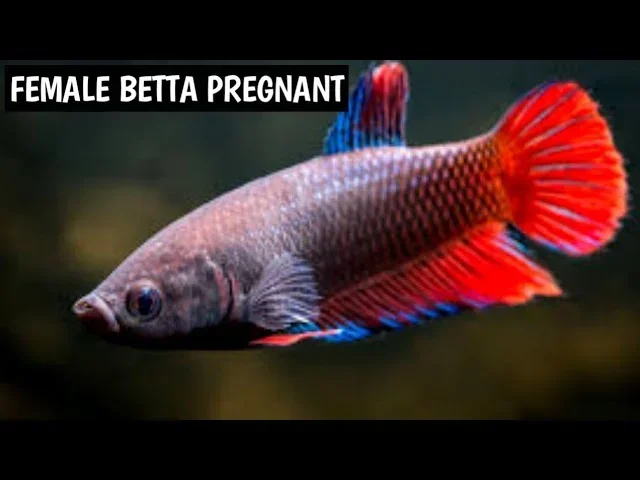
Figuring out if your betta fish is pregnant can be exciting and a little confusing. You will notice a white spot on her belly, a rounder body shape, and changes in her behavior. Betta fish are egg layers, so the female carries eggs inside her body before releasing them during spawning. Knowing the real signs helps you provide the right care at the right time.
Key Takeaways
- White Egg Spot: A small white dot near the belly is the clearest early sign of a betta fish carrying eggs.
- Behavior Changes: A pregnant betta fish may become more aggressive, build a bubble nest, or hide more often.
- Body Shape Shifts: The belly becomes rounder and larger as eggs develop inside the female.
- Proper Care Matters: Maintaining clean water, warm temperatures, and good nutrition supports a healthy betta fish during this phase.
- Not Actually Pregnant: Betta fish are egg layers, not livebearers. The female releases eggs that the male fertilizes externally.
- Know the Difference: Some signs overlap with illness, so it is important to tell the difference between a healthy pregnant betta fish and a sick one.
📑 Table of Contents
- How Do You Know a Betta Fish Is Pregnant
- Physical Signs Your Betta Fish Is Carrying Eggs
- Behavior Changes in a Pregnant Betta Fish
- How to Tell the Difference Between Pregnancy and Illness
- Caring for a Betta Fish During Pregnancy
- What Happens After the Eggs Are Released
- Common Mistakes People Make With Pregnant Betta Fish
- When to Seek Help for Your Betta Fish
- Conclusion
How Do You Know a Betta Fish Is Pregnant
If you have a betta fish and you think she might be pregnant, you are probably watching her belly like a hawk. The truth is, betta fish do not get pregnant the way mammals do. Instead, the female betta fish carries eggs inside her body. When the time is right, she releases those eggs and the male fertilizes them. This process is called spawning.
So, how do you know a betta fish is pregnant? There are several clear signs you can look for. From physical changes to behavior shifts, your fish will give you plenty of clues. Let us walk through each sign step by step so you feel confident in what you are seeing.
Understanding these signs matters because it helps you provide the right care. A betta fish carrying eggs has different needs than a regular betta fish. You need to adjust the tank setup, feeding routine, and water conditions. This guide covers everything you need to know, from the earliest signs to what you should do after the eggs are released.
Physical Signs Your Betta Fish Is Carrying Eggs
The White Egg Spot
The most obvious early sign is a small white spot on the belly of the female betta fish. This is called the ovipositor. It looks like a tiny white grain or dot near the vent area, which is the opening under the belly. This spot appears when the fish is ready to release eggs.
Not every betta fish shows this spot clearly. Some fish have it hidden under scales. If you look closely and see a small white dot, that is a strong clue your betta fish is pregnant or, more accurately, carrying eggs. This spot may come and go depending on the breeding cycle.
Rounder and Larger Belly
As the eggs develop inside the female, her belly will grow rounder. A pregnant betta fish belly looks plumper than usual. The belly may also appear slightly tilted or lower than the rest of the body. This change happens gradually over a few days to a week.
Be careful not to confuse a round belly with bloating. A bloated betta fish looks swollen all around, while a fish carrying eggs has a more pronounced front-heavy belly. If you are unsure, watch for other signs too. The belly shape combined with other clues will help you tell the difference.
Color Changes
Some female betta fish show subtle color changes when they are carrying eggs. The colors near the belly area may become slightly brighter or more vivid. In some cases, the fish may develop vertical stripes along the body. These stripes are called breeding bars and they signal that the fish is ready to mate.
Not all betta fish display these color changes. It depends on the individual fish and the color variety. But if you notice your fish looking a bit different, especially around the belly area, it could be a sign of a betta fish carrying eggs.
Behavior Changes in a Pregnant Betta Fish
Behavioral changes are just as important as physical signs. Your betta fish will act differently when she is ready to breed. Watching how she moves and interacts with her environment gives you big clues.
Building a Bubble Nest
Male betta fish build bubble nests to prepare for the eggs. If you see a cluster of tiny bubbles floating near the surface of the water, that is a bubble nest. The male builds this nest as a safe place for the eggs after they are released. Seeing a bubble nest means the male is ready to breed with a female betta fish who is carrying eggs.
If you do not have a male in the tank, the female may still show nesting behavior. However, the male is the one who typically builds the nest. This is part of the natural betta fish breeding process.
Increased Aggression
A betta fish carrying eggs may become more territorial. She might flare her fins more often or chase other fish away. This is her way of protecting the space where she will release her eggs. Some female betta fish also become more aggressive toward the male during courtship.
If your normally calm fish suddenly starts chasing others or flaring at reflections, pay attention. This behavior shift often happens when the fish is in a breeding state. It is a natural response, not a sign of a bad temperament.
Hiding and Resting More
On the flip side, some pregnant betta fish become more reclusive. They may hide behind plants or rest on the substrate more than usual. This happens because carrying eggs takes a lot of energy. The fish needs rest and a calm environment to stay healthy.
If your fish is hiding more than normal, check the water quality and make sure nothing is stressing her out. A stressed betta fish may show similar behavior, so you want to rule out other causes. Clean water and a quiet tank go a long way.
How to Tell the Difference Between Pregnancy and Illness
This is one of the most important parts of caring for a betta fish. Some signs of pregnancy overlap with signs of illness. You do not want to mistake a sick fish for a pregnant one, or vice versa. Here is how to tell them apart.
Pregnancy vs. Bloating
A bloated betta fish has a swollen belly that is evenly round. The fish may struggle to swim or float sideways. Bloating is often caused by overfeeding, constipation, or a serious condition called dropsy. A fish carrying eggs, on the other hand, has a belly that is fuller in the front and slightly softer to the touch.
If the belly feels hard and the fish is not eating, that is more likely bloating or illness. If the belly is soft and the fish still eats normally, she may be carrying eggs. Watch for the white egg spot and breeding bars to confirm.
Pregnancy vs. Common Illnesses
Some illnesses like ich, fin rot, or swim bladder disease cause symptoms that can look similar to pregnancy. For example, a fish with ich may have a white spot that looks like the ovipositor. However, ich spots appear all over the body, not just near the belly.
Also, a sick fish often loses color, stops eating, or stays at the bottom of the tank. A healthy pregnant betta fish still eats and moves around normally. If you are ever in doubt, check for other signs of illness. You can learn more about how to tell if your betta fish is sick by reading up on common betta fish diseases.
Knowing the difference helps you take the right action quickly. A sick fish needs treatment. A pregnant fish needs proper breeding support and nutrition.
Caring for a Betta Fish During Pregnancy
Once you confirm your betta fish is carrying eggs, you need to adjust her care routine. The right environment and nutrition make a big difference in her health and the success of the breeding process.
Water Quality and Temperature
Clean water is essential for a pregnant betta fish. Change about 20 to 30 percent of the water every week. Keep the water temperature between 78 and 80 degrees Fahrenheit. This warm temperature mimics the natural breeding conditions betta fish prefer.
Use a gentle filter to keep the water clean without creating too much current. Betta fish do not like strong flows. Also, make sure the water parameters stay stable. Ammonia and nitrite levels should always be at zero. Test the water regularly with a reliable kit.
Feeding a Pregnant Betta Fish
A fish carrying eggs needs extra nutrition. Feed her high-quality betta pellets as the staple diet. Supplement this with frozen or live foods like brine shrimp and bloodworms. These foods are rich in protein and help the fish produce healthy eggs.
Feed small amounts twice a day. Do not overfeed, because uneaten food can pollute the water. A healthy diet supports the entire breeding process, from egg development to recovery after spawning. If you want more detailed feeding tips, check out our guide on how to feed a betta fish properly.
Tank Setup for Breeding
If you plan to breed your betta fish, set up a separate breeding tank. Use a tank that is at least 10 gallons. Add soft plants or a spawning mop where the female can deposit her eggs. Keep the lighting dim because betta fish prefer a calm, low-light environment during breeding.
Remove any sharp decorations that could hurt the fish. The female needs a safe space to rest. After the eggs are released, the male will collect them and place them in the bubble nest. At that point, you should remove the female from the tank to keep her safe.
What Happens After the Eggs Are Released
The breeding process does not end when the eggs come out. There are a few important steps that follow. Understanding what happens after spawning helps you support both the male and the female properly.
After the female releases the eggs, the male fertilizes them and places them in the bubble nest. The female should be removed from the tank at this point because the male may become aggressive toward her. The male will guard the nest and care for the eggs until they hatch, which usually takes 24 to 48 hours.
Once the eggs hatch, the male continues to care for the fry (baby fish) for a few days. When the fry start swimming freely, the male should also be removed. Baby betta fish need very small food like infusoria or baby brine shrimp. Learning how to breed a betta fish takes patience, but it is a rewarding experience when done correctly.
Common Mistakes People Make With Pregnant Betta Fish
Even experienced fish keepers can make mistakes when caring for a pregnant betta fish. Here are the most common errors to avoid.
- Ignoring water quality: Dirty water stresses the fish and can cause the eggs to become infected. Always keep the tank clean.
- Overfeeding: Too much food leads to bloating and poor water quality. Feed small, protein-rich meals twice a day.
- Keeping the female with the male too long: The male can become aggressive after spawning. Remove the female once the eggs are in the bubble nest.
- Confusing pregnancy with illness: As mentioned earlier, similar symptoms can mean very different things. Always check for multiple signs before making a conclusion.
- Skipping the quarantine: If you are breeding fish, a quarantine tank helps prevent the spread of disease to the main tank.
Avoiding these mistakes gives your betta fish the best chance at a healthy breeding cycle. Patience and observation are your best tools.
When to Seek Help for Your Betta Fish
Most of the time, a pregnant betta fish will do just fine with basic care. But there are times when you should reach out for help. If your fish stops eating for more than two days, looks very pale, or has a swollen belly that feels hard, something may be wrong.
These could be signs of a serious health issue. A fish that is actually sick rather than pregnant needs prompt attention. Look into treatment options like salt baths or medication, depending on the symptoms. You can also consult with a veterinarian who specializes in fish health.
Trust your instincts. If something does not look right, it is better to check early. Catching problems early makes treatment much easier and gives your fish a better chance of recovery.
Conclusion
Knowing how to tell if a betta fish is pregnant comes down to watching for the right signs. Look for the white egg spot, a rounder belly, color changes, and shifts in behavior. These clues tell you your betta fish is carrying eggs and ready for the breeding process.
Once you confirm the signs, adjust the care routine to support her health. Clean water, proper nutrition, and a calm environment make all the difference. And remember, a betta fish pregnant with eggs needs different care than a regular fish, so be patient and observant.
If you ever feel unsure, take a step back and review the signs. You can also explore more about how to care for a betta fish to strengthen your overall fish-keeping skills. With the right knowledge and a little patience, you will handle your pregnant betta fish like a pro.
Frequently Asked Questions
Can male betta fish get pregnant?
No, male betta fish cannot get pregnant. Only female betta fish carry eggs. The male’s role is to fertilize the eggs after the female releases them and to build a bubble nest to protect them. If you see a male with a swollen belly, it is more likely caused by bloating or illness.
How long is a betta fish pregnant for?
A betta fish carries eggs for about 1 to 2 weeks before releasing them. The exact time depends on the fish’s health, water temperature, and tank conditions. After the eggs are released, the male fertilizes them and places them in a bubble nest within a few hours.
Do betta fish show signs of pregnancy right away?
Not always. The early signs can be subtle. The white egg spot may be the first thing you notice, followed by a gradually rounder belly over the next week or so. Behavior changes like building a bubble nest or becoming more territorial usually appear as the eggs develop further.
Should I separate a pregnant betta fish from other fish?
Yes, it is a good idea to separate a pregnant betta fish, especially when you see signs she is ready to spawn. A separate breeding tank gives her a calm, safe environment. It also protects other fish from her increased aggression during the breeding phase.
What should I feed a pregnant betta fish?
Feed your pregnant betta fish high-protein foods like brine shrimp, bloodworms, and quality betta pellets. Offer small amounts twice a day to avoid overfeeding. Good nutrition supports healthy egg production and keeps the fish strong throughout the breeding process.
Can a betta fish be pregnant but not release eggs?
Yes, this can happen. If the conditions are not right for breeding, the female may hold the eggs longer. Stress, poor water quality, or the absence of a male can delay egg release. In some cases, the eggs may be reabsorbed by the fish’s body if breeding does not happen.