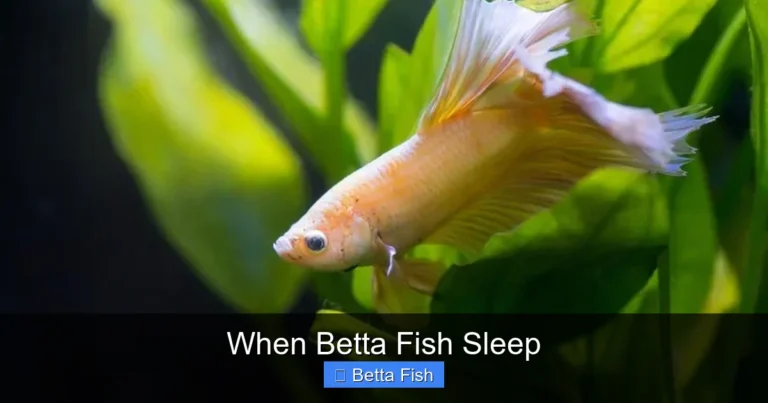
How to Tell If a Betta Fish Is Cold

Knowing how to tell if a betta fish is cold can save your fish’s life. Betta fish are tropical creatures that need warm water between 76°F and 82°F. When the temperature drops too low, your betta will show clear signs like lethargy, loss of appetite, faded colors, and clamped fins. This guide walks you through every cold symptom, the best ways to warm your tank, and how to prevent temperature problems for good.
Key Takeaways
- Cold water weakens your betta’s immune system, making it vulnerable to diseases like ich and fin rot.
- Watch for key signs like sluggish movement, clamped fins, loss of appetite, and pale coloring.
- The ideal temperature range is 76°F to 82°F, and anything below 74°F is dangerous.
- A small aquarium heater is essential for maintaining stable warmth in your betta tank.
- Quick fixes like wrapping the tank in a towel can help temporarily, but a heater is the long-term solution.
- Regular temperature checks with a thermometer prevent cold-related health issues before they start.
- Understanding your betta’s behavior helps you catch cold stress early and act fast.
📑 Table of Contents
- How to Tell If a Betta Fish Is Cold
- Why Temperature Matters So Much for Betta Fish
- Clear Signs Your Betta Fish Is Cold
- What Is the Ideal Temperature for Betta Fish?
- How to Warm Up a Cold Betta Fish Tank
- Common Mistakes That Cause Cold Water Problems
- How to Prevent Cold-Related Illness in Betta Fish
- Expert Tips for Keeping Your Betta Warm and Healthy
- Conclusion
How to Tell If a Betta Fish Is Cold
Your betta fish can’t tell you when it feels too cold. It can’t shiver or reach for a blanket. But your fish shows plenty of clear signs when the water temperature drops too low. Learning to read these signs is one of the most important parts of betta fish care.
Betta fish come from warm, tropical waters in Southeast Asia. They thrive in temperatures between 76°F and 82°F. When the water dips below 74°F, things start going wrong fast. A cold betta fish becomes stressed, sick, and eventually may die if you don’t act.
This guide covers every sign of a cold betta, what to do right away, and how to keep the tank warm for good. Whether you are a new betta owner or a seasoned hobbyist, this information will help you protect your fish.
Why Temperature Matters So Much for Betta Fish
Temperature is the backbone of betta fish health. Unlike some hardy freshwater fish, bettas are tropical. They need consistently warm water to function properly. Here is why it matters so much.
The Science Behind Warm Water and Betta Health
Warm water helps your betta’s body work the way it should. It supports digestion, immune function, and energy levels. When the water cools down, your betta’s metabolism slows. This means food moves slowly through the gut. The immune system weakens. And your fish becomes sluggish.
Cold water also holds more dissolved oxygen. That might sound good, but a cold-stressed betta cannot use that oxygen efficiently. The combination of a slow metabolism and stress creates a perfect storm for illness.
What Happens When Water Gets Too Cold
Short exposure to cool water may not harm your betta. But prolonged cold exposure causes real damage. Here is what can happen:
- Immune system suppression makes your betta prone to bacterial and fungal infections.
- Lethargy and inactivity keep your fish from moving or exploring.
- Loss of appetite leads to malnutrition and weight loss over time.
- Clamped fins signal discomfort and stress.
- Color fading makes your betta look dull and washed out.
- Increased disease risk, including ich, fin rot, and velvet.
None of these outcomes are worth the risk. A simple heater and thermometer solve most of these problems.
Clear Signs Your Betta Fish Is Cold
So how to tell if a betta fish is cold? Your fish will show you. The signs are usually easy to spot once you know what to look for. Let us break them down.
Sign 1: Lethargy and Sluggish Movement
A healthy betta fish is active and curious. It swims around the tank, explores plants, and builds bubble nests. A cold betta, on the other hand, barely moves. It may hover in one spot near the bottom of the tank. You might notice your fish taking longer to respond to food or your presence.
This is one of the first and most obvious signs of cold stress. If your betta seems unusually tired, check the water temperature first.
Sign 2: Clamped Fins
Clamped fins mean your betta holds its fins close to its body instead of spreading them out. This is a classic stress response. Fish clamp their fins to protect themselves when they feel unwell or uncomfortable. Cold water is one of the most common triggers for this behavior.
If you see your betta keeping its fins tight against its body, do not ignore it. It is telling you something is wrong.
Sign 3: Loss of Appetite
Bettas are eager eaters. They get excited at feeding time and rush to the surface. If your betta ignores food or takes only a few bites, something is off. Cold water slows digestion, which naturally kills the appetite.
Watch how your fish reacts during feeding. A cold betta may not even notice the food is there. This is a red flag that needs immediate attention.
Sign 4: Faded or Dull Coloring
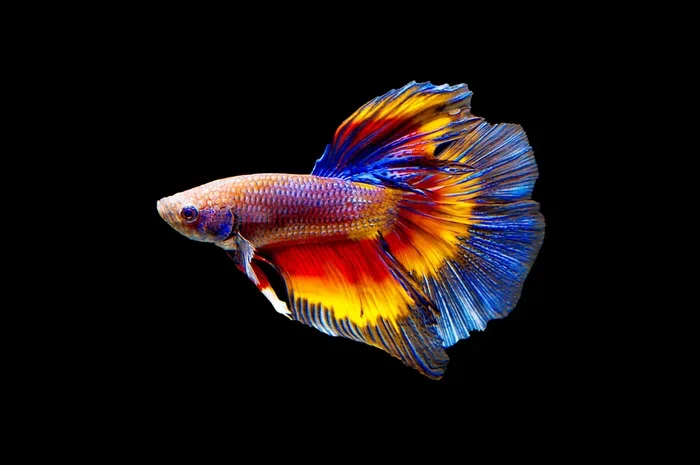
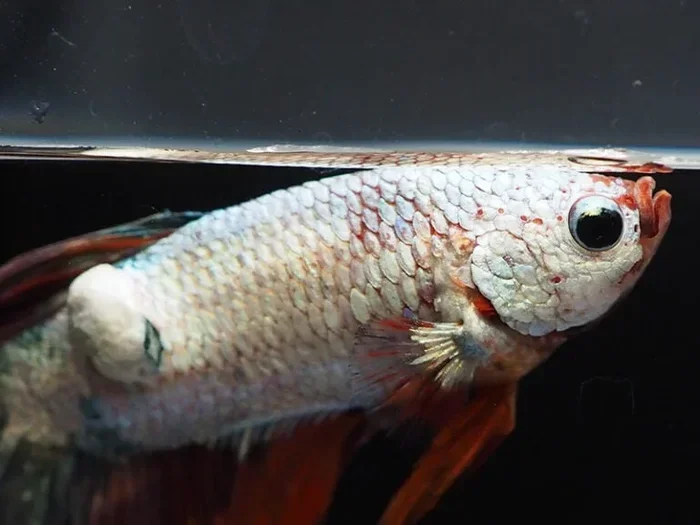
Healthy bettas display vibrant, rich colors. Reds, blues, greens, and purples pop when the fish feels good. A cold betta often looks pale or washed out. The colors fade because stress affects the pigments in the skin and scales.
Color fading does not always mean cold. It can also signal illness or poor water quality. But when combined with other signs on this list, cold is the likely culprit.
Sign 5: Staying Near the Bottom of the Tank
Bettas like to explore the whole tank. They swim at different levels throughout the day. A cold betta often sinks to the bottom and stays there. The cool water near the bottom feels even worse, and your fish may feel too weak to swim upward.
If your betta refuses to leave the bottom, test the temperature immediately.
Sign 6: Rapid or Labored Breathing
A cold-stressed betta may breathe rapidly or seem to gasp at the surface. This happens because cold water affects the gills’ ability to process oxygen efficiently. Your fish works harder to breathe, which adds to its overall stress.
Labored breathing is a serious sign. If you notice it, check the temperature and take action right away.
What Is the Ideal Temperature for Betta Fish?
Now that you know the signs of a cold betta, let us talk numbers. What temperature should your betta tank be at?
The Safe Range
The ideal temperature range for betta fish is 76°F to 82°F. Within this range, your betta stays active, eats well, and maintains a strong immune system. Here is a quick breakdown:
- 76°F to 80°F: The sweet spot for most bettas. They stay active and healthy.
- 80°F to 82°F: Slightly warmer, which many bettas love. Good for breeding and recovery.
- Below 74°F: Danger zone. Cold stress begins, and illness risk increases.
- Below 70°F: Critical zone. Your betta is in serious danger and needs immediate warming.
Why Fluctuations Are Also Dangerous
It is not just about hitting the right number. Temperature swings are just as harmful as being too cold. A sudden drop of even 2 to 3 degrees can shock your betta. Use a reliable aquarium thermometer and avoid placing the tank near drafts, windows, or air vents.
Stable temperatures matter more than chasing the perfect number. A consistent 78°F is far better than a fluctuating range between 74°F and 80°F.
How to Warm Up a Cold Betta Fish Tank
If you have confirmed that your betta is too cold, you need to act. But do it the right way. Sudden temperature spikes can be just as dangerous as cold water.
Step 1: Get an Aquarium Heater
A small aquarium heater is the best long-term solution for any betta tank. Choose a heater rated for your tank size. For tanks between 2.5 and 5 gallons, a 25-watt heater works well. For larger tanks, you may need a 50-watt heater.
Look for heaters with built-in thermostats. These automatically turn on and off to maintain a steady temperature. You can also check out our guide on how to warm a betta fish bowl for more specific tips on smaller setups.
Step 2: Adjust the Temperature Gradually
Never crank the heater up high to warm the water fast. Raise the temperature by 1 to 2 degrees per hour at most. A sudden jump stresses your betta just as much as the cold does.
If the water is very cold, say below 70°F, you can use a temporary method. Wrap a towel or blanket around the tank to hold in heat. This slows down cooling while you gradually bring the temperature up with the heater.
Step 3: Monitor with a Thermometer
An aquarium thermometer is a must-have for every betta tank. Stick-on thermometers are affordable and easy to read. Check the temperature at least twice a day, especially during the first few days after adjusting your heater.
Consistent monitoring helps you catch problems before your fish gets cold again. Make it part of your daily betta care routine.
Step 4: Improve Tank Placement
Where you put your betta tank matters more than you might think. Avoid placing the tank near:
- Windows with cold drafts or direct sunlight that causes temperature swings.
- Air conditioning vents or fans that blow cool air onto the water.
- Exterior walls that get cold in winter.
- Doors that open frequently to cold hallways.
Instead, place the tank in a warm, stable area of your home. A spot away from exterior walls and drafts works best.
For more advice on keeping your betta healthy overall, read our article on how to know if your betta fish is happy. A happy, warm betta is an active and colorful betta.
Common Mistakes That Cause Cold Water Problems
Many betta owners accidentally let their tank get too cold. Understanding these mistakes helps you avoid them.
Using a Bowl Instead of a Tank with a Heater
Small bowls look cute, but they are hard to heat properly. A 1-gallon bowl with no heater will lose heat fast, especially in cooler rooms. If you keep your betta in a bowl, consider upgrading to a small tank with a heater. It makes a huge difference.
Turning Off the Heater at Night
Some owners think they should turn off the heater at night to save electricity. This is a bad idea. Room temperature drops at night, and without the heater, the water follows. Keep the heater running 24 hours a day, seven days a week.
Ignoring Seasonal Temperature Changes
Your home gets cooler in winter. The water in your betta tank gets cooler too. If you do not adjust your heater settings seasonally, your betta may suffer through the cold months. Check the temperature more often when the seasons change.
Relying Only on Room Temperature
Room temperature is rarely warm enough for bettas. Most homes sit between 68°F and 72°F, which is too cold. You need a dedicated heater to bring the water up to the right range. Room temperature alone is not enough.
Want to learn more about maintaining proper water conditions? Our guide on how to take care of a betta fish water covers water quality and temperature in detail.
How to Prevent Cold-Related Illness in Betta Fish
Prevention is always better than treatment. Here is how you keep your betta warm and healthy for the long haul.
Use a Quality Heater with a Thermostat
A good heater with an adjustable thermostat is the single best investment for your betta tank. It keeps the water at a steady temperature without any guesswork. Look for models from trusted aquarium brands and replace them every year or two.
Do Regular Water Changes
Fresh water helps maintain stable temperature and good water quality. Change 25% of the water every week. Use a thermometer to check that the new water matches the tank temperature. Adding cold water during a water change can drop the temperature suddenly.
Keep the Tank Lid On
A tank lid helps retain heat. It also prevents evaporation, which can cause temperature fluctuations. Make sure the lid has small gaps for airflow, so your betta gets enough oxygen.
Watch for Early Warning Signs
The sooner you catch cold stress, the easier it is to fix. Check on your betta every day. Look for the signs we covered above: sluggishness, clamped fins, loss of appetite, and faded colors. Catching these early means you can adjust the temperature before your fish gets seriously sick.
If your betta does get sick from cold stress, check out our article on how to help a betta fish that is sick for practical treatment steps.
Expert Tips for Keeping Your Betta Warm and Healthy
Here are some extra tips from experienced betta keepers that make a real difference.
- Place the thermometer where you can see it easily. A stick-on thermometer on the outside of the tank works great. You will check it every day without thinking.
- Use a tank that is at least 5 gallons. Larger tanks hold heat better than small bowls. A 5-gallon tank with a heater creates a stable, warm environment for your betta.
- Avoid placing the tank near electronics that generate heat or cold. Computers, televisions, and radiators can all create uneven temperatures around the tank.
- Consider a backup heater. If your primary heater fails, a small backup can keep the temperature stable until you replace it.
- Observe your betta’s behavior daily. You know your fish better than anyone. If something seems off, check the temperature first. It is the simplest explanation and the easiest to fix.
For more detailed guidance on betta fish health and behavior, visit our article on how can you tell if your betta fish is sick. It covers the full range of symptoms you should watch for.
Conclusion
Now you know exactly how to tell if a betta fish is cold. From lethargy and clamped fins to loss of appetite and faded colors, your betta gives you plenty of warning signs. The key is to notice these signs early and act quickly.
Keep your betta’s water between 76°F and 82°F at all times. Use a reliable heater and thermometer. Avoid common mistakes like relying on room temperature or turning off the heater at night. These simple steps go a long way in keeping your betta healthy and happy.
A warm betta is an active, colorful, and thriving betta. Take the time to get the temperature right, and your fish will reward you with years of beauty and companionship. Stay observant, stay consistent, and your betta will thrive.
Frequently Asked Questions
What temperature is too cold for a betta fish?
Any temperature below 74°F is too cold for a betta fish. Below 70°F enters the critical danger zone. Your betta needs water between 76°F and 82°F to stay healthy and active. Even short periods in cold water can weaken the immune system and lead to illness.
Can a betta fish recover from being too cold?
Yes, a betta fish can recover from cold stress if you act quickly. Gradually warm the water back to the ideal range and monitor your fish closely. Most bettas bounce back within a few days once the temperature is stable. However, prolonged cold exposure may cause lasting damage or secondary infections.
Do betta fish need a heater in their tank?
Yes, betta fish need a heater. Room temperature is almost always too cool for tropical fish like bettas. A small aquarium heater with a thermostat keeps the water at a safe and consistent temperature. This is one of the most important pieces of equipment for any betta setup.
How can I warm my betta fish bowl without a heater?
Without a heater, you can wrap the bowl in a towel to retain heat and place it in a warm room away from drafts. However, this is only a temporary fix. A proper heater is the safest and most reliable way to maintain the right temperature for your betta fish long term.
Why does my betta fish stay at the bottom of the tank?
A betta staying at the bottom can signal cold stress, especially if the water temperature is below 76°F. Other causes include illness, poor water quality, or exhaustion. Check the temperature first, as it is the easiest thing to fix. If the temperature is fine, investigate other potential causes like disease or stress.
What other signs should I watch for if my betta is cold?
Beyond lethargy and clamped fins, watch for rapid breathing, loss of color, loss of appetite, and staying near the bottom. A cold betta may also develop white spots (ich) or frayed fins (fin rot) over time. Catching these signs early helps you warm the tank before serious illness sets in.