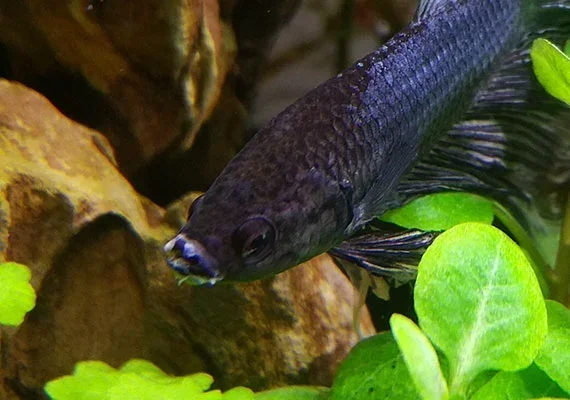
How to Tell Gender of a Betta Fish

Figuring out how to tell gender of a betta fish is easier than most fish keepers think. You can look at body shape, fin length, color intensity, and behavior to get a clear answer. Whether you are a beginner or a seasoned hobbyist, this guide covers everything you need to know about betta fish gender identification.
How to Tell Gender of a Betta Fish
So you have a beautiful betta fish and you want to know if it is a boy or a girl. You are not alone. Telling the gender of a betta fish confuses many aquarium owners, especially beginners. The good news is that once you know what to look for, it becomes much easier. In this guide, we will walk you through every clue step by step.
Understanding your betta’s gender matters more than you might think. It affects how you set up the tank, what tank mates you can add, and even how you care for your fish day to day. Whether you want to breed bettas or simply keep a peaceful single fish, knowing the betta fish sex gives you a big advantage.
This article covers physical traits, behavior, and age-related changes. By the end, you will feel confident identifying any betta. Let us dive in.
Key Takeaways
- Body shape and size differences are the first clues to identify betta fish sex.
- Male bettas have longer, flowing fins while females have shorter, rounder fins.
- Behavioral signs like bubble nests and aggression help confirm gender.
- Age matters — you cannot reliably identify gender in very young bettas.
- The egg spot and beard are key features unique to female and male bettas respectively.
- Color intensity often differs between males and females.
- Knowing the gender helps you provide better betta fish care and avoid tank conflicts.
📑 Table of Contents
- Why Knowing Your Betta’s Gender Matters
- Physical Differences Between Male and Female Betta Fish
- Behavioral Clues to Identify Betta Fish Gender
- How Age Affects Gender Identification
- Quick Reference: Male vs Female Betta Fish
- Common Mistakes When Identifying Betta Gender
- Expert Tips for Confident Gender Identification
- Why Gender Matters for Betta Fish Care
- Conclusion
Why Knowing Your Betta’s Gender Matters
You might wonder why gender identification is such a big deal. Can you not just keep your betta as-is? Well, yes and no. Knowing whether your fish is male or female changes how you approach its care and environment.
For example, male bettas are known to be aggressive toward other males. You should never house two males together. On the other hand, females can sometimes live in small groups if the tank is set up correctly. If you are looking into how to take care of a betta fish, gender plays a huge role in tank setup decisions.
Gender also matters if you want to breed bettas. Breeding requires a male and a female, and knowing how to tell them apart is the first step. Even if breeding is not your goal, understanding gender helps you spot health issues and behavioral changes more easily.
Physical Differences Between Male and Female Betta Fish
The easiest way to determine the sex of a betta fish is by looking at physical traits. Males and females have clear differences in body shape, fins, and coloring. Let us break each one down.
Body Shape and Size
Male bettas tend to have a longer, more streamlined body. They look sleek and muscular when they flare their fins. Female bettas, on the other hand, have a rounder, thicker body shape. This is especially noticeable when a female is carrying eggs. Her belly looks wider and more rounded from the side.
In terms of size, both genders are similar overall. But females often appear slightly bulkier because of their wider abdomen. If you are trying to identify gender of betta fish, start by observing the body profile from above and the side.
Fin Length and Shape
This is probably the most obvious difference. Male betta fish have long, flowing fins that trail behind them as they swim. The tail fin, or caudal fin, can be twice the length of the body. Males also have extended dorsal and anal fins that add to their dramatic look.
Female bettas have much shorter fins. Their fins sit close to the body and do not trail far behind. This makes females look more compact and practical in comparison. If you see a betta with long, elegant fins, there is a very good chance it is a male.
Color Differences
Male bettas are typically more vibrant and colorful. Breeders have selected males for bright, intense colors over many generations. You will see males in electric blues, deep reds, bright greens, and stunning multicolors.
Females tend to be more muted in color. Their hues are softer and less saturated. However, this is not always the case. Some female bettas can be quite colorful too, especially when they are in breeding condition. Do not rely on color alone to tell gender — use it as one clue among several.
Behavioral Clues to Identify Betta Fish Gender
Physical traits are great, but behavior gives you even more confirmation. Betta fish are full of personality, and their actions often reveal their gender clearly.
Aggression and Territorial Behavior
Male bettas are far more aggressive than females. A male will flare its gills, spread its fins, and even attack its own reflection in a mirror or glass. This behavior is called flaring, and it is a classic sign of a male betta.
Females can flare too, but they do it less often and less aggressively. Female bettas may show mild aggression toward each other, especially in small groups. But they rarely display the intense territorial behavior that males do. If your fish flares constantly and acts territorial, it is very likely a male.
Bubble Nests and Breeding Behavior
One of the clearest behavioral signs is bubble nest building. Males build bubble nests on the surface of the water. These nests look like clusters of tiny bubbles stuck together. A male betta creates these nests as part of his breeding instinct. It shows he is healthy and ready to reproduce.
Females do not build bubble nests. If you see a bubble nest in your tank, you almost certainly have a male. This is one of the easiest ways to tell a betta fish gender without needing to examine physical traits closely.
How Age Affects Gender Identification
Age plays a big role in how easily you can identify a betta fish’s gender. Young bettas look very similar, and it can be hard to tell them apart in the first few months of life.
When Can You Tell?
You usually cannot reliably determine gender until a betta is about two to three months old. Before that age, the physical differences have not fully developed. Fins are still short on both males and females, and body shapes look very similar.
If you have a very young betta, give it some time. As the fish matures, the differences will become more obvious. For more information on judging age, check out our guide on how to tell the age of a betta fish.
Signs of Maturity
When a betta reaches sexual maturity, the gender differences start to show. Males develop longer fins and more vivid colors. Females begin to show a wider body shape and may develop the egg spot we mentioned earlier. These maturity signs make identification much simpler.
If you are unsure about a young fish, watch it over several weeks. The traits will become clearer as the betta grows. Patience is key when working with young fish.
Quick Reference: Male vs Female Betta Fish
Here is a side-by-side comparison to help you remember the key differences between male and female bettas. Use this as a quick checklist when you are trying to figure out your fish’s gender.
| Trait | Male | Female |
|---|---|---|
| Body Shape | Slim and streamlined | Round and wider |
| Fin Length | Long and flowing | Short and close to body |
| Color Intensity | Bright and vibrant | Muted and softer |
| Bubble Nests | Yes, builds them | No |
| Egg Spot | Absent or faint | Visible white spot |
| Aggression Level | High | Low to moderate |
| Beard (Flaring) | Large and obvious | Small and subtle |
This table should make it much easier to compare traits at a glance. Keep it handy if you are still unsure about your fish.
Common Mistakes When Identifying Betta Gender
Even experienced fish keepers sometimes make mistakes when figuring out betta gender. Here are the most common errors to avoid.
Mistake 1: Relying only on color. Color is not a reliable indicator on its own. Some females are quite colorful, and some males are more muted. Always combine color with other clues like fin length and body shape.
Mistake 2: Checking too early. If your betta is very young, the differences may not be visible yet. Wait until the fish is at least two to three months old before making a judgment. Learning how to tell the age of a betta fish can help you know when to start looking for gender clues.
Mistake 3: Ignoring behavior. Physical traits are important, but behavior confirms what you see. A fish that builds bubble nests is almost certainly male. A fish that shows mild flaring and a wider body is likely female.
Mistake 4: Confusing female aggression with male aggression. Females can be territorial too, especially in groups. Do not assume a flaring fish is automatically male. Look at the intensity and frequency of the behavior along with other physical signs.
Mistake 5: Not considering the breed. Some betta breeds have different fin structures. For example, veiltail bettas have distinctive tail fin shapes that can make gender identification slightly different than with other breeds. Always consider the specific breed when evaluating physical traits.
Expert Tips for Confident Gender Identification
Here are some pro tips that will help you identify your betta’s gender with confidence every time.
- Look at the fish from multiple angles. Check the body from the side, the front, and even from above. Different angles reveal different clues.
- Use a flashlight. Shining a light through the tail fin can help you see the egg spot in females more clearly.
- Observe over time. Watch your fish for several days. Behavior patterns and physical traits become clearer with repeated observation.
- Compare with reference photos. Search for images of male and female bettas side by side. This helps train your eye to spot differences faster.
- When in doubt, wait. If you are still unsure, give it more time. The gender will become apparent as the fish matures.
These tips come from years of experience with betta fish. They may seem simple, but they make a huge difference in accuracy.
Why Gender Matters for Betta Fish Care
Now that you know how to identify gender, let us talk about why it matters for daily care. Male and female bettas have different needs in some important ways.
Males need more space to display their fins. A tank that is too small can cause stress and damage their long fins. Females can often be kept in small groups called sororities, but this requires careful tank setup with plenty of hiding spots and plants.
Feeding habits also differ slightly. Males tend to eat more aggressively, while females may be pickier. Both genders thrive on a varied diet of pellets, frozen foods, and occasional treats like blanched peas for digestive health.
Water temperature and quality are equally important for both genders. A heater is essential for keeping your betta healthy, and you should learn all about warming a betta fish bowl if you are using a bowl setup instead of a full tank.
Conclusion
Learning how to tell gender of a betta fish is a rewarding skill for any aquarium hobbyist. You now know the physical traits to look for, the behavioral signs that confirm gender, and the age factors that affect identification. From body shape and fin length to bubble nests and aggression levels, you have a full toolkit at your disposal.
Remember that patience is your best friend in this process. Young fish take time to show their true gender, and some traits are subtle at first. Use the comparison table, follow the expert tips, and trust your observations. With practice, you will be able to identify any betta’s gender quickly and confidently.
Understanding your betta’s gender also helps you provide better care overall. You can set up the right tank environment, choose compatible tank mates, and even plan for breeding if that is your goal. The more you know about your fish, the happier and healthier it will be.
Start applying these tips today. Observe your betta closely, compare what you see with the guide above, and enjoy the process of getting to know your fish on a deeper level. Happy fish keeping!
Frequently Asked Questions
Can you tell the gender of a baby betta fish?
It is very difficult to tell the gender of a baby betta fish. The physical differences between males and females have not fully developed until the fish is about two to three months old. You will need to wait until your betta reaches maturity before you can reliably identify its gender.
What is the egg spot on a female betta fish?
The egg spot is a small white dot located on the underside of a female betta’s belly. It is where the eggs exit the body. This spot is one of the most reliable indicators that your betta is female. Males do not have a visible egg spot.
Why is my male betta flaring at me?
Male bettas flare when they feel threatened or territorial. Seeing their own reflection, another fish, or even a movement near the tank can trigger flaring. It is a natural behavior and usually nothing to worry about. However, constant flaring can stress your fish, so try to minimize reflections near the tank.
Can two female bettas live together?
Yes, female bettas can sometimes live together in groups called sororities. However, this requires a tank that is at least 10 gallons with plenty of hiding spots and plants. Not all females get along, so you should monitor them closely when first introducing them to the same tank.
Do female bettas build bubble nests?
No, bubble nests are built by male bettas. If you see a cluster of bubbles on the surface of the water, it is a strong sign that you have a male fish. Females do not exhibit this behavior. However, a female may occasionally create a few bubbles, but it is not the same as a proper nest built by a male.
How can I tell if my betta is male or female if it has short fins?
Some male bettas, especially younger ones or certain breeds, may have shorter fins. In these cases, look at other clues like body shape, the presence of an egg spot, and behavior. Females have rounder bodies and visible egg spots, while males tend to be slimmer and more aggressive. Observing multiple traits together gives you the best answer.