Why Does My Betta Fish Have a Swollen Eye
Seeing a swollen eye on your betta can be alarming, but it’s often a sign of an underlying issue you can fix. This guide explains the most common reasons, how to spot early warning signs, and step‑by‑step care to help your fish recover fast.
Key Takeaways
- Swollen eye = symptom, not disease: It signals infection, injury, or water problems.
- Water quality is critical: Poor parameters are the top cause of eye swelling.
- Prompt treatment works: Early isolation and medication can save the eye.
- Preventive care matters: Regular water changes and a balanced diet reduce risk.
- Watch for related signs: Bulging eyes, fin rot, or loss of appetite often accompany swelling.
- Know when to seek expert help: Severe cases may need a vet or experienced hobbyist.
- Internal links can help: Read related articles for broader betta health insights.
📑 Table of Contents
- Introduction: The Panic When You Spot a Swollen Eye
- 1. Understanding the Anatomy: What Does a Betta’s Eye Look Like?
- 2. Common Causes of a Swollen Eye
- 3. Diagnosing the Problem: Steps to Take Immediately
- 4. Treatment Options: From Home Remedies to Medication
- 5. Prevention: Keeping Swollen Eyes Off the Checklist
- 6. When to Call in the Experts
- Conclusion: A Clear Path Forward
Introduction: The Panic When You Spot a Swollen Eye
Imagine you’re checking on your betta after a quiet morning and you notice one of its eyes looks puffy, cloudy, or even slightly bulging. Your first thought might be, “Why does my betta fish have a swollen eye?” It’s a natural reaction—our little companions can’t tell us what hurts, so we have to read the signs.
Don’t panic. A swollen eye is usually a symptom of something that can be fixed with proper care. In this article we’ll break down the most common causes, how to diagnose the problem, and what you can do right now to help your fish feel better. By the end, you’ll have a clear action plan and the confidence to keep your betta’s eye clear and bright.
1. Understanding the Anatomy: What Does a Betta’s Eye Look Like?
Normal eye structure
A healthy betta eye is round, clear, and sits flush with the head. The surface should be smooth, with no discoloration or excess fluid. The eye is protected by a thin membrane called the “nictitating membrane,” which can sometimes look like a small eyelid.
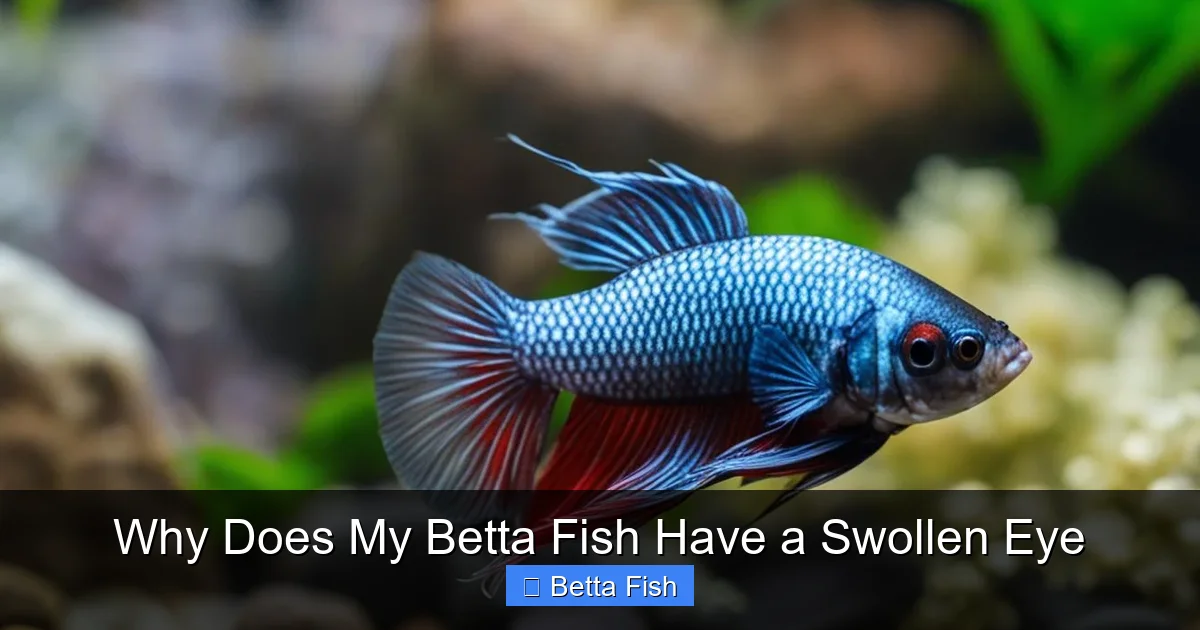
Visual guide about Why Does My Betta Fish Have a Swollen Eye
Image source: bettafishworld.com
What “swollen” really means
When we say the eye is swollen, we’re talking about inflammation or fluid buildup in the tissues surrounding the eye. This can make the eye look:
- Bulged or protruding
- Cloudy or milky
- Red or pinkish
- Covered with a thin layer of mucus
These changes happen because the body is reacting to an irritant, infection, or injury.
2. Common Causes of a Swollen Eye
2.1 Poor Water Quality
Betta fish are especially sensitive to ammonia, nitrite, and high nitrate levels. Bad water can irritate the delicate membranes around the eye, leading to swelling. Test your water weekly and keep parameters within these ranges:
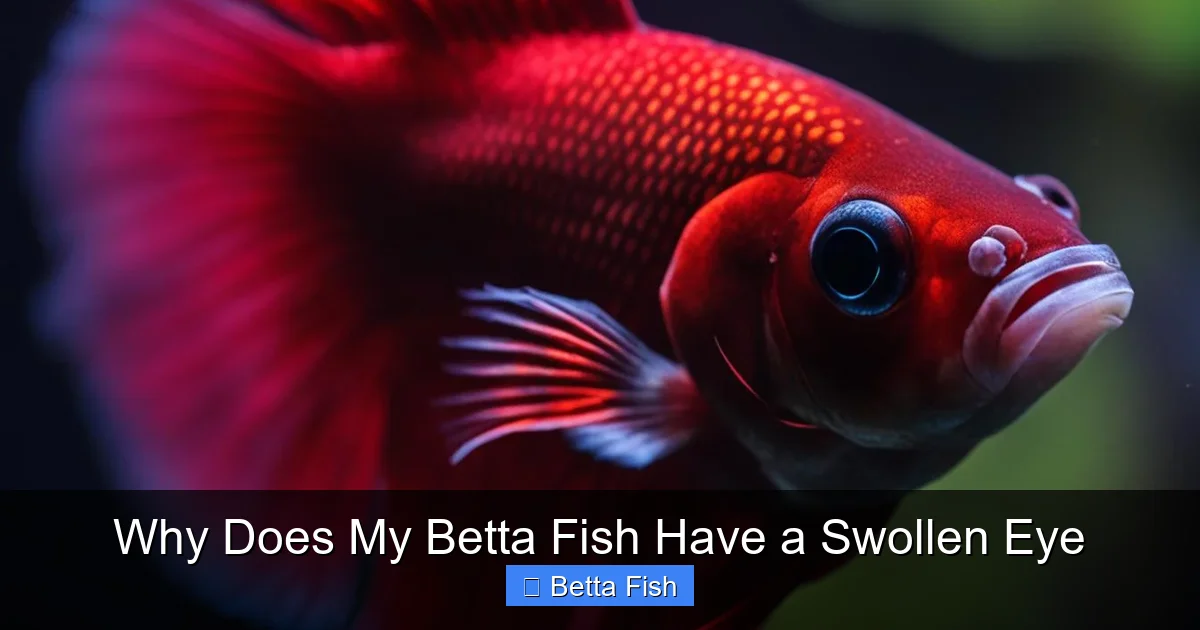
Visual guide about Why Does My Betta Fish Have a Swollen Eye
Image source: bettafishworld.com
- Ammonia: 0 ppm
- Nitrite: 0 ppm
- Nitrate: < 20 ppm
- pH: 6.5 – 7.5
If you’re wondering why does my betta fish have a swollen eye after a recent water change, the culprit is often a sudden shift in temperature or pH.
2.2 Bacterial or Fungal Infections
Pathogens such as Flavobacterium (bacterial) or Saprolegnia (fungal) love warm, stagnant water. An infection can start as a tiny scratch or a minor skin abrasion and quickly spread to the eye.
2.3 Physical Injury
Betta fish are territorial and may bump into tank decorations, glass, or even aggressive tank mates. A small cut near the eye can become inflamed, especially if the water isn’t clean.
2.4 Parasites
Protozoan parasites like Ichthyophthirius multifiliis (Ich) sometimes target the eye area, causing swelling and a “cotton‑wool” look.
2.5 Nutritional Deficiencies
A diet lacking essential vitamins—especially Vitamin C and A—weakens the immune system, making the eye more prone to swelling.
2.6 Environmental Stress
Rapid temperature changes, low oxygen, or bright lights can stress a betta and trigger eye inflammation.
3. Diagnosing the Problem: Steps to Take Immediately
3.1 Observe and Record
Write down when you first noticed the swelling, any recent changes (new décor, water change, diet), and any other symptoms like loss of appetite, fin rot, or bulging eyes.
3.2 Test Water Parameters
Use a reliable test kit. If ammonia or nitrite is above 0 ppm, perform a partial water change (25‑30 %) and re‑test.
3.3 Check for Additional Symptoms
Other signs that often accompany a swollen eye include:
- Bulging eyes (Why Are My Betta Fish S Eyes Bulging)
- Faded or white patches on the body (Why Is My Betta Fish Turning White)
- Fins looking shredded or frayed (Why Does My Betta Fish Fins Look Shredded)
3.4 Isolate the Fish
Move the betta to a hospital tank (2‑3 gallons) with clean, conditioned water. This prevents any pathogens from spreading and lets you treat the fish without stressing tank mates.
4. Treatment Options: From Home Remedies to Medication
4.1 Water Change and Conditioning
Start with a 50 % water change in the hospital tank. Use a water conditioner that removes chlorine, chloramine, and heavy metals. Maintain temperature at 78‑80 °F (25‑27 °C).
4.2 Antibacterial/Fungal Medications
If you suspect infection, add a broad‑spectrum medication such as Maracyn 2 (bacterial) or API Fungus Cure. Follow the label dosage—usually 1 mL per 5 g of fish weight, dissolved in the tank.
4.3 Salt Bath
A mild salt bath (½ teaspoon of aquarium salt per gallon) can reduce swelling and help kill parasites. Do not exceed 1 % salt concentration, and limit the bath to 30 minutes.
4.4 Vitamin Boost
Feed a high‑quality betta pellet supplemented with frozen or live foods (brine shrimp, daphnia). Adding a vitamin C supplement can speed recovery.
4.5 Monitoring Recovery
Check the eye daily. If swelling reduces within 48‑72 hours and the fish is eating, continue the treatment for the full recommended course. If no improvement, consider a vet visit or a more aggressive medication plan.
5. Prevention: Keeping Swollen Eyes Off the Checklist
5.1 Consistent Water Maintenance
Change 25 % of the water weekly, test parameters each time, and use a gentle filter to keep the water clear without creating strong currents.
5.2 Proper Tank Setup
Provide plenty of hiding spots (plants, caves) to reduce stress. Avoid sharp décor that could injure the eye.
5.3 Balanced Diet
Offer a varied diet: high‑protein pellets, occasional live or frozen foods, and a vitamin supplement once a week.
5.4 Temperature and Light Control
Use a heater to keep temperature stable and a timer for a 10‑hour light cycle. Too much light can stress the eyes.
5.5 Regular Health Checks
Inspect your betta’s eyes, fins, and scales weekly. Early detection of a small swelling can prevent a full‑blown issue.
6. When to Call in the Experts
If after 5 days the eye remains swollen, turns black, or the fish stops eating, it’s time to seek professional help. A fish‑savvy veterinarian can perform a microscopic exam and prescribe stronger antibiotics or anti‑parasitics.
Remember, a swollen eye is often a warning sign, not a death sentence. Quick action, clean water, and proper nutrition give your betta the best chance to bounce back.
Conclusion: A Clear Path Forward
Finding out why does my betta fish have a swollen eye can feel overwhelming, but the answer is usually simple: water quality, infection, or injury. By testing your water, isolating the fish, and applying the right treatment, you’ll see improvement within a few days. Keep up with regular tank maintenance, feed a balanced diet, and watch for other warning signs to keep those beautiful betta eyes sparkling for years to come.
Frequently Asked Questions
Why does my betta fish have a swollen eye after a water change?
Sudden changes in temperature, pH, or chlorine levels can irritate the eye membranes, causing swelling. Always use conditioned water and match the tank temperature.
Can a swollen eye be a sign of a more serious disease?
Yes. It can indicate bacterial, fungal, or parasitic infections that may spread to other parts of the body if left untreated.
Is it safe to use human eye drops on a betta?
No. Human medications are not formulated for fish and can be toxic. Use aquarium‑approved treatments instead.
How long does it take for a betta’s eye to heal?
With proper treatment, most swelling improves within 48‑72 hours, but complete healing may take 1‑2 weeks.
Should I feed my betta while its eye is swollen?
Yes, but offer easily digestible foods like soaked pellets or frozen brine shrimp to encourage eating.
Can I prevent eye swelling by adding an air pump?
Improved oxygenation helps overall health, but the primary prevention is clean water and stable parameters, not just an air pump.