What Causes Fin Rot in Betta Fish and How to Treat It

Fin rot is a common bacterial infection that damages your betta fish fins if left untreated. Poor water quality, stress, and injury are the main triggers you need to watch for. Understanding what causes fin rot in betta fish helps you prevent it and treat it fast. This guide covers the key causes, warning signs, and simple steps to restore your fish health. You will learn how to keep your tank clean and your betta thriving.
Watching your betta fish swim around with flowing fins is one of the best parts of keeping an aquarium. Those bright, colorful fins are a big part of what makes these fish so special. But when those fins start to look ragged, pale, or shorter than usual, it can be very worrying. Many new fish keepers panic and wonder if their fish will ever recover. The good news is that fin rot is treatable, and your betta can grow those beautiful fins back with the right care.
The first step to fixing the problem is understanding what causes fin rot in betta fish. This condition is not a single disease but rather a symptom of an underlying issue in the tank. Usually, harmful bacteria attack the fin tissue when the fish immune system is weak. By finding the root cause, you can stop the infection and prevent it from coming back. This guide will walk you through the main triggers, the warning signs, and the best ways to help your fish heal.
You do not need to be a fish expert to handle this problem. With some simple changes to your tank routine, you can create a safe space for your betta. We will cover everything from water quality to diet and tank setup. By the end, you will feel confident in protecting your fish and keeping those fins healthy for years to come.
Key Takeaways
- Water quality is critical: Dirty water with high ammonia or nitrites is the top cause of fin rot in bettas.
- Stress weakens immunity: Overcrowding, bad tank mates, and poor diet make fish more vulnerable to infection.
- Injury opens the door: Torn fins from sharp decor or fighting let bacteria enter and spread quickly.
- Early signs matter: Look for frayed edges, discoloration, and white spots before the damage worsens.
- Clean water heals: Regular water changes and a good filter create the best environment for fin regrowth.
- Diet supports recovery: Nutritious food boosts your betta immune system and speeds up healing.
- Prevention is easier: Test water often, avoid sharp objects, and keep your tank calm to stop fin rot before it starts.
📑 Table of Contents
Understanding What Causes Fin Rot in Betta Fish
Fin rot is one of the most common health issues betta owners face. It happens when bacteria eat away at the edges of the fins. The fins may look like they are melting or fraying. Over time, the damage can move closer to the body if you do not act fast. Knowing what causes fin rot in betta fish gives you the power to stop it early.
The main culprits are usually poor water conditions and stress. Betta fish come from shallow, warm waters in the wild. They need clean, stable water in captivity to stay healthy. When the water gets dirty, harmful bacteria multiply quickly. These bacteria attack the fins, especially if the fish is already stressed or injured.
Another big factor is the physical condition of the fins. Any tear or nick in the fin tissue gives bacteria a way in. This can happen from sharp decorations, rough handling, or fighting with other fish. Even a small scratch can turn into a serious infection if the water is not clean. That is why prevention is so important.
Poor Water Quality and Fin Rot
Dirty water is the number one reason bettas get fin rot. Fish live in the same water all day and night. They breathe it, swim in it, and eat in it. If that water has high levels of ammonia, nitrites, or nitrates, it burns the fish skin and fins. This damage weakens the natural protective layer of the fish.
When the protective layer is broken, bacteria like Aeromonas and Pseudomonas can invade. These are common bacteria that live in most tanks. In a clean tank, they do not cause problems. But in a dirty tank, they grow out of control and start eating the fin tissue. This is why regular water changes are so important for betta care.
You should test your water at least once a week. A simple test kit can tell you if your ammonia or nitrite levels are too high. If they are, do a partial water change right away. Clean water is the best medicine for preventing and treating fin rot.
Stress Factors That Trigger Infection
Stress is a silent killer in aquariums. When a betta is stressed, its immune system gets weak. A weak immune system cannot fight off bacteria as well. This makes the fish much more likely to get fin rot. There are many things that can stress a betta fish.
One common stressor is a tank that is too small. Bettas need enough room to swim and explore. If the tank is too tiny, the fish feels trapped and anxious. Another stressor is bad tank mates. Aggressive fish can chase and nip at the betta fins. This causes injury and stress at the same time.
Temperature swings are also a problem. Bettas are tropical fish that need warm water. If the water gets too cold, the fish metabolism slows down. This makes them more prone to illness. You should keep your tank at a steady temperature between 78 and 80 degrees Fahrenheit. A good heater and thermometer help a lot.
Noise and vibration can stress bettas too. Placing the tank in a busy hallway or near a loud speaker can make the fish nervous. Try to put the tank in a quiet, stable spot. A calm environment helps your betta stay healthy and happy.
Injury and Physical Damage
Physical injury is a direct path to fin rot. Even a small tear in the fin can become infected. Bettas have delicate fins that can easily catch on things. Sharp rocks, plastic plants with rough edges, and rough gravel are common hazards. Always check your tank decor for sharp points before putting it in the water.
Fighting is another cause of injury. Male bettas are very territorial. If you put two males together, they will fight and bite each other fins. This causes serious damage that can lead to rot. You should never house two male bettas in the same tank. If you want tank mates, choose peaceful fish that will not nip at fins.
Even rough handling during tank cleaning can hurt the fins. Be gentle when you move your fish or clean the gravel. Use a soft net and avoid pulling on the fins. Small care steps make a big difference in preventing injury and infection.
Diet and Immune System Health
What your betta eats affects how well it can fight disease. A poor diet leads to a weak immune system. If your fish does not get enough nutrients, its body cannot repair damaged fins or fight off bacteria. Feeding the same dry flakes every day is not enough for good health.
Bettas are carnivores in the wild. They need protein-rich foods to thrive. A good diet includes high-quality pellets, frozen foods like brine shrimp, and occasional treats. Variety is key. Different foods provide different vitamins and minerals that support overall health.
Overfeeding is also a problem. Too much food pollutes the water and causes digestive issues for the fish. Only feed what your betta can eat in a few minutes. Remove any leftover food right away. Clean water and good food work together to keep your fish strong.
Some keepers wonder if changing the diet can help with fin rot. The answer is yes. A better diet supports healing. You can read more about how food affects fin health in our guide on can changing a betta fish food help with fin rot.
Recognizing the Early Signs of Fin Rot
Catching fin rot early makes treatment much easier. The sooner you spot the problem, the faster you can fix it. Many keepers miss the early signs and wait until the fins are badly damaged. By then, the treatment takes longer. Learn to watch your fish closely every day.
The first sign is usually a change in the fin edges. Healthy fins look smooth and clear. With fin rot, the edges start to look white, fuzzy, or frayed. The fins may also look shorter than usual. This is because the tissue is breaking down. You might see the fins look like they are melting away.
Another sign is discoloration. The fins may turn pale, gray, or dark. Sometimes you will see red streaks near the base of the fins. This can mean the infection is spreading. Your betta may also act differently. It might hide more, swim less, or lose its appetite. These are all signs that something is wrong.
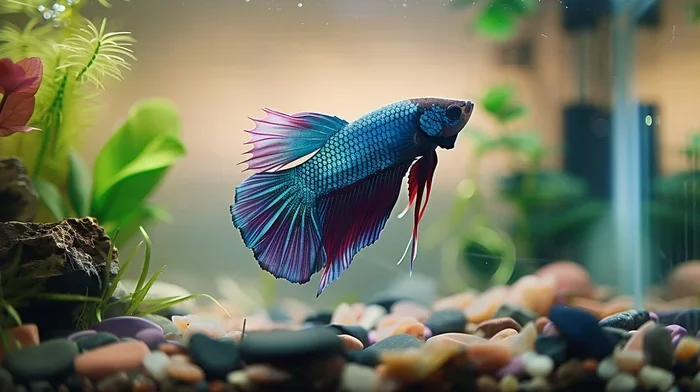
It is also good to know what healthy fins look like. Betta fins should be full and vibrant. They should not have holes, tears, or white spots. If you are unsure, compare your fish to pictures of healthy bettas. You can also learn more about do betta fish fins grow back after fin rot to understand the healing process.
How to Check Your Fish Daily
Make it a habit to watch your betta for a few minutes each day. Look at the fins from different angles. Use a flashlight if needed to see the edges clearly. Check for any new tears or color changes. Also, watch how your fish swims and eats.
A healthy betta is active and curious. It will swim around and explore the tank. If your fish is lying at the bottom or hiding all day, it may be sick. Check the water quality right away if you see these behavior changes. Daily checks help you catch problems before they get worse.
Effective Treatments for Betta Fin Rot
Once you know what causes fin rot in betta fish in your tank, you can start treatment. The goal is to kill the bacteria and create a clean environment for healing. Most cases of fin rot can be treated at home with simple steps. You do not always need strong medicine.
The first step is always a water change. Remove about 25 to 50 percent of the old water. Replace it with fresh, dechlorinated water that matches the tank temperature. This removes harmful bacteria and toxins. It also gives your fish a fresh start. Clean water is the foundation of all treatment.
Next, clean the tank thoroughly. Scrub the glass, rinse the filter, and remove any debris from the gravel. Do not use soap or chemicals. Just use hot water and a clean sponge. A clean tank reduces the bacterial load and helps the fish heal faster.
Water Quality Improvements
Improving water quality is the most important treatment step. Test your water again after the change. Make sure ammonia and nitrites are at zero. Nitrates should be below 20 ppm. If the levels are still high, do another water change. You may need to change the water every few days until the fish improves.
A good filter helps keep the water clean between changes. But make sure the filter flow is not too strong. Bettas prefer calm water. If the current is too high, it can stress the fish. You can adjust the filter output or add a baffle to slow the flow. Learn more about filtration in our article on do betta fish have to be in a filtered tank.
Medications and Salt Treatments
If clean water alone does not help, you may need medication. There are many fish-safe antibiotics and antifungal treatments available. Look for products that target gram-negative bacteria, which are the most common cause of fin rot. Follow the instructions on the bottle carefully.
Aquarium salt is another option. Salt helps reduce swelling and kills some bacteria. It also helps the fish produce a healthy slime coat. Use only aquarium salt, not table salt. Add the salt slowly over a few hours. Watch your fish closely to make sure it tolerates the salt well.
Always remove activated carbon from your filter when using medication. Carbon can absorb the medicine and make it less effective. Keep the tank dark during treatment if the medication requires it. Follow the full course of treatment even if the fish looks better. Stopping too early can let the infection come back.
Diet Support During Recovery
Good food helps your betta fight the infection. Feed small, frequent meals of high-quality food. You can also add a vitamin supplement to boost immunity. Some keepers use garlic-treated food to stimulate appetite. This can help if your fish is not eating well.
Do not overfeed during treatment. A sick fish has a slower digestion. Too much food can rot in the tank and make the water dirty. Remove any uneaten food after a few minutes. Clean water and good nutrition work together to speed up healing.
Preventing Fin Rot in the Future
Prevention is always better than cure. Once your betta recovers, take steps to keep fin rot from coming back. The same causes that started the problem can cause it again. A stable, clean tank is the best defense.
Set up a regular maintenance schedule. Change 20 to 30 percent of the water every week. Test the water parameters regularly. Clean the filter media in old tank water, not tap water. This keeps the beneficial bacteria alive while removing dirt. A consistent routine keeps the tank healthy.
Check your tank setup for hazards. Remove any sharp objects or rough decorations. Use smooth rocks and silk plants instead of plastic ones with hard edges. Make sure the gravel is smooth and easy to clean. A safe environment prevents injuries that can lead to infection.
Creating a Safe Tank Environment
A well-decorated tank is not just pretty. It also helps your betta feel secure. Add hiding spots like caves or plants. This reduces stress and gives the fish a place to rest. Live plants can also help improve water quality by absorbing nitrates.
Choose tank mates carefully. If you want other fish, pick peaceful species that will not nip fins. Avoid aggressive fish or fin nippers. You can learn more about compatible tank mates in our guide on can you put other fish in with a betta fish. A calm community tank is better for your betta health.
Regular Maintenance Routine
Stick to a simple maintenance routine. Vacuum the gravel during water changes to remove waste. Wipe the glass to remove algae. Check the heater and filter to make sure they are working. These small tasks take only a few minutes but make a big difference.
Keep a log of your water tests and changes. This helps you spot trends over time. If you notice ammonia rising, you can fix it before it hurts your fish. Consistency is the key to a healthy tank.
Monitoring Water Parameters
Test your water at least once a week. Use a liquid test kit for the most accurate results. Check ammonia, nitrite, nitrate, and pH. Keep a record of the numbers. This helps you understand how your tank is doing.
If you see any spikes, act fast. Do a water change and check your filter. Make sure you are not overfeeding. Small adjustments can keep the water stable. Stable water means a healthy betta.
Common Mistakes to Avoid
Many keepers make simple mistakes that lead to fin rot. Avoiding these errors can save your fish a lot of trouble. Here are some of the most common ones.
- Skipping water changes: Dirty water builds up toxins that harm fins.
- Using tap water without conditioner: Chlorine and chloramines kill beneficial bacteria and hurt fish.
- Overcrowding the tank: Too many fish create waste and stress.
- Ignoring temperature swings: Cold water weakens the immune system.
- Feeding poor quality food: A bad diet leads to weak immunity.
- Using sharp decor: Rough objects tear fins and cause injury.
Avoiding these mistakes is easy once you know what to watch for. A little attention goes a long way in keeping your betta healthy.
Expert Insights on Betta Fin Care
Experienced fish keepers agree that prevention is the best medicine. They recommend keeping a close eye on water quality and fish behavior. Many say that a stable tank is more important than perfect water numbers. Small fluctuations are normal, but big swings are dangerous.
Experts also stress the importance of quarantine. If you add new fish or plants, keep them separate for a few weeks. This prevents diseases from entering your main tank. It is a simple step that can save your whole aquarium.
Another tip is to avoid overcleaning. Scrubbing everything too hard can remove beneficial bacteria. These bacteria help keep the water safe. Clean gently and only when needed. A balanced approach is best for long-term health.
Conclusion
Understanding what causes fin rot in betta fish is the first step to keeping your fish healthy. Poor water, stress, injury, and bad diet are the main triggers. By fixing these issues, you can treat fin rot and prevent it from coming back. Clean water, a safe tank, and good food are the keys to success.
Watch your betta closely and act fast if you see any signs of trouble. Early treatment makes a huge difference. With consistent care, your betta can grow back its beautiful fins and live a long, happy life. Remember that a healthy fish is a happy fish. Keep learning, stay observant, and enjoy your aquarium.
Frequently Asked Questions
What are the first signs of fin rot in betta fish?
The first signs include frayed or melting fin edges, white or gray discoloration, and a shorter fin appearance. Your betta may also hide more or lose its appetite. Catching these signs early makes treatment much easier.
Can fin rot heal on its own?
Mild cases can heal if you improve the water quality and reduce stress. However, most cases need a water change and sometimes medication to clear the infection. Waiting too long can let the rot spread to the body.
How long does it take for betta fins to grow back?
Fin regrowth depends on the severity of the damage and the fish health. With clean water and good care, you may see new growth in a few weeks. Full recovery can take a month or more. You can read more about this in our guide on can betta fish heal from fin rot.
Does aquarium salt help with fin rot?
Yes, aquarium salt can help reduce swelling and kill some bacteria. It also supports the fish natural slime coat. Use it carefully and follow the proper dosage for your tank size.
Can I put my betta in tap water to treat fin rot?
No, you should never use untreated tap water. Chlorine and chloramines in tap water can harm your fish and kill beneficial bacteria. Always use a water conditioner to make tap water safe before adding it to the tank.
What water temperature is best for betta fish with fin rot?
Keep the water between 78 and 80 degrees Fahrenheit. Warm, stable water supports your betta immune system and helps it fight the infection. Avoid sudden temperature changes, as they can stress the fish further.