How to Acclimate Betta Fish
Acclimating your betta fish correctly is the single most important step to ensure its long-term health and survival. The safest and most effective method is the slow “drip acclimation,” which gradually adjusts the fish to your tank’s water parameters over 1-2 hours. Never simply dump the fish in, as sudden changes in temperature, pH, and mineral content can cause fatal shock. Patience during this process prevents stress, disease, and a shortened lifespan for your new aquatic pet.
You’ve done it. You’ve carefully chosen the perfect, vibrant betta fish with flowing fins that capture your heart. You’ve meticulously set up its new home—the tank is decorated, the filter is humming, and the heater is set to a toasty 78°F. Everything is ready for your new aquatic companion to arrive. But before you even think about that exciting moment of release, there is a critical, non-negotiable ritual you must perform: proper acclimation. This isn’t just a suggestion; it’s the bridge between a long, healthy life and a tragic, premature end. Getting this step wrong is, unfortunately, one of the most common reasons bettas die shortly after coming home. This guide will walk you through everything you need to know, from the science of why it matters to the precise, fail-safe steps of the drip acclimation method, ensuring your betta thrives from day one.
Key Takeaways
- Drip acclimation is non-negotiable: The slow drip method over 60-120 minutes is the gold standard for safely adjusting a betta to new water chemistry (pH, hardness, minerals), preventing lethal osmotic shock.
- Temperature matching comes first: Always float the sealed bag in the tank for 15-20 minutes to equalize temperature before starting any water exchange, preventing thermal shock.
- Never pour bag water into your tank: The water from the pet store contains unknown pathogens and ammonia; it must be discarded after acclimation, not added to your clean system.
- Patience prevents disease: Rushing the process is the #1 cause of post-purchase betta death. A slow transition reduces stress, bolstering the fish’s immune system against common illnesses like fin rot or velvet.
- Your tank must be fully cycled: Acclimation cannot fix a toxic tank. Ensure your aquarium has a complete nitrogen cycle (ammonia & nitrite at 0ppm) with stable parameters before adding any fish.
- Observe the betta closely: During and after acclimation, watch for signs of distress like frantic swimming, lying on the bottom, or clamped fins, which indicate a problem with the process or water quality.
- Post-acclimation care is critical: Keep lights off for 24 hours, avoid feeding for 24-48 hours, and monitor water parameters daily for the first week as the fish recovers from the move and adjusts.
📑 Table of Contents
- Why Acclimation Isn’t Optional: The Science of Shock
- The Drip Acclimation Method: The Gold Standard
- Common Acclimation Mistakes (And How to Avoid Them)
- After the Drip: The Critical First Week
- The Foundation: Your Tank Setup Matters More Than You Think
- Troubleshooting: What If Something Goes Wrong?
- Conclusion: Patience is the Ultimate Betta Care Skill
Why Acclimation Isn’t Optional: The Science of Shock
To understand the urgency of proper acclimation, you need to grasp what happens to a betta’s body when it’s moved. That little bag of water from the store is a completely different world from your pristine aquarium. The differences aren’t just minor; they are stark physiological barriers.
The Three Pillars of Water Chemistry
Every body of water has a unique signature defined by three key parameters: temperature, pH (acidity/alkalinity), and general hardness/mineral content (GH/KH). Your betta has spent its entire life in the store’s water, and its internal systems—its gills, skin, and kidneys—have adapted to that specific balance.
- Temperature Shock: This is the most immediate and obvious threat. A betta is a tropical fish. If the store water is 72°F and your tank is 78°F, dumping the fish in causes its metabolism to spike dangerously fast, leading to severe stress and organ failure. The reverse is equally true.
- pH Shock (Osmoregulation Crisis): This is the silent killer. pH measures how acidic or basic the water is. A sudden jump, for example from pH 6.5 to 7.8, wreaks havoc on the betta’s ability to regulate fluids and salts across its gills and skin (osmoregulation). Its body either floods with water or loses essential salts, causing cellular collapse. This process can take hours to manifest as the fish slowly shuts down.
- Hardness & Mineral Shock: The dissolved minerals (calcium, magnesium) in the water affect the betta’s internal chemistry. A rapid change forces its kidneys to work overtime to compensate, causing immense stress.
The goal of acclimation is to slowly introduce your betta to these new parameters, giving its body hours to adjust its internal systems in tandem with the external environment. Think of it like a human suddenly being dropped at the top of Mount Everest without oxygen—it’s a physiological impossibility to adapt instantly.
The Drip Acclimation Method: The Gold Standard
While the old “float the bag” method is better than nothing, it only addresses temperature. The drip acclimation method is the professional, foolproof technique that addresses all three pillars of water chemistry simultaneously. It requires minimal equipment and a little patience, but it yields the highest survival rate.
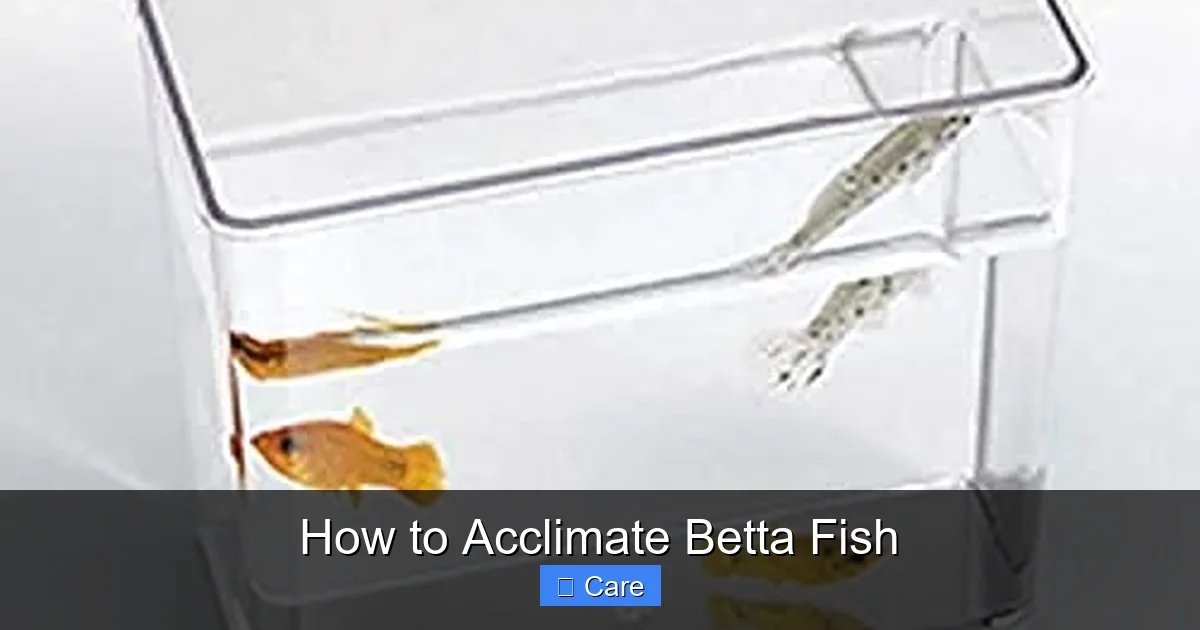
Visual guide about How to Acclimate Betta Fish
Image source: majesticfins.com
Essential Tools for Success
Gather these items before your betta arrives. Rushing to find them mid-process defeats the purpose.
- A clean, dedicated bucket or container: A 1-2 gallon bucket is ideal. It must be thoroughly rinsed with water only—never use soap or chemical cleaners, as residue is lethal.
- Airline tubing: A length of standard airline tubing (available at any aquarium store). About 3-5 feet is sufficient.
- A flow control valve or a simple knot: You need a way to create a very slow, steady drip. A dedicated drip valve is best, but you can also create a restrictive knot in the tubing.
- A clip or rubber band: To secure the tubing to the tank.
- The betta’s transport bag: Keep it sealed until you’re ready to begin.
Step-by-Step Drip Acclimation Guide
- Temperature Equilibration (The Float): Gently place the sealed bag, with the fish inside, into your aquarium. Let it float on the surface for 15-20 minutes. This allows the water inside the bag to slowly reach the same temperature as the tank water, preventing thermal shock. Do not open the bag yet.
- Transfer to the Bucket: After floating, carefully open the bag and gently pour the betta and its water into your clean, dedicated bucket. Try to transfer as much water as possible. The goal is to have the betta in the bucket with its original store water. Place the bucket next to the aquarium for the next step.
- Start the Drip: Submerge one end of your airline tubing in your aquarium. Start a siphon by sucking on the other end (be careful not to ingest tank water!). Once water is flowing, use your valve or a tight knot to restrict the flow to a slow, steady drip—about 1-2 drops per second. Secure the dripping end over the edge of the bucket so the water drips into the bucket containing your betta.
- The Waiting Game (60-120 minutes): Let the tank water slowly drip into the bucket. You are gradually diluting the store water with your tank water. Over the next 1-2 hours, the water parameters (pH, hardness, temperature) in the bucket will gently match those of your tank. The bucket’s water level will rise significantly. Do not remove any water from the bucket during this process.
- The Final Transfer: Once the bucket’s water volume has at least doubled (or ideally tripled) from the original bag amount, the acclimation is complete. Using a clean cup or net, gently scoop your betta from the bucket and transfer it directly into your aquarium. Do not pour any of the bucket water into your tank. Discard it safely.
- Post-Transfer Protocol: Immediately dim the lights or turn them off. Do not feed your betta for at least 24 hours, and possibly up to 48 hours. Its digestive system is stressed, and food will only foul the water. Simply observe. It may hide or rest on the bottom, which is normal.
Common Acclimation Mistakes (And How to Avoid Them)
Even with the best intentions, well-meaning betta owners can sabotage the process. Here are the critical errors to avoid.
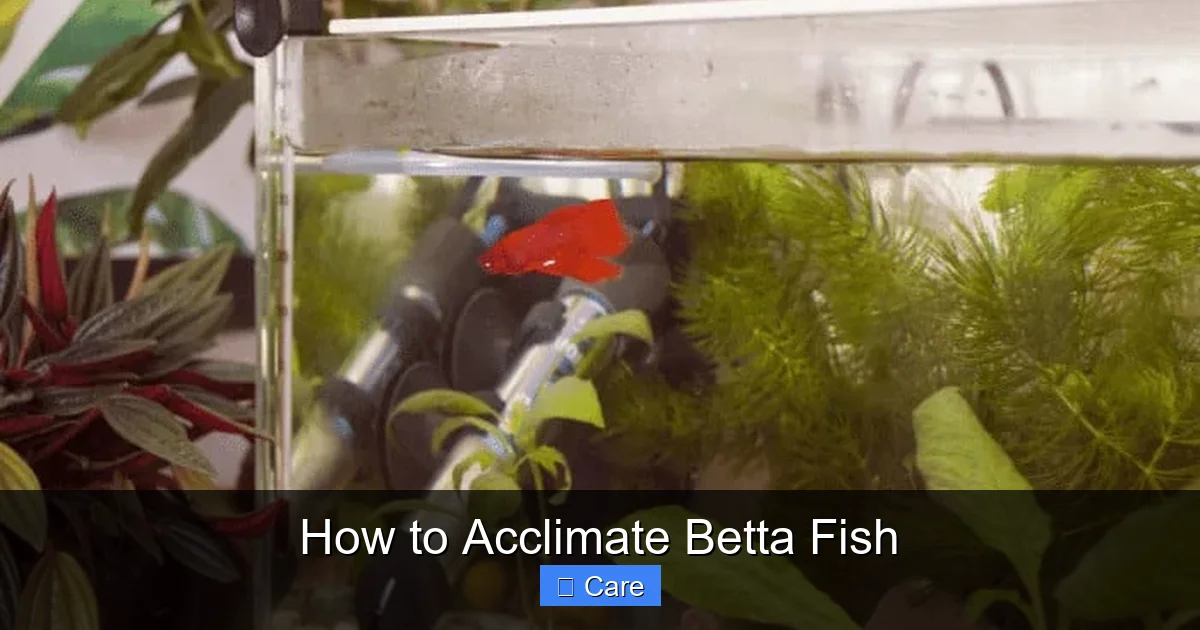
Visual guide about How to Acclimate Betta Fish
Image source: aquariumsphere.com
Mistake 1: The “Bag Dump”
This is the cardinal sin. Cutting open the bag and tipping the betta and its water directly into the tank is a guaranteed way to induce shock. The sudden change in water chemistry is too severe. Always use a drip or, at an absolute minimum, a very slow, partial water exchange in a separate container.
Mistake 2: The “Bag Float” Alone
Floating the bag for 15 minutes and then dumping the contents only solves the temperature problem. The pH and mineral content remain vastly different, leaving your betta vulnerable to osmotic shock hours later. Floating is step one of a multi-step process, not the entire process.
Mistake 3: Adding Store Water to Your Tank
The water from the pet store is a potential soup of pathogens, parasites, and high ammonia from the fish’s waste. Introducing it to your clean, cycled tank is like introducing a virus into a healthy population. The bucket water used for acclimation must be discarded, never added to your display tank.
Mistake 4: Rushing the Drip
Getting impatient and using a wide-open tube to speed up the process defeats the entire purpose. The drip must be painfully slow. If the flow is too fast, you are not giving the betta’s body time to adjust ion by ion. If you have to time the drops, aim for 1-2 per second. Slower is better.
Mistake 5: Acclimating to an Uncycled Tank
No amount of careful acclimation can save a betta from ammonia or nitrite poisoning. If your tank is not fully cycled (meaning beneficial bacteria are established to process fish waste), the moment your betta produces waste, toxic levels will spike and kill it. Use a liquid test kit (like API Freshwater Master Test Kit) to confirm 0ppm ammonia, 0ppm nitrite, and stable nitrates <10-20ppm before even bringing the fish home.
After the Drip: The Critical First Week
The acclimation process doesn’t end when the fish enters the tank. The first 72 hours are a period of extreme vulnerability. Your betta is recovering from a major stressful event and is immunocompromised.
Visual guide about How to Acclimate Betta Fish
Image source: fishtanko.com
Immediate Post-Introduction Care
- Lights Off: Keep the aquarium lights off for a full 24 hours. Bright light adds stress when the fish is already disoriented and weak.
- No Feeding: Withhold food for 24-48 hours. Its stomach may be upset, and uneaten food will decay, creating an ammonia spike in a tank with a delicate new bio-load. When you do feed, offer a tiny amount of high-quality food (e.g., a couple of soaked pellets or a few frozen daphnia).
- Minimize Disturbance: Avoid tapping on the glass, reaching into the tank, or making sudden movements near the aquarium. Let it be.
Monitoring for Signs of Stress or Illness
During this recovery period, be a detective. Normal behavior for a newly acclimated betta might include:
- Hiding in plants or decorations for the first day.
- Resting on the bottom or a broad leaf (this is normal for bettas, but prolonged lethargy is not).
- Faded colors (stress can cause temporary color loss).
Warning signs that require immediate action:
- Frantic, darting swimming or crashing into decorations (sign of severe neurological shock or poor water quality).
- Lying on its side at the bottom and not moving (a very bad sign).
- Clamped fins (fins held tightly to the body) for more than a few hours.
- Rapid gill movement or gasping at the surface (indicates low oxygen or toxic water).
- White spots (Ich), a gold dust appearance (Velvet), or cotton-like growths (Fungus).
If you observe severe distress, immediately test your water parameters. A small (25%) water change with properly conditioned, temperature-matched water can sometimes help, but prevention through proper acclimation is always the best cure.
The Foundation: Your Tank Setup Matters More Than You Think
You cannot acclimate a betta into a subpar environment and expect success. The acclimation process is the final step in a chain that begins with tank setup. A proper home makes the transition smoother.
Essential Tank Requirements for a Betta
- Size: A minimum of 5 gallons. While they survive in cups, a 5+ gallon heated, filtered tank is the standard for a healthy life. It provides stable water parameters, which is crucial for acclimation.
- Heater: Non-negotiable. Bettas require a stable temperature between 78-80°F. A small, adjustable heater with a thermostat is essential. Temperature stability during acclimation and beyond is vital.
- Filter: A gentle filter is best. Strong currents tire bettas and damage their long fins. Sponge filters or adjustable hang-on-back filters are excellent choices. A filter establishes the beneficial bacteria needed for a cycled tank.
- Water Conditioner: You must use a dechlorinator (like Seachem Prime) on all water added to the tank, including during acclimation drips and future water changes. Chlorine and chloramines in tap water are instantly fatal.
- Hiding Spots & Plants: Provide silk or live plants, caves, and decorations. Betta are intelligent and need security. A stressed betta with nowhere to hide will have a much harder time recovering from the move.
The Cycle is Your Safety Net
Before you even consider buying a betta, you must cycle your tank. This 4-6 week process establishes a colony of beneficial bacteria that consumes toxic fish waste (ammonia and nitrite). A cycled tank has a biological filter that protects your fish. You cannot cycle a tank with a betta inside. Use a water test kit to monitor the cycle. Only when you see ammonia and nitrite consistently read 0ppm, with nitrates present (and being managed by water changes), is the tank safe for your new fish. Acclimating into an uncycled tank is a death sentence, regardless of the method used.
Troubleshooting: What If Something Goes Wrong?
Even with careful planning, issues can arise. Here’s how to handle common problems during and after acclimation.
The Betta is Lethargic or Hiding Constantly After 48 Hours
First, test your water. This is always step one. If parameters are good (0/0/stable), it may simply be a shy or stressed personality. Ensure there are adequate hiding places. Keep lights low. Some bettas take a week to feel secure and begin exploring. Continue to monitor.
The Betta is Frantic or Gasping at the Surface
This is an emergency sign of poor water quality or low oxygen. Immediately test for ammonia and nitrite. If either is above 0ppm, you have a problem with your cycle or an overstocked tank. Perform a 25-50% water change with properly conditioned, temperature-matched water. Check your filter is running and not clogged. Ensure the surface agitation isn’t too violent (betta’s labyrinth organ needs access to air).
I Made a Mistake and Dumped the Fish In! Is All Lost?
Don’t panic, but act quickly. Immediately perform a 50% water change with water that matches the tank’s temperature and chemistry. This dilutes the shock. Turn off lights. Do not feed. Monitor the fish obsessively for the next 24 hours. You may have gotten lucky if the parameter difference wasn’t extreme, but you have significantly increased its risk of stress-induced disease. Be prepared for possible fin rot or ich in the coming weeks and treat early if needed.
Conclusion: Patience is the Ultimate Betta Care Skill
Acclimating a betta fish is not a task to rush through while distracted. It is a deliberate, gentle ritual that honors the fragility and resilience of these magnificent creatures. By committing to the drip acclimation method, you are directly investing in the future health, vibrancy, and lifespan of your new pet. You are building a foundation of trust and stability in its new home. Remember the core principles: match the temperature first, then use the slow drip to match chemistry, never introduce store water, and always ensure your tank is fully cycled and properly equipped. The extra hour of careful dripping is a tiny price to pay for years of watching your betta flare at its reflection, build bubble nests, and glide gracefully through its planted sanctuary. You’re not just adding a fish to a tank; you’re welcoming a living being into your care. Do it right, and you’ll be rewarded with a captivating companion that brings a splash of personality and color to your world for years to come.
Frequently Asked Questions
Can I acclimate a betta fish by just floating the bag in the tank?
No. Floating the bag only equalizes temperature. It does nothing to adjust pH or mineral content, leaving your betta at high risk for osmotic shock. The bag must be opened and the fish transferred to a container for a slow drip acclimation to safely match all water parameters.
How long should the drip acclimation process take?
Aim for at least 60 minutes, and up to 120 minutes for maximum safety. The goal is to slowly triple the volume of water in the acclimation container with your tank water. The drip should be extremely slow—about 1-2 drops per second.
What if my betta is stressed during the drip process?
Some initial stress is normal. However, if the betta is frantically trying to jump out or is lying motionless at the bottom, stop the drip immediately. Ensure the container is stable and covered (betta can jump). Let it rest for 10 minutes, then resume the drip even slower. Extreme distress may indicate your tank parameters are too far from the store’s, requiring an even longer, gentler drip.
Should I feed my betta right after acclimation?
No. Do not feed for at least 24 hours, and preferably 48 hours. The fish’s digestive system is stressed from the move, and feeding will only produce waste in a tank that is just now handling a new bio-load. Offer a tiny amount of food on the second or third day.
My tank is cycled, but my pH is 8.2 and the store’s was 6.5. Is drip acclimation still safe?
Yes, that is precisely why drip acclimation is critical. A difference that large is extremely dangerous. The slow drip allows the betta’s body to adjust its internal chemistry to the new pH over hours. A sudden change would be fatal. Ensure your drip is very slow (closer to 1 drop per second) and consider extending the acclimation time to 2 hours.
Can I use the water from the pet store bag in my tank?
Absolutely not. That water contains fish waste (ammonia), potential pathogens, and bacteria from the store environment. It is a contaminant. The entire purpose of drip acclimation in a separate container is to keep this foreign water out of your clean, cycled aquarium. Always discard the acclimation bucket water.