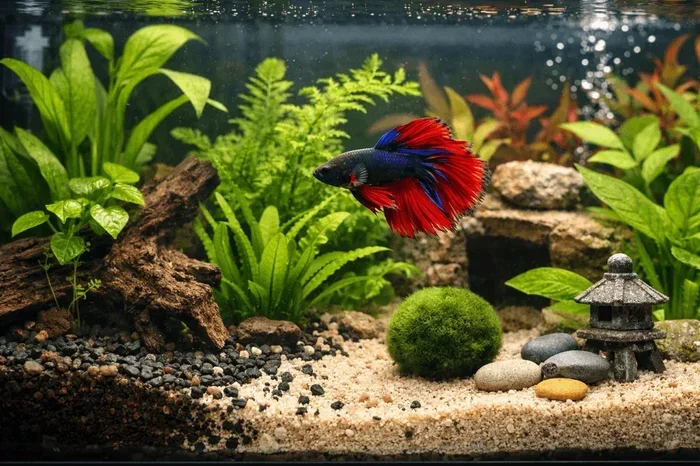
What Water for Betta Fish Best Choice for Healthy Fish

Choosing the right water is one of the most important steps in caring for your betta fish. Many new owners wonder what water for betta fish works best, and the answer depends on safety, stability, and proper treatment. You do not need expensive bottled options if you understand how to prepare and maintain your tank water correctly. This guide breaks down every common water type so you can make a smart, confident choice for your fish.
If you just brought home a beautiful betta fish, you probably asked yourself a very common question right away. What water for betta fish should you use in the tank? It sounds simple, but the answer matters a lot. Water quality affects everything from your fish color to its energy level and long-term health. The good news is that you do not need a complicated setup to get started. You just need to understand the basics and make a few smart choices.
Many beginners feel overwhelmed by all the bottled water options, conditioners, and conflicting advice online. Some people say tap water is fine. Others swear by spring water. A few even recommend distilled water. So which one is actually best? The truth is that several water types can work well if you handle them correctly. In this guide, I will walk you through the most common choices, explain the pros and cons, and help you avoid the mistakes that cause stress for your fish.
By the end of this article, you will know exactly how to prepare safe water, what to test, and how to keep your betta tank stable. Let’s dive in and make fish care a lot easier.
Key Takeaways
- Tap water works well when you treat it with a reliable conditioner to remove chlorine and chloramine.
- Spring water can be a good option if you test it first and confirm it does not contain harmful additives.
- Distilled water lacks essential minerals, so you must remineralize it before using it in your tank.
- Water temperature matters because bettas thrive in warm, stable conditions between 76 and 82 degrees Fahrenheit.
- Regular water changes keep your tank healthy and prevent toxic buildup over time.
- Testing your water helps you catch pH, hardness, and ammonia issues before they harm your fish.
- Consistent maintenance matters more than the exact water source you choose.
📑 Table of Contents
Best Water Choices for Your Betta Fish Tank
When people search for what water for betta fish to use, they usually want a clear, simple answer. The best choice is the one that is safe, consistent, and easy for you to maintain. For most hobbyists, treated tap water is the most practical option. It is affordable, easy to access, and works very well once you remove harmful chemicals. The key is to understand what is in your water and how to make it fish-friendly.
Bettas come from warm, slow-moving waters in Southeast Asia. They do best in clean water with a stable temperature and low toxins. They do not need fancy bottled water to thrive. They need good water management. That means you should focus on removing chlorine, monitoring ammonia, and keeping the temperature steady. If you can do that, your fish will have a much better chance of staying healthy and active.
Here are the most common water sources for betta tanks:
- Tap water after proper treatment
- Spring water with consistent mineral content
- Distilled water when remineralized correctly
- Reverse osmosis water if you remineralize it carefully
- Filtered water from a reliable pitcher or system
Each option has its place, but the safest approach is to test and treat before adding water to your tank. Let’s look at the most popular choices in more detail.
Tap Water and How to Make It Safe
Tap water is the easiest option for most people, and it can be an excellent choice when you prepare it correctly. The main concern is that municipal water often contains chlorine or chloramine. These chemicals kill harmful bacteria in drinking water, but they can also hurt your fish. That is why you should never add untreated tap water directly to a betta tank.
A good water conditioner solves this problem quickly. It neutralizes chlorine, chloramine, and sometimes heavy metals. Many conditioners also help protect your fish’s slime coat. If you want to learn more about treating tap water safely, you can read this guide on using tap water for your betta fish. It explains what to look for and how to handle common water issues.
Another helpful step is to check whether your local water supply uses chloramine instead of chlorine. Chloramine is more stable and can be harder to remove. A quality conditioner usually handles both, but it helps to know what you are dealing with. You can also see whether regular tap water is suitable when it is treated properly.
Quick tips for using tap water:
- Use a trusted water conditioner every time you add new water.
- Let the water reach the right temperature before it goes into the tank.
- Test your tap water occasionally for pH and hardness.
- Avoid using hot water from the tap because it may contain more metals from pipes.
Spring Water and Bottled Water Options
Spring water is another option that many betta owners consider. It often has a stable mineral profile and may not need as much conditioning as tap water. However, not all bottled water is the same. Some brands add minerals back in, while others strip them out. That is why it helps to read the label and test the water if you plan to use it regularly.
If you want to compare bottled options, you may find it useful to explore spring or distilled water for betta fish. This can help you understand the differences before you buy. Spring water can work well, but consistency matters. If one bottle differs from the next, your tank parameters may shift too much.
Some hobbyists also ask about specific brands. For example, you might wonder about Poland Spring water for betta fish or other popular bottled waters. The answer usually depends on the mineral content and whether the water is pure spring water or treated drinking water. Always check the label and avoid products with strange additives.
Things to remember with bottled water:
- Check the label for added minerals, flavors, or treatments.
- Test pH and hardness if you use bottled water often.
- Keep your source consistent so your tank does not swing wildly.
- Do not assume bottled water is automatically safer than treated tap water.
Distilled Water and Mineral Needs
Distilled water is very pure, but that purity can actually create a problem for fish. It usually lacks the minerals that help stabilize pH and support healthy water chemistry. If you use distilled water alone, your tank may become too soft or unstable. That does not mean distilled water is useless. It just means you need to handle it carefully.
If you choose distilled water, you should remineralize it before adding it to your tank. That means adding the right minerals back in so the water has a stable structure. This approach can be useful if your tap water is poor quality or if you want more control over your tank parameters. Still, it is not the easiest option for beginners.
You can learn more about whether reverse osmosis water works for betta fish if you want to compare purified options. Both distilled and reverse osmosis water can work, but they require extra steps. If you want a simpler routine, treated tap water or consistent spring water may be a better fit.
Key points for distilled water:
- Do not use it straight from the container without remineralization.
- Track your pH and hardness closely if you use purified water.
- Make sure you understand the mineral balance your betta needs.
- Keep things simple if you are new to fish care.
Water Temperature and Stability Matter Just as Much
When you think about what water for betta fish to choose, do not focus only on the source. Temperature and stability are just as important. Bettas are tropical fish, and they prefer warm water that stays steady. Sudden changes can stress them out and weaken their immune system. That is why a good heater and a reliable thermometer are so helpful.
Most bettas do well in a range of 76 to 82 degrees Fahrenheit. The exact ideal temperature can vary a little depending on the fish and the tank setup, but consistency matters more than chasing a perfect number. If the water gets too cold, your fish may become sluggish. If it gets too hot, oxygen levels can drop and stress can increase. You can read more about temperature risks in this article on whether water can be too hot for betta fish.
You should also pay attention to cold water risks. A tank that is too chilly can slow your fish down and make it more vulnerable to illness. If you want to understand those dangers better, check out whether water can be too cold for betta fish. Keeping the temperature in a safe range is one of the easiest ways to support long-term health.
How to Keep Temperature Stable
Stable temperature starts with a good heater and a tank that is not too small. Very tiny bowls or containers often swing in temperature too quickly. A larger tank usually holds heat more steadily. It also gives you more room to maintain clean water, which matters a lot for betta health.
Here are a few simple ways to improve stability:
- Use a heater sized correctly for your tank.
- Place the tank away from direct sunlight and drafts.
- Check the temperature regularly with a reliable thermometer.
- Match new water to tank temperature before adding it.
- Avoid moving the tank to places with big temperature swings.
Water Quality, Testing, and Maintenance
Good water is not just about the source. It is also about how clean and balanced it stays over time. Ammonia, nitrite, and nitrate can build up if you do not maintain the tank properly. Even safe water can become dangerous if waste accumulates. That is why routine care matters so much.
Testing your water helps you see what is happening before your fish shows signs of stress. A basic test kit can tell you a lot about pH, hardness, ammonia, and nitrate levels. If you are unsure whether your betta needs special water, you might find it helpful to read whether betta fish need special water. In many cases, the real secret is consistent maintenance rather than a rare or expensive water source.
Water changes are one of the most important habits you can build. They remove waste, refresh minerals, and keep the environment stable. If you have ever skipped too many changes, you may have noticed cloudy water, dull color, or less activity from your fish. If you want to understand what happens when water sits too long, this post on not changing betta fish water for a month can show why regular care matters.
Simple Maintenance Habits That Help
You do not need a complicated routine to keep water in good shape. A few steady habits can make a huge difference. The goal is to keep the tank clean without causing stress for your fish. Small, regular changes are usually better than rare, massive cleanups.
Helpful maintenance tips:
- Change a portion of the water on a regular schedule.
- Vacuum debris from the substrate gently.
- Rinse filter media in old tank water, not tap water.
- Remove uneaten food before it breaks down.
- Test water parameters occasionally so you catch problems early.
Common Water Mistakes to Avoid
Even experienced fish keepers can make water mistakes, and beginners often run into the same issues. The good news is that most of these problems are easy to prevent once you know what to watch for. Here are some of the most common mistakes people make when choosing what water for betta fish to use.
One big mistake is adding untreated tap water straight into the tank. Another is assuming bottled water is automatically better without checking the label. Some owners also forget to match temperatures, which can shock the fish. Others ignore testing and only act when the fish already looks sick. These issues are avoidable with a little planning.
Mistakes That Can Stress Your Betta
Here are a few frequent errors and how to avoid them:
- Skipping conditioner: Always treat tap water unless you know it is safe for fish.
- Using inconsistent water sources: Switching randomly between tap, spring, and distilled water can destabilize your tank.
- Ignoring temperature: Cold or hot water shocks can weaken your fish quickly.
- Overcleaning or undercleaning: Both can cause problems, so aim for a balanced routine.
- Forgetting to test: Visual clarity does not always mean the water is safe.
If you want to avoid one of the most common beginner errors, make sure you understand how to handle tap water correctly. You can also look at using tap water conditioner for betta fish for a clearer picture of how treatment works.
Choosing the Right Water for Your Setup
The best water choice depends on your situation. If you have reliable tap water and a good conditioner, that may be all you need. If your tap water is inconsistent or heavily treated, spring water or another purified option might make more sense. If you enjoy testing and fine-tuning, remineralized distilled or reverse osmosis water can give you more control.
A simple comparison can help you decide:
- Tap water: Affordable, easy, and practical when treated.
- Spring water: Often stable, but check the label and keep the source consistent.
- Distilled water: Very pure, but needs remineralization.
- Reverse osmosis water: Highly controlled, but requires remineralization and planning.
- Filtered pitcher water: Can be convenient, but results depend on the filter and source water.
If you are wondering whether you can use a specific product, it helps to check the details rather than guess. For example, some owners ask about Brita water for betta fish, while others want to know about bottled water for a betta fish tank. The right answer usually depends on what is in the water and whether it stays stable in your tank.
You may also want to consider how much control you want. Some hobbyists like the simplicity of treated tap water. Others prefer bottled options because they want fewer unknowns. Both approaches can work. What matters most is that your water is safe, stable, and maintained regularly.
A Practical Decision Checklist
Before you choose your water source, ask yourself a few simple questions:
- Is my water source easy to access consistently?
- Do I know whether it contains chlorine or chloramine?
- Am I willing to test pH, hardness, and pollutants?
- Can I keep the temperature steady in my tank?
- Do I have a conditioner or remineralization plan if needed?
If you can answer those questions confidently, you are already ahead of many beginners. The goal is not to find a perfect water type. The goal is to find a safe routine you can repeat without stress.
Final Thoughts on What Water for Betta Fish Works Best
So, what water for betta fish should you use? The best answer is the water you can keep safe, stable, and clean over time. Treated tap water is a strong choice for many people. Spring water can work well when it is consistent. Distilled or purified water can also work if you remineralize it properly. No matter which source you pick, conditioning, temperature control, and regular maintenance matter just as much as the label on the bottle.
Your betta does not need fancy water. It needs a healthy environment. That means low toxins, steady warmth, and good care habits. If you test your water, treat it when needed, and stay consistent, you give your fish a much better chance to thrive. Keep things simple, stay observant, and build a routine that works for your schedule. That is the real secret to a happy betta tank.
Frequently Asked Questions
Can I use tap water for my betta fish?
Yes, you can use tap water if you treat it with a proper conditioner to remove chlorine or chloramine. It is one of the most common and practical choices for betta tanks. Just make sure the water is the right temperature before adding it.
Is spring water safe for betta fish?
Spring water can be safe if it is pure and consistent, but you should still check the label and test it when possible. Some spring water products have mineral content that works well, while others vary too much. Consistency is the key when using bottled water.
Can I use distilled water in a betta tank?
You can use distilled water, but not on its own because it usually lacks important minerals. It needs remineralization before it goes into the tank. If you want an easier routine, treated tap water or consistent spring water may be better.
Do betta fish need special water?
Betta fish do not necessarily need special water, but they do need clean, treated, and stable water. The most important thing is removing toxins and keeping temperature steady. Good maintenance often matters more than the type of water you buy.
How often should I change the water in a betta tank?
You should change part of the water regularly instead of waiting until the tank looks dirty. Regular water changes help remove waste and keep parameters stable. The exact schedule depends on your tank size, filter, and feeding habits.
What temperature is best for betta fish water?
Betta fish usually do best in warm water around 76 to 82 degrees Fahrenheit. Stable temperature matters more than chasing a perfect number. Avoid sudden changes because they can stress your fish quickly.