Can Goldfish Eat Betta Fish Food
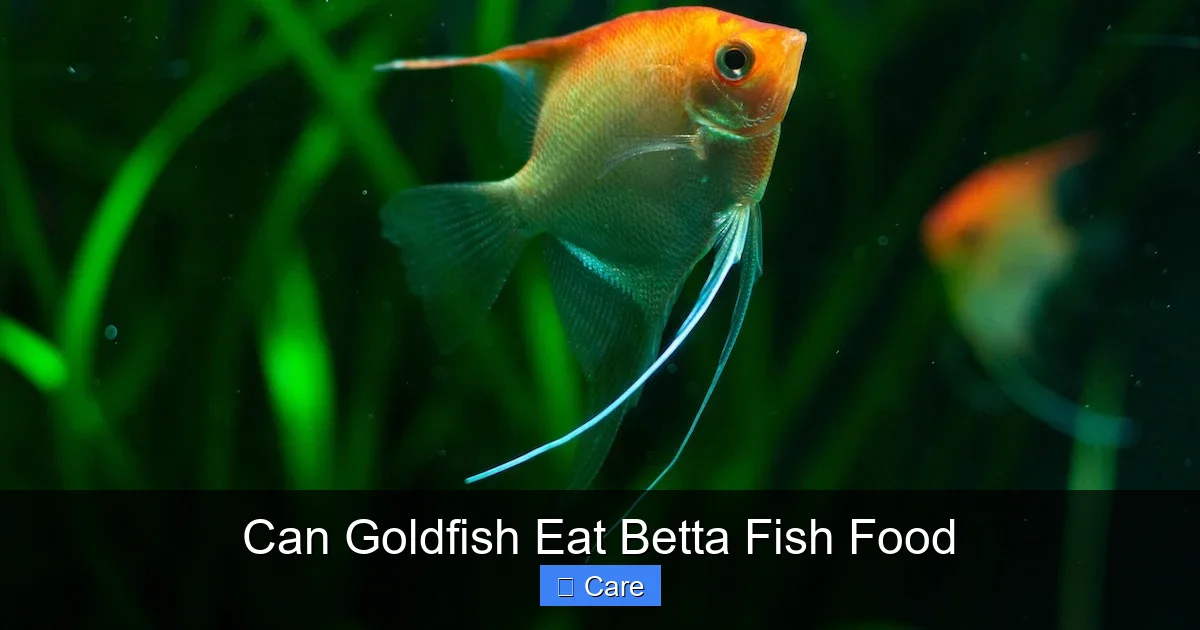
While goldfish can technically consume betta fish food, it is not suitable for their long-term health. Betta food is formulated for carnivorous bettas and is excessively high in animal protein and fat, while goldfish are omnivores requiring a diet rich in carbohydrates and plant matter. Regularly feeding betta food to goldfish can lead to severe digestive issues, swim bladder disease, and poor water quality. For optimal health, goldfish need a staple diet of high-quality goldfish-specific pellets or flakes supplemented with safe vegetables and occasional protein treats.
Hey there, fellow fish enthusiast! Have you ever looked at your shimmering goldfish and your flamboyant betta and thought, “Hmm, could they just share the same food?” It’s a common question that pops up for many aquarium hobbyists, especially if you’re looking to simplify or save a few bucks. The short answer is: yes, a goldfish can physically eat betta fish food. But the critical, life-changing answer for your goldfish’s health is a resounding no, they should not eat it regularly. Think of it like feeding a marathon runner a diet consisting only of steak and butter. They could chew it, but their body would revolt. Let’s dive deep into the “why” behind this, so you can keep your goldfish thriving for years, not struggling.
Key Takeaways
- Nutritional Mismatch: Betta food is high-protein (40-50%) and high-fat, designed for a strict carnivore. Goldfish food is lower in protein (20-30%) and higher in carbohydrates, with added spirulina and vegetable matter for an omnivore’s needs.
- Digestive System Differences: Goldfish have a long, convoluted intestinal tract suited for digesting plant material. A high-protein diet is difficult to process, leading to constipation, blockages, and a swollen, inflamed digestive system.
- Swim Bladder Risk: The excess protein and fat from betta food are a primary dietary cause of swim bladder disorder in goldfish, causing them to float uncontrollably, sink, or swim upside down.
- Water Quality Hazard: Uneaten betta food, rich in animal protein, decomposes rapidly, producing toxic ammonia and nitrites much faster than goldfish food, polluting the tank and stressing fish.
- Occasional vs. Regular: A single, tiny pinch of betta food as a rare treat is unlikely to cause immediate harm, but it should never replace a proper goldfish diet. Consistent feeding is harmful.
- Better Alternatives Exist: For protein treats, use options like daphnia, brine shrimp, or bloodworms (in moderation). For daily staples, choose high-quality sinking pellets or flakes formulated specifically for goldfish.
- Observe Your Fish: Watch for signs of digestive distress: stringy feces, lethargy, loss of appetite, or abnormal swimming. These indicate a dietary problem that needs immediate correction.
📑 Table of Contents
- The Nutritional Divide: Betta Food vs. Goldfish Food
- Goldfish Digestion: Built for Carbs, Not Protein
- The Hidden Dangers: From Swim Bladder to Sickly Tanks
- Crafting the Perfect Goldfish Diet: What They Actually Need
- Safe Alternatives and Occasional Treats to Betta Food
- Conclusion: Prioritizing Your Goldfish’s Health Over Convenience
The Nutritional Divide: Betta Food vs. Goldfish Food
To understand why sharing is not caring in this scenario, we need to peek inside the bags. Fish food isn’t just generic flakes; it’s a carefully engineered diet for a specific animal’s biology. Betta fish (Siamese fighting fish) are obligate carnivores in the wild, surviving on a diet of insects, larvae, and tiny crustaceans. Their commercial food reflects this.
Betta Food: A Carnivore’s Feast
High-quality betta pellets or frozen foods are protein powerhouses. They typically contain 40-50% protein and a significant amount of fat (8-15%). The primary ingredients are often fish meal, shrimp meal, krill, and squid. This dense, meaty formulation fuels their high metabolism, aggressive temperament, and spectacular fin growth. Some betta foods even include color-enhancing pigments like astaxanthin to make their reds and blues pop. The food is usually designed to float or sink slowly, mimicking the movement of prey at the water’s surface where bettas like to feed.
Goldfish Food: The Omnivore’s Balance
Goldfish, in their natural pond and river habitats, are opportunistic omnivores. They scavenge algae, plant matter, detritus, insects, and small crustaceans. Their commercial food is built around this varied diet. Standard goldfish pellets or flakes typically have a protein content of 20-30%, with a higher carbohydrate content from wheat flour, soybean meal, and rice. Crucially, they are fortified with spirulina algae, vegetable extracts, and sometimes wheat germ. This provides essential fiber, vitamins (like Vitamin C for immunity), and minerals for healthy digestion and vibrant color. The formulation supports their slower metabolism and long, complex gut.
Practical Example: Check the labels next time you’re at the store. A typical betta pellet ingredient list might start with “Fish Meal, Shrimp Meal, Krill Meal.” A goldfish pellet will often start with “Wheat Flour, Soybean Meal, Fish Meal,” with spirulina and vegetable matter listed prominently. This first-three-ingredient rule tells you the foundational purpose of the food.
Goldfish Digestion: Built for Carbs, Not Protein
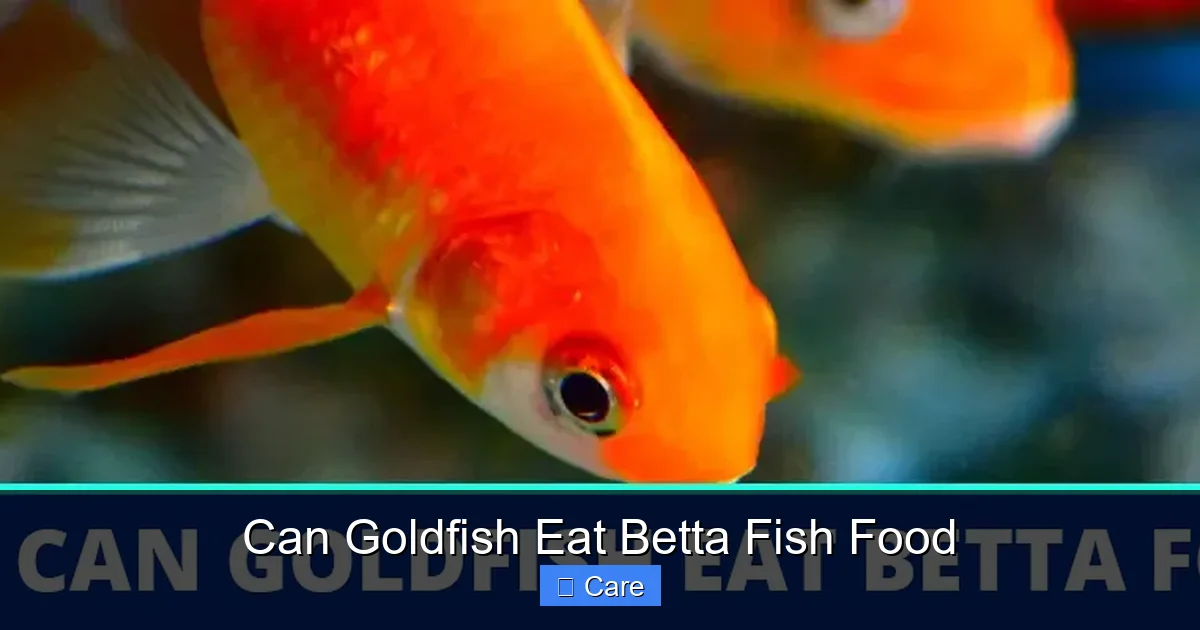
This is the core of the problem. A goldfish’s digestive anatomy is fundamentally different from a betta’s. Imagine a goldfish’s intestinal tract as a long, winding country road designed for slow-moving, fibrous plant material. A betta’s tract is more like a short, direct highway built for the rapid processing of easily digested animal protein.
Visual guide about Can Goldfish Eat Betta Fish Food
Image source: vivofish.com
The Goldfish Gut: A Fiber-Friendly Factory
Goldfish possess a relatively long and convoluted intestine. This length allows for extended fermentation and breakdown of tough cellulose from plants and algae. A diet rich in fiber promotes healthy gut bacteria, regular bowel movements, and efficient nutrient absorption. Their system is not primed to handle the dense, fatty load of an all-meat diet.
What Happens When You Feed Betta Food?
When a goldfish consumes high-protein, high-fat betta food, several things go wrong:
- Slowed Transit Time: The food is harder for their system to break down, causing it to move sluggishly through the long intestine.
- Constipation & Blockages: This sluggishness leads to dry, hard feces. Severe cases result in intestinal impaction, a life-threatening blockage.
- Digestive Inflammation: The undigested protein can ferment and irritate the intestinal lining, causing swelling and reducing nutrient uptake. You might see stringy, clear or white feces hanging from the fish—a classic sign of poor digestion or internal infection.
Tip: If you’ve accidentally overdone the betta food, a common remedy is feeding a small piece of blanched, skinned green pea. The pea acts as a natural laxative and can help clear the system. However, prevention is always the best medicine.
The Hidden Dangers: From Swim Bladder to Sickly Tanks
The consequences of a mismatched diet extend far beyond a simple tummy ache. Two major areas of concern are your fish’s physical health and the entire ecosystem of your aquarium.
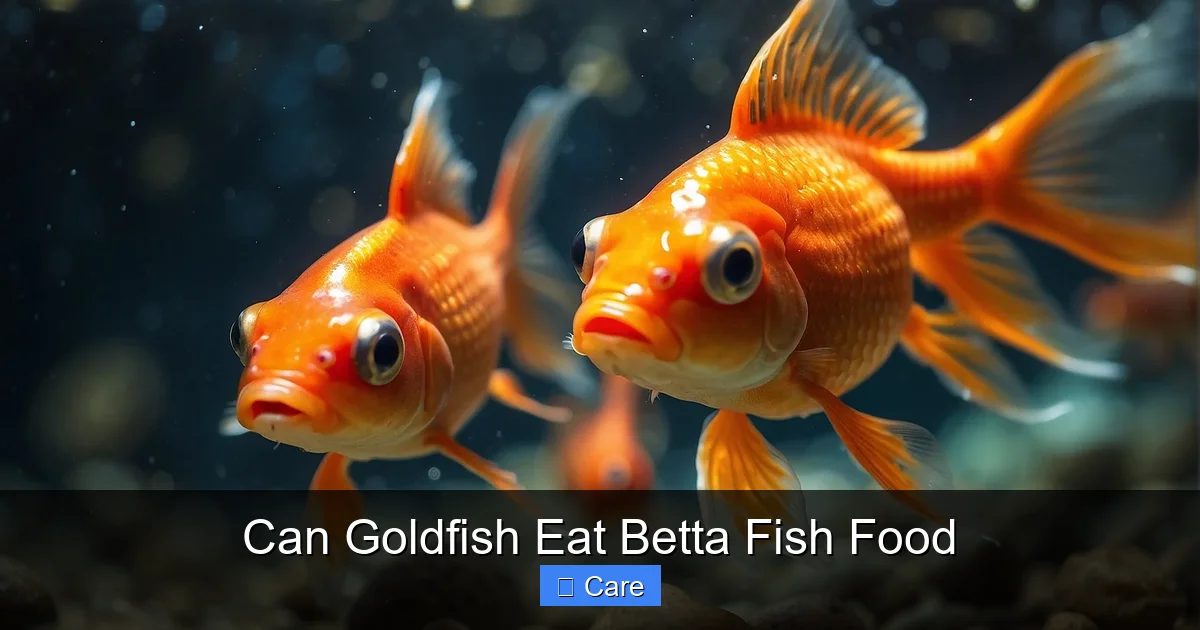
Visual guide about Can Goldfish Eat Betta Fish Food
Image source: ouraquariums.com
Swim Bladder Disorder: The Floating (or Sinking) Nightmare
The swim bladder is a gas-filled organ that helps a fish control its buoyancy. Constipation is the #1 dietary cause of swim bladder disease in goldfish. As undigested food piles up and inflames the gut, it physically presses against the swim bladder, disrupting its function. Your goldfish might:
- Float to the top and be unable to dive.
- Sink to the bottom and struggle to rise.
- Swim upside down or sideways, listing like a boat with a broken rudder.
This is not just a quirky behavior; it’s a sign of severe internal distress. It causes immense stress, prevents the fish from feeding properly, and makes it vulnerable to bullying from tank mates. Correcting the diet is the first and most crucial step in treatment.
Water Quality Collapse: The Invisible Killer
Goldfish are famously messy—they produce a lot of waste. Betta food exacerbates this problem. Because it’s so rich in animal protein, any uneaten betta food will decay and foul the water at an alarming rate. Protein-based waste products break down into ammonia and nitrites, which are toxic to fish even at low concentrations. A goldfish tank already requires robust filtration and frequent water changes. Adding a food that loads the water with excess organic matter is a direct path to dangerous spikes in ammonia/nitrite, leading to stress, suppressed immune systems, and potentially fatal poisoning. You’ll also notice more algae growth from the excess nutrients.
Crafting the Perfect Goldfish Diet: What They Actually Need
So, what should you be feeding your goldfish to ensure a long, healthy, and active life? The answer is a balanced, varied diet that mimics their natural omnivorous tendencies.
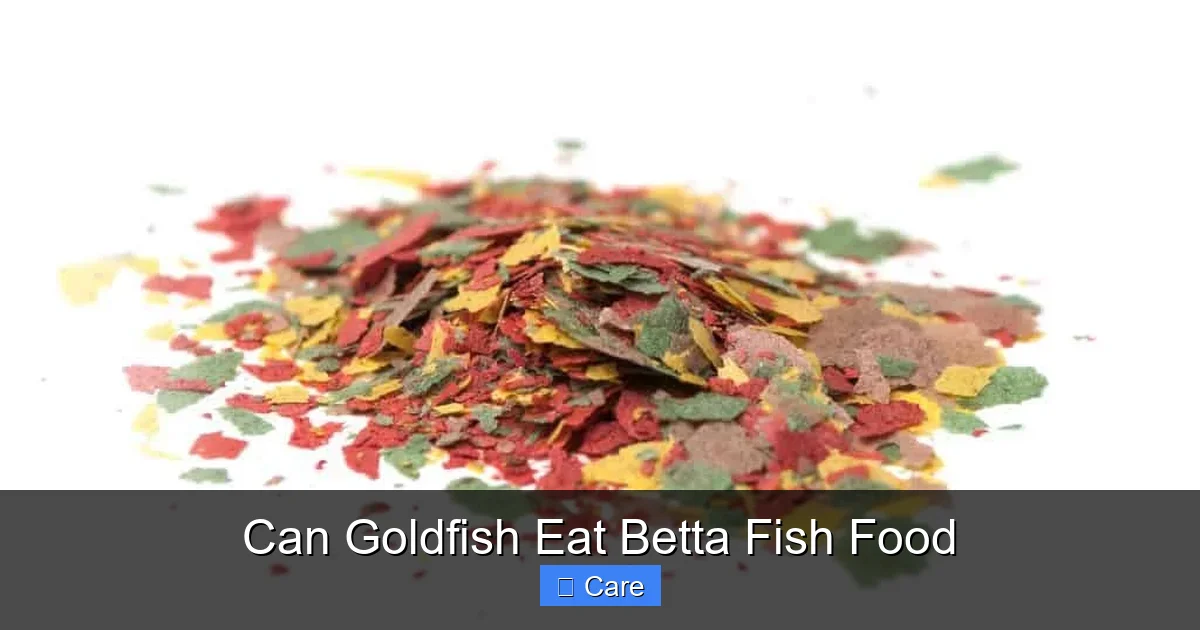
Visual guide about Can Goldfish Eat Betta Fish Food
Image source: petfood.guide
The Staple: High-Quality Goldfish Pellets or Flakes
This should make up 80-90% of their diet. Look for reputable brands that list spirulina algae as a top ingredient. Sinking pellets are generally preferred over flakes because they:
- Stay at the bottom where goldfish naturally forage.
- Reduce the amount of food that gets caught on the water surface and spoils.
- Minimize the amount of air the fish swallows while gulping floating food, which can contribute to swim bladder issues.
Choose a pellet size appropriate for your fish’s mouth. For fancy goldfish with delicate features, small “baby” pellets are best.
Essential Supplements: Veggies and Fiber
In the wild, goldfish graze constantly on plant matter. In captivity, we must provide this. Offer blanched, shelled peas (the ultimate digestive regulator), zucchini slices, cucumber, spinach leaves, or romaine lettuce. Blanching (briefly boiling) softens the cellulose so their gut can access the nutrients. Remove any uneaten veggies after a few hours to prevent water fouling. This daily or every-other-day addition provides crucial roughage.
Occasional Protein Treats: The Right Kind
Goldfish do need some animal protein for growth and vitality, but it must be from appropriate sources and fed sparingly (1-2 times per week max). Excellent choices include:
- Daphnia (water fleas): The absolute best. It’s a natural, high-protein, high-fiber food that also aids digestion. Available live or frozen.
- Brine Shrimp (nauplii): Great for growing fry and as a treat for adults. Very digestible.
- Bloodworms: A favorite, but feed very sparingly as they are rich and can cause constipation if overused. Use frozen or gel forms, not live (which can carry disease).
Never use betta food, tropical fish food, or feeder fish (like guppies) as a protein source. They are nutritionally inappropriate and pose disease risks.
Safe Alternatives and Occasional Treats to Betta Food
If you’ve run out of goldfish food and need a *very* temporary substitute, or if you’re looking for safe treats, here is your hierarchy of options, from best to emergency-only.
Tier 1: Ideal Goldfish Foods (Stick to These)
- Your standard, high-quality goldfish pellets/flakes with spirulina.
- Fresh, blanched vegetables (peas, lettuce, spinach, zucchini).
- High-quality frozen or live daphnia.
Tier 2: Acceptable Occasional Treats (1-2x Week)
- High-quality frozen brine shrimp.
- Very small amounts of frozen bloodworms.
- Repashy Gel Food or other formulated gel diets designed for goldfish.
Tier 3: Emergency “I Ran Out of Food” Options
If you are completely out of goldfish food and can’t get to the store, you can use a single, tiny pinch of high-quality tropical flake food or betta pellets as a one-time-only meal. Do not make this a habit. The goal is to avoid starvation, not provide nutrition. Immediately purchase proper food. Better yet, have a backup supply!
Tier 4: Absolute No-Nos
- Bettas Food as a regular diet. (This is our main topic!).
- Bread or crackers. They swell in the stomach and contain yeast and salts.
- Raw peas with skin. Always peel and blanch.
- Feeder fish. Risk of parasites and poor nutrition.
- Meat from your kitchen (beef, chicken). Far too fatty and protein-dense.
Conclusion: Prioritizing Your Goldfish’s Health Over Convenience
It all boils down to this: your goldfish is not a betta. Their bodies are built differently, their natural diets diverged millions of years ago, and their nutritional needs are specific. Using betta food as a goldfish diet is a classic case of short-term convenience leading to long-term suffering. The risks—chronic constipation, painful swim bladder disorders, and toxic water conditions—are severe and entirely preventable.
Investing in a container of proper goldfish pellets and keeping a bag of frozen peas in your freezer is the simplest, most effective act of care you can provide. It ensures your goldfish maintains a healthy weight, a vibrant color, active swimming, and a clean, functioning digestive system. You’ll spend less time nursing a sick fish and more time enjoying the serene, graceful presence of a truly healthy pet. So next time you reach for that betta food, remember: for your goldfish, love means feeding them the right food, not just any food.
Frequently Asked Questions
Can I feed my goldfish betta pellets in an emergency if I run out of food?
Yes, a single, very small meal of betta pellets is acceptable as a one-time emergency measure to prevent starvation. However, you must obtain proper goldfish food immediately. This should never become a regular practice due to the high protein and fat content.
What is the biggest health risk for goldfish eating betta food long-term?
The single biggest risk is chronic constipation, which directly leads to swim bladder disease. The excess protein and lack of fiber in betta food cause severe digestive blockages and inflammation, pressing on the swim bladder and causing the fish to float uncontrollably or sink.
My goldfish ate some betta food and is now floating at the top. Is it swim bladder disease?
Floating uncontrollably is a classic symptom of swim bladder disorder, and dietary causes are the most common in goldfish. Stop feeding for 24-48 hours, then offer a skinned, blanched green pea to help clear constipation. If the problem persists, consult a veterinarian specializing in fish, as it could also be a bacterial infection or physical injury.
Are there any betta foods that are safe for goldfish?
No. All betta-specific foods are formulated for a carnivorous diet and are inherently too high in protein and fat for an omnivorous goldfish. Even “color-enhancing” or “immune-boosting” betta foods are not suitable as a staple for goldfish. The nutritional profile is fundamentally wrong.
What is the best staple food to buy for a goldfish?
The best staple is a high-quality, sinking pellet or wafer formulated specifically for goldfish. Look for one where spirulina algae or vegetable matter is listed within the first three ingredients. Sinking pellets are preferred as they match goldfish’s bottom-feeding nature and reduce gulping air.
How can I tell if my goldfish is having digestive problems from its food?
Key signs include: long, stringy feces (clear, white, or not fully formed); a swollen, puffy abdomen; lethargy; loss of appetite; and abnormal swimming like listing to one side or difficulty maintaining depth. If you see these signs, review your diet immediately and introduce blanched peas as a digestive aid.