How to Take Care of a Crown Fish Betta
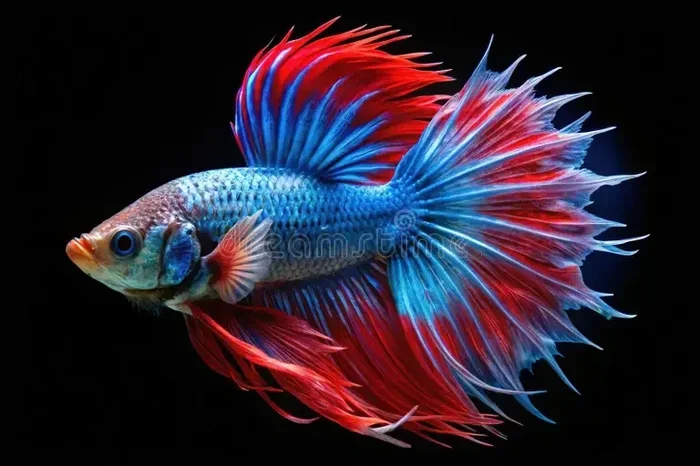
Taking care of a crown fish betta is easier than most people think. These stunning fish with their crown-like tail fins need clean water, a warm tank, and a proper diet to thrive. In this guide, you will learn everything from tank setup to common health issues and how to keep your crown betta fish living a long, happy life.
You have probably seen them online or at your local pet store. The crown fish betta is one of the most eye-catching fish you will ever own. With its flowing, crown-shaped tail fins and vibrant colors, it is hard not to fall in love with these little creatures. But beauty comes with responsibility. If you want your crown betta to thrive, you need to know exactly what it needs to stay healthy and happy.
This guide covers everything you need to know about crown fish betta care. From setting up the perfect tank to feeding the right diet, we will walk you through each step. Whether you are a first-time betta owner or have kept bettas for years, you will find practical tips that actually work. Let us dive in and make sure your crown tail betta lives its best life.
Key Takeaways
- Tank Size Matters: A crown fish betta needs at least a 5-gallon tank with a heater and filter to stay healthy.
- Water Quality Is Everything: Keep the temperature between 76-82°F and maintain low ammonia and nitrate levels.
- Diet Drives Health: Feed your crown betta fish a varied diet of high-quality pellets, frozen foods, and occasional treats.
- Watch for Stress Signals: Clamped fins, fading colors, and hiding behavior are signs your betta needs help.
- Regular Maintenance Prevents Disease: Weekly water changes and tank cleaning go a long way in preventing common betta illnesses.
- Crown Tails Need Extra Fin Care: Their elaborate fins are more fragile, so avoid sharp decorations and strong filter currents.
📑 Table of Contents
What Is a Crown Fish Betta?
The crown fish betta, often called the crown tail betta, is a popular variety of the Siamese fighting fish. Its name comes from the unique webbing between its tail fins. Instead of flowing smoothly, the webbing extends outward in points, creating a crown-like appearance. This gives the fish a regal, spiky look that sets it apart from other betta varieties.
Crown tails come in a wide range of colors. You can find them in shades of red, blue, green, purple, and even multi-colored patterns. Their fins can be long and dramatic, especially in males. Females also have crown tails, but their fins are usually shorter and less elaborate.
One thing to keep in mind is that their beautiful fins require a bit more attention. The extended webbing can be delicate, so you need to choose tank decorations and water flow carefully. More on that later.
Setting Up the Perfect Tank for Your Crown Fish Betta
The tank is the foundation of good crown betta fish care. A poorly set up tank leads to stress, illness, and a shorter lifespan. Let us break down exactly what your crown fish betta needs.
Tank Size
Many people think bettas can live in tiny bowls. That is a myth. A crown fish betta needs at least a 5-gallon tank. This gives the fish enough room to swim and explore. A larger tank, like 10 gallons, is even better. It provides more stable water conditions, which means less work for you.
Small tanks are harder to maintain. Chemicals and waste build up quickly in small volumes. A 5-gallon tank gives you a comfortable buffer. It also gives your betta space to move around, which keeps it active and curious.
Heating and Temperature
Bettas are tropical fish. They need warm water to stay healthy. The ideal temperature for a crown fish betta is between 76 and 82 degrees Fahrenheit. Anything below 74 degrees can make your betta sluggish and prone to illness.
Use a small aquarium heater with a thermostat. This keeps the temperature steady. Avoid placing the tank near windows or drafts. Sudden temperature changes can stress your betta and weaken its immune system.
Filtration
Your crown betta fish needs clean water. A gentle filter is essential. However, bettas are not strong swimmers. Their long fins make them slow and delicate. A filter with a strong current can exhaust them.
Choose a sponge filter or a filter with an adjustable flow rate. You can baffle the outflow with a sponge or piece of filter floss. This softens the current and makes the tank comfortable for your crown fish betta.
Substrate and Decorations
Keep decorations simple and safe. Avoid anything sharp or rough. Your crown betta’s long fins can tear easily on jagged edges. Smooth gravel or sand works well as a substrate.
Add live or silk plants for cover and enrichment. Live plants also help improve water quality by absorbing nitrates. Avoid plastic plants with rough edges. The fins of a crown tail betta can snag and tear on sharp plastic leaves.
A few caves or hiding spots are great too. Bettas like to have places to rest and feel safe. Just make sure all decorations have smooth surfaces.
Water Quality and Maintenance
Clean water is the single most important factor in crown fish betta care. Poor water quality causes stress, disease, and early death. Here is how to keep your betta’s water pristine.
Water Parameters
Your crown fish betta needs stable water parameters. Here are the ideal ranges:
- Temperature: 76-82°F
- pH: 6.5-7.5
- Ammonia: 0 ppm
- Nitrite: 0 ppm
- Nitrate: Below 20 ppm
Test your water regularly with an aquarium test kit. You cannot always see problems with the naked eye. Ammonia and nitrite are invisible but deadly. Testing takes just a few minutes and can save your betta’s life.
Water Changes
Perform a 25-30% water change every week. This removes waste buildup and refreshes essential minerals. Use a gravel vacuum to clean the substrate while you change the water.
Always treat new water with a water conditioner before adding it to the tank. Tap water contains chlorine and chloramine, which are harmful to bettas. A good conditioner neutralizes these chemicals instantly.
Cycling the Tank
If you are setting up a new tank, cycle it before adding your crown betta fish. Cycling builds beneficial bacteria that break down toxic ammonia and nitrite. This process takes 4-6 weeks, but it is worth the wait.
An uncycled tank can cause ammonia spikes within days. These spikes can kill your betta quickly. If you are not ready to cycle, consider using a betta fish water conditioner as a temporary measure while you establish your cycle.
Feeding Your Crown Fish Betta
A proper diet keeps your crown fish betta vibrant and energetic. Bettas are carnivores by nature. They need protein-rich food to maintain their colors, fins, and overall health.
What to Feed
High-quality betta pellets should be the staple of your crown betta fish diet. Look for pellets with a high protein content and minimal fillers. Brands specifically formulated for bettas are your best bet.
Supplement pellets with frozen or live foods. Bloodworms, brine shrimp, and daphnia are excellent options. These foods provide variety and extra nutrition. Feed them as treats, 2-3 times per week.
How Much and How Often
Feed your crown fish betta twice a day. Offer only as much food as it can eat in 2-3 minutes. Overfeeding is one of the most common mistakes betta owners make. Excess food rots in the tank and pollutes the water.
One day of fasting per week is also beneficial. It helps prevent bloating and digestive issues. Many experienced betta keepers swear by this simple practice.
Common Feeding Mistakes
- Feeding too much at once
- Relying only on flakes or low-quality food
- Skipping days and then overfeeding
- Ignoring the importance of protein-rich diets
Avoid these mistakes and your crown betta fish will stay healthy and colorful.
Common Health Issues and How to Prevent Them
Even with the best care, crown fish bettas can get sick. Knowing the signs of common illnesses helps you catch problems early. Prevention is always better than treatment.
Fin Rot
Fin rot is a bacterial infection that affects the fins and tail. It is especially common in crown tail bettas because of their long, delicate fins. Signs include frayed or discolored fins, receding fin edges, and redness at the base of the fins.
Fin rot is usually caused by poor water quality. Regular water changes and a clean tank are the best prevention. If you notice fin rot, improve water conditions immediately. Severe cases may require medication from a pet store or aquarium specialist.
Ich (White Spot Disease)
Ich is a parasitic infection that appears as white spots on the body and fins. It is highly contagious and spreads quickly in stressed fish. Common triggers include sudden temperature drops and poor water quality.
Raising the temperature slowly to 82°F can help fight ich. You may also need to treat the tank with medication. If your crown fish betta shows signs of ich, act quickly. For more details on treatment, check out this guide on how to treat ich on a betta fish.
Stress and Behavioral Issues
Stress weakens a betta’s immune system and makes it vulnerable to disease. Watch for these signs of a stressed crown betta fish:
- Clamped fins (fins held close to the body)
- Fading or dull colors
- Hiding constantly
- Loss of appetite
- Erratic swimming patterns
Reduce stress by keeping the tank in a quiet location. Avoid sudden changes in lighting or temperature. Also, never keep two male bettas in the same tank. They will fight and can seriously injure or kill each other.
Tank Mates for Your Crown Fish Betta
Many people wonder if a crown fish betta can live with other fish. The answer is yes, but with careful planning. Bettas can be territorial, especially males. Choosing the right tank mates makes all the difference.
Good tank mates for a crown betta fish include:
- Snails (like nerite snails or mystery snails)
- Shrimp (like cherry shrimp or Amano shrimp)
- Small, peaceful bottom-dwelling fish like corydoras
Avoid fish with bright colors or long fins. These can trigger aggression in bettas. Also avoid fish that are too fast or too boisterous. They will stress your crown fish betta out.
Always monitor your betta when introducing new tank mates. Watch for signs of aggression like flaring, chasing, or fin nipping. If things do not work out, be prepared to separate the fish.
Lifespan and Long-Term Care
With proper care, a crown fish betta can live 3 to 5 years. Some well-cared-for bettas have even reached 7 years. The key is consistent, daily attention to water quality, diet, and environment.
If you want to learn more about extending your betta’s life, this guide on how to care for a betta fish covers long-term care in great detail. It is a valuable resource for any betta owner.
Your crown betta fish depends on you for everything. It cannot adjust the heater or clean the water on its own. But with the knowledge you have gained from this guide, you are well-equipped to give it a happy, healthy home.
Remember, every betta is different. Pay attention to your fish’s behavior and adjust your care routine as needed. A watchful eye and a willingness to learn are the best tools you have. Enjoy the beauty and personality of your crown fish betta, and it will reward you with years of color and companionship.
Start with the basics. Get the tank size right. Keep the water clean. Feed a quality diet. Watch for warning signs. These simple steps form the foundation of excellent crown fish betta care. You do not need fancy equipment or years of experience. You just need patience, consistency, and a genuine love for your fish.
Your crown betta is counting on you. Show up for it every day, and it will thrive. That is the real secret to keeping a happy, healthy betta. Now go enjoy your beautiful crown tail fish and all the joy it brings to your home.
Frequently Asked Questions
What size tank does a crown fish betta need?
A crown fish betta needs at least a 5-gallon tank. A 10-gallon tank is even better because it provides more stable water conditions. Avoid keeping your betta in bowls or containers smaller than 5 gallons. The extra space helps your fish stay active and reduces waste buildup.
How often should I feed my crown betta fish?
Feed your crown betta fish twice a day. Offer only as much food as it can eat in 2 to 3 minutes. Overfeeding is a common mistake that leads to bloating and dirty water. Include one fasting day per week to support healthy digestion.
Can a crown fish betta live with other fish?
Yes, but you need to choose tank mates carefully. Peaceful species like snails, shrimp, and small corydoras work well. Avoid fish with bright colors or long fins, as they can trigger aggression. Always monitor interactions when introducing new fish to the tank.
Why are the fins on my crown betta fish tearing?
Torn fins are often caused by sharp decorations, strong filter currents, or fin rot. Check your tank for any rough edges or abrasive surfaces. Reduce filter flow if it seems too strong. Improve water quality with regular changes and test for ammonia and nitrite levels.
What is the ideal water temperature for a crown fish betta?
The ideal water temperature for a crown fish betta is between 76 and 82 degrees Fahrenheit. Use an aquarium heater with a thermostat to maintain a steady temperature. Sudden temperature drops can stress your betta and make it susceptible to illness.
How long do crown fish bettas live?
With proper care, a crown fish betta can live 3 to 5 years. Some individuals have been known to reach 7 years. Lifespan depends heavily on water quality, diet, tank setup, and overall care consistency. A well-maintained tank and balanced diet are the biggest factors in a long, healthy life.
=== CONCLUSION ===
Taking care of a crown fish betta is a rewarding experience. These beautiful fish bring color, movement, and personality to any home. By following the tips in this guide, you give your crown betta the best possible chance at a long, healthy life. Focus on clean water, proper heating, a quality diet, and a safe tank environment. Pay attention to your fish every day. Small consistent efforts lead to big results. Your crown fish betta will thank you with vibrant colors, active behavior, and years of companionship. Start today and enjoy the journey of being a great betta fish owner.