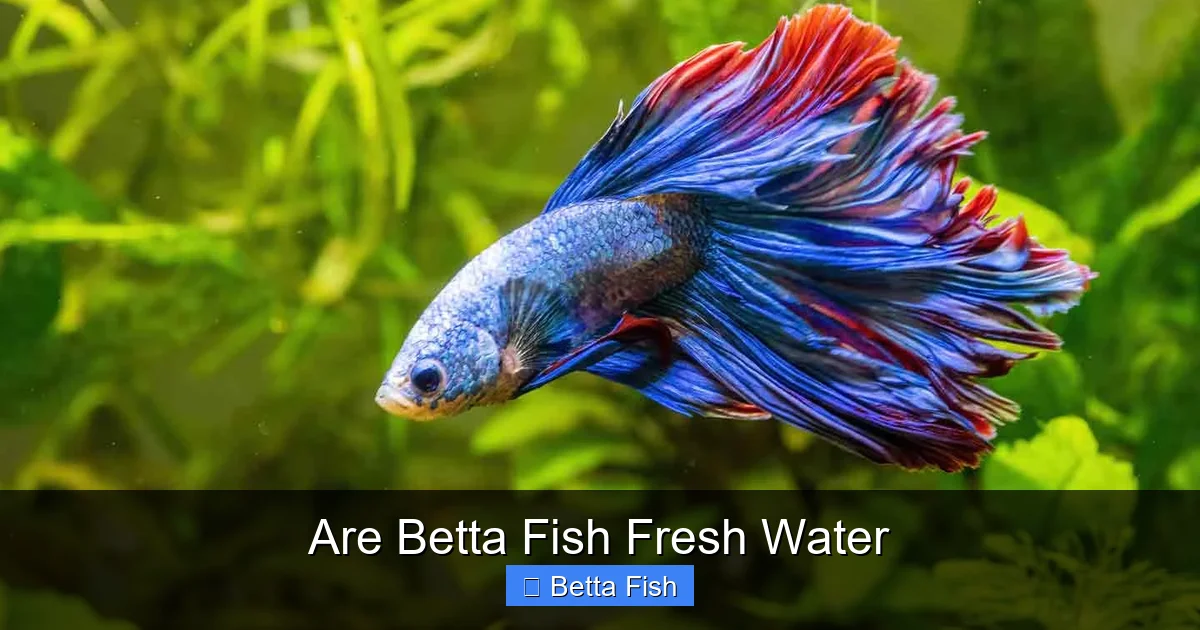
Are Betta Fish Fresh Water
Betta fish are indeed fresh‑water species, thriving best in warm, clean, low‑flow environments. Understanding their natural habitat helps you set up the perfect tank, choose the right water parameters, and avoid common mistakes that lead to stress or illness.
Key Takeaways
- Fresh‑water origin: Betta fish come from slow‑moving fresh‑water habitats in Southeast Asia.
- Temperature matters: Keep water between 76‑82°F (24‑28°C) for optimal health.
- Water quality: Soft, slightly acidic water (pH 6.0‑7.0) mimics their natural environment.
- Gentle flow: Betta fins are delicate; avoid strong currents and use a low‑flow filter.
- Regular maintenance: Weekly water changes of 25‑30% keep ammonia low and oxygen high.
- Tank size: A minimum of 5 gallons provides space to swim and reduces stress.
- Compatibility: Fresh‑water bettas are territorial; house them alone or with peaceful, non‑fin‑nipping tankmates.
📑 Table of Contents
- Introduction: Why the Fresh‑Water Question Matters
- 1. Natural Habitat of Betta Fish
- 2. Setting Up a Fresh‑Water Betta Tank
- 3. Water Quality Management
- 4. Feeding and Nutrition in Fresh Water
- 5. Common Mistakes When Keeping Betta Fish in Fresh Water
- 6. Health Indicators for Fresh‑Water Betta Fish
- Conclusion: Embrace the Fresh‑Water Lifestyle
Introduction: Why the Fresh‑Water Question Matters
If you’ve ever stared at a bright‑colored betta dancing at the surface of a tiny bowl, you might wonder, “Are betta fish fresh water?” The short answer is yes, but the full story is richer than a simple yes or no. Betta fish (Betta splendens) evolved in the calm, shallow streams and rice paddies of Thailand, Malaysia, and surrounding regions. Those waters are warm, soft, and low in mineral content—exactly the conditions you should aim to recreate at home.
Getting the water right isn’t just a box‑checking exercise; it’s the foundation of a healthy betta. Poor water quality can cause faded colors, torn fins, and even sudden death. In this guide we’ll walk through the science of betta habitats, the practical steps to set up fresh‑water tanks, and everyday tips to keep your fish thriving.
1. Natural Habitat of Betta Fish
Where Betta Fish Come From
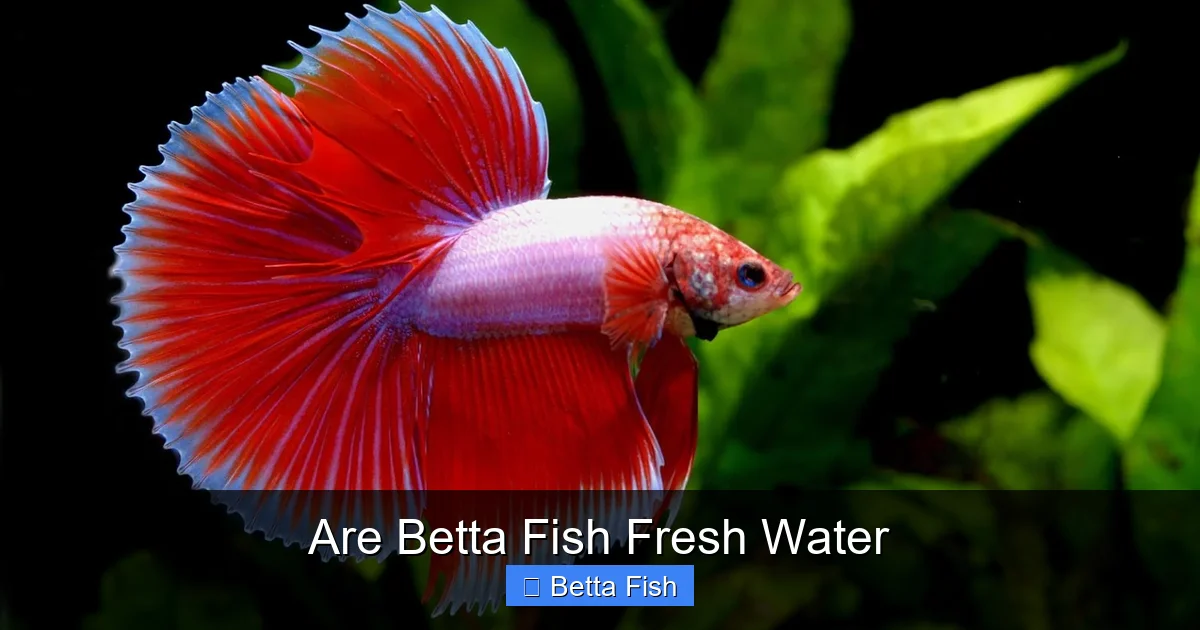
Betta fish are native to the shallow freshwater bodies of Southeast Asia. They thrive in soft, slightly acidic water that is often stained brown by tannins from decaying leaves. The water temperature stays warm year‑round, usually between 75‑82°F (24‑28°C). These habitats are calm, with little current, allowing the betta’s elaborate fins to glide without damage.
Visual guide about Are Betta Fish Fresh Water
Image source: 1.bp.blogspot.com
Key Water Characteristics
- Hardness: 3‑4 dGH (soft water).
- pH: 6.0‑7.0 (slightly acidic).
- Temperature: 76‑82°F (24‑28°C).
- Flow: Minimal; a gentle surface agitation is enough.
Understanding these parameters helps answer the core question: are betta fish fresh water dwellers? Absolutely. Replicating their native conditions is the easiest way to keep them healthy.
2. Setting Up a Fresh‑Water Betta Tank
Choosing the Right Container
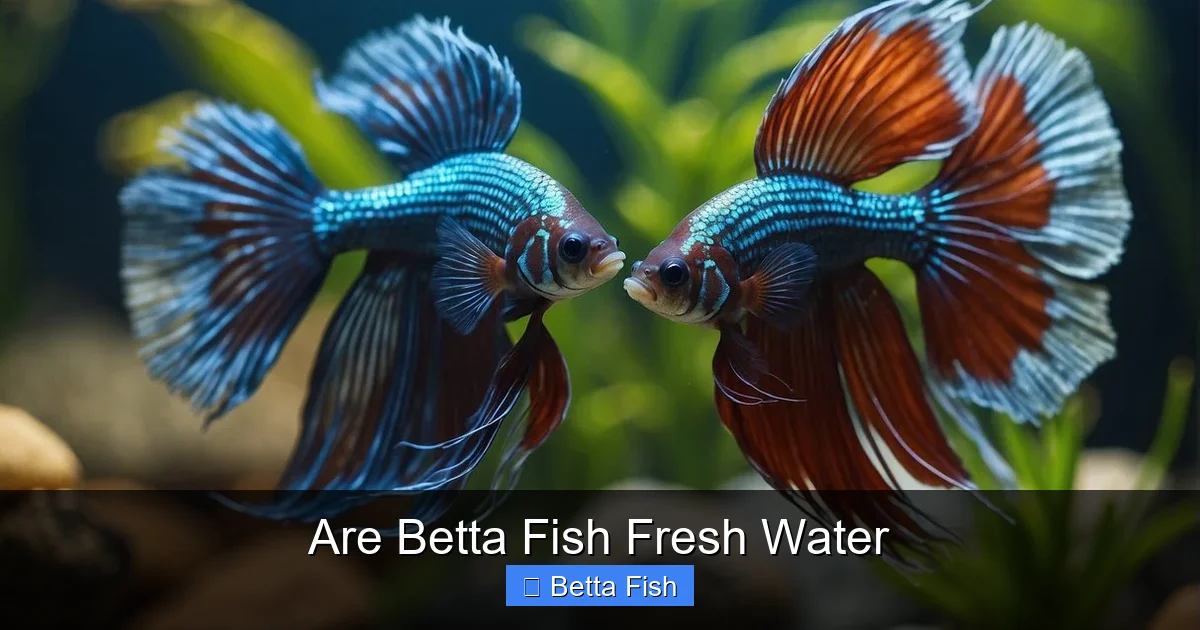
While many people start bettas in tiny bowls, a 5‑gallon tank is the sweet spot. It provides enough volume for stable water parameters and a bit of swimming space. Remember, a larger water column dilutes toxins faster, making maintenance easier.
Visual guide about Are Betta Fish Fresh Water
Image source: koala.sh
Filtration and Flow
Betta fish have delicate fins that can be torn by strong currents. Opt for a low‑flow sponge filter or a hang‑on‑back filter with the flow turned down. The filter should keep the water clear without creating a torrent.
Heating the Water
Because bettas are tropical, they need a reliable heater. Set it to 78°F (25.5°C) and use a thermometer to double‑check. For more on temperature, see our article What Temperature Should Water Be For A Betta Fish.
Decor and Plants
Live plants like Java fern, Anubias, and Marimo moss not only look great but also release tannins that gently lower pH, mimicking the betta’s natural environment. Add smooth driftwood or rocks for hiding spots, but avoid sharp edges that could snag fins.
3. Water Quality Management
Testing and Monitoring
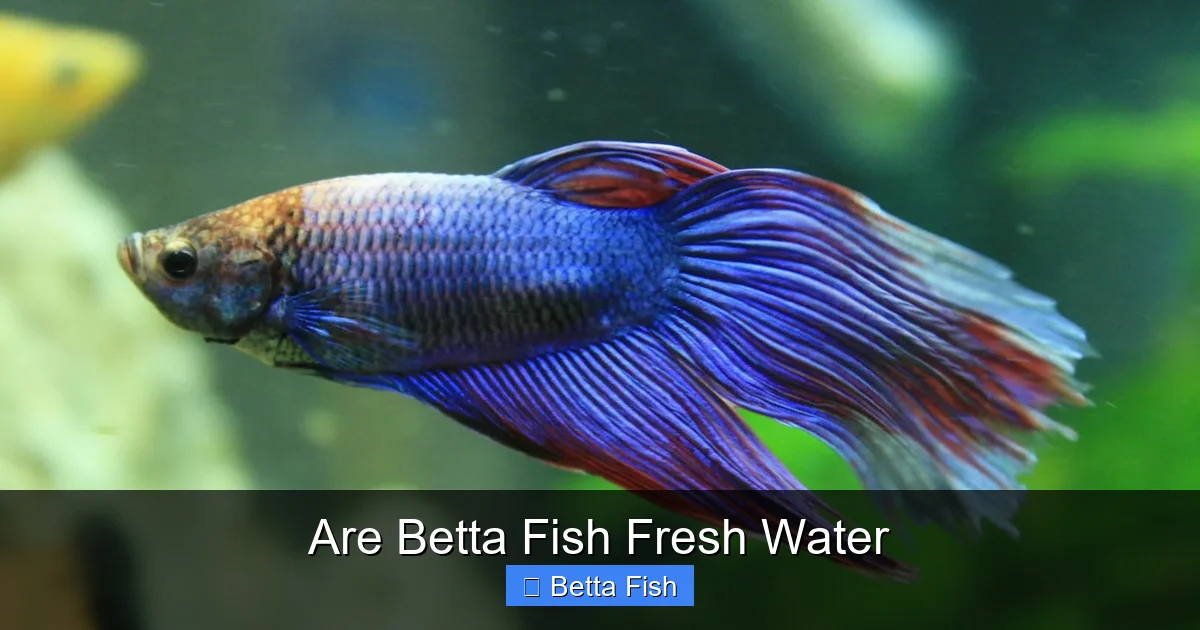
Invest in a basic test kit to check pH, ammonia, nitrite, and nitrate weekly. In a well‑cycled 5‑gallon tank, ammonia and nitrite should read 0 ppm, while nitrate stays below 20 ppm.
Visual guide about Are Betta Fish Fresh Water
Image source: fishkeepingadvice.com
Water Changes
Perform a 25‑30% water change every week. Use a water conditioner to neutralize chlorine and chloramines. For detailed steps, read How Often Change Water For Betta Fish.
Conditioning Tap Water
Tap water is fine if treated properly. A dechlorinator removes harmful chemicals, and a small amount of Indian almond leaves can add beneficial tannins. Learn more about water types in our guide What Water To Use For Betta Fish.
4. Feeding and Nutrition in Fresh Water
What to Feed
High‑quality betta pellets should be the staple, supplemented with frozen or live foods like brine shrimp and bloodworms a few times a week. Overfeeding leads to cloudy water and health issues.
Feeding Schedule
Feed small amounts 2‑3 times daily. Only give what your betta can eat in 2‑3 minutes. Remove any uneaten food to keep water quality high.
5. Common Mistakes When Keeping Betta Fish in Fresh Water
Using the Wrong Water Type
Hard, alkaline water (pH above 8) stresses bettas and can cause fin rot. Always aim for soft, slightly acidic water.
Overcrowding and Tank Mates
Betta males are aggressive toward other males and can be fin‑nippers with long‑finned species. If you add tank mates, choose peaceful bottom‑dwellers like Corydoras or small shrimp.
Neglecting Temperature
Fluctuating temperatures weaken the immune system. Use a reliable heater and avoid placing the tank near drafts or windows.
6. Health Indicators for Fresh‑Water Betta Fish
What a Healthy Betta Looks Like
- Vibrant, un‑faded colors.
- Intact, flowing fins.
- Active swimming and surface breathing.
- Clear, bright eyes.
Signs of Water‑Related Stress
If you notice faded colors, torn fins, or lethargy, test the water immediately. High ammonia or low temperature are common culprits. Quick action—partial water change and temperature adjustment—can often reverse the problem.
Conclusion: Embrace the Fresh‑Water Lifestyle
Answering the question “are betta fish fresh water” leads to a clear directive: treat your betta as a warm‑water, soft‑water specialist. By matching the natural conditions of Southeast Asian streams—soft, slightly acidic, warm, and calm—you set the stage for a vibrant, long‑lived fish. Regular maintenance, proper feeding, and thoughtful tank setup keep your betta thriving for years.
With the right water, your betta will reward you with dazzling colors and graceful displays that turn any room into a living work of art. Happy fish‑keeping!
Frequently Asked Questions
Are betta fish considered freshwater or saltwater fish?
Betta fish are strictly freshwater species. They originate from soft, low‑mineral water in Southeast Asia and cannot survive in salty or brackish conditions.
What pH level is ideal for a betta’s freshwater tank?
Keep the pH between 6.0 and 7.0. Slightly acidic water mimics their natural habitat and supports healthy gill function.
Can I keep a betta in tap water without treatment?
No. Tap water contains chlorine or chloramine that can harm bettas. Always use a water conditioner to neutralize these chemicals before adding water to the tank.
How often should I change the water in a fresh‑water betta tank?
A 25‑30% water change each week is ideal. This helps keep ammonia and nitrate levels low and maintains stable temperature and pH.
Do bettas need a heater even in a fresh‑water setup?
Yes. Betta fish are tropical and thrive at 76‑82°F (24‑28°C). A reliable aquarium heater ensures the water stays within this range.
Can bettas live with other fish in a freshwater community tank?
Yes, but choose peaceful, non‑fin‑nipping species. Small tetras, rasboras, or shrimp can coexist if the tank is large enough (at least 10 gallons) and has plenty of hiding places.