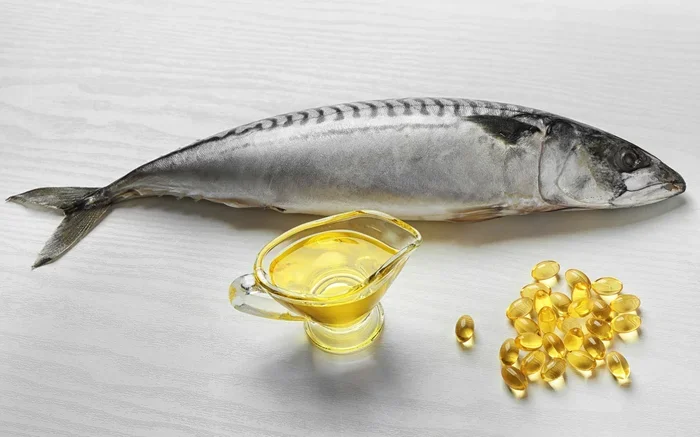
Is It Better to Buy Fish or Get Fish Oil

Is it better to buy fish or get fish oil? The answer depends on your health goals, diet, and lifestyle. Whole fish provides complete nutrition including protein and minerals, while fish oil supplements deliver concentrated omega-3 fatty acids. Both options have unique benefits, and the right choice varies from person to person.
When it comes to getting your daily dose of omega-3 fatty acids, the debate between buying whole fish and taking fish oil supplements never gets old. People ask this question all the time, and for good reason. Your health depends on the choices you make about what you put on your plate or in your pill cabinet. So let us break this down in a way that actually makes sense.
The short answer is that both options have real value. Buying fresh fish gives you a full package of nutrients that work together in your body. On the other hand, fish oil supplements give you a concentrated dose of the good stuff without the hassle of cooking. But which one is truly better for you? That is exactly what we are going to explore today.
Whether you are a health enthusiast, someone managing a specific condition, or just curious about what works best, this guide has you covered. We will look at the nutritional profile of whole fish, the benefits of fish oil capsules, and help you decide which path makes the most sense for your life. Let us dive in.
Key Takeaways
- Whole fish offers complete nutrition: It delivers protein, vitamins, minerals, and omega-3s in their natural form.
- Fish oil supplements are convenient: They provide a focused dose of EPA and DHA without the need to prepare meals.
- Bioavailability matters: Your body may absorb nutrients differently from whole fish versus capsules.
- Mercury and contaminants are a concern: Some fish species carry higher levels of heavy metals that fish oil filters out.
- Cost and convenience play a role: Fish oil capsules can be more affordable and easier to maintain daily.
- Consult a healthcare provider: Always talk to a professional before starting any new supplement routine.
📑 Table of Contents
What You Get When You Buy Whole Fish
The Complete Nutritional Package
When you buy fish and cook it at home, you are getting far more than just omega-3 fatty acids. Whole fish delivers a broad spectrum of nutrients that work together to support your health. You get high-quality protein, B vitamins, vitamin D, selenium, zinc, and iodine. These nutrients play roles in everything from energy production to immune function.
One of the biggest advantages of eating whole fish is something called the food matrix effect. This means that the nutrients in fish interact with each other in ways that boost absorption. For example, the fat in fish helps your body absorb fat-soluble vitamins like vitamin D. You simply do not get this same synergy from a capsule.
Different types of fish offer different benefits. Salmon is packed with omega-3s and vitamin D. Sardines are rich in calcium because you eat the tiny bones. Mackerel provides selenium and B12. When you eat a variety of fish, you naturally cover more nutritional ground.
The Omega-3 Content in Whole Fish
Now, let us talk about the omega-3 content. A 3-ounce serving of wild-caught salmon contains roughly 1,500 to 2,000 milligrams of combined EPA and DHA. That is a solid amount. But here is the thing: the exact amount varies based on the species, whether the fish is wild-caught or farmed, and how it is prepared.
Cooking methods matter too. Baking or grilling fish preserves more of its healthy fats than frying. If you bread and deep-fry your fish, you may lose a significant portion of the omega-3 content. So how you prepare your fish directly affects how much benefit you actually get.
For people who already eat fish two to three times a week, getting omega-3s from food alone is often enough. The key is variety. Eating different species throughout the week ensures you get a wider range of nutrients and avoids overexposure to any single contaminant.
What Fish Oil Supplements Offer
Concentrated Omega-3 in Every Capsule
Fish oil supplements have become one of the most popular dietary supplements in the world. And it is easy to see why. A single capsule can deliver 500 to 1,000 milligrams of EPA and DHA. This makes it incredibly convenient for people who want to hit their daily omega-3 targets without changing their diet.
For people who do not eat fish regularly, supplements fill a critical gap. Vegetarians and vegans who occasionally include fish in their diet also benefit from a reliable capsule routine. Fish oil offers a consistent dose every time, unlike whole fish where the omega-3 content can vary widely.
When comparing omega-3 vs fish oil, it is important to understand that fish oil is the source, and omega-3s are the active compounds. High-quality fish oil supplements are purified to remove heavy metals, PCBs, and other contaminants. This makes them a safe and reliable option for daily use.
Fish Oil vs Other Oil Supplements
The supplement market is crowded with options. If you are exploring alternatives, you might wonder how fish oil compares to other oils. Fish oil or krill oil is a common comparison. Krill oil has the added benefit of astaxanthin, a powerful antioxidant. However, fish oil typically offers higher concentrations of EPA and DHA per serving.
Then there is the debate of fish oil or flaxseed oil. Flaxseed oil contains ALA, a type of omega-3 that your body must convert into EPA and DHA. Unfortunately, this conversion rate is very low, often less than 10%. Fish oil delivers EPA and DHA directly, making it far more efficient.
Another popular comparison is fish oil or olive oil. Olive oil is excellent for heart health and contains monounsaturated fats. But it does not provide the same EPA and DHA levels that fish oil does. Each oil has its place, but for omega-3 specifically, fish oil is the clear winner.
Whole Fish vs Fish Oil: Head-to-Head Comparison
Let us put everything side by side so you can see the real differences. This comparison covers the key factors that matter most when deciding between whole fish and fish oil supplements.
| Factor | Whole Fish | Fish Oil Supplements |
|---|---|---|
| Omega-3 Content | Varies by species and preparation | Concentrated and consistent per dose |
| Protein | High-quality, complete protein | None |
| Vitamins and Minerals | Rich in vitamin D, B12, selenium, iodine | Minimal to none |
| Convenience | Requires shopping, cooking, and preparation | Easy to take on the go |
| Contaminant Risk | Varies by fish species and source | High-quality brands are purified |
| Cost | Can be expensive, especially wild-caught | Generally affordable per serving |
| Nutrient Synergy | Natural food matrix boosts absorption | Isolated nutrients |
| Daily Consistency | Depends on meal planning | Easy to maintain every day |
As you can see, neither option is clearly better across every category. Whole fish wins on nutrition breadth and natural absorption. Fish oil wins on convenience and consistency. Your personal situation should guide which one you choose.
Absorption and Bioavailability
One factor that often gets overlooked is how well your body absorbs the nutrients. When you eat whole fish, the omega-3s come packaged with dietary fat, protein, and other compounds that enhance absorption. Your digestive system processes the whole food in a way that maximizes nutrient uptake.
Fish oil capsules also have good bioavailability, especially when taken with a meal that contains fat. Some high-quality fish oils use forms like triglycerides or phospholipids that your body absorbs more easily. If you are considering supplements, look for these forms on the label.
A quick tip: if you choose fish oil capsules, store them in the refrigerator. This prevents oxidation and keeps the oil fresh. Fresh oil means better absorption and fewer chances of the dreaded fishy aftertaste.
Who Should Buy Fish and Who Should Take Fish Oil
Choose Whole Fish If…
You enjoy cooking and eating a varied diet. You want the full range of nutrients that fish provides. You eat fish at least twice a week and feel confident in your current intake. You prefer getting your nutrients from whole food sources rather than supplements.
Whole fish is also the better choice if you are watching your calorie intake. A serving of grilled salmon is naturally filling and provides satiety that a capsule simply cannot match. The protein content in whole fish also supports muscle maintenance and recovery.
If you are concerned about contaminants, choosing smaller fish like sardines, anchovies, and herring can reduce your exposure to mercury. These species are lower on the food chain and accumulate fewer heavy metals. This makes them a safe and nutritious choice for regular consumption.
Choose Fish Oil If…
You do not eat fish regularly or at all. You need a specific, high dose of EPA and DHA for health reasons. You travel frequently and want a convenient option. You have a limited budget and find fresh fish too expensive to buy regularly.
Fish oil is also ideal for people with specific health goals. If you are targeting heart health, brain function, or inflammation reduction, a concentrated fish oil supplement can deliver the precise dose you need. Many people combine a healthy diet with a daily capsule to cover their omega-3 bases.
One important note: not all fish oil supplements are created equal. Look for products that are third-party tested for purity and potency. Brands that carry certifications from organizations like IFOS or NSF give you peace of mind that what is on the label is actually in the bottle.
Common Mistakes People Make
When deciding between whole fish and fish oil, people often make a few common mistakes. First, they assume that more is always better. Taking excessive doses of fish oil can lead to bleeding risks and digestive issues. Stick to the recommended daily intake unless your doctor advises otherwise.
Second, people choose the cheapest fish oil supplement they can find. Low-quality products may contain oxidized oil, fillers, or insufficient amounts of EPA and DHA. Spending a little more on a reputable brand pays off in the long run. Your health is worth the investment.
Third, some people eat fish but do not vary their choices. Eating the same type of fish every day increases your exposure to any contaminants that species may carry. Rotate between different species and sources to keep your diet balanced and safe.
Expert Insights on the Fish vs Fish Oil Debate
Nutrition experts generally agree that whole fish is the gold standard for omega-3 intake. The combination of protein, healthy fats, vitamins, and minerals creates a nutritional profile that no supplement can fully replicate. The American Heart Association recommends eating fish at least twice a week for optimal heart health.
That said, experts also recognize the value of fish oil supplements. For people who cannot meet their omega-3 needs through diet alone, supplements are a practical and effective solution. The key is choosing a high-quality product and using it as part of a broader healthy lifestyle.
If you are still unsure where you stand, consider this: whole fish should be your foundation, and fish oil can be your supplement to fill any gaps. This combination approach gives you the best of both worlds. You get the complete nutrition from food and the targeted benefits from supplements.
The Bottom Line
So, is it better to buy fish or get fish oil? The honest answer is that it depends on your individual needs, preferences, and health goals. Whole fish provides a rich, complete nutritional experience that supports overall wellness. Fish oil offers a convenient, consistent way to get your omega-3s without the effort of meal preparation.
For most people, the ideal approach is to eat fish regularly and supplement with fish oil when needed. This balanced strategy ensures you get the full spectrum of nutrients from food while maintaining reliable omega-3 levels every day. There is no shame in choosing either option, and both can be part of a healthy lifestyle.
Start by evaluating your current diet. How often do you eat fish? Do you get enough omega-3s? From there, you can make a confident decision about whether to buy more fish, add a supplement, or do both. Your body will thank you for making the effort.
Remember that no single food or supplement is a magic bullet. Long-term health comes from a balanced diet, regular exercise, and smart choices. Whether you choose whole fish, fish oil, or a combination of both, you are taking a positive step toward better health.
Frequently Asked Questions
Is it better to eat fish or take fish oil for heart health?
Eating whole fish is generally considered better for overall heart health because it provides protein, minerals, and other nutrients alongside omega-3s. However, fish oil supplements are a strong option for people who do not eat fish regularly. Both approaches support cardiovascular health in their own way.
Can you get the same omega-3 benefits from fish oil as from eating fish?
Fish oil provides concentrated EPA and DHA, the same omega-3s found in fish. However, whole fish offers additional nutrients like vitamin D and selenium that fish oil alone does not. For the most complete benefits, eating fish is the better choice when possible.
How often should I buy fish if I am trying to get enough omega-3s?
Most health experts recommend eating fish at least two to three times per week. This frequency provides enough omega-3s for most adults. Choosing fatty fish like salmon, mackerel, and sardines ensures you get a strong dose of EPA and DHA with each meal.
Are fish oil supplements safe to take every day?
Yes, high-quality fish oil supplements are generally safe for daily use. Stick to the recommended dosage on the product label or follow your doctor’s advice. Look for supplements that are third-party tested for purity to ensure you are getting a clean, effective product.
What is the difference between buying fish and getting fish oil in terms of nutrients?
Whole fish provides a wide range of nutrients including protein, B vitamins, vitamin D, selenium, and omega-3s. Fish oil capsules focus specifically on EPA and DHA omega-3 fatty acids. Think of whole fish as a complete meal and fish oil as a targeted supplement.
Is fish oil or whole fish better for reducing inflammation?
Both can be effective for reducing inflammation. Whole fish provides anti-inflammatory omega-3s along with other supportive nutrients. Fish oil offers a concentrated dose that can be especially helpful for people with chronic inflammation. Combining both approaches may offer the strongest anti-inflammatory benefits.