Is a Black Light Bad for Betta Fish
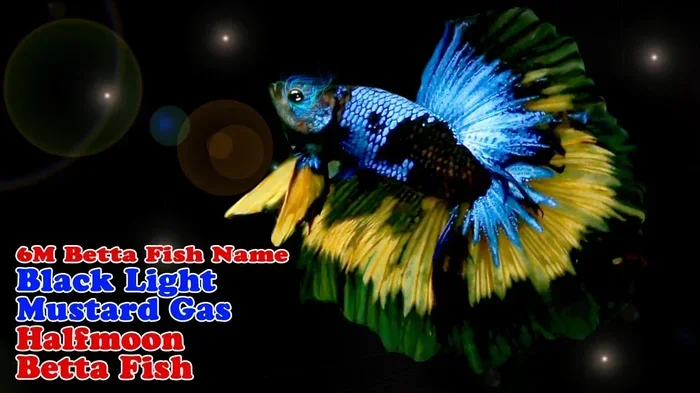
A black light can harm betta fish if used incorrectly, causing stress, disrupting sleep cycles, and damaging their sensitive eyes. While some low-level UV light may be safe in short bursts, prolonged exposure to black lights in a betta tank is generally not recommended. Understanding how light affects betta fish helps you create a safer, healthier aquarium environment.
Many betta fish owners love the cool glow of a black light in their living room. It makes everything look vibrant and futuristic. But here is the big question: is a black light bad for betta fish? If you keep bettas, you need to understand how different light types affect your fish. The answer might surprise you.
Betta fish are sensitive creatures. They thrive in stable environments with proper water conditions, good food, and the right lighting. Light seems simple, but it plays a huge role in your betta’s health. Too much light, the wrong kind of light, or lights left on at night can all cause problems. Let us break down exactly what happens when you shine a black light on your betta.
Before we dive deep, let us look at what black lights actually are. A black light produces ultraviolet (UV) radiation. This radiation is invisible to the human eye, but it makes certain materials glow. You have probably seen black lights at parties or in haunted houses. They create that eerie, fluorescent effect. But your betta fish does not see the world the same way you do. What looks cool to you might be harmful to them.
Key Takeaways
- Black lights emit UV radiation that can stress and harm betta fish over time.
- Betta fish need a natural day-night cycle, and black lights disrupt this rhythm.
- Prolonged UV exposure may damage betta fish eyes and weaken their immune system.
- Color-changing lights also pose risks and should be used sparingly in betta tanks.
- LED aquarium lights are a safer alternative for illuminating your betta tank.
- Signs of light stress include hiding, loss of color, and erratic swimming behavior.
- Limiting light exposure to 8-10 hours per day keeps your betta healthy and happy.
📑 Table of Contents
- What Is a Black Light and How Does It Work?
- Is a Black Light Bad for Betta Fish?
- How Light Affects Betta Fish in General
- Are There Any Safe Uses for Black Lights Near a Betta Tank?
- How to Protect Your Betta From Harmful Light
- Common Mistakes Betta Owners Make With Lighting
- Expert Insights on Light and Betta Health
- Conclusion
What Is a Black Light and How Does It Work?
A black light is a type of lamp that emits ultraviolet (UV) light. Most black lights fall into the UVA category. UVA has a longer wavelength than UVB or UVC. This means it is less intense, but it is not harmless. There are two main types of black lights you will encounter:
- Fluorescent black lights – These are the tube-shaped bulbs you often see in posters and decorations. They emit a soft purple glow and some UV radiation.
- LED black lights – These are newer and more energy-efficient. They produce a similar effect but with less heat. Some LED black lights also emit blue or purple visible light.
Both types can affect your aquarium. The UV radiation passes through water and reaches your fish. Even if the light looks dim to you, your betta can sense it. Fish eyes are designed to detect a wide range of light wavelengths. This includes UV light.
UV Light and Water Penetration
Here is something important to know. UV light penetrates water. It does not just stop at the glass of your tank. The deeper your tank, the more UV light reaches your betta. In a standard 5-gallon or 10-gallon tank, a black light positioned nearby can expose your fish to measurable UV levels. Over time, this adds up. Water quality also plays a role. Clear water allows more UV to pass through than murky water. But even crystal-clear water transmits UV radiation.
Is a Black Light Bad for Betta Fish?
The short answer is yes, a black light can be bad for betta fish. The longer answer depends on several factors. These include the type of black light, how long it is on, and the distance from the tank. Let us look at the specific risks.
Stress and Behavioral Changes
Betta fish are naturally territorial and sensitive. They respond strongly to changes in their environment. When you introduce a black light, your betta may show signs of stress. These include:
- Hiding more than usual – Your betta may retreat to corners or behind decorations.
- Loss of vibrant color – Bettas naturally fade when stressed. Their bright blues and reds can turn dull.
- Erratic swimming – You might notice your betta darting around or rubbing against objects.
- Loss of appetite – A stressed betta often refuses food or eats much less.
These behaviors are clear warning signs. If you notice any of them after turning on a black light, it is time to make a change. Fish health depends on a calm, predictable environment.
Disrupted Sleep Cycles
Betta fish need a consistent day-night cycle. In the wild, they experience natural sunlight during the day and darkness at night. This cycle regulates their internal clock, also called their circadian rhythm. A black light disrupts this cycle in two ways.
First, black lights often emit visible purple and blue light. Even if the UV component is low, your betta can still see this light. Fish are not blind to purple or blue wavelengths. Second, the UV radiation itself can stimulate your betta’s nervous system. This makes it harder for them to rest. Over time, poor sleep leads to a weakened immune system. A weak immune system makes your betta vulnerable to diseases like ich and fin rot.
If you want to learn more about how light affects your betta’s daily routine, check out our guide on can you leave a betta fish tank light on.
Eye Damage and Long-Term Health Risks
This is the most serious concern. Prolonged exposure to UV light can damage your betta’s eyes. Fish eyes are delicate and not designed to handle constant UV radiation. Over weeks and months, UV exposure can lead to:
- Cloudy eyes – A sign of eye damage or infection.
- Reduced vision – Your betta may struggle to find food or navigate the tank.
- Increased susceptibility to disease – UV radiation can suppress the immune system.
- Cellular damage – UV light damages DNA and cells in living tissue.
These risks are real, even with low-intensity black lights. The damage builds up slowly, so you might not notice it right away. By the time symptoms appear, the harm may already be significant.
How Light Affects Betta Fish in General
Understanding black lights requires understanding how light works in a betta tank overall. Not all light is bad. In fact, bettas need some light to stay healthy. The key is balance and the right type of light.
The Role of Light in a Betta Tank
Light serves several purposes in a betta aquarium:
- Regulates sleep-wake cycles – Your betta needs light to know when to be active and when to rest.
- Supports aquarium plants – If you have live plants, they need light for photosynthesis.
- Enhances color and behavior – Proper lighting brings out your betta’s natural beauty.
- Maintains biological rhythms – Light helps regulate feeding patterns and activity levels.
The problem is that not all light sources provide these benefits safely. A black light is designed for entertainment, not for aquarium use. It does not provide the full spectrum of light that plants and fish need. Instead, it focuses on UV wavelengths that can be harmful.
Comparing Light Types for Betta Tanks
Let us compare common light types used in betta tanks. This table shows the pros and cons of each:
- LED aquarium lights – Full spectrum, energy-efficient, adjustable brightness. These are the best choice for most betta tanks. They provide good light without harmful UV levels.
- Fluorescent tank lights – Standard and affordable. They work well for basic betta setups but can run hot over time.
- Black lights (UV) – Create a glowing effect but emit harmful UV radiation. Not suitable for long-term use in betta tanks.
- Color-changing lights – Fun to look at but can confuse betta fish and disrupt their sleep. Use sparingly, if at all.
As you can see, black lights rank at the bottom for betta safety. If you want to learn more about whether colored lights are safe, read our article on are color changing lights bad for betta fish.
Signs Your Betta Is Getting Too Much Light
Knowing the warning signs helps you act fast. Watch for these symptoms:
- Your betta stays in the dark corners of the tank and avoids open areas.
- The fins are clamped close to the body – a classic sign of stress or discomfort.
- The colors look faded or washed out compared to how they normally appear.
- Your betta is lethargic and shows little interest in food or movement.
- You notice rapid gill movement – this can indicate stress or poor water conditions caused by light disruption.
If you see any of these signs, turn off the light source immediately. Check your water parameters and give your betta time to recover in a calm, dimly lit environment.
Are There Any Safe Uses for Black Lights Near a Betta Tank?
Now for the nuanced answer. You might wonder if there is any way to use a black light safely near your betta tank. The truth is, there are some limited scenarios where the risk is lower.
Decorative Black Lights Away from the Tank
If you want a black light for room ambiance, position it away from the aquarium. A black light placed several feet from the tank and not pointing directly at it poses much less risk. The UV intensity drops significantly with distance. However, even indirect exposure can affect sensitive bettas over long periods. It is always safer to keep black lights completely separate from your fish area.
Short-Term Use for Observation
Some hobbyists use brief black light exposure to check for certain conditions in the tank, like fungal infections or fluorescent decorations. If you do this, keep it to a few minutes at most. Never leave a black light on near your tank overnight or for extended periods. Think of it like a quick check-up, not a regular lighting setup.
Better Alternatives for a Glowing Aquarium
Want a cool-looking tank without the risks? Try these safer alternatives:
- LED strip lights with adjustable colors – You can dim them and choose gentle hues that do not include UV.
- Moonlight mode on aquarium lights – Many modern LED fixtures have a dim blue or white mode perfect for nighttime viewing.
- Submersible LED lights – These sit inside the tank and give you full control over brightness and color temperature.
These options give you the visual appeal you want without putting your betta at risk. For more on choosing the right lighting setup, see our article on can you have fish light for betta fish.
How to Protect Your Betta From Harmful Light
Protecting your betta from bad light does not have to be complicated. A few simple steps go a long way in keeping your fish healthy and stress-free.
Step 1: Choose the Right Aquarium Light
Invest in a quality LED light designed specifically for aquariums. Look for lights labeled “full spectrum” or “betta safe.” These provide the right wavelengths without harmful UV radiation. Avoid using decorative lights, black lights, or party lights in or near your fish tank.
Step 2: Set a Consistent Light Schedule
Keep your tank light on for 8 to 10 hours per day. Use a timer to automate this schedule. Consistency helps your betta feel secure and maintain healthy sleep patterns. Never leave lights on 24 hours a day. This causes stress, algae blooms, and sleep deprivation for your fish.
Step 3: Monitor Your Betta’s Behavior
Watch your betta daily. Pay attention to their activity level, color, and appetite. Any sudden changes after adjusting the lighting could signal a problem. Trust your instincts. If something looks off, it probably is.
Step 4: Keep the Tank Away from Direct Sunlight
Direct sunlight is another source of intense light and UV radiation. Place your betta tank away from windows. Sunlight also causes rapid temperature swings and algae overgrowth. Both of these issues harm your betta.
Quick Tips for Safe Lighting
- Use a timer to automate your light schedule.
- Choose LED lights with dimming options.
- Never use black lights or UV lights in the tank.
- Keep the tank in a room with natural but indirect light.
- Turn off all decorative or colored lights at night.
- Replace bulbs regularly to maintain proper light quality.
Common Mistakes Betta Owners Make With Lighting
Even experienced betta keepers make lighting mistakes. Here are the most common ones and how to avoid them:
Mistake 1: Using room lights as tank lighting. A regular household lamp is not designed for aquarium use. It may emit UV or generate too much heat. Always use lights made for aquariums.
Mistake 2: Leaving the light on at night. Your betta needs darkness to sleep. Leaving any light on overnight disrupts their rest and causes chronic stress.
Mistake 3: Buying the cheapest light available. Cheap lights often lack proper spectrum control and may emit harmful wavelengths. Spend a little more on a quality aquarium light.
Mistake 4: Ignoring algae as a sign of too much light. Green algae growth means your tank is getting too much light. Reduce the duration or intensity. For more on tank size and lighting balance, check out what is the best tank size for a betta fish.
Mistake 5: Assuming all “fish lights” are safe. Just because a product is marketed for fish does not mean it is safe. Always read reviews and check the specifications. Some cheap “fish lights” are really just decorative black lights in disguise.
Expert Insights on Light and Betta Health
Veterinarians and experienced aquarists agree on one thing: less is more when it comes to light exposure for bettas. Dr. Richmond Loh, a fish veterinarian, emphasizes that bettas evolved in shallow, warm waters with filtered sunlight. They did not evolve under artificial UV sources. Replicating their natural light conditions is the safest approach.
Most experts recommend a simple setup: a standard LED aquarium light on a timer, with no additional UV or black light sources. This provides enough illumination for your betta to thrive without the risks associated with harsher light types. If you are ever unsure about a specific light product, consult with a fish veterinarian or experienced aquarist before using it.
It is also worth noting that bettas are nocturnal in their resting patterns even though they are active during the day. This means they need complete darkness at night. Any light source, including LED strips, decorative lights, or yes, black lights, can interfere with this rest period. A well-rested betta is a healthy betta.
If you are curious about whether bettas need light at all, our article are betta fish required to have a light on covers this topic in detail.
Conclusion
So, is a black light bad for betta fish? The evidence points to yes. Black lights emit UV radiation that can stress your betta, disrupt their sleep, damage their eyes, and weaken their immune system over time. While short, indirect exposure carries lower risk, there is no good reason to use black lights in or near a betta tank.
The good news is that you have plenty of safer alternatives. LED aquarium lights, dimmable fixtures, and proper light schedules can give you a beautiful tank without putting your fish at risk. Your betta deserves a safe and comfortable home. Taking the time to get the lighting right is one of the best things you can do for their health and happiness.
Remember, a healthy betta is a happy betta. Keep the lighting simple, keep it consistent, and keep your fish safe. Your betta will thank you with vibrant colors, active behavior, and a long, healthy life.
Frequently Asked Questions
Can I use a black light to see my betta fish at night?
Using a black light at night is not recommended. Even brief exposure can disrupt your betta’s sleep cycle and cause stress. Instead, use a dim moonlight mode on an aquarium LED light if you want to view your tank at night. This gives you visibility without harming your fish.
What kind of light is safest for a betta fish tank?
A full-spectrum LED aquarium light is the safest option. These lights provide the right wavelengths for your betta and any live plants without emitting harmful UV radiation. Look for lights with adjustable brightness and a built-in timer for the best results.
How many hours of light does a betta fish need per day?
Betta fish need 8 to 10 hours of light per day. This mimics their natural environment and supports a healthy sleep-wake cycle. Use a timer to keep the schedule consistent every day, including weekends.
Are LED strip lights safe for betta fish?
Yes, LED strip lights designed for aquariums are safe for betta fish. They produce minimal heat and do not emit harmful UV radiation. Make sure the strip is specifically made for aquarium use and not a decorative party light.
Can light make my betta fish lose its color?
Yes, excessive or improper lighting can cause bettas to lose their vibrant colors. Stress from bright or UV light is a common cause of color fading. Switching to appropriate aquarium lighting and reducing stress can help restore their natural colors over time.
Do betta fish need complete darkness at night?
Yes, betta fish need complete darkness at night to rest properly. Any light source, even a small LED, can interfere with their sleep. Turn off all aquarium lights and remove any ambient light sources from the room during nighttime hours.