How to Take Betta Fish from Bowl to Aquarium

Moving your betta fish from a bowl to an aquarium is one of the best things you can do for its health and happiness. This guide walks you through every step of the betta fish transfer process, from preparing the new tank to acclimating your fish properly. You will learn how to set up a safe betta aquarium environment, manage water parameters, and avoid common mistakes that stress your fish during the move.
Have you been keeping your betta fish in a bowl and now want to give it a bigger, better home? Moving a betta from a bowl to an aquarium is a rewarding process. It gives your fish more room to swim, better water quality, and a healthier life overall.
But the transition is not something you should rush. Betta fish are sensitive creatures. Sudden changes in their environment can cause stress, illness, or worse. That is why a careful, step-by-step approach matters so much. In this guide, you will learn exactly how to take betta fish from bowl to aquarium without harming them.
Whether you are a beginner or a seasoned fish keeper, this article covers everything you need. We will walk through tank setup, water preparation, the acclimation process, and post-move care. By the end, you will feel confident and ready to give your betta the home it deserves.
Key Takeaways
- Gradual acclimation is essential: Slowly adjusting your betta to the new tank prevents shock and keeps your fish healthy.
- Tank size matters: A minimum of 5 gallons provides enough space and stable water conditions for your betta.
- Water parameters must match: Temperature, pH, and ammonia levels in the new tank should closely resemble the bowl conditions.
- Cycle the tank first: A properly cycled aquarium removes harmful toxins and creates a safe home for your betta.
- Monitor your fish closely: Watch for signs of stress after the move and act quickly if anything seems off.
- Decorations and plants help: Adding natural elements makes the aquarium feel familiar and reduces anxiety for your betta.
- Patience pays off: Rushing the process can harm your fish, so take your time and follow each step carefully.
📑 Table of Contents
- Why You Should Move Your Betta from a Bowl to an Aquarium
- Preparing the New Aquarium Before the Move
- Understanding Water Parameters for Your Betta
- The Step-by-Step Process to Transfer Your Betta
- Post-Move Care and Long-Term Maintenance
- Enhancing Your Betta’s New Aquarium Home
- Common Mistakes to Avoid During the Transition
- Final Thoughts
Why You Should Move Your Betta from a Bowl to an Aquarium
Many people start with a fish bowl. Bowls are cheap and easy to set up. But they come with serious limitations. A small bowl cannot hold enough water to keep toxins diluted. It also lacks space for your betta to explore and stay active.
An aquarium solves these problems. A tank of at least 5 gallons gives your betta room to swim. It also allows for better filtration and heating. This means cleaner water and a more stable temperature. Your betta will be healthier, more colorful, and more active in a proper tank.
Health Benefits of a Larger Tank
When you move your betta to a bigger tank, several health benefits follow right away. The water stays cleaner longer because there is more volume to dilute waste. A filter removes harmful substances like ammonia and nitrite. A heater keeps the temperature steady, which bettas need to thrive.
More space also reduces stress. Stressed fish get sick more easily. A larger tank lets your betta establish its own territory. It can explore, hide, and swim freely. All of this contributes to a longer, happier life for your fish.
Common Mistakes People Make When Keeping Bettas in Bowls
Bettas in bowls often face problems that owners do not realize. Here are some common mistakes:
- Skipping filtration: Bowls usually have no filter. Waste builds up fast and poisons the water.
- No heater: Room temperature often drops too low for bettas, especially in winter.
- Overfeeding: Small bowls lead to uneaten food rotting quickly and polluting the water.
- Infrequent water changes: Many bowl owners do not change water often enough, leading to ammonia buildup.
- Too little space: A bowl restricts movement and causes boredom and stress.
If you have noticed any of these issues, it is time to upgrade your betta to an aquarium. The process is simpler than you think.
Preparing the New Aquarium Before the Move
Before you bring your betta anywhere, the new aquarium must be ready. This step is critical. You cannot just fill a tank and drop your fish in. The tank needs to be cycled and stable first.
Choosing the Right Tank Size
For a single betta, a 5-gallon tank is the minimum. A 10-gallon tank is even better. More water means more stable conditions. Avoid tanks smaller than 5 gallons. They are too close to a bowl in terms of water quality and do not offer much improvement.
When choosing a tank, also consider the shape. Bettas are labyrinth fish that swim to the surface to breathe. A tank with more surface area is better than a tall, narrow one. This gives your betta easier access to the air it needs.
Setting Up the Tank Properly
Here is how to set up your aquarium before moving your betta:
- Rinse the tank: Use clean water to rinse the inside of the tank. Do not use soap or detergent.
- Add substrate: Gravel or sand works well. Rinse it thoroughly before adding it to the tank.
- Install the filter: Choose a gentle filter. Bettas do not like strong currents. A sponge filter is a great option.
- Set up the heater: Set the heater to 78-80°F. Bettas need warm water to stay healthy.
- Add decorations: Plants, caves, and hiding spots make your betta feel safe. Live plants are ideal but silk plants work well too.
- Fill with water: Use dechlorinated water. Add water conditioner to remove chlorine and chloramine.
- Let the tank run: Run the filter and heater for at least 24 hours before adding your fish.
Follow these steps and your tank will be a safe, welcoming home for your betta. If you want ideas on adding plants, check out our guide on how to setup a betta fish bowl with a plant for inspiration on natural decorations.
Understanding Water Parameters for Your Betta
Water quality is the most important factor in keeping your betta healthy. Before you transfer your fish, you need to understand what the water in the new tank should look like.
Ideal Water Conditions for Bettas
Bettas thrive in specific water conditions. Here are the key parameters to monitor:
- Temperature: 78-80°F (25-27°C). Use a reliable aquarium thermometer to check this daily.
- pH level: 6.5-7.5. Slightly acidic to neutral is best.
- Ammonia: 0 ppm. Even small amounts are toxic to bettas.
- Nitrite: 0 ppm. This is a harmful byproduct of the nitrogen cycle.
- Nitrate: Below 20 ppm. Regular water changes keep nitrate levels low.
- Water hardness: Soft to moderately hard water is ideal for bettas.
Test your water with a liquid test kit before the move. This ensures the new tank matches the conditions your betta is used to. If you need help maintaining water quality, read our article on how to take care of betta fish water for detailed tips on water management.
How to Cycle the Tank Before Adding Your Betta
Cycling the tank means building beneficial bacteria that break down harmful toxins. This process takes 4-6 weeks. You can speed it up using a bottled bacteria starter culture. Here is a simple overview:
- Add a source of ammonia (fish food or pure ammonia).
- Test the water every few days for ammonia, nitrite, and nitrate.
- Wait for ammonia and nitrite to drop to zero.
- Confirm that nitrates are present.
- Perform a 50% water change before adding your betta.
A cycled tank is a safe tank. Never skip this step. Adding your betta to an uncycled tank puts it at serious risk of ammonia poisoning.
The Step-by-Step Process to Transfer Your Betta
Now comes the exciting part. You are ready to move your betta from the bowl to the aquarium. The key word here is gradually. Rushing this process is the number one cause of stress and health problems after a move.
Step 1: Prepare the Transport Container
Use a clean container or betta transport bag to carry your fish. Fill it with water from the bowl. Do not use bowl water for long trips. For short moves within your home, the original bowl water is fine. It keeps the temperature and chemical balance familiar to your betta.
Step 2: Float the Container in the New Tank
Place the container or bag gently on the surface of the new tank water. Let it float for 15-20 minutes. This allows the temperatures to equalize. Your betta will not be shocked by a sudden temperature change.
If you are using a bag, open it slightly and add a small cup of tank water every 10 minutes. This slowly adjusts the water chemistry your betta is used to. After about 30 minutes, the water in the bag should closely match the tank water.
Step 3: Net Your Betta into the New Tank
After the acclimation period, use a soft net to gently transfer your betta into the aquarium. Do not pour the bowl water into the tank. Bowl water may contain waste or bacteria that could harm the new tank environment.
Watch your betta closely as it enters the new tank. It may hover in one spot or seem a bit dazed. This is normal. Give it time to adjust. Turn off the tank lights for a few hours to reduce stress.
Step 4: Monitor the Tank After the Move
For the first 24-48 hours, keep a close eye on your betta. Check the temperature, filter, and heater. Make sure the water flow is not too strong. Bettas prefer gentle currents. If the filter is too powerful, baffle it with a sponge or adjust the output.
Feed your betta lightly on the first day. A small amount of food is enough. Overfeeding during a stressful transition can pollute the water quickly. Resume normal feeding after your betta shows signs of settling in.
Post-Move Care and Long-Term Maintenance
The move is not over once your betta is in the new tank. Ongoing care makes all the difference in how well your fish adapts. A consistent routine keeps your aquarium healthy and your betta happy.
Daily and Weekly Care Routine
Here is a simple care schedule for your betta aquarium:
- Daily: Check the temperature and look for any signs of illness or stress.
- Every other day: Feed a small amount of high-quality betta food.
- Weekly: Perform a 25% water change. Use a gravel vacuum to remove debris from the substrate.
- Bi-weekly: Test water parameters with your liquid test kit.
- Monthly: Clean the filter media in old tank water. Never use tap water on filter media, as it kills beneficial bacteria.
If you are new to water changes, our guide on how to change water in betta fish bowl offers helpful tips that apply to aquariums as well. Regular maintenance prevents problems before they start.
Signs Your Betta Is Adjusting Well
A happy betta in a new aquarium shows these positive signs:
- Exploring the tank and swimming actively
- Building a bubble nest at the surface
- Eating eagerly during feeding time
- Showing vibrant colors
- Resting comfortably on plants or in caves
Signs of Stress to Watch For
Sometimes bettas struggle after a move. Watch for these warning signs:
- Hiding constantly and refusing to come out
- Loss of appetite or spitting out food
- Clamped fins pressed close to the body
- Faded or dull coloring
- Rapid breathing or gasping at the surface
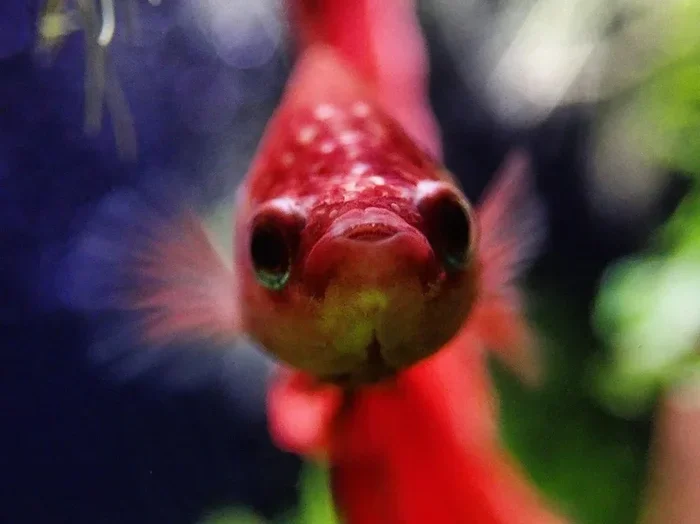
- White spots or unusual patches on the body
If you notice any of these signs, test the water immediately. Check ammonia, nitrite, and nitrate levels. Perform a partial water change if needed. Often, stress after a move is caused by a water quality issue that is easy to fix.
Enhancing Your Betta’s New Aquarium Home
Once your betta has settled in, you can focus on making the aquarium a great place to live. The right setup does wonders for your fish’s well-being and also makes the tank a beautiful addition to your home.
Best Plants for a Betta Aquarium
Live plants are the best choice for betta tanks. They produce oxygen, absorb nitrates, and provide natural hiding spots. Some excellent options include:
- Java fern
- Anubias
- Amazon sword
- Betta bulbs
- Java moss
These plants are hardy and easy to care for. They create a natural environment that your betta will love. If you are new to planted tanks, start with a few simple plants and grow from there.
Decorations and Hideouts
Bettas feel safer in tanks with plenty of cover. Add caves, driftwood, and smooth rocks. Avoid sharp decorations that can tear your betta’s delicate fins. Silk plants are a good alternative to live plants if you are still learning the ropes.
Creating a comfortable environment goes a long way. Your betta will explore, rest, and thrive in a well-decorated tank. For more ideas, our article on how to decorate a betta fish bowl offers plenty of inspiration that works for aquariums too.
Feeding Your Betta in the New Tank
A good diet keeps your betta healthy and colorful. Feed a mix of high-quality betta pellets and frozen or live foods like brine shrimp or bloodworms. Offer small amounts twice a day. Remove any uneaten food after a few minutes to keep the water clean.
For more detailed feeding guidance, check out our comprehensive guide on how to take care of betta fish for expert tips on nutrition and daily care routines.
Common Mistakes to Avoid During the Transition
Even with the best intentions, mistakes can happen. Here are the most common errors fish keepers make when moving a betta from a bowl to a tank:
- Skipping the acclimation process: Never dump your betta directly into the new tank. The temperature and water chemistry differences can be dangerous.
- Adding the bowl water to the aquarium: Bowl water often contains waste and bacteria. Always use a net to transfer your fish.
- Overcrowding the tank: Bettas are solitary fish. Do not add tank mates without proper research. Some fish may nip at betta fins or cause stress.
- Turning off the filter: Some owners turn off the filter to protect their betta from current. This is a mistake. The filter keeps the water clean. Simply baffle the output if the flow is too strong.
- Changing too much water at once: Large water changes can crash your tank’s parameters. Stick to 25% changes weekly.
- Ignoring water testing: Even if the water looks clear, harmful chemicals can be present. Test regularly.
Avoiding these mistakes will make the transition smooth and successful. Your betta will thank you with vibrant colors and lively behavior.
Final Thoughts
Moving your betta from a bowl to an aquarium is one of the best upgrades you can make for your fish. It gives your betta more space, cleaner water, and a healthier environment. The process requires patience and attention to detail, but the results are well worth the effort.
Remember to prepare the tank before the move, acclimate your betta gradually, and monitor your fish closely afterward. With the right approach, your betta will settle into its new home quickly and thrive. The joy of watching your fish explore a spacious, beautifully set-up aquarium is a reward in itself.
Take your time, follow each step, and enjoy the journey of giving your betta the best life possible. A happy betta in a well-maintained aquarium is a sight to behold.
Frequently Asked Questions
How long does it take for a betta fish to adjust to a new aquarium?
Most bettas take 3-7 days to fully adjust to a new aquarium. During the first 24-48 hours, they may hide or stay still. This is completely normal. Give your betta time and keep the tank environment calm and quiet. Avoid disturbing the fish during this adjustment period.
Can I use the water from my betta’s bowl in the new aquarium?
You should not pour bowl water directly into the new aquarium. Bowl water often contains waste, uneaten food, and bacteria that can disrupt the tank’s water chemistry. Use a net to transfer your betta and discard the bowl water safely.
Do I need a heater in a betta aquarium?
Yes, a heater is essential for a betta aquarium. Bettas are tropical fish and need warm water between 78-80°F. Room temperature water is usually too cold and can weaken your betta’s immune system. A reliable aquarium heater keeps the temperature stable and safe.
What size aquarium is best for a single betta fish?
A 5-gallon tank is the minimum recommended size for a single betta. A 10-gallon tank offers even more benefits. Larger water volume means more stable conditions and easier maintenance. Avoid tanks smaller than 5 gallons, as they behave similarly to bowls with poor water quality.
Should I turn off the aquarium lights after moving my betta?
Yes, it is a good idea to keep the lights off or dim for the first few hours after the move. Bright lights can stress a betta that is already adjusting to a new environment. After a few hours, return to a normal light schedule of 8-10 hours per day.
Can I add tank mates for my betta in the new aquarium?
Bettas are generally solitary and can be aggressive toward other fish. Some peaceful species like snails or certain shrimp may coexist, but always research compatibility first. Avoid fish with bright colors or long fins, as bettas may see them as rivals. A well-planted tank with plenty of hiding spots helps reduce territorial behavior.
=== CONCLUSION ===
Taking your betta fish from a bowl to an aquarium is a journey that benefits both you and your fish. With the right preparation, a gradual acclimation process, and consistent post-move care, your betta will thrive in its new home. Follow the steps outlined in this guide and you will set your fish up for a long, healthy, and happy life.
Remember that every betta is different. Some adjust quickly, while others need more time. Be patient, observe your fish daily, and make adjustments as needed. The effort you put into this transition will pay off with a vibrant, active betta that brings joy to your home every single day.