How to Switch Out Water for Betta Fish
Switching out water for your betta fish is one of the most important parts of betta care. Regular water changes remove harmful toxins like ammonia and nitrates that build up in the tank. This guide walks you through everything you need to know, from prepping new water to making the switch safely. You will learn the right frequency, temperature, and method to keep your betta happy and healthy.
Switching out water for your betta fish might seem simple, but there is a lot more to it than just pouring in fresh water. The water in your betta’s tank builds up harmful chemicals over time. These include ammonia, nitrites, and nitrates that come from fish waste and leftover food. If you do not remove these toxins regularly, your betta can get very sick.
Learning how to switch out water for betta fish the right way is a skill every betta owner needs. It keeps your fish safe, reduces stress, and promotes a long, healthy life. In this guide, we will cover everything step by step. You will learn how often to do it, what supplies you need, and common mistakes to avoid.
Let us start with the basics. A water change means removing a portion of the old tank water and replacing it with fresh, treated water. This is different from a full tank clean, which removes all the water and can destroy the good bacteria your tank needs. A partial water change is the safest and most effective method for routine maintenance.
The goal is simple: keep the water clean without disrupting the balance your betta depends on. When you do this correctly, your fish will be more active, have brighter colors, and stay healthy for years. Let us dive into the details.
Key Takeaways
- Switch water regularly: Aim for 25-50% water changes every 1-2 weeks to maintain clean, safe water for your betta.
- Prep water before adding it: Always use a water conditioner to remove chlorine and chloramine from tap water before it touches your betta.
- Match the temperature: New water should be close to the tank temperature, ideally between 78-80°F, to avoid stressing your fish.
- Use the right method: A gravel vacuum helps remove debris from the substrate while you swap out water, keeping the tank clean without a full tear-down.
- Watch for warning signs: Cloudy water, lethargy, or loss of appetite can signal that your water change routine needs adjustment.
- Never replace all the water at once: A full water change destroys beneficial bacteria and can shock or kill your betta.
- Consistency matters: Stick to a schedule so your betta’s environment stays stable and stress-free.
📑 Table of Contents
Why Switching Water Is Essential for Betta Fish
Betta fish live in small enclosed spaces. Unlike larger aquariums that have more dilution power, a betta tank accumulates waste quickly. Even with a filter, toxins build up between water changes. Your betta cannot simply swim away from dirty water. It lives in whatever you put in front of it.
Here is what happens when you skip or delay water changes:
- Ammonia spikes: Fish waste and uneaten food break down into ammonia. Even small amounts are toxic to bettas.
- Nitrite buildup: Nitrite damages the gills and makes it hard for your betta to breathe.
- Nitrate accumulation: Nitrates are less toxic but still harmful at high levels. They cause stress and weaken the immune system.
- Cloudy or foul-smelling water: This is a clear sign that the tank needs attention.
- Algae growth: Excess nutrients from waste feed algae, which can take over the tank fast.
Regular water changes prevent all of these problems. They also give you a chance to observe your betta closely. You can check for signs of illness, note any behavioral changes, and make sure everything looks right in the tank.
How Often Should You Switch Out Water?
The frequency depends on tank size and whether you have a filter. For a standard 5-gallon betta tank with a filter, a 25-30% water change every one to two weeks works well. Smaller tanks or bowls without filters need more frequent changes, sometimes twice a week.
If you want a detailed schedule, check out our guide on how often to change water for betta fish. It breaks down the exact schedule based on tank size and setup.
Here is a simple reference table to help you plan:
- 5-gallon tank with filter: 25-30% change every 7-14 days
- 3-gallon tank with filter: 25% change every 5-7 days
- Bowl or vase (no filter): 50% change every 3-5 days
- 10-gallon tank with filter: 20-25% change every 10-14 days
These numbers are starting points. Always test your water with a kit if you can. If ammonia or nitrites show up, you need to do a water change sooner.
Supplies You Need for a Water Change
Gathering your supplies before you start makes the process smooth and stress-free. You do not need much, but having everything ready saves time and prevents mistakes.
Water Conditioner
This is the most important supply. Tap water contains chlorine and chloramine, which are safe for humans but deadly for fish. A water conditioner neutralizes these chemicals instantly. You add it to the new water before it goes into the tank.
For a detailed walkthrough on this step, see our article on how to condition tap water for betta fish. It covers dosing, timing, and product recommendations.
Gravel Vacuum
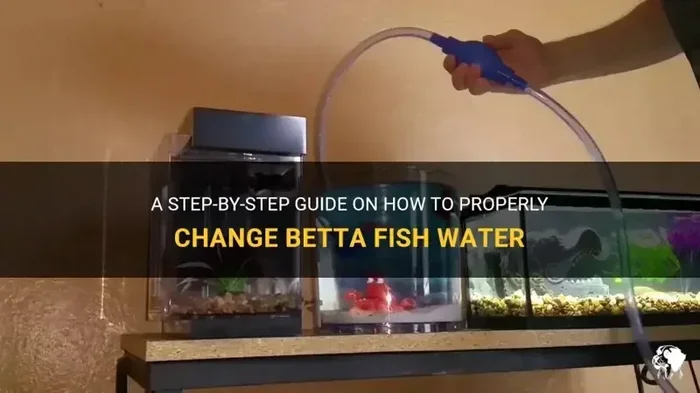
A gravel vacuum (also called a siphon) lets you pull debris from the substrate while removing old water. This is a huge time-saver. You do not need to move your betta or take everything out of the tank. Just insert the vacuum into the gravel, and it sucks up waste trapped below the surface.
A Bucket or Container
Use a clean bucket dedicated only to fish tank use. Never use a bucket that has held soap, chemicals, or cleaning products. Even tiny residues can harm your betta.
A Thermometer
Bettas are tropical fish and need warm water. A thermometer helps you match the temperature of the new water to the tank water. We will cover the ideal temperature in the next section.
A Clean Sponge or Cloth
Use this to wipe down the outside of the tank glass. It keeps algae and grime off the walls without disturbing your betta inside.
How to Prepare the New Water
Preparing the new water properly is just as important as removing the old water. If you skip this step, you could accidentally harm your betta.
Step 1: Let the Water Sit (Optional)
Some aquarists let tap water sit for 24 hours before adding conditioner. This allows chlorine to evaporate naturally. However, chloramine does not evaporate easily, so you still need a conditioner. For most hobbyists, adding conditioner directly is faster and more reliable.
If you want to learn more about preparing water the right way, read our guide on how to prepare water for a betta fish. It covers every method in detail.
Step 2: Add Water Conditioner
Follow the dosing instructions on your conditioner bottle. Most products treat a specific volume of water per drop or capful. Measure carefully. Using too little leaves harmful chemicals in the water. Using too much is usually safe but wastes product.
Step 3: Match the Temperature
Bettas thrive in water between 78-80°F (25-27°C). The new water should be as close to the tank temperature as possible. If the new water is too cold, it can shock your betta. If it is too warm, it can reduce oxygen levels and stress your fish.
Use a thermometer to check both the tank water and the new water. If they are within 1-2 degrees of each other, you are good to go. A small difference is fine. A large gap is not.
Quick Tip: Speed Up Temperature Matching
If your new water is too cold, let the bucket sit in a warm room for a while. You can also float the sealed bucket in the tank for 15-20 minutes to help the temperatures equalize. This is a gentle and effective method.
Step-by-Step Guide to Switching Out Water
Now that you have your supplies and your water is ready, let us walk through the actual water change process. Follow these steps in order for the best results.
Step 1: Turn Off Equipment
Before you start, turn off your filter, heater, and any air stones. Moving water makes it harder to remove old water with a siphon. Turning things off also protects your equipment from damage during the process.
Step 2: Remove Decorations and Check the Substrate
Gently lift any decorations or plants. You will find debris hiding underneath. Use your gravel vacuum to clean the substrate. Push the vacuum into the gravel at a slight angle and let it suck up dirt, fish waste, and leftover food.
Do not vacuum too aggressively. You do not need to strip the entire substrate clean. Just focus on visible debris and areas where waste accumulates, like corners and under decorations.
Step 3: Remove Old Water
Use the gravel vacuum to remove the planned amount of water. For a 25% change in a 5-gallon tank, that is about 1.25 gallons. Direct the siphon into your clean bucket.
While you are removing water, take note of the water quality. Is it cloudy? Does it smell bad? These observations tell you how your tank is doing overall.
Step 4: Add the New Water
Slowly pour the treated water into the tank. Pour it onto a plate or into a plastic bag first to reduce the impact of the water flow. Direct pouring can disturb the substrate and stress your betta.
Add the water gradually. This gives your betta time to adjust to the slight changes in temperature and flow.
Step 5: Turn Equipment Back On
Once the water is added, turn your filter and heater back on. Check that the heater is reading the correct temperature. Give your betta a few minutes to settle in before feeding.
Step 6: Dispose of Old Water Properly
Never pour old tank water down the drain without checking local regulations. Some areas have restrictions on draining aquarium water. In most cases, it is safe to pour it down a household drain, but avoid pouring it into natural waterways.
Common Mistakes to Avoid When Switching Water
Even experienced fish keepers make mistakes. Here are the most common errors and how to avoid them.
Mistake 1: Using Untreated Tap Water
This is the number one killer of bettas in home aquariums. Chlorine and chloramine in tap water burn the gills and suffocate fish. Always condition your water before adding it to the tank.
Mistake 2: Doing a 100% Water Change
A full water change wipes out beneficial bacteria that keep your tank cycled. These bacteria break down toxic ammonia and nitrites. Without them, your tank can spike in ammonia within hours. Stick to partial changes of 25-50% maximum.
If you are unsure about the nitrogen cycle and beneficial bacteria, our article on how to cycle a fish tank for betta explains everything you need to know.
Mistake 3: Ignoring Temperature Differences
Bettas are sensitive to temperature swings. Even a 5-degree drop can cause stress and lead to diseases like ich or fin rot. Always match temperatures before adding new water.
Mistake 4: Changing Water Too Often or Too Little
Over-changing water can strip out beneficial minerals your betta needs. Under-changing allows toxins to build up. Finding the right balance is key. Stick to your schedule and adjust based on test results.
Mistake 5: Forgetting to Rinse Equipment
Your gravel vacuum, buckets, and nets should be rinsed with plain water (no soap) before each use. Soap residues are toxic to fish even in tiny amounts.
Signs Your Betta Needs a Water Change Sooner
Sometimes your betta will tell you the water needs changing before your schedule does. Watch for these warning signs:
- Lethargy: Your betta spends most of the time lying at the bottom or hiding.
- Loss of color: Faded or dull colors can signal stress from poor water quality.
- Clamped fins: Fins held close to the body indicate discomfort.
- Loss of appetite: If your betta refuses food for more than a day, check the water parameters.
- Rapid breathing: Gasping at the surface suggests low oxygen or high ammonia.
- White spots or fungus: These are often signs of a stressed immune system caused by dirty water.
If you notice any of these signs, test the water and do a water change immediately. For tips on saving a betta after a water change gone wrong, read our article on how to save dying betta fish after water change.
Expert Tips for Long-Term Water Quality
Water changes are only one part of the equation. Here are expert-level tips that take your betta care to the next level.
Test your water regularly. A liquid test kit is more accurate than test strips. Test for ammonia, nitrites, nitrates, and pH at least once a month. This gives you a clear picture of what is happening in your tank between water changes.
Do not overfeed your betta. Excess food decays and produces ammonia. Feed small amounts twice a day and remove any uneaten food after five minutes. This single habit dramatically improves water quality.
Add live plants if possible. Live plants absorb nitrates and produce oxygen naturally. They act as a natural filtration system and create a healthier environment for your betta. Even low-light plants like java fern or anubias work well.
Keep a maintenance log. Write down when you do water changes, how much water you replace, and any observations about your betta’s behavior. Over time, this log becomes an invaluable tool for spotting patterns and catching problems early.
Conclusion
Switching out water for betta fish does not have to be complicated or stressful. With the right supplies, a simple routine, and a little attention to detail, you can keep your betta’s tank clean and safe all year long. The key is consistency. Stick to a regular schedule, always treat your new water, and match the temperature carefully.
Remember that your betta depends entirely on you for a healthy environment. Every water change is an act of care. It shows your fish that you are paying attention and that its home is a priority. Start with the basics from this guide, build your confidence, and you will see the difference in your betta’s energy, color, and overall health.
Take action today. Check your tank, test your water, and plan your next water change. Your betta will thank you for it.
Frequently Asked Questions
How long should I let tap water sit before adding it to my betta tank?
If you are using a water conditioner, you do not need to let the water sit at all. You can add the conditioner immediately and use the water right away. However, if you prefer to let it sit for 15-20 minutes while the conditioner works, that is perfectly fine too.
Can I use bottled spring water for my betta fish?
Spring water can work, but it often lacks the minerals bettas need and may have an unpredictable pH. It is usually better to use tap water treated with a conditioner. This gives you control over water quality and ensures harmful chemicals are removed.
What temperature should I match when switching water for my betta?
Match the temperature to within 1-2 degrees of the tank water. The ideal range for bettas is 78-80°F. Use a thermometer to check both the new water and the tank water before adding the new water in.
Is it okay to do a water change every day?
Daily water changes are not recommended unless you are caring for a very small unfiltered bowl. Frequent large changes can destabilize the tank and remove beneficial bacteria. Stick to partial changes every 1-2 weeks for the best results.
What happens if I forget to do a water change for a month?
Toxins like ammonia and nitrites will build up to dangerous levels. Your betta may show signs of stress, illness, or lethargy. If this happens, do a water change immediately and test the water parameters. You may need to do multiple smaller changes over a few days to safely bring levels down.
Do I need to remove my betta from the tank during a water change?
No, you do not need to remove your betta. In fact, keeping your betta in the tank during a water change is safer. Removing it adds unnecessary stress and risks injury. Just be gentle when pouring new water and avoid strong flow near your fish.