How Many Fish Will a Betta Hold
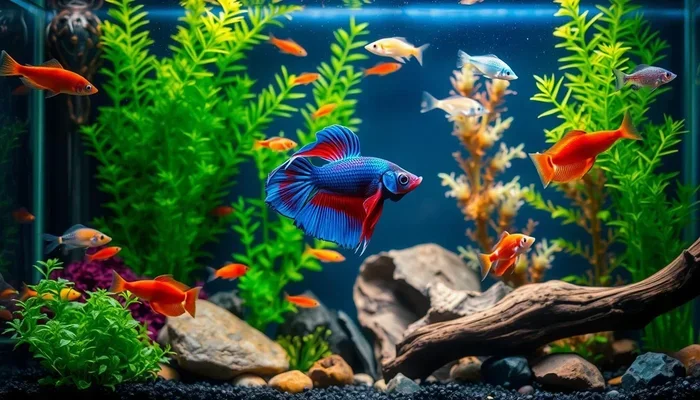
A betta fish will typically hold just one fish — itself — because of its highly territorial and aggressive nature. Many fish owners wonder how many fish a betta will hold in a community tank, but the honest answer is that most bettas thrive best when kept alone in a 5-gallon tank or larger. With careful planning, the right tank setup, and peaceful tank mates, some bettas can share space with a few compatible species, but overcrowding is never the answer.
How Many Fish Will a Betta Hold
So you want to know how many fish will a betta hold in its tank? This is one of the most common questions new betta owners ask. The answer isn’t as simple as a single number. A betta’s ability to share a tank depends on tank size, personality, and the other fish species you choose. In this guide, we’ll walk you through everything you need to know about betta fish compatibility, the right tank setup, and how to create a peaceful community without stressing your fish.
Betta fish are beautiful, colorful, and full of personality. But they are also territorial. Many people assume a betta can live alone forever, and that’s not always true. With the right setup, your betta can share its home with other peaceful creatures. Let’s dive into the details and help you make the best decisions for your betta fish care routine.
Key Takeaways
- A single betta needs a 5-gallon tank to stay healthy and stress-free.
- Never house two male bettas together; they will fight and injure each other.
- Peaceful community fish like corydoras can share a tank safely with your betta.
- Introduce tank mates slowly and watch for signs of aggression or stress.
- A 10-gallon tank opens up more compatible companion options for your betta.
- Avoid fin-nippers like tiger barbs that will damage delicate betta fins.
- Regular water changes reduce territorial behavior and keep your betta calm.
📑 Table of Contents
Understanding Betta Fish Behavior and Territory
Before you add any tank mates, you need to understand how bettas think. Bettas are territorial fish by nature. In the wild, they claim small patches of water and defend them fiercely. This instinct doesn’t disappear in captivity. It simply shapes how they interact with other fish.
Male bettas, in particular, have long, flowing fins that make them stand out. Other fish may see these fins as a threat or a target. Female bettas tend to be slightly less aggressive, but they still have boundaries. Understanding betta behavior helps you choose the right companions and avoid fights.
What Makes a Betta Aggressive?
Several factors trigger aggression in bettas. Bright colors in other fish can provoke chasing behavior. Fish with long fins may be seen as rivals. Even the shape of another fish can cause stress. Here are the main triggers:
- Bright reds, blues, and greens that mimic betta colors
- Fish with large, flowing fins
- Fish that swim too close to the betta’s territory
- Overcrowded tanks with too many fish
- Lack of hiding spots and visual barriers
The key takeaway is that betta personality varies from fish to fish. Some bettas are calm and tolerant. Others are feisty and defensive. Watching your fish closely gives you the best sense of what works in your tank.
How Tank Size Affects Betta Stocking
The single most important factor in answering how many fish will a betta hold is tank size. A tiny bowl limits your options. A larger aquarium opens up possibilities. Let’s break this down clearly.
Many people start with a 5-gallon tank for a single betta. This works well for a solo fish. But if you want to add companions, you need more space. The general rule is simple: more water means more room for everyone to coexist peacefully. Betta fish tank size directly impacts stress levels and overall health.
Recommended Tank Sizes for Community Setups
| Tank Size | Betta Alone | With Tank Mates | Best For |
|---|---|---|---|
| 5 gallons | Yes, ideal | Not recommended | Solo betta setups |
| 10 gallons | Yes, comfortable | 1-2 small peaceful fish | Small community tanks |
| 20 gallons | Yes, spacious | 3-5 compatible fish | Medium community tanks |
| 30+ gallons | Yes, plenty of room | 5+ peaceful species | Larger community setups |
As you can see, a 5-gallon tank is perfect for one betta but not much else. If you want to explore how many fish in a 10 gallon tank with a betta, a 10-gallon tank gives you a bit more room. You can add a few small, peaceful species without overcrowding the space.
Overstocking is one of the fastest ways to ruin water quality. More fish means more waste, more ammonia, and more stress. Always prioritize space over the number of fish you want to add.
Best Tank Mates for Your Betta
Now let’s talk about the fun part. Which fish can actually share a tank with a betta? The answer lies in choosing species that are peaceful, small, and unlikely to trigger territorial behavior. Not all fish make good companions, and some combinations simply won’t work.
When selecting tank mates for betta, focus on fish that occupy different levels of the tank. Bettas tend to stay near the top and middle of the water column. Fish that swim at the bottom or in the middle layers reduce the chance of conflict.
Top Peaceful Fish Species for Betta Tanks
Here are some of the best options for a community tank with a betta:
- Corydoras catfish — Small bottom dwellers that mind their own business
- Neon tetras — Colorful, peaceful, and stay in the middle of the tank
- Kuhli loaches — Unique, shy fish that keep to themselves
- Ghost shrimp — Tiny, useful cleaners that rarely bother bettas
- Amano shrimp — Great algae eaters and peaceful tank companions
- Mystery snails — Slow-moving and unlikely to trigger aggression
- Harlequin rasboras — Schooling fish that stay calm and non-threatening
These species share similar water parameters with bettas, which makes the setup easier. They prefer warm water around 76-80°F and a slightly acidic to neutral pH. Always research any new fish before adding it to your tank.
Fish to Avoid With Bettas
Some fish simply don’t work with bettas. Avoid these common mistakes:
- Other male bettas — they will fight to the death
- Fish with bright, betta-like colors
- Large or aggressive species like goldfish
- Fin-nippers like tiger barbs
- Fish that are too active and constantly harass the betta
Choosing the right companions makes all the difference. A well-planned betta habitat keeps everyone healthy and happy.
How to Introduce New Fish to Your Betta
Adding new fish to a betta tank requires patience and care. You can’t just dump new arrivals into the tank and hope for the best. The introduction process matters a lot. A rushed introduction can lead to stress, injury, or even death.
Step-by-Step Introduction Process
Follow these steps to give your betta and new fish the best chance at a peaceful coexistence:
- Set up the tank first. Make sure your tank is fully cycled and stable before adding any new fish. Use a betta fish tank divider if needed during the adjustment period.
- Quarantine new fish. Keep new arrivals in a separate tank for 2-4 weeks. This helps prevent disease from spreading to your betta.
- Introduce during feeding time. Feed your betta first so it’s distracted and less territorial when it notices the new fish.
- Watch closely for the first 48 hours. Look for signs of chasing, flaring, or hiding. Some initial curiosity is normal, but aggression is a red flag.
- Have a backup plan. Keep a separate container ready in case you need to remove a fish that doesn’t get along.
Every betta is different. Some accept new tank mates within hours. Others need days or even weeks to adjust. Patience is your greatest tool here.
Setting Up the Perfect Community Tank
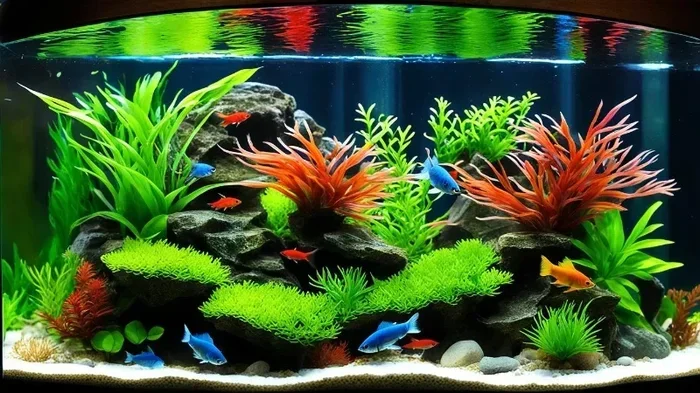
A successful community tank doesn’t happen by accident. It takes planning, the right equipment, and ongoing maintenance. If you want to create a thriving environment where your betta and its companions can flourish, the setup matters just as much as the fish selection.
Essential Setup Tips
- Add plenty of plants. Live or silk plants create natural barriers and hiding spots. They break up lines of sight and reduce aggression. Check out how to set up a fish tank for betta fish properly.
- Use gentle filtration. Strong filters create currents that stress bettas. Choose a sponge filter or adjust the flow to be very gentle.
- Maintain consistent water temperature. Bettas need warm water. A heater set to 78-80°F keeps everyone comfortable.
- Keep the tank clean. Regular water changes prevent ammonia spikes. Poor water quality causes stress and illness in all fish.
- Provide hiding places. Caves, driftwood, and dense plants give shy fish a safe retreat.
Taking care of the betta fish water quality is essential when you have multiple inhabitants. More fish means more waste, so a consistent maintenance routine is non-negotiable.
Common Mistakes When Stocking a Betta Tank
Even experienced fish keepers make mistakes. Learning from common errors saves you time, money, and heartache. Here are the pitfalls to avoid when deciding how many fish your betta can share a tank with.
Mistake 1: Too Many Fish Too Soon
It’s tempting to add lots of fish at once. Resist that urge. Start with one or two tank mates and observe how your betta reacts. Adding too many fish at once overwhelms the biological filter and spikes ammonia levels quickly.
Mistake 2: Ignoring Personality Differences
Not all bettas are the same. Some are docile and curious. Others are aggressive and defensive. If your betta shows signs of stress — flaring constantly, hiding, or refusing food — it may not be ready for tank mates. Respect your fish’s individual needs.
Mistake 3: Overlooking Water Parameters
Different fish species need different conditions. Before adding any new fish, make sure the water parameters match what both the betta and the new fish require. Mismatched conditions lead to sick fish and a failing tank.
Mistake 4: Skipping the Quarantine
Never skip quarantine. New fish can carry parasites and diseases that spread quickly in a small tank. A simple quarantine tank protects your entire collection.
Key Takeaways for Successful Betta Community Tanks
So, how many fish will a betta hold? The honest answer is: it depends. Tank size, betta personality, and the species you choose all play a role. Here’s a quick recap of what we covered:
- A 5-gallon tank works best for a solo betta
- A 10-gallon tank allows for 1-2 peaceful companions
- 20 gallons or more opens up more options for a community setup
- Choose peaceful, non-aggressive species that stay in different tank zones
- Always introduce new fish slowly and monitor behavior closely
- Maintain excellent water quality through regular maintenance
Building a community tank with a betta is rewarding and fun. When you get the balance right, your tank becomes a peaceful, vibrant ecosystem. Start small, learn your betta’s personality, and grow your setup over time. The right combination of fish creates a beautiful display that brings joy every day.
Remember that every betta is unique. What works for one fish may not work for another. Trust your observations, stay patient, and always put the health and comfort of your fish first. With the right approach, you’ll create a thriving home where your betta and its tank mates can live happily together.
Frequently Asked Questions
How Many Fish Will a Betta Hold in a Tank?
A betta fish typically does best in a tank alone due to its territorial nature. If you want to keep other fish, a 10-gallon tank or larger gives your betta enough space to coexist peacefully with a few small, non-aggressive species.
Can a Betta Fish Live With Other Fish?
Yes, bettas can live with other fish, but tank size and temperament matter greatly. Peaceful species like corydoras, snails, and certain tetras make the best companions for a betta.
How Many Fish Will a Betta Hold in a 5-Gallon Tank?
A 5-gallon tank is best kept for a single betta fish only. Adding other fish in such a small space increases stress, waste, and the risk of aggression from your betta.
What Fish Can Live With a Betta?
Good tank mates include corydoras catfish, ghost shrimp, mystery snails, and small schooling tetras. These species are peaceful and stay out of your betta’s territory, reducing conflict.
How Many Fish Can You Keep With a Betta in a 10-Gallon Tank?
In a 10-gallon tank, you can keep your betta alongside 3 to 5 small, peaceful fish or invertebrates. Just make sure each fish has enough swimming space and hiding spots to avoid territorial disputes.
Will a Betta Kill Other Fish in the Tank?
Bettas can become aggressive toward fish that resemble them or invade their space. Choosing the right tank mates and providing enough room significantly reduces the chance of injury or death to other fish.