How to Switch Betta Fish Tank Led Lights
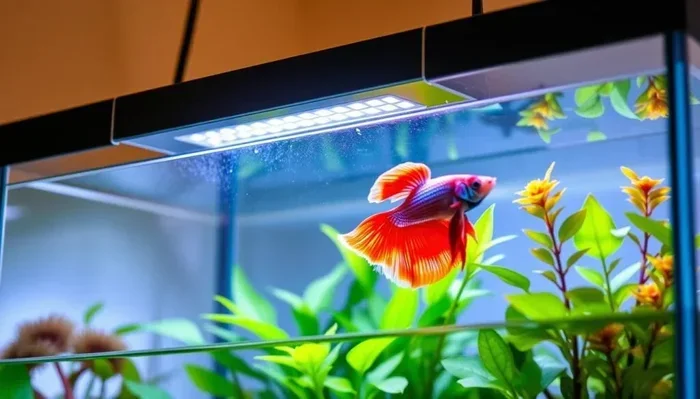
Switching your betta fish tank LED lights doesn’t have to be complicated. This guide walks you through choosing the right LED aquarium lighting, installing it step by step, and setting a lighting schedule that keeps your betta comfortable and your tank looking gorgeous.
Key Takeaways
- Match the spectrum: Choose LED lights with a color temperature between 6500K and 8000K for a healthy betta environment.
- Keep it dim: Bettas prefer low to moderate light intensity, so avoid overly powerful LEDs.
- Use a timer: A consistent 8-12 hour lighting schedule reduces stress and prevents algae growth.
- Transition gradually: Never switch lights abruptly; give your betta time to adjust to the new setup.
- Consider live plants: If you have plants, your LED spectrum needs to support photosynthesis too.
- Watch for signs of stress: Fading colors or erratic behavior mean your lighting may need adjusting.
📑 Table of Contents
- Why Switching Your Betta Tank LED Lights Matters
- Choosing the Right LED Lights for Your Betta Tank
- Step-by-Step Guide to Switching Betta Fish Tank LED Lights
- Setting Up the Right Lighting Schedule for Betta Fish
- Common Mistakes When Switching Betta Tank LED Lights
- Maintaining Your Betta Tank LED Lighting System
- Conclusion
Why Switching Your Betta Tank LED Lights Matters
Your betta fish spends every single day under the lights in its tank. That means the type of LED aquarium lighting you use directly affects your fish’s health, color, and overall happiness. Switching to the right LED setup can make a huge difference.
Think about it. You’d feel pretty stressed if you were stuck under bright, flickering lights all day. Your betta feels the same way. Betta fish light sensitivity is real, and choosing the wrong LEDs can lead to stress, poor color, and even health problems.
But it’s not just about your fish. The right betta fish tank LED lights also keep algae under control and make your tank look stunning. Let’s break down everything you need to know about making the switch.
How Lighting Affects Your Betta
Bettas come from warm, shallow waters in Southeast Asia. In the wild, they experience natural light cycles with sunrise and sunset. They don’t live under constant bright beams. That’s why betta fish lighting schedule matters so much in captivity.
Good lighting brings out those gorgeous reds, blues, and greens that bettas are famous for. Bad lighting can make your fish look dull and stressed. It can also disrupt their sleep-wake cycle, which weakens their immune system over time.
Choosing the Right LED Lights for Your Betta Tank
Not all LED lights are created equal. Before you switch anything, you need to pick the right product. There are a few key factors to consider when shopping for best LED lights for betta tanks.
Color Temperature
Color temperature is measured in Kelvin (K). For a betta tank, aim for lights in the 6500K to 8000K range. This gives a natural daylight look that enhances your fish’s colors beautifully. Anything below 5000K looks too yellow. Anything above 10000K can be too harsh.
If you have live plants in your tank, lean toward the higher end around 8000K. That spectrum supports photosynthesis well. But if it’s just a betta in a planted-free setup, 6500K works perfectly fine.
Light Intensity
This is where many people go wrong. Bettas don’t need bright lights. In fact, betta fish comfort is much better with low to moderate light levels. A tank rated for 20 gallons or smaller usually only needs around 10-20 lumens per gallon.
Stay away from lights designed for reef tanks or heavily planted aquariums. Those pump out way too much intensity for a single betta. Your fish will hide more, appear stressed, and may even stop eating properly.
Size and Compatibility
Make sure the LED light fits your tank correctly. Most LED strips or panels are designed for specific tank sizes. Check the measurements before buying. An oversized light can overheat the water. An undersized light won’t cover the whole tank evenly.
Also consider how the light mounts. Some clip onto the lid, some sit inside the tank, and some attach to the back. Pick whatever works best for your setup.
Step-by-Step Guide to Switching Betta Fish Tank LED Lights
Now that you have the right light, it’s time to make the switch. Follow these steps carefully so your betta stays safe and comfortable throughout the process.
Step 1: Prepare Everything First
Before you touch anything, gather your supplies. You’ll need the new LED light, a clean cloth, and possibly a small screwdriver depending on your mount. Make sure the new light is fully unboxed and ready to go.
Here’s a quick checklist:
- New LED light compatible with your tank size
- Clean microfiber cloth
- Screwdriver or mounting hardware (if needed)
- Aquarium-safe cleaning solution (optional)
- Your phone or notebook to record settings
Step 2: Remove the Old Light
Turn off the old light and unplug it from the wall. Never handle electrical equipment with wet hands. Carefully detach the old light from the lid, back panel, or rim of your tank.
If the old light has a bracket, remove that too. Wipe down the area where the new light will mount. Use a damp cloth to remove any dust, algae, or residue. This ensures a clean and secure fit for your new tank lighting upgrade.
Step 3: Install the New LED Light
Line up your new LED light with the mounting area. Secure it firmly. If it’s a clip-on model, make sure the clamp is tight but not so tight that it cracks the glass. If it’s an adhesive-backed strip, press it down firmly and hold it for 30 seconds.
Once mounted, plug the light in but don’t turn it on yet. Double-check that everything looks secure. Give the fixture a gentle tug to make sure it won’t fall.
Step 4: Test the Light
Turn on the new LED and observe it for a few minutes. Look at the color and brightness. Does it look natural? Is the light spread evenly across the tank? Check from different angles to spot any bright spots or dim areas.
If the light comes with adjustable settings, play around with them now. Most quality aquarium LED bulb options let you dim the light or change color modes. Find the setting that looks best and feels right for your betta’s space.
Step 5: Introduce Your Betta
Once you’re happy with the setup, it’s time to let your fish adjust. Don’t just dump your betta right back in if you removed it during the process. Float the bag or container for 15-20 minutes first. This helps equalize the temperature and reduces shock.
If you didn’t remove your betta, just watch its behavior over the next few hours. Some fish take time to get used to new lighting. That’s completely normal. As long as your betta is swimming normally and exploring, you’re good.
Setting Up the Right Lighting Schedule for Betta Fish
Switching the light itself is only half the job. You also need to set up a proper aquarium light timer to keep things consistent. Bettas thrive on routine, just like the rest of us.
How Many Hours Should the Light Be On?
Most betta experts recommend keeping the lights on for 8 to 12 hours per day. This mimics a natural day-night cycle. Some people go with 8 hours for a slightly darker setup. Others prefer 10-12 hours if they have live plants that need extra light.
Whatever you choose, stay consistent. Don’t turn the light on for 2 hours one day and 14 hours the next. Your betta needs predictability to feel safe.
Using a Timer
Buy a simple digital timer or use the built-in timer on your LED light. Set it to turn on in the morning and off at night. This takes all the guesswork out of the equation. You don’t have to remember to switch it every day, and your fish won’t be startled by sudden changes.
Pro tip: Set the light to turn on about 15 minutes before you usually wake up. It’s fun to watch your betta become active as the tank brightens up. Then set it to turn off around 30 minutes after you go to bed. Your fish gets a full night of darkness, and you get to enjoy the tank during waking hours.
Nighttime Considerations
Your betta needs total darkness while sleeping. Even small ambient lights from a nearby lamp can disrupt their rest. If your room has bright nighttime lighting, consider covering the tank with a towel or blackout cover for a few hours each night.
Common Mistakes When Switching Betta Tank LED Lights
Lots of fish keepers make avoidable mistakes during this process. Here are a few to watch out for.
Choosing Lights That Are Too Bright
This is the number one mistake. People buy powerful LEDs thinking brighter is better. For bettas, it’s not. Betta fish tank setup with strong lighting causes stress, hiding behavior, and even eye damage over time. Stick to low or medium intensity options.
Ignoring the Transition Period
When you switch to a different color temperature or brightness level, your betta might act confused for a day or two. Don’t panic. Let them explore and adjust. If they stay hidden for more than 24 hours, try dimming the new light slightly until they settle in.
Forgetting to Check Water Temperature
Some LED lights generate more heat than others. This is especially true with cheaper models. Over time, that extra heat can raise your tank’s water temperature, which is dangerous for bettas who need warm (but not hot) water between 76-82°F. Check your thermometer regularly after any switching fish tank lights process.
Skipping the Cleaning Step
When you remove the old light, take a moment to clean the tank rim or lid area. Algae buildup and debris can affect how well the new light adheres or clips. A quick wipe-down goes a long way toward a professional-looking install.
Maintaining Your Betta Tank LED Lighting System
Once your new LEDs are installed and your schedule is set, you still need to do some ongoing maintenance. LEDs last a long time, but they aren’t completely maintenance-free.
Regular Cleaning
Wipe down the LED fixture once a week with a dry or slightly damp cloth. Algae can grow on the light itself, blocking output and making the tank look murky. If you have a built-in how to clean algae from betta fish tank routine, include the light fixture in that process too.
Never submerge the LED fixture in water unless it’s specifically rated as submersible. Most LED strips and hood-mounted lights are not designed to be underwater.
Monitoring Performance
Over time, LEDs slowly lose brightness. You might not notice it day-to-day, but comparing month-to-month can reveal a decline. If your light seems dimmer than it used to be, it might be time for a replacement. Good quality LEDs typically last 2-3 years before noticeable dimming occurs.
Watching Your Betta’s Behavior
Your fish is the best indicator of whether the lighting is right. A healthy betta under good lights will be active, curious, and display bright colors. If you notice any of the following, reconsider your setup:
- Constant hiding or staying in corners
- Faded or washed-out coloration
- Rapid gilling or heavy breathing near the surface
- Loss of appetite during lit hours
- Swimming erratically near the light source
Quick Tips for Long-Term Success
- Pair your LED setup with a good filter and heater for overall tank health. Check out this guide on how to set up a fish tank for betta fish for a complete overview.
- If you’re unsure whether your current LEDs are okay to leave on continuously, read our article on are LED fish tank lights okay to leave on betta for detailed guidance.
- Keep a log of your light schedule and any behavior changes. This helps you spot patterns quickly.
- Avoid moving the light position once it’s set. Bettas like consistency in their environment.
Conclusion
Switching your betta fish tank LED lights is a simple but powerful way to improve your fish’s quality of life. The right light brings out stunning colors, supports natural behavior, and keeps the tank looking clean and inviting. Just remember to choose a gentle spectrum, set up a consistent timer, and watch your betta’s behavior for clues about how well the new setup is working.
Take your time with the process. Follow each step carefully, avoid the common mistakes we covered, and maintain your lighting system regularly. Your betta will reward you with vibrant displays and active, curious behavior every single day. Now go ahead and make that switch your fish has been waiting for.
Frequently Asked Questions
How long should I keep LED lights on for my betta fish?
Aim for 8 to 12 hours per day. This mimics a natural day-night cycle and keeps your betta on a consistent schedule. Use a timer so you don’t have to remember manually each day.
Can I use any LED light for my betta tank?
Not really. Choose LEDs with a color temperature between 6500K and 8000K and low to moderate intensity. Avoid high-wattage lights meant for reef or heavily planted tanks. Your betta needs gentle, natural-looking illumination.
Will switching LED lights stress my betta fish?
It can cause brief stress, but it’s usually temporary. Give your betta a few hours to adjust to the new lighting. If they stay hidden for more than a day, try dimming the light slightly until they settle in.
How do I know if my betta’s LED light is too bright?
If your betta constantly hides, stays in corners, or appears stressed during lit hours, the light is likely too intense. Switch to a dimmer setting or choose a lower-wattage LED. You can also check this resource on how to set up a fish tank for betta fish for more setup tips.
Do LED lights heat up a betta fish tank?
Some cheaper LED fixtures can generate a small amount of heat. It’s usually not enough to cause problems, but it’s a good idea to monitor your water temperature. If it rises above 82°F, consider switching to a cooler-running LED model.
How often should I replace my betta tank LED light?
Most quality LED lights last between 2 and 3 years before noticeable dimming occurs. If you notice the light output has decreased significantly or the color looks off, it’s time for a replacement. Regular cleaning can help extend the life of your fixture.