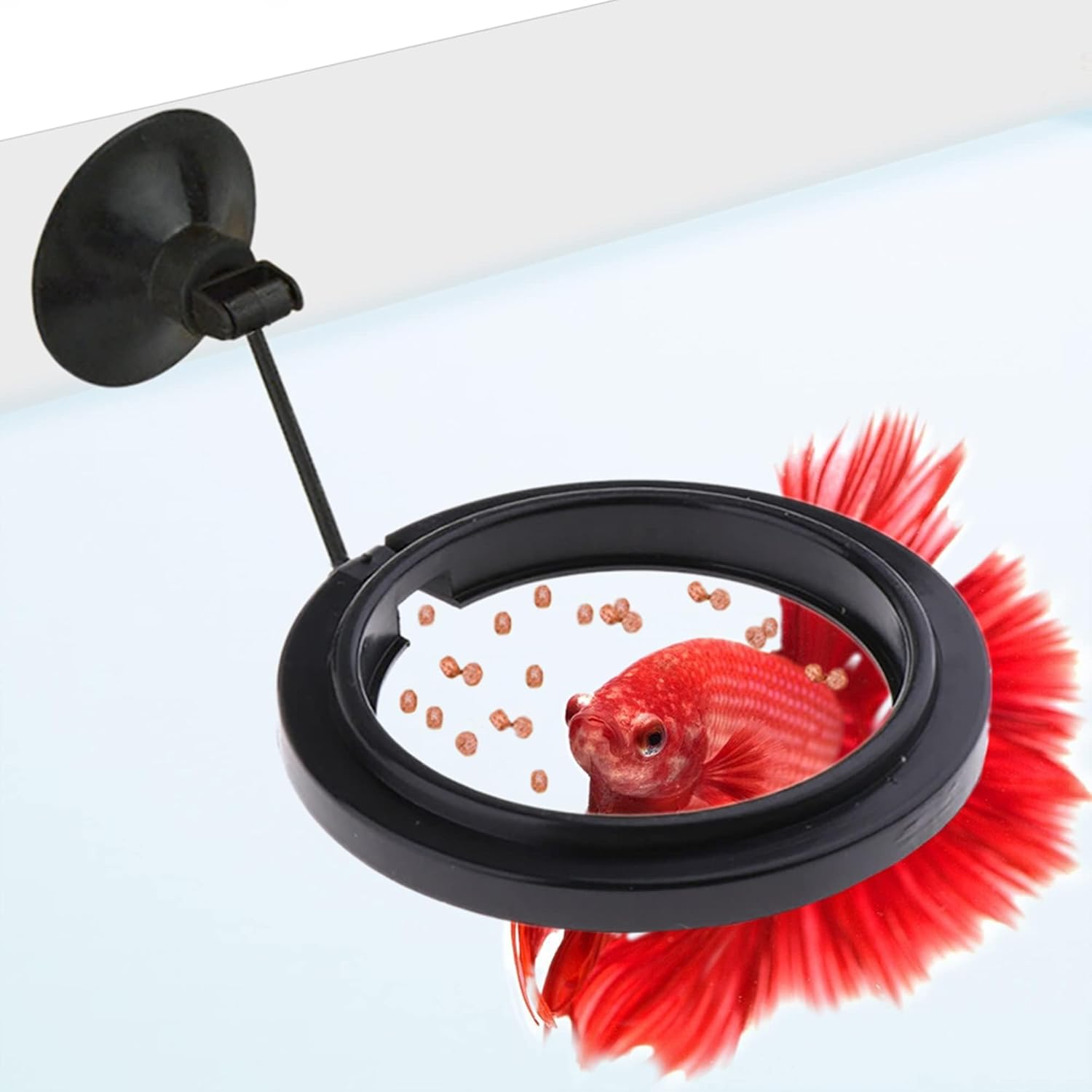
Looking for fish that can handle low‑oxygen water? Species like Betta, Guppies, and certain catfish have natural adaptations that let them thrive where oxygen is scarce. We break down the science, give practical tank tips, and suggest ideal companions for a healthy, low‑oxygen aquarium.
Key Takeaways
- Adaptation matters: Fish with labyrinth organs or air‑breathing guts survive best in low‑oxygen environments.
- Betta fish excel: Their unique labyrinth organ makes them a top choice for poorly aerated tanks.
- Tank mates matter: Choose compatible low‑oxygen species like Guppies, White Cloud Mollies, or small catfish.
- Water quality still counts: Even hardy fish need stable temperature, clean water, and occasional surface agitation.
- Plant and décor help: Live plants and soft‑flow filters can boost dissolved oxygen without strong currents.
- Maintenance tips: Regular water changes, proper feeding, and monitoring ammonia keep low‑oxygen tanks safe.
- Know the limits: Extremely low oxygen can still stress fish; aim for at least 4 mg/L dissolved O₂ for most tropical species.
📑 Table of Contents
- Introduction: Why Low‑Oxygen Matters for Betta Keepers
- 1. The Science of Oxygen in Water
- 2. Top Low‑Oxygen Champions for a Betta Tank
- 3. Setting Up a Low‑Oxygen Friendly Tank
- 4. Feeding Strategies for Low‑Oxygen Tanks
- 5. Choosing Compatible Tank Mates
- 6. Maintenance Routine to Keep Oxygen Levels Safe
- Conclusion: Thrive Even When Oxygen Is Low
Introduction: Why Low‑Oxygen Matters for Betta Keepers
Most new Betta owners think “any bowl will do” because these fish can gulp air from the surface. That’s true, but it’s only part of the story. While Betta fish have a special labyrinth organ that lets them survive where the water is thin on oxygen, they still thrive best when the tank isn’t constantly starving for dissolved oxygen.
Understanding which fish can handle low‑oxygen water helps you build a community tank that’s both beautiful and low‑maintenance. In this guide we’ll explore the biology behind oxygen tolerance, list the top low‑oxygen champions, and give you practical steps to keep them happy.
1. The Science of Oxygen in Water
How Dissolved Oxygen Works
Dissolved oxygen (DO) is the amount of O₂ gas that’s actually mixed into the water. Warm water holds less DO than cold water, and plants, rocks, and even the surface area of the tank affect how much oxygen can dissolve.

Visual guide about Which Type of Fish Can Survive Better in Low-oxygen Conditions
Image source: i.kym-cdn.com
Why Some Fish Bypass the Need for High DO
Two main tricks let fish live where DO is low:
- Air‑breathing organs: The labyrinth organ (found in Bettas, Gouramis, and some Anabantoids) lets fish pull oxygen directly from the air.
- Specialized gut or skin respiration: Certain catfish and loaches can absorb oxygen through their gut lining or skin.
These adaptations are evolutionary responses to stagnant ponds, rice paddies, or slow‑moving streams where oxygen levels dip dramatically.
2. Top Low‑Oxygen Champions for a Betta Tank
Betta splendens – The Classic Survivor
Betta fish are the poster child for low‑oxygen tolerance. Their labyrinth organ can extract up to 80% of the oxygen they need from a single gulp of air. That’s why a single Betta can live for weeks in a small, un‑aerated bowl—though it’s not ideal for long‑term health.

Visual guide about Which Type of Fish Can Survive Better in Low-oxygen Conditions
Image source: i.pinimg.com
Guppies (Poecilia reticulata)
Guppies are hardy, fast‑breeding, and can tolerate modest DO levels. They don’t have a labyrinth organ, but their small size and active surface breathing make them a good companion for Bettas when the tank is lightly stocked.
White Cloud Molly (Poecilia sphenops)
These mollies thrive in slightly brackish water and can handle lower oxygen because they often swim near the surface, gulping air when needed. Their peaceful nature pairs well with a single male Betta in a well‑planted tank.
Small Catfish – Corydoras & Otocinclus
Corydoras catfish have a highly vascularized gut that lets them extract oxygen from swallowed air. Otocinclus are even smaller and can survive in low‑flow setups, making them excellent cleanup crew members.
Loaches – Kuhli and Weather Loach
These elongated fish love hiding under driftwood and can gulp air from the surface. They’re nocturnal, so they won’t compete with the Betta for daytime visibility.
3. Setting Up a Low‑Oxygen Friendly Tank
Choosing the Right Size
Even though Bettas can live in tiny bowls, a 5‑gallon (19 L) tank gives you space for plants, décor, and a few tank mates. More water means more stable temperature and a larger buffer for waste.
Visual guide about Which Type of Fish Can Survive Better in Low-oxygen Conditions
Image source: kookaburra.com.au
Substrate and Décor
Soft sand or fine gravel works best because it doesn’t trap debris that could decompose and consume oxygen. For a deeper dive into substrate choices, see our guide on which is better sand or gravel for a fish tank.
Live Plants as Natural Aerators
Plants like Anubias, Java fern, and Hornwort release oxygen during photosynthesis. They also create micro‑habitats where low‑oxygen fish can hide.
Gentle Filtration
A sponge filter with a low flow rate keeps water clean without creating a strong current that stresses Bettas. The filter’s surface agitation adds a little extra DO without overwhelming the fish.
Temperature Control
Keep the water between 76‑80 °F (24‑27 °C). Warmer water holds less oxygen, so avoid temperatures above 82 °F if your tank lacks aeration.
4. Feeding Strategies for Low‑Oxygen Tanks
Quality Over Quantity
Overfeeding creates excess waste, which bacteria break down and consume oxygen. Feed small amounts 2‑3 times a day, and remove any uneaten food within a couple of minutes.
High‑Protein, Low‑Fibre Diets
Betta pellets, frozen brine shrimp, and daphnia are excellent choices. They digest quickly, reducing the biological oxygen demand (BOD).
Supplements and Water Additives
While not always necessary, a pinch of liquid carbon can help control algae, which competes with plants for oxygen. Just follow the manufacturer’s dosage.
5. Choosing Compatible Tank Mates
What to Avoid
Long‑finned, aggressive, or fast‑swimming species can stress a Betta and increase oxygen demand. Avoid goldfish, large tetras, and any fish that love to dart through the water column.
Best Low‑Oxygen Companions
- Guppies – bright, peaceful, and surface‑oriented.
- White Cloud Mollies – semi‑transparent and tolerant of slight brackish conditions.
- Small Corydoras – bottom‑dwelling, gentle, and air‑breathing.
- Kuhli Loach – shy, loves hiding, and can share the surface air.
For a full list of fish that can share a tank with Betta, check out which fish can live with Betta fish in a tank.
Number of Tank Mates
Start with one or two small companions. Observe the Betta’s behavior for 24‑48 hours. If he’s displaying flaring or nipping, remove the new fish.
6. Maintenance Routine to Keep Oxygen Levels Safe
Weekly Water Changes
Swap out 25‑30% of the water weekly. Use a water conditioner to remove chlorine and chloramines, which can bind oxygen and harm fish.
Testing Parameters
Invest in a liquid test kit for ammonia, nitrite, nitrate, and pH. While you can’t test dissolved oxygen at home easily, keeping nitrates below 20 ppm and ammonia at 0 ppm helps maintain a healthy oxygen balance.
Cleaning the Filter
Rinse filter media in tank water (not tap water) to preserve beneficial bacteria. Replace sponge portions every 4‑6 weeks.
Seasonal Adjustments
In summer, increase water changes to offset higher temperatures. In winter, watch for temperature drops that could cause sudden DO spikes (cold water holds more oxygen but can stress tropical fish).
Conclusion: Thrive Even When Oxygen Is Low
Low‑oxygen environments don’t have to be a death sentence for your aquarium. By selecting fish with natural air‑breathing adaptations—like Betta, Guppies, and small catfish—and by creating a gentle, plant‑rich habitat, you can enjoy a vibrant tank that’s easy on your budget and your time.
Remember, even the hardiest low‑oxygen fish benefit from clean water, stable temperature, and occasional surface agitation. Follow the maintenance tips, choose compatible mates, and watch your aquarium flourish, even when the water isn’t packed with bubbles.
Frequently Asked Questions
Can Betta fish survive in a bowl without any filtration?
Yes, Bettas can survive in a bowl because their labyrinth organ lets them breathe air, but long‑term health suffers without water changes and filtration.
Do I need an air stone for a low‑oxygen tank?
An air stone isn’t mandatory if you have live plants and gentle surface agitation, but a small stone can help raise dissolved oxygen without creating strong currents.
Which fish are the safest tank mates for a Betta in a low‑oxygen setup?
Guppies, White Cloud Mollies, small Corydoras, and Kuhli loaches are all gentle, surface‑oriented species that tolerate lower oxygen levels.
How often should I change the water in a low‑oxygen aquarium?
Changing 25‑30% of the water weekly is ideal. More frequent changes may be needed in warm weather or if waste builds up quickly.
Can live plants replace filtration in a low‑oxygen tank?
Plants add oxygen and help filter water, but they don’t remove all waste. A low‑flow sponge filter combined with plants offers the best balance.
Is it okay to keep multiple Bettas together if oxygen is low?
No. Even with low oxygen, Bettas are territorial and will fight. Keep only one male per tank, or opt for a sorority of females in a larger, well‑planted setup.