Are Female Bettas Community Fish

Female bettas can be community fish, but success depends on tank size, tank mates, and careful monitoring. With the right setup and compatible species, you’ll enjoy a vibrant, peaceful aquarium that showcases the beauty of your female bettas.
Key Takeaways
- Temperament varies: Not all female bettas are equally aggressive; observe individual behavior.
- Tank size matters: A minimum of 20 gallons per group reduces stress and territorial fights.
- Choose peaceful mates: Small, non‑fin‑nipping fish are the safest companions.
- Provide plenty of hiding spots: Plants, caves, and driftwood create territories and reduce aggression.
- Monitor water parameters: Stable temperature (78‑82 °F) and clean water keep bettas healthy.
- Start slow: Add fish gradually and watch for signs of stress or fighting.
- Know the signs: Flared fins, rapid gill movement, and chasing indicate trouble.
📑 Table of Contents
Introduction: Why the Question Matters
If you’ve ever wondered “are female bettas community fish?” you’re not alone. Many hobbyists love the vivid colors and graceful fins of female bettas, yet they’re unsure whether these fish can share a tank with others. The answer isn’t a simple yes or no; it depends on a handful of factors that you can control.
In this guide we’ll walk through the biology behind female betta behavior, the ideal tank setup, which species make good roommates, and step‑by‑step tips for creating a harmonious community. By the end, you’ll have a clear roadmap for deciding if your aquarium can host multiple female bettas alongside other peaceful fish.
Understanding Female Betta Temperament
Natural instincts and aggression
Female bettas (Betta splendens) are often labeled “peaceful” compared to their male counterparts, but they still retain a streak of territorial instinct. In the wild, they defend small patches of vegetation and will chase intruders that threaten their space. This natural behavior explains why some hobbyists see occasional flaring or brief chases.

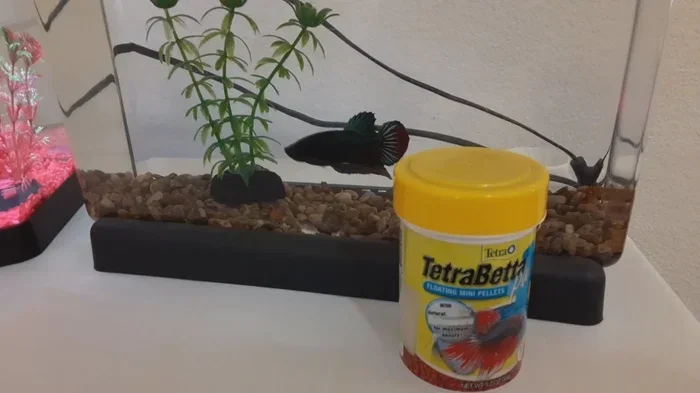
Visual guide about Are Female Bettas Community Fish
Image source: i.etsystatic.com
Individual personality differences
Just like people, each betta has its own personality. Some females are almost shy, while others are bold and may act like tiny warriors. Observing your fish’s reactions when you introduce a new tank mate is the best way to gauge compatibility. For more on spotting aggressive tendencies, see our article on are female betta fish aggressive.
Setting Up the Perfect Community Tank
Tank size and layout
One of the biggest myths is that bettas can thrive in tiny bowls. For a community of female bettas, aim for at least a 20‑gallon tank. Larger spaces dilute aggression by giving each fish a clear territory to claim.

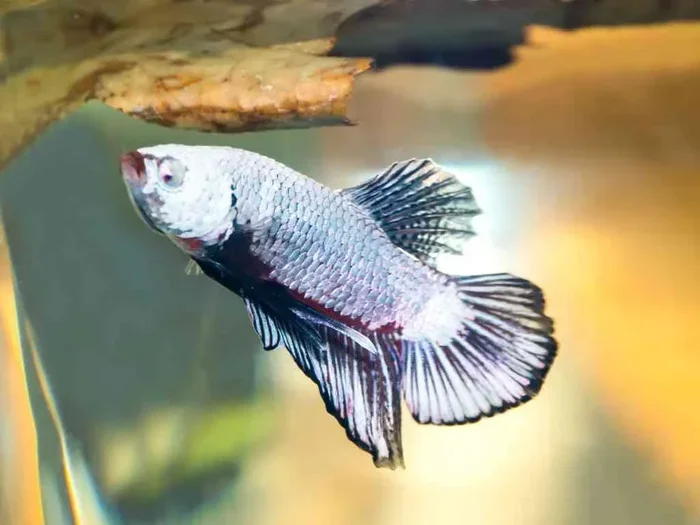
Visual guide about Are Female Bettas Community Fish
Image source: i.pinimg.com
Arrange the tank with vertical and horizontal plants, rock caves, and driftwood. These structures break sight lines and give shy fish places to hide. A well‑planted tank also improves water quality and mimics the betta’s natural habitat.
Water parameters you can’t ignore
- Temperature: Keep the water steady between 78‑82 °F (25‑28 °C). Sudden drops can stress bettas and make them more prone to fighting.
- pH: Aim for a neutral range of 6.5‑7.5.
- Hardness: Soft to moderately hard water (50‑150 ppm) works well.
- Filtration: A gentle sponge filter provides water movement without creating strong currents that stress bettas.
Regular water changes (25 % weekly) keep nitrate levels low and prevent disease, which can trigger aggression.
Choosing Compatible Tank Mates
Safe species for female bettas
When you ask “are female bettas community fish?” the answer often hinges on the other fish you select. Here are some reliable companions:
- Neon Tetras – Small, fast‑moving, and non‑fin‑nipping.
- Harlequin Rasboras – Peaceful schooling fish that stay in the mid‑water.
- Corydoras Catfish – Bottom dwellers that keep the substrate clean.
- Otocinclus Algae Eaters – Tiny grazers that won’t bother betta fins.
- Cherry Shrimp – Colorful invertebrates that add activity without aggression.
For a full list of suitable companions, check out which fish are good with bettas.
Species to avoid
Fin‑nipping fish such as guppies, endlers, or certain barbs can quickly ruin a female betta’s delicate fins. Aggressive cichlids and large, boisterous species also create stress. If you’re unsure, err on the side of caution and stick with the calm, small fish listed above.
Introducing Female Bettas to a Community
Acclimation step‑by‑step
- Quarantine first: Keep new fish in a separate tank for 2‑4 weeks to spot disease.
- Float the bag: Place the sealed bag in the display tank for 15‑20 minutes to equalize temperature.
- Gradual water mixing: Add a small cup of tank water to the bag every 5 minutes for another 15 minutes.
- Release gently: Use a soft net to transfer the betta into a hidden corner of the tank.
Monitoring and adjusting
After introduction, watch for signs of stress: rapid gill movement, constant hiding, or sudden color fading. If aggression appears, consider rearranging decorations or adding more hiding spots. In some cases, moving the aggressive fish to a separate tank may be the safest option.
For more detailed troubleshooting, see our guide on why are my two female betta fish fighting.
Common Problems and How to Solve Them
Fin nipping and injuries
Even peaceful species can accidentally nip a betta’s long fins. If you notice torn or frayed edges, isolate the aggressor and increase plant cover. Adding a fine‑mesh barrier can also protect delicate bettas.
Territorial disputes
Female bettas sometimes establish a hierarchy. If one fish constantly chases the others, give the dominant individual a larger territory with extra caves or a taller plant.
Water quality spikes
Overcrowding leads to higher waste production. Use a reliable filter and stick to regular water changes. Test kits should be used weekly to keep ammonia at 0 ppm and nitrite also at 0 ppm.
Long‑Term Care and Maintenance
Feeding a community of bettas
Offer high‑quality betta pellets or frozen brine shrimp once or twice a day. Feed only what they can consume in 2‑3 minutes to avoid excess waste. Supplement with vegetable matter like blanched peas for gut health.
Breeding considerations
If you plan to breed female bettas, keep them separate from males to prevent unwanted aggression. Female‑only tanks can still house multiple females if the tank is large enough, but be prepared to separate any that become overly dominant.
Seasonal changes
While bettas are tropical, slight temperature adjustments in winter can mimic natural conditions and reduce stress. A stable heater with an automatic shut‑off is essential for safety.
Conclusion: Making an Informed Decision
So, are female bettas community fish? The short answer is yes—provided you give them space, suitable tank mates, and a well‑maintained environment. By respecting their natural instincts and offering plenty of hiding places, you can create a lively, colorful community that showcases the elegance of female bettas alongside peaceful companions.
Remember, each fish is an individual. Start with a modest group, observe behavior closely, and be ready to make adjustments. With patience and attention to detail, your aquarium will thrive as a harmonious underwater neighborhood.
Frequently Asked Questions
Can I keep multiple female bettas together?
Yes, but they need a large tank (at least 20 gallons) and plenty of plants or décor to break up sight lines. Monitor for aggression and be ready to separate if fights occur.
What fish are safest to house with female bettas?
Small, non‑fin‑nipping species such as neon tetras, harlequin rasboras, and Corydoras catfish are ideal companions for female bettas.
Do female bettas need a heater?
Absolutely. Female bettas are tropical and thrive at 78‑82 °F (25‑28 °C). Consistent temperature prevents stress and illness.
How can I tell if my female betta is stressed?
Look for rapid gill movement, faded colors, constant hiding, or frequent fin flaring. These signs indicate the fish may be uncomfortable with its environment or tank mates.
Is it okay to add live plants to a betta community tank?
Live plants are highly recommended. They improve water quality, provide natural hiding spots, and help reduce aggression by breaking up territory lines.
Can I keep a male betta with females in the same tank?
Generally no. Male bettas are much more aggressive and will fight any other betta, regardless of sex. Keep males separate or in a species‑only community without other bettas.