How to Start Owning a Betta Fish
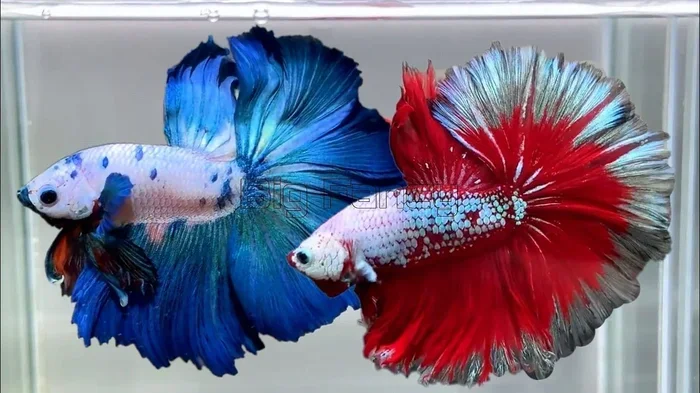
Starting your journey with a betta fish is exciting and rewarding when you get the basics right. This guide walks you through everything you need to know, from choosing the right tank and setting up a healthy habitat to feeding schedules and water maintenance. Whether you are a complete beginner or just looking to improve your betta fish care routine, you will find practical steps and expert tips to keep your fish happy and thriving.
So, you are thinking about getting a betta fish. That is awesome. Betta fish are some of the most beautiful and interesting pets you can keep at home. Their flowing fins, vibrant colors, and curious personalities make them a favorite among fish keepers of all ages.
But here is the thing. A lot of people buy a betta fish on impulse and then struggle because they do not know what they are doing. The truth is, how to start owning a betta fish the right way is not complicated. It just takes a little preparation and some basic knowledge. This guide will walk you through every step, from setting up your first tank to feeding your fish the right way.
By the end of this article, you will have a clear roadmap to follow. You will know exactly what supplies you need, how to prepare your tank, and how to keep your betta healthy for years to come. Let us dive in.
Key Takeaways
- Choose the Right Tank Size: A minimum 5-gallon tank gives your betta fish room to thrive, not just survive.
- Set Up Proper Water Conditions: Keep the temperature between 78-80°F and cycle your tank before adding your fish.
- Feed Smart and Simple: Feed your betta 2-3 times a day with small amounts of high-quality pellets or frozen food.
- Maintain Routine Water Changes: Change 25-30% of the water weekly to keep your betta healthy and stress-free.
- Know the Basics Before You Buy: Understanding betta fish care upfront prevents common mistakes and saves money in the long run.
- Create a Comfortable Habitat: Add gentle filtration, soft lighting, and a few hiding spots to mimic a natural environment.
- Start Simple and Build From There: You do not need expensive equipment to give your betta a great home.
📑 Table of Contents
- Why Betta Fish Make Great Pets for Beginners
- Step 1: Gather Your Supplies Before Bringing Your Fish Home
- Step 2: Set Up and Cycle Your Tank Properly
- Step 3: Prepare the Right Water Conditions
- Step 4: Feed Your Betta the Right Way
- Step 5: Acclimate Your Betta Fish to Its New Home
- Common Mistakes to Avoid When Starting Out
- How to Know If Your Betta Fish Is Thriving
- Final Thoughts on How to Start Owning a Betta Fish
Why Betta Fish Make Great Pets for Beginners
Betta fish are often called the “starter fish” for a reason. They are hardy, colorful, and do not need a huge tank. But that does not mean they are low-maintenance. They still need proper care to stay healthy and happy.
Here are a few reasons why bettas are a great choice if you are new to fish keeping:
- They are affordable. A healthy betta fish costs between $5 and $15 at most pet stores.
- They do not need a huge tank. A 5-gallon tank is the minimum recommended size, which fits easily on a desk or shelf.
- They are visually stunning. Bettas come in dozens of colors and fin types, from crowntail to veil tail.
- They are interactive. Bettas recognize their owners and often swim to the front of the tank when you approach.
- They have a good lifespan. With proper care, a betta fish can live 3 to 5 years, sometimes even longer.
If you have been wondering whether a betta fish is right for you, the answer is probably yes. Just make sure you are ready to commit to a simple routine. Consistency is the key to betta fish care.
Step 1: Gather Your Supplies Before Bringing Your Fish Home
One of the biggest mistakes beginners make is buying a betta fish before their tank is ready. Never do that. Your fish should never go into a tank that is not fully set up and cycled. Here is a list of everything you will need to get started.
Essential Supplies for Your Betta Fish
- A 5-gallon or larger tank. This is the single most important purchase. A small bowl might seem convenient, but a proper tank gives your betta room to swim and explore.
- A gentle filter. Bettas do not like strong currents. Look for a sponge filter or a filter with an adjustable flow rate.
- A tank heater. Bettas are tropical fish and need warm water. A small adjustable heater set to 78-80°F is ideal.
- A thermometer. You need to monitor the water temperature daily, especially in the beginning.
- A water conditioner. Tap water contains chlorine and chloramine that are harmful to fish. A good conditioner removes these chemicals instantly.
- A test kit. You will need to test for ammonia, nitrite, and nitrate levels to make sure your tank is cycling properly.
- Substrate. Gravel or sand works fine. Just rinse it thoroughly before adding it to the tank.
- Decorations and plants. Live or silk plants give your betta places to hide and rest. Avoid sharp plastic decorations.
- A lid or cover. Bettas are jumpers. A tight-fitting lid prevents accidents.
- High-quality betta food. Pellets made specifically for bettas are the best staple food. You can also offer frozen or live foods as treats.
You do not need to buy everything at once, but having all of these items ready before your fish arrives will make the transition much smoother. If you are not sure where to begin, check out our guide on how to set up a betta fish tank for a detailed walkthrough of the entire process.
Step 2: Set Up and Cycle Your Tank Properly
Setting up a tank is not just about filling it with water and dropping in a fish. There is a critical process called cycling that you must complete first. Cycling builds beneficial bacteria in your tank that break down toxic waste. Skipping this step is the number one reason new betta fish die.
What Is Tank Cycling and Why Does It Matter?
Cycling is the process of establishing a colony of beneficial bacteria in your filter and substrate. These bacteria convert toxic ammonia (from fish waste) into less harmful nitrite, and then into nitrate. Nitrate is safe at low levels but can build up over time.
A fully cycled tank should show 0 ppm ammonia, 0 ppm nitrite, and some nitrate (under 20 ppm). This process takes about 4 to 6 weeks. You can speed it up by adding a bottled bacteria starter culture, but patience is still required.
Quick Steps to Cycle Your Betta Tank
- Set up your tank with substrate, decorations, and equipment.
- Fill with dechlorinated water and turn on your filter and heater.
- Add a source of ammonia. You can use fish food, pure ammonia drops, or a bottled bacteria starter.
- Test the water every 2-3 days for ammonia, nitrite, and nitrate.
- Wait until ammonia and nitrite both read 0 ppm and nitrate is present.
- Do a 50% water change before adding your betta fish.
If all of this sounds like a lot, do not worry. Once you do it once, it becomes second nature. And remember, betta fish tank setup does not have to be complicated. Keep it simple and focus on stability.
Step 3: Prepare the Right Water Conditions
Water quality is the foundation of betta fish health. Bettas are sensitive to poor water conditions, even in a well-cycled tank. Getting the water right means paying attention to temperature, pH, and hardness.
Ideal Water Parameters for Betta Fish
| Parameter | Ideal Range | Acceptable Range |
|---|---|---|
| Temperature | 78-80°F | 76-82°F |
| pH | 6.5-7.5 | 6.0-8.0 |
| Ammonia | 0 ppm | 0 ppm |
| Nitrite | 0 ppm | 0 ppm |
| Nitrate | Under 20 ppm | Under 40 ppm |
| Water Hardness (GH) | 3-4 dGH | 3-8 dGH |
Investing in a good liquid test kit is worth every penny. Test strips are okay for quick checks, but liquid kits give you much more accurate readings. You can learn more about preparing the perfect water for your betta in our article on how to prepare water for a betta fish.
Quick Tips for Maintaining Clean Water
- Always let tap water sit for 24 hours before using it, or use a water conditioner to remove chlorine instantly.
- Never use distilled water. It lacks the minerals bettas need.
- Do not change all the water at once. Replace only 25-30% each week.
- Vacuum the gravel gently during water changes to remove debris.
- Keep the tank away from direct sunlight and drafty areas.
Consistent water maintenance is one of the easiest ways to prevent disease and stress in your betta. If you want a deeper dive into water maintenance routines, our guide on how often to change a betta fish water has everything you need to know.
Step 4: Feed Your Betta the Right Way
Feeding a betta fish seems simple, but there is more to it than just tossing in a few flakes. Bettas are carnivorous by nature. They need a protein-rich diet to stay healthy and maintain their stunning colors.
What to Feed Your Betta Fish
- High-quality betta pellets. These should be the staple of your betta’s diet. Look for pellets where the first ingredient is whole fish or fish meal.
- Frozen or live foods. Bloodworms, brine shrimp, and daphnia make excellent treats. Feed these 1-2 times per week.
- Occasional blanched peas. Peas can help with digestion and prevent constipation. Just remove the shell before feeding.
How Much and How Often to Feed
A good rule of thumb is to feed your betta 2-3 times a day. Offer only as much food as your fish can eat in 2 minutes. Overfeeding is one of the most common mistakes new owners make. Excess food rots in the tank and spikes ammonia levels, which can make your fish very sick.
For a detailed feeding schedule and portion guide, check out our article on how many times a day to feed a betta fish. It has practical tips that will make feeding time easy and stress-free.
Step 5: Acclimate Your Betta Fish to Its New Home
When you bring your betta home, do not just dump it into the tank. The transition from the store bag to your tank can be stressful. Taking a few minutes to acclimate your fish properly makes a huge difference.
The Drip Acclimation Method
- Float the sealed bag in your tank for 15-20 minutes to equalize the temperature.
- Open the bag and add a small cup of your tank water to the bag.
- Wait 10 minutes, then repeat the process.
- After about 30-45 minutes, gently net the fish out of the bag and release it into the tank.
- Discard the bag water. Do not pour it into your tank.
This slow transition helps your betta adjust to the new water parameters without shock. It also reduces stress, which is one of the leading causes of illness in bettas. If you want to learn more about helping your betta settle in and build trust, our article on how to care for a betta fish 101 covers acclimation and bonding in detail.
Common Mistakes to Avoid When Starting Out
Even the most enthusiastic beginners can fall into traps that harm their fish. Here are the most common mistakes and how to avoid them.
- Keeping a betta in a tiny bowl. Bowls look cute, but they do not provide enough space or stable water conditions. A 5-gallon tank is the minimum.
- Skipping the nitrogen cycle. Adding a fish to an uncycled tank exposes it to toxic ammonia from day one.
- Overfeeding. Uneaten food decays quickly and pollutes the water. Feed small amounts, 2-3 times a day.
- Using the wrong tank mates. Bettas are not always community fish. Some species will nip their fins or stress them out.
- Neglecting water changes. Even in a cycled tank, nitrate builds up over time. Weekly water changes are non-negotiable.
- Placing the tank in a bad spot. Direct sunlight promotes algae growth, and drafts cause temperature swings.
Avoiding these pitfalls will save you a lot of headaches and keep your betta healthy from day one. Remember, betta fish care is all about consistency and attention to detail.
How to Know If Your Betta Fish Is Thriving
Once you have everything set up and your fish is settled in, you will want to know that you are doing a good job. A thriving betta fish shows clear signs of health. Here is what to look for:
- Bright, vivid colors. A healthy betta should have intense, even coloration across its body and fins.
- Active swimming. Your betta should explore the tank, not sit at the bottom or float listlessly.
- Good appetite. A healthy betta will eagerly eat at feeding time.
- Intact fins. Fins should be smooth and flowing, not torn, clamped, or rotting.
- Clear eyes. Eyes should be bright and free of cloudiness or swelling.
If you notice any of these warning signs, do not panic. Most issues are fixable if you catch them early. Check your water parameters first, as poor water quality is the root cause of most betta health problems.
Final Thoughts on How to Start Owning a Betta Fish
Starting your journey as a betta fish owner does not have to be overwhelming. By following these five steps, you are setting yourself and your fish up for success. Choose the right tank, cycle it properly, maintain clean water, feed a balanced diet, and acclimate your fish gently.
The beauty of how to start owning a betta fish is that the basics are simple. You do not need expensive equipment or years of experience. You just need patience, consistency, and a genuine desire to give your fish a great life. Once you see your betta swimming happily in its beautiful tank, all the effort will feel worth it.
Start small, stay consistent, and enjoy the process. Your new finned friend is lucky to have a caring owner like you.
Frequently Asked Questions
What kind of tank does a betta fish need to get started?
A 5-gallon tank is the minimum recommended size for a single betta fish. This gives the fish enough room to swim and helps maintain stable water conditions. Avoid bowls and tanks smaller than 5 gallons, as they make it very difficult to keep the water clean and warm.
Do I need a heater for my betta fish tank?
Yes, bettas are tropical fish and need warm water between 78 and 80 degrees Fahrenheit. A small adjustable tank heater is essential to maintain a stable temperature. Without a heater, your betta can become stressed and more susceptible to illness.
How often should I feed my new betta fish?
Feed your betta 2 to 3 times a day, offering only as much food as it can eat within 2 minutes. High-quality betta pellets should be the main staple, with frozen or live foods given as occasional treats. Overfeeding is one of the most common mistakes new owners make.
Do I really need to cycle the tank before adding my betta?
Absolutely. Cycling your tank takes about 4 to 6 weeks and builds the beneficial bacteria needed to break down toxic ammonia and nitrite. Adding a betta to an uncycled tank exposes it to dangerous toxin levels. Patience during this phase is the best thing you can do for your fish.
How do I know if my betta fish is healthy?
A healthy betta will have bright colors, active swimming behavior, a good appetite, and smooth, intact fins. Its eyes should be clear and it should explore the tank regularly. If you notice any dull coloring, clamped fins, or loss of appetite, check your water parameters right away.
Can I keep other fish with my betta?
It depends on the tank size and the temperament of both the betta and the other fish. In a 5-gallon tank, it is usually best to keep a betta alone. In larger tanks with plenty of hiding spots and gentle tank mates like corydoras or snails, some bettas can coexist peacefully. Always research potential tank mates carefully before adding them.