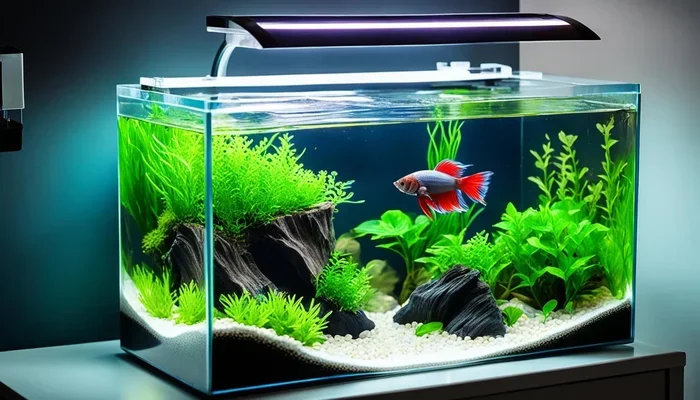
Will Betta Fish Kill Guppies

Betta fish can be aggressive, but they don’t always kill guppies. Understanding temperament, tank setup, and feeding habits helps you create a safe environment where both fish can coexist happily.
Key Takeaways
- Temperament matters: Male Bettas are territorial, while females are usually milder.
- Tank size is crucial: A larger, well‑planted tank reduces stress and aggression.
- Introduce properly: Acclimate both species slowly and watch for warning signs.
- Diet influences behavior: Feeding a balanced diet can calm an aggressive Betta.
- Know the signs of stress: Quick fins, hiding, or faded colors indicate trouble.
- Backup plan: Have a separate tank ready if compatibility fails.
- Research before you buy: Not all Bettas or guppies are the same; choose wisely.
📑 Table of Contents
- Introduction: The Betta‑Guppy Question
- 1. Understanding Betta Behavior
- 2. The Nature of Guppies
- 3. Factors That Influence Compatibility
- 4. Step‑by‑Step Guide to Introducing Bettas and Guppies
- 5. Real‑World Experiences: Success Stories & Cautionary Tales
- 6. Troubleshooting Common Problems
- Conclusion: Can Bettas and Guppies Live Together?
Introduction: The Betta‑Guppy Question
If you’ve ever stared at a bright, flowing Betta and a school of tiny, shimmering guppies, you might wonder: Will Betta fish kill guppies? The short answer is “it depends.” Bettas are famous for their flamboyant fins and feisty personalities, while guppies are known for their peaceful, social nature. When you put them together, the outcome can be a harmonious community or a tragic showdown.
In this article we’ll break down the science behind Betta aggression, explore the factors that influence whether a Betta will attack guppies, and give you practical, step‑by‑step tips to set up a tank where both can thrive. Think of it as a friendly chat over coffee, with plenty of real‑world examples and easy‑to‑follow advice.
1. Understanding Betta Behavior
Why are Bettas so territorial?
Bettas (Betta splendens) evolved in the shallow rice paddies of Thailand where resources are limited. Males defend small bubble nests and fight fiercely for space and mates. This natural aggression shows up in a home aquarium as flaring gills, flared fins, and sudden charges at anything that resembles a rival.
Male vs. Female Bettas
Male Bettas are the “rock stars” of the aquarium world—bright, bold, and often ready to battle. Female Bettas, sometimes called “sorority” fish, tend to be less aggressive, especially when kept in groups. If you’re planning a mixed tank, a female Betta gives you a better chance of peace.
Can a Betta’s aggression be tamed?
Yes, to a degree. A well‑fed, stress‑free Betta is less likely to see other fish as threats. Regular water changes, a proper diet, and plenty of hiding places can calm even a hot‑headed male. For more on Betta aggression, see our guide on Will Betta Fish Kill Each Other.
2. The Nature of Guppies
Guppies are social swimmers
Guppies (Poecilia reticulata) are tiny, live‑bearing fish that love to move in groups. Their bright colors and constant motion make them a favorite for community tanks. Because they are fast and agile, they can often avoid a Betta’s initial lunge—if the tank provides enough space.
Size and speed matter
An adult male guppy is usually 1.5–2 inches long, while a Betta can reach 3 inches. This size difference means a Betta can easily swallow a small guppy if it gets a good bite. Larger guppies are more likely to dart away, reducing the chance of being eaten.
3. Factors That Influence Compatibility
Tank size and layout
Cramped spaces amplify aggression. A minimum of 10 gallons is recommended for a Betta‑guppy combo, with plenty of live plants, driftwood, and decorations that create visual barriers. Plants like Java moss or Anubias not only hide baby guppies but also give the Betta places to retreat.
Water parameters
Both species thrive in slightly acidic to neutral water (pH 6.5–7.5) and temperatures between 76–82°F (24–28°C). Consistent parameters keep stress low, which in turn reduces fighting.
Gender dynamics
Mixing a male Betta with a group of female guppies is usually safer than pairing a male guppy with a female Betta. The Betta’s instinct to guard a nest can trigger attacks on any fish that swims near the surface.
Feeding habits
A hungry Betta is more likely to chase after moving guppies. Offer high‑quality pellets, frozen or live foods, and feed small portions 2–3 times daily. Overfeeding can foul the water, so keep portions modest.
4. Step‑by‑Step Guide to Introducing Bettas and Guppies
Step 1: Prepare the tank
- Set up a 10‑gallon (or larger) aquarium with a lid.
- Install a gentle filter that creates low flow; Bettas prefer calm water.
- Add plenty of plants, caves, and tall decorations to break sight lines.
Step 2: Cycle the tank
Run the tank for at least four weeks to establish beneficial bacteria. Test for ammonia, nitrite, and nitrate levels before adding any fish.
Step 3: Add the guppies first
Introduce a small school (6–8) of guppies and let them establish territories. Observe them for a week to ensure they’re healthy and active.
Step 4: Acclimate the Betta
Float the Betta’s bag in the tank for 15 minutes, then slowly add tank water to the bag over another 15 minutes. Release the Betta gently into a corner with a hiding spot.
Step 5: Monitor and adjust
Watch for signs of stress: faded colors, clamped fins, or frantic swimming. If the Betta flares at guppies, provide additional plants or consider a divider.
What if aggression occurs?
Have a backup tank ready. If the Betta continues to chase or nip, it’s best to move one species to a separate tank. This prevents injury and keeps both fish healthy.
5. Real‑World Experiences: Success Stories & Cautionary Tales
Success story: A female Betta and a guppy school
Emily, a first‑time hobbyist, kept a female Betta named “Luna” with a group of 10 guppies in a 15‑gallon tank. With plenty of floating plants and a slow‑flow filter, Luna never showed aggression. The guppies even displayed brighter colors, likely due to the calm environment.
When things went wrong
Tom tried to house a male Betta with a single male guppy in a 5‑gallon bowl. Within hours, the Betta attacked, and the guppy was injured. The lesson? Size matters, and a single guppy offers no “escape crowd.”
Expert tip
For mixed tanks, many hobbyists recommend a “peaceful male Betta + 6–8 guppies” setup, but always keep a close eye on the first 48 hours. If you need more guidance, read Can You Keep Guppies And Betta Fish Together for detailed compatibility charts.
6. Troubleshooting Common Problems
Fin nipping
Fin nipping often occurs when the Betta is bored or the water quality is poor. Increase water changes and add more enrichment like a floating leaf or a small mirror.
Guppy deaths
If you notice guppies dropping dead, test the water for ammonia spikes. A sudden increase can stress both fish and trigger aggression.
Betta hiding
A Betta that spends all day under the lid may be stressed by the guppies. Provide a dense plant cluster or a small cave for the Betta to claim as its own.
When to separate
Persistent aggression after a week of observation means it’s time to re‑home one species. It’s better to have two happy tanks than one suffering tank.
Conclusion: Can Bettas and Guppies Live Together?
In short, a Betta can coexist with guppies, but success hinges on careful planning, a spacious and well‑decorated tank, and vigilant observation. Male Bettas are the biggest risk, while females and smaller, less territorial varieties give you a higher chance of peace. By feeding a balanced diet, maintaining stable water conditions, and providing plenty of hiding spots, you create an environment where both fish can show off their colors without fear.
Remember, every fish is an individual. Even with all the right conditions, a particularly feisty Betta may still see a guppy as a snack. Having a backup plan—another tank or a temporary quarantine—ensures you’re ready for any outcome. With patience and the right setup, you’ll enjoy a vibrant, lively aquarium that showcases the best of both worlds.
Frequently Asked Questions
Will a Betta fish always attack guppies?
No. While many male Bettas are aggressive, a calm Betta, especially a female, can live peacefully with guppies if the tank is large enough and well‑planted.
What tank size is best for a Betta and guppies?
A minimum of 10 gallons is recommended. Larger tanks (15–20 gallons) provide more space and visual barriers, reducing stress for both species.
How can I tell if my Betta is stressed?
Signs include clamped fins, faded colors, constant flaring, or hiding under the lid. Stress often leads to increased aggression.
Do guppies need a school to feel safe?
Yes. Guppies are social fish and feel more secure in groups of six or more, which also helps disperse any attention from an aggressive Betta.
Can I feed live foods to keep my Betta calm?
Occasionally feeding live or frozen foods (like daphnia or bloodworms) can stimulate natural hunting behavior and reduce boredom‑driven aggression.
What should I do if my Betta attacks the guppies?
Immediately provide more hiding spots, consider a tank divider, and if aggression continues, move one of the species to a separate, properly cycled tank.