Betta fish don’t need constant light, but total darkness can stress them and hide problems. Providing a regular light cycle, gentle night lighting, and monitoring water conditions ensures your betta stays healthy even when the room is dark.
Key Takeaways
- Natural light cycles matter: Betta fish thrive with 10‑12 hours of light and a consistent dark period.
- Complete darkness isn’t ideal: Total darkness can hide disease signs and increase stress.
- Soft night lights help: A dim LED or moonlight strip lets you see the fish without disrupting their rhythm.
- Water quality stays key: Darkness doesn’t replace regular testing, water changes, and proper temperature.
- Tank mates and décor: Live plants and gentle tank mates provide visual cues that reduce anxiety in low‑light conditions.
- Monitor behavior: Changes in swimming, color, or breathing signal a problem, especially at night.
- Use timers: Automated lights create a reliable day‑night schedule, preventing accidental over‑exposure.
📑 Table of Contents
- Introduction: Why the Question Matters
- 1. How Betta Fish See the World
- 2. The Ideal Light Cycle for Betta Fish
- 3. Risks of Leaving a Betta in Complete Darkness
- 4. Setting Up a Betta‑Friendly Night Environment
- 5. Practical Tips for Owners Who Frequently Turn Lights Off
- 6. Frequently Asked Questions About Darkness and Betta Health
- Conclusion: Light Is a Friend, Not a Prison
Introduction: Why the Question Matters
When you’re a betta owner, you quickly learn that these little fighters love a well‑lit arena to show off their fins. But life isn’t always bright—lights go out, you leave the house, or you simply want a peaceful night‑time environment. The common worry is simple: can betta fish be left in the dark? The answer isn’t a flat “yes” or “no.” It depends on how dark, how long, and what else you provide for your fish.
In this guide we’ll break down the science of a betta’s eyesight, the role of light in their daily routine, and practical steps you can take so your fish stays healthy whether the lights are on or off. By the end, you’ll feel confident setting a night‑time schedule that keeps your betta comfortable and thriving.
1. How Betta Fish See the World
Vision basics
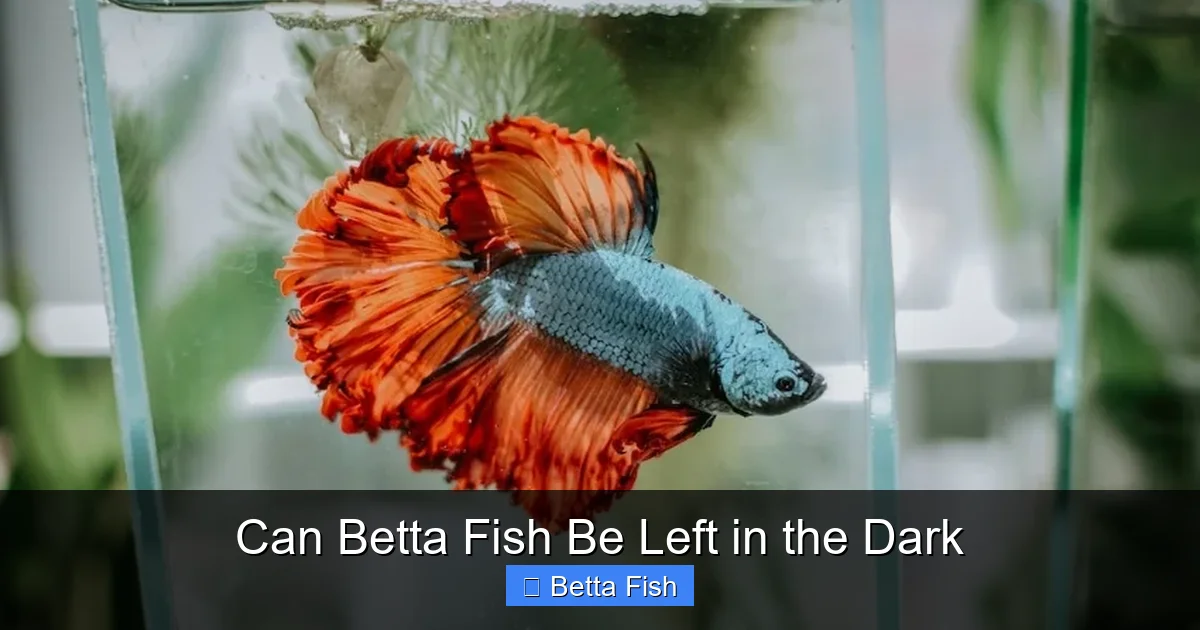
Betta fish have a lateral line of eyes that give them a wide field of view. Their eyes are adapted for shallow, murky waters where light can be limited. While they can detect movement in low‑light conditions, they do not see colors as vividly as they do in bright light.
Visual guide about Can Betta Fish Be Left in the Dark
Image source: infishtank.com
Can betta fish see in the dark?
Even in near darkness, bettas can sense shapes and shadows, but true darkness blurs their perception. For a deeper dive, check our article on Can Betta Fish See In The Dark. Understanding their visual limits helps you decide how much darkness is acceptable.
Why light matters for health
Light triggers natural behaviors: feeding, courting, and territorial displays. It also regulates the hormone melatonin, which governs sleep‑like rest periods. Without a regular light cue, a betta’s internal clock can become confused, leading to stress and weakened immunity.
2. The Ideal Light Cycle for Betta Fish
Day‑night rhythm
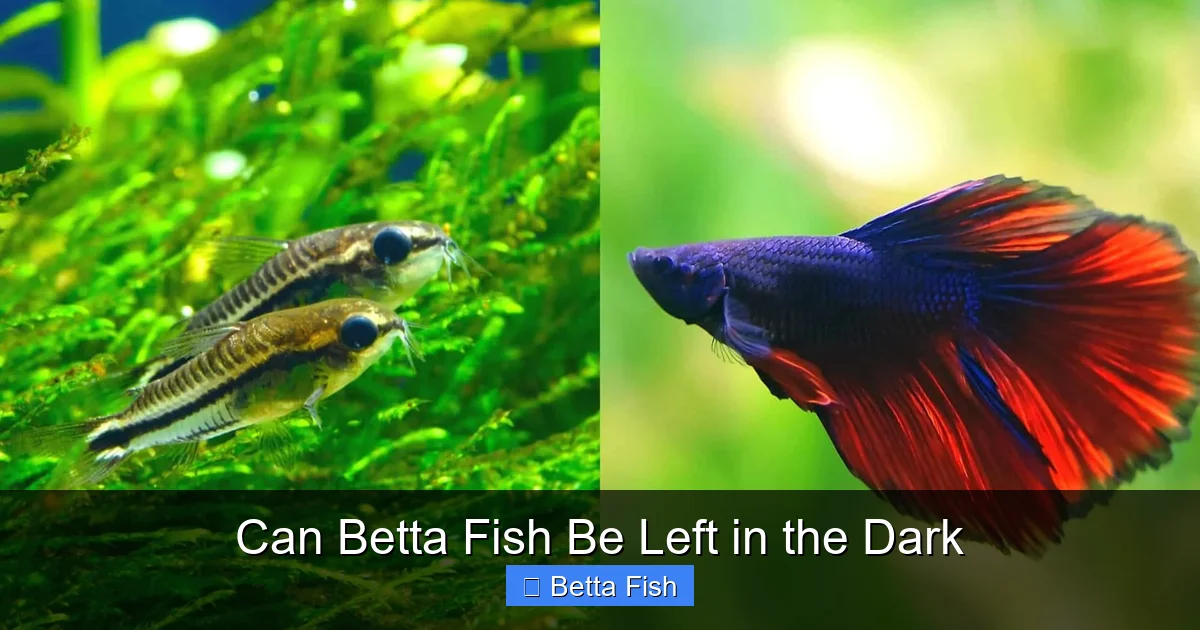
In the wild, bettas experience sunrise, bright midday, and dusk. Replicating this in an aquarium means providing 10‑12 hours of gentle, full‑spectrum light followed by 12‑14 hours of darkness. A simple timer can automate this schedule, eliminating human error.
Visual guide about Can Betta Fish Be Left in the Dark
Image source: aquariadise.com
What happens if you skip the dark period?
Constant light can cause hyperactivity, loss of color vibrancy, and even eye strain. Over‑exposure may also encourage algae growth, which clouds the water and reduces oxygen levels.
Soft night lighting options
- Moonlight LEDs: Emit a faint blue glow that lets you see the fish without disrupting melatonin.
- Floating plant lights: Small, dim bulbs placed near live plants create a natural night ambience.
- Timer‑controlled dimmers: Gradually dim the main light over an hour, mimicking sunset.
3. Risks of Leaving a Betta in Complete Darkness
Stress and hidden illness
When the tank is completely dark, you can’t spot early signs of disease—white spots, frayed fins, or abnormal breathing. Stress hormones rise, making the fish more vulnerable to infections.

Visual guide about Can Betta Fish Be Left in the Dark
Image source: fishkeepandchill.com
Feeding challenges
Betta fish rely on visual cues to locate food. In total darkness they may miss meals, leading to poor growth or weight loss. If you must keep the tank dark for extended periods, consider using a slow‑release feeding block or feeding before lights go off.
Behavioral changes
Some bettas become overly still, appearing “asleep” for hours. While a rest period is normal, prolonged inactivity can indicate fear or a lack of stimulation.
4. Setting Up a Betta‑Friendly Night Environment
Use a timer for consistency
Invest in a plug‑in timer. Set it to 12 hours on, 12 hours off, or adjust to match your household schedule. Consistency is more important than the exact hour.
Introduce gentle night lighting
Place a small LED strip on the back of the tank, set to a low brightness. This creates a faint glow that lets you monitor the fish without waking them.
Choose appropriate tank décor
Live plants like Java fern or Anubias provide natural cover and subtle movement, reassuring a betta in low light. Avoid sharp décor that can cause injury when the fish is less active.
Maintain water quality
Even in darkness, water parameters must stay optimal. Test weekly for ammonia, nitrite, nitrate, and pH. Perform 20‑30% water changes every week, regardless of lighting.
Temperature stability
Betta fish prefer 76‑82°F (24‑28°C). Use an aquarium heater with an automatic thermostat to keep the temperature steady, especially at night when room temperature may drop.
5. Practical Tips for Owners Who Frequently Turn Lights Off
Plan feeding around light cycles
Feed your betta 1‑2 hours before lights go off. This ensures the fish has enough energy for the night and reduces the chance of uneaten food sinking into the substrate.
Check the tank before bedtime
Do a quick visual inspection: look for clamped fins, gasping at the surface, or unusual coloration. A brief 2‑minute check can catch problems early.
Use a night‑vision camera (optional)
Some hobbyists install a small infrared camera to monitor fish after dark. This lets you watch behavior without adding extra light.
Adjust lighting during holidays
If you travel, set the timer before you leave. Consider a backup battery‑operated light to avoid a total blackout if power is lost.
6. Frequently Asked Questions About Darkness and Betta Health
Can betta fish survive without any light for weeks?
They can survive, but prolonged total darkness increases stress, hides disease signs, and may lead to poor growth. A regular light‑dark cycle is strongly recommended.
Do bettas need UV light like some reef fish?
No. Betta fish are freshwater species that do not require UV supplementation. Standard aquarium lighting is sufficient for their health.
Will a dim night light affect my betta’s colors?
Very low‑intensity light does not bleach colors. In fact, many owners notice their betta’s fins look more vibrant after a proper rest period.
Is it okay to leave the tank in a completely dark room?
It’s acceptable for short periods (a few hours) if you’ve already provided a daily light cycle. For longer durations, add a soft night light to avoid the risks mentioned above.
Can betta fish be left in the dark if they are sick?
No. Sick bettas need close observation, which is impossible in total darkness. Keep the tank well‑lit and consult a vet if symptoms persist.
How does darkness affect betta breeding?
During spawning, a dim evening light mimics natural dusk and can encourage courtship. However, constant darkness will discourage breeding behavior.
Conclusion: Light Is a Friend, Not a Prison
So, can betta fish be left in the dark? The short answer is yes—if the darkness is part of a balanced day‑night schedule and you provide a faint night light for monitoring. Total, unbroken darkness for days on end is not advisable because it hides health issues and can stress the fish.
By using timers, soft night lighting, regular water maintenance, and a quick nightly check, you give your betta the best of both worlds: vibrant daytime activity and peaceful, restorative darkness. Treat the light cycle like a routine you would follow for any pet, and your betta will reward you with dazzling colors and lively behavior, day or night.
Frequently Asked Questions
Can betta fish be left in the dark for a weekend?
Yes, as long as they have had a regular light cycle earlier in the week and you check the tank before you leave. Use a timer and a dim night light to keep conditions stable.
Do bettas need a specific type of light bulb?
Standard LED or fluorescent aquarium lights that provide 2,000‑3,000 lumens are ideal. Avoid overly intense bulbs that can cause stress.
Will a betta become aggressive if kept in darkness?
Stress from darkness can increase aggression, especially if the fish feels threatened by unseen tank mates. Providing hiding spots and gentle night lighting reduces this risk.
Is it safe to use a night‑time aquarium heater without a light?
Yes. Heaters operate independently of lighting. Just ensure the heater’s thermostat is set correctly and the tank remains at the proper temperature.
Can I keep a betta with other fish in a dimly lit tank?
It’s possible, but choose peaceful, low‑lighting tolerant species. For guidance, see What Can Be In A Tank With Betta Fish.
How often should I change the water if I use a night light?
Water changes should follow a regular schedule—about 20‑30% weekly—regardless of lighting. The night light does not affect water quality.

