What Can I Do If My Betta Fish Is Sick
When your betta fish shows signs of illness, quick action can make all the difference. This guide walks you through identifying symptoms, treating common diseases, and creating a healing environment. You will learn practical steps to care for a sick betta fish, from water adjustments to feeding tips. Knowing what to do early saves lives and reduces stress for both you and your fish.
Watching your betta fish act differently can be really worrying. You notice changes in color, behavior, or appetite, and suddenly you wonder, what can i do if my betta fish is sick? The good news is that many common betta illnesses are treatable at home if you act fast. This guide gives you clear, practical steps to help your fish recover and stay healthy.
Betta fish are hardy creatures, but they are not invincible. Poor water quality, stress, and temperature changes can all lead to illness. Understanding the signs early and knowing the right response makes a huge difference. Whether your betta has fin rot, ich, or simply refuses to eat, there are things you can do right now.
Let us walk through everything you need to know about caring for a sick betta fish. We will cover symptoms, treatments, prevention, and when it is time to seek professional help. By the end, you will feel confident and ready to help your fish friend bounce back.
Key Takeaways
- Early detection matters: Catching symptoms like lethargy, clamped fins, or loss of appetite quickly improves recovery chances.
- Water quality is the foundation: Testing and adjusting water parameters often resolves many mild health issues.
- Quarantine sick fish: Isolating a sick betta prevents the spread of disease to other tank mates.
- Home treatment works for many cases: Aquarium salt, warm water, and proper feeding can treat common illnesses effectively.
- Know when to call a vet: Severe symptoms or worsening conditions need professional fish veterinary care.
- Prevention beats cure: Regular tank maintenance and low-stress environments keep bettas healthy long-term.
📑 Table of Contents
- Recognizing the Signs That Your Betta Fish Is Sick
- Common Illnesses That Affect Betta Fish
- Step-by-Step Action Plan When Your Betta Fish Gets Sick
- Creating a Healing Environment for Your Sick Betta
- When to Seek Professional Help for Your Sick Betta
- Prevention Tips to Keep Your Betta Fish Healthy
- Final Thoughts on Caring for a Sick Betta Fish
Recognizing the Signs That Your Betta Fish Is Sick
Betta fish are masters at hiding discomfort. By the time obvious symptoms appear, the illness may already be progressing. That is why paying close attention to daily behavior is so important.
Changes in your betta’s appearance or routine often signal trouble. Some signs are subtle, while others are impossible to ignore. Let us break down the most common symptoms to watch for.
Common Symptoms of a Sick Betta Fish
- Clamped fins: Your betta holds its fins close to its body instead of spreading them out.
- Loss of appetite: The fish ignores food or spits it out repeatedly.
- Lethargy: Your betta stays at the bottom of the tank and barely moves.
- Discoloration: Fading colors, white spots, or red streaks appear on the body or fins.
- Rapid breathing: The gills move quickly even when the fish is resting.
- Swollen body: The belly looks bloated or the scales stand out like a pinecone.
- Scratching against objects: The fish rubs itself on gravel or decorations.
If you notice any of these signs, do not panic. Take a moment to observe your fish and note what you see. The more details you can gather, the better equipped you will be to choose the right treatment. For a more detailed breakdown of symptoms, check out our guide on how can I tell if my betta fish is sick.
Common Illnesses That Affect Betta Fish
Not all betta illnesses look the same. Different diseases cause different symptoms, and each requires a specific approach. Understanding the most common conditions helps you narrow down the problem quickly.
Fin Rot
Fin rot is one of the most frequent betta fish diseases. It causes the edges of the fins to look ragged, brown, or white. In mild cases, the fins simply appear slightly torn. In severe cases, the fins recede and the infection spreads to the body.
Fin rot usually stems from poor water quality or bacterial infection. It is very treatable if you catch it early. Regular water changes and a clean tank go a long way in preventing it.
Ich (White Spot Disease)
Ich shows up as tiny white spots all over the body and fins. Your betta may scratch against objects and look irritated. This parasite thrives in stressed fish and cold water.
Raising the tank temperature slowly to around 80 degrees Fahrenheit helps kill the parasite. Adding aquarium salt also supports recovery. Ich is contagious, so isolating your betta is a smart move.
Loss of Appetite and Related Issues
A betta that refuses to eat is a common concern. Sometimes it is a sign of illness, but other times it relates to stress or water conditions. If your betta stops eating, check the water parameters first. For more guidance on feeding challenges, visit our article on what should I do if my betta fish isn’t eating.
Step-by-Step Action Plan When Your Betta Fish Gets Sick
When you realize your betta is unwell, having a clear plan helps you stay calm and effective. Here is a simple, proven approach you can follow right away.
Step 1: Observe and Document Symptoms
Take a few minutes to write down what you see. Note the symptoms, when they started, and any changes in the tank. Photos and videos can also help you track progress and share details with a vet if needed.
Step 2: Test the Water
Water quality is the number one cause of betta illness. Use a liquid test kit to check ammonia, nitrite, nitrate, and pH levels. Ammonia and nitrite should both read zero. Nitrates should stay below 20 ppm. If any of these are off, a water change is your first priority.
Step 3: Perform a Partial Water Change
Replace 25 to 50 percent of the tank water with clean, dechlorinated water at the same temperature. This removes toxins and refreshes the environment. Always use water that has been treated with a conditioner like Aqueon water conditioner to neutralize chlorine and chloramines.
Step 4: Adjust Temperature and Environment
Betta fish thrive in water between 78 and 80 degrees Fahrenheit. Use a reliable heater to maintain stable temperatures. Sudden drops in temperature stress the immune system and make illness worse. Keep the tank away from drafts, direct sunlight, and cold windows.
Step 5: Begin Treatment Based on Symptoms
Once you identify the likely illness, start the appropriate treatment. For bacterial infections, aquarium salt or antibacterial medication works well. For parasites, raising the temperature and using targeted treatments helps. Always follow dosing instructions carefully and avoid overmedicating.
Step 6: Monitor Progress Daily
Check your betta every day for improvements or worsening symptoms. Note any changes in eating, movement, and appearance. Recovery can take days or even weeks, so patience is key.
Creating a Healing Environment for Your Sick Betta
The tank environment plays a huge role in your betta’s recovery. A clean, calm, and properly maintained habitat supports the immune system and speeds up healing.
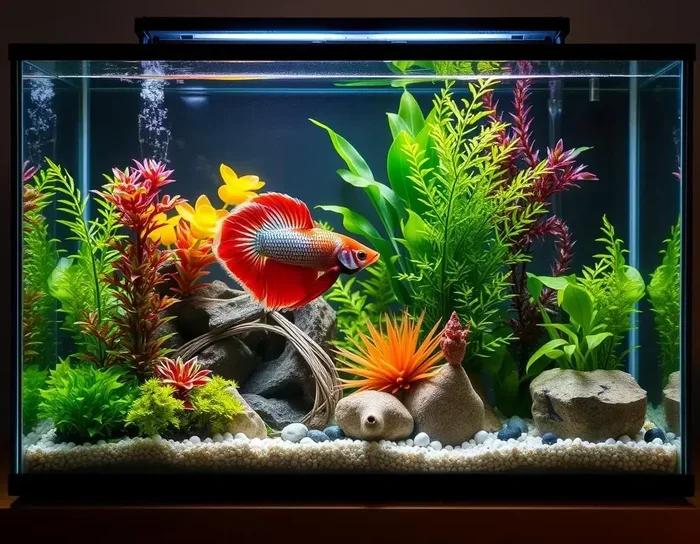
Start by keeping the tank clean. Remove uneaten food within a few minutes of feeding. Waste and leftover food spike ammonia levels, which weakens your fish further. A gentle filter works well, but make sure the current is not too strong. Bettas prefer slow-moving water.
Adding live plants can also help. Plants absorb nitrates and produce oxygen, creating a healthier atmosphere. If you do not have plants, regular water changes are even more important. Keep the tank simple and stress-free during recovery.
Consider reducing light exposure slightly. Dim lighting helps a sick betta rest and recover. Avoid loud noises or sudden vibrations near the tank. A peaceful environment makes a real difference.
Quick Tips for a Healing Tank
- Keep water temperature stable at 78 to 80 degrees Fahrenheit.
- Perform small water changes every other day during treatment.
- Use a sponge filter to maintain gentle water flow.
- Remove any sharp decorations that could injure weakened fins.
- Avoid adding new fish or tank mates during recovery.
When to Seek Professional Help for Your Sick Betta
Most mild illnesses respond well to home care. But some situations need the attention of a trained professional. Knowing the difference between a manageable issue and an emergency saves lives.
Seek help immediately if your betta shows any of these signs:
- Open sores or ulcers on the body
- Eyes that appear cloudy or bulging
- Complete refusal to eat for more than three days
- Labored breathing that does not improve after water changes
- Symptoms that worsen despite home treatment over several days
A fish veterinarian or experienced exotic pet vet can diagnose conditions that are hard to identify at home. They can also prescribe stronger medications or provide specialized treatments. If you are wondering whether a trip to the vet makes sense, check out our article on can I take my betta fish to the vet Petco for practical advice.
Do not wait too long to seek help. Early professional intervention gives your betta the best chance of a full recovery. Trust your instincts as an owner. If something feels wrong, it is always better to get a second opinion.
Prevention Tips to Keep Your Betta Fish Healthy
The best medicine is prevention. A well-maintained tank and a healthy routine reduce the risk of illness dramatically. These simple habits keep your betta vibrant and active for years.
Start with regular water changes. Replace 25 to 30 percent of the water every week. This prevents toxin buildup and keeps parameters stable. Always treat new water with a conditioner before adding it to the tank.
Feed your betta a balanced diet. High-quality betta pellets should form the staple. Supplement with frozen or live foods like brine shrimp and bloodworms a few times a week. Avoid overfeeding, which leads to constipation and poor water quality. For tips on managing feeding issues, read our guide on what do I do if my betta fish isn’t eating.
Keep the tank stress-free. Avoid aggressive tank mates and sudden changes in the environment. Bettas do best in calm, stable setups. If you want to add other creatures, research compatibility first. Our article on what fish can I put with my betta covers safe tank mate options.
Finally, observe your betta daily. A few minutes of watching each day helps you catch problems before they become serious. Early detection and quick response are the most powerful tools you have.
Common Mistakes to Avoid When Your Betta Is Sick
- Skipping water changes: Dirty water slows recovery and worsens symptoms.
- Overmedicating: Too much medication can harm your fish and disrupt beneficial bacteria.
- Ignoring temperature stability: Fluctuations stress the immune system and delay healing.
- Waiting too long to act: Early treatment always leads to better outcomes.
- Changing everything at once: Make adjustments gradually so your betta does not experience additional shock.
Final Thoughts on Caring for a Sick Betta Fish
Dealing with a sick betta fish can feel overwhelming, but you are not alone. Most common illnesses are manageable with the right knowledge and a steady hand. The key is to act quickly, stay calm, and follow a clear plan.
Start by observing symptoms, testing water, and making immediate improvements to the tank environment. Use targeted treatments based on the illness, and monitor your betta closely every day. When home care is not enough, do not hesitate to reach out to a professional.
Remember, prevention is your best long-term strategy. Clean water, proper feeding, stable temperatures, and a stress-free habitat keep your betta strong and resilient. A little daily attention goes a long way toward keeping your fish happy and healthy.
For more information on reviving a weak or unresponsive betta, check out our guide on can I revive my betta fish. You have the tools and knowledge to make a real difference. Trust yourself, stay consistent, and your betta will thank you with vibrant colors and energetic swimming.
Frequently Asked Questions
How long does it take for a sick betta fish to recover?
Recovery time depends on the illness and how early you start treatment. Mild cases like fin rot or ich often improve within 7 to 14 days. More serious conditions may take several weeks. Consistent care and clean water are the most important factors in speeding up healing.
Can I treat my sick betta fish with just aquarium salt?
Aquarium salt is a safe and effective first-line treatment for many mild betta illnesses. It helps with fin rot, ich, and general stress. However, it is not a cure-all. Severe bacterial or parasitic infections may require additional medications. Always research the specific disease before choosing a treatment approach.
Should I isolate my sick betta fish from other tank mates?
Yes, isolating a sick betta is highly recommended. It prevents the spread of contagious diseases and gives your fish a calm, stress-free space to recover. A separate hospital tank with gentle filtration and stable temperature works best for treatment and observation.
What water temperature is best for a sick betta fish?
Keep the water between 78 and 80 degrees Fahrenheit. This range supports the betta immune system and helps fight off many common parasites and bacteria. Avoid sudden temperature changes, and always use a reliable aquarium heater to maintain consistency.
Can poor water quality make my betta fish sick?
Absolutely. Poor water quality is the leading cause of betta fish illness. High ammonia, nitrite, or nitrate levels weaken the immune system and create the perfect environment for disease. Regular water changes and proper filtration are essential for prevention.
When should I take my betta fish to a vet instead of treating at home?
Take your betta to a vet if symptoms worsen after several days of home treatment, if the fish shows open sores or bulging eyes, or if it completely stops eating for more than three days. A professional diagnosis can identify issues that are not visible and provide targeted medication that home treatments cannot offer.