Are Betta Good Starter Fish

Betta fish are often marketed as ideal starter pets, but are they really the best choice for new aquarium owners? This article breaks down their care needs, temperament, and beginner‑friendly setup so you can decide with confidence. Read on for practical tips, common pitfalls, and honest answers to the question “are betta good starter fish?”
Key Takeaways
- Understanding are betta good starter fish: Provides essential knowledge
📑 Table of Contents
- Introduction: The Allure of the Betta
- Understanding Betta Biology
- Why Bettas Are Popular Among Beginners
- Setting Up the Ideal Betta Tank
- Feeding Your Betta: Simple Yet Important
- Temperament and Compatibility
- Common Mistakes New Betta Owners Make
- Are Betta Good Starter Fish? The Verdict
- Practical Tips for New Betta Keepers
- Conclusion
Introduction: The Allure of the Betta
If you’ve ever walked past a pet store and seen those dazzling, long‑finned fish flashing bright reds, blues, and purples, you’ve probably wondered whether a betta could be your first aquarium resident. Their vivid colors and flamboyant fins make them instant eye‑catchers, and the marketing message is clear: “Betta fish are low‑maintenance, perfect for beginners.” But is that the whole truth?
In this guide we’ll answer the question are betta good starter fish by looking at their natural habits, tank requirements, feeding, and potential pitfalls. We’ll also compare them to other common starter species so you can make an informed decision that suits your lifestyle and budget.
Understanding Betta Biology
What are Betta Fish?
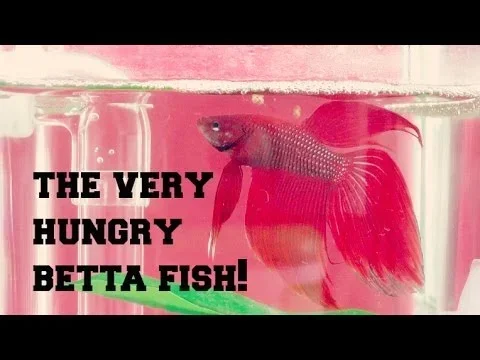
Betta splendens, commonly called the Siamese fighting fish, originate from the shallow rice paddies and slow‑moving streams of Thailand. They are freshwater fish that have adapted to low‑oxygen environments by developing a specialized organ called the labyrinth, which allows them to breathe air from the surface.
Visual guide about Are Betta Good Starter Fish
Image source: p.potaufeu.asahi.com
Are Betta Fish Tropical?
Yes, bettas are tropical. They thrive in water temperatures between 76°F and 82°F (24°C‑28°C). Maintaining a stable temperature is one of the most important aspects of keeping them healthy.
Are Bettas Nocturnal?
While not strictly nocturnal, bettas are most active during the early morning and late afternoon. They often rest near the surface at night, especially if the water temperature drops.
Why Bettas Are Popular Among Beginners
Eye‑Catching Appearance
The bright colors and elaborate fins are a natural draw. Many first‑time owners are motivated to learn tank care simply to keep those colors vivid.
Perceived Low Maintenance
Because they can survive in smaller containers and don’t need a large school, bettas are often sold in tiny bowls. This creates the impression that they need little space or equipment.
Affordability
Betta fish are relatively inexpensive compared with many other tropical species. However, a proper starter setup (tank, heater, filter, plants) adds to the overall cost.
Setting Up the Ideal Betta Tank
Tank Size: Bigger Is Better
The myth that bettas can live happily in a 1‑gallon bowl has been debunked by experts. A minimum of 5 gallons provides enough water volume to dilute toxins and gives your fish room to explore.

Visual guide about Are Betta Good Starter Fish
Image source: thumb.ac-illust.com
Filtration and Heating
Even though bettas can gulp air, a gentle filter helps maintain water quality without creating a strong current that could stress them. Pair the filter with a reliable heater to keep the temperature steady.
Live Plants and Decorations
Live plants such as Java fern, Anubias, and Marimo moss not only look great but also improve water chemistry. They offer resting spots for the betta’s delicate fins and help reduce algae growth. For more ideas, see our article on which live plants are good for betta fish.
Substrate and Hiding Places
A soft, fine‑grained substrate prevents damage to the betta’s fins. Add smooth rocks or driftwood to create caves and territories, which can reduce stress.
Feeding Your Betta: Simple Yet Important
What to Feed
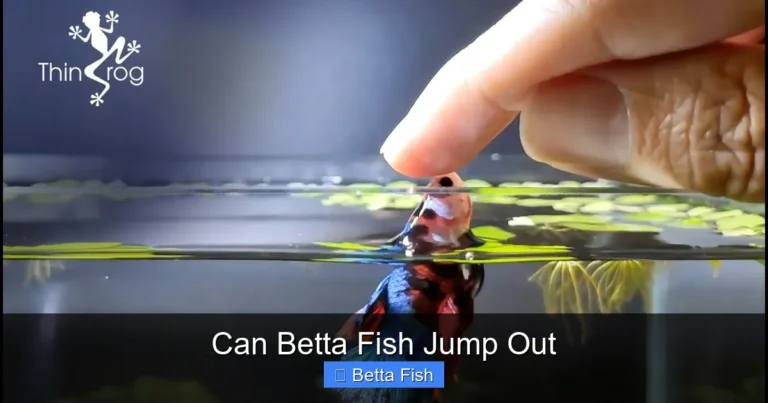
High‑quality betta pellets form the staple of their diet. Supplement with occasional frozen or live foods like brine shrimp, daphnia, or bloodworms to provide variety and encourage natural hunting behavior.
Feeding Schedule
Feed small amounts 2‑3 times a day, only what the fish can eat in 2‑3 minutes. Overfeeding leads to cloudy water and health problems such as constipation.
Temperament and Compatibility
Are Betta Fish Aggressive?
Male bettas are famously territorial and will flare at the sight of another male. Females can be less aggressive but may still fight if space is limited. For a deeper dive, read are betta fish aggressive.
Tankmates
If you want a community tank, choose peaceful, non‑fin‑nipping species such as small rasboras, Corydoras catfish, or shrimp. Avoid bright, long‑finned fish that might trigger aggression.
Single vs. Female Groups
Some hobbyists keep “sorority” groups of 4‑6 female bettas in a larger tank with plenty of plants and hiding spots. This works only if the tank is spacious and well‑planted.
Common Mistakes New Betta Owners Make
Using Too Small a Container
Betta bowls often lack filtration and heating, leading to rapid ammonia spikes and temperature fluctuations.
Ignoring Water Parameters
Even hardy fish suffer from poor water quality. Test kits for ammonia, nitrite, nitrate, and pH are essential tools for beginners.
Overfeeding and Poor Diet
Feeding too many pellets can cause constipation and fungal infections. Rotate protein sources to keep the fish healthy.
Not Providing Enrichment
Bettas are intelligent and enjoy interactive toys like floating logs or mirror play (briefly). Lack of stimulation can lead to boredom and faded colors.
Are Betta Good Starter Fish? The Verdict
So, are betta good starter fish? The answer is nuanced. Bettas are an excellent introduction to the basics of aquarium keeping—temperature control, filtration, and water testing. Their striking appearance and relatively low cost make them appealing for first‑time owners.
However, they are not a “set‑and‑forget” pet. They require a properly sized, heated, and filtered tank, regular water changes, and careful monitoring of diet and behavior. If you’re willing to invest a little extra time and money into a 5‑gallon setup with live plants, a betta can be a rewarding starter fish that teaches you the fundamentals of fish care.
For those who prefer a truly low‑maintenance option, consider hardy community fish like guppies or neon tetras, which can thrive in a well‑cycled community tank with less aggressive temperament.
Practical Tips for New Betta Keepers
- Start with a 5‑gallon tank: This gives you stable water parameters and room for live plants.
- Invest in a reliable heater: Keep the water between 76°F‑82°F.
- Choose a gentle filter: Sponge filters work well and provide surface agitation for oxygen exchange.
- Test water weekly: Use a liquid test kit to monitor ammonia, nitrite, nitrate, and pH.
- Feed a varied diet: Pellets plus occasional frozen or live foods.
- Provide enrichment: Add plants, driftwood, and occasional mirror sessions to stimulate natural behavior.
Conclusion
Betta fish can be a wonderful first fish if you approach them with realistic expectations and a commitment to proper care. They teach beginners about temperature regulation, filtration, and the importance of water quality—all essential skills for any future aquarium projects. By setting up a suitable tank, feeding responsibly, and understanding their temperament, you’ll discover that bettas are not just pretty decorations; they’re engaging, interactive pets that can spark a lifelong hobby.
So, are betta good starter fish? Yes—provided you give them the space, environment, and attention they need. With the right setup, your betta will thrive, and you’ll gain the confidence to explore more complex aquarium setups in the future.
Frequently Asked Questions
Can I keep a betta in a small bowl?
While bettas can survive in small bowls, they will not thrive. A minimum 5‑gallon tank with a heater and filter is recommended for long‑term health.
Do bettas need a filter?
Yes. A gentle filter helps maintain water quality and reduces the frequency of water changes, making care easier for beginners.
How often should I change the water?
Perform a 25‑30% water change weekly, and test the water parameters each time to ensure a stable environment.
What are good tankmates for a betta?
Peaceful species such as neon tetras, Corydoras catfish, and small shrimp can coexist with a betta if the tank is spacious and well‑planted.
Do bettas need live plants?
Live plants are not mandatory but highly beneficial. They improve water quality, provide hiding spots, and enhance the tank’s natural look.
Are bettas suitable for children?
Yes, bettas can be a good introduction to fishkeeping for kids, as long as adults supervise feeding, water changes, and tank maintenance.