How to Put Down Your Betta Fish
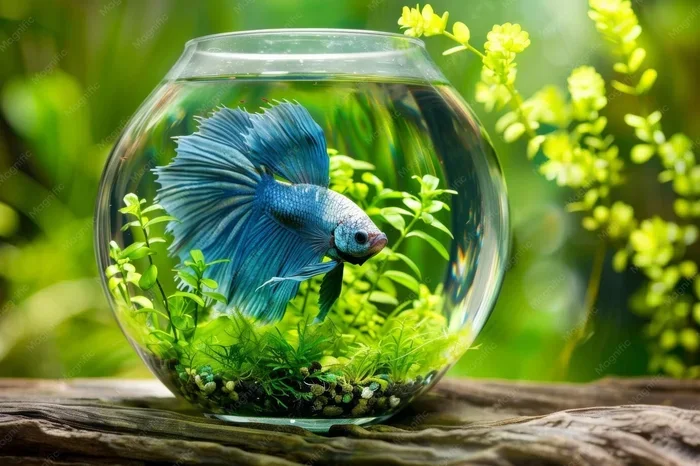
Putting down a betta fish is a heartbreaking but sometimes necessary act of love. This guide walks you through recognizing when your betta is suffering, choosing the most humane method, and handling the process with dignity. We cover the clove oil method, signs of decline, and what to do afterward so you can make the best choice for your fish and your heart.
Losing a pet fish is never easy. But sometimes, the kindest thing you can do is to put down your betta fish. Whether your betta has been fighting a long illness or is simply no longer enjoying life, this decision comes from love. It is not something anyone wants to face, but knowing how to do it humanely makes all the difference.
This guide will walk you through every step. From spotting the signs that it is time, to choosing a gentle method, to handling what comes next. We want to help you through this process with compassion and confidence. You are not alone in this, and your betta deserves a peaceful ending.
We also want to remind you that putting down a betta fish is not a failure. It is an act of responsibility and care. When treatments are no longer working and your fish is in pain, choosing a peaceful release is one of the most selfless things a pet owner can do.
Key Takeaways
- Know the signs: Look for loss of appetite, difficulty breathing, and lack of movement as indicators your betta may be suffering.
- Clove oil is the go-to method: It is widely recommended as a humane and accessible way to euthanize a betta fish at home.
- Assess quality of life first: Always evaluate whether your fish can still enjoy a good life before making the decision.
- Handle the process gently: Create a calm environment and avoid sudden movements to reduce stress.
- Dispose of remains properly: Learn safe and respectful ways to handle your betta after the process.
- Seek vet advice when possible: A fish veterinarian can offer guidance and confirm the best course of action.
📑 Table of Contents
Understanding When It Is Time to Put Down Your Betta Fish
Deciding when the time has come is the hardest part. You love your betta, and you want to keep fighting for them. But sometimes, continuing treatment only prolongs suffering. Knowing the signs helps you make a clear-headed decision when emotions run high.
Signs Your Betta Fish May Be Suffering
Watch for these common warning signs that your betta is no longer thriving:
- Loss of appetite: Your betta refuses food for several days, even favorite treats.
- Labored breathing: Gasping at the surface or rapid gill movement without explanation.
- Lack of energy: Your betta stays at the bottom of the tank and barely moves.
- Faded color: The vibrant colors dull significantly and do not return after rest.
- Fin damage that worsens: Fin rot or tears that spread despite treatment.
- Inability to swim properly: Your betta struggles to stay upright or floats abnormally.
If you notice several of these signs together, it may be time to talk to a vet or consider putting down your betta fish. One bad day does not mean it is over. But a pattern of decline is a serious signal.
Quality of Life Assessment
Before making any final decision, take a step back and honestly evaluate your betta’s quality of life. Ask yourself these questions:
- Does my betta still respond to food?
- Can my betta move around the tank without obvious pain?
- Are there good days mixed in with the bad days?
- Have I exhausted all reasonable treatment options?
- Is my betta showing more bad days than good days?
If most answers point toward a poor quality of life, it might be time to consider euthanasia. You can also check out our guide on how to know if your betta fish is happy to better understand what normal behavior looks like. This comparison helps you see how far your fish may have fallen.
The Clove Oil Method for Betta Fish Euthanasia
The clove oil method is the most widely recommended approach for putting down a betta fish at home. It works by gently sedating the fish and then slowing down vital functions until they stop naturally. It is considered one of the most humane methods available.
What You Will Need
Gather these items before you start:
- A small glass bowl or container
- Clove oil (pure, not synthetic)
- A dropper or small syringe
- Tank water from your betta’s home
- A quiet, dimly lit space
Using water from your betta’s own tank helps reduce stress. Your fish already knows that water. Avoid using cold or unfamiliar water during this process.
Step-by-Step Process
Follow these steps carefully and gently:
- Prepare the bowl: Fill a small glass bowl with tank water at the same temperature as your betta’s home.
- Move your betta: Gently transfer your betta into the bowl using a soft net or cup.
- Add the clove oil: Using a dropper, add 3 to 5 drops of clove oil into the water.
- Watch for sedation: Within a few minutes, your betta will become drowsy and stop moving actively.
- Add more clove oil: After 10 minutes, add another 3 to 5 drops. The betta will become deeply sedated.
- Wait patiently: Breathing will slow down gradually. This can take 20 to 30 minutes.
- Confirm passing: Wait at least 30 minutes after breathing stops before removing the fish.
For a more detailed walkthrough of this method, check out our article on how to put a betta fish down with clove oil. It covers the science behind why clove oil works and gives extra tips for first-timers.
Why Clove Oil Works
Clove oil contains a natural compound called eugenol. This compound acts as a sedative for fish. It slows down the nervous system gently and without pain. Unlike other methods, clove oil does not cause distress or discomfort. Your betta simply drifts into a deep sleep and passes peacefully.
This is why most fish experts and veterinarians recommend clove oil as the preferred method for humane fish euthanasia. It is affordable, easy to find, and safe to handle.
Other Methods to Consider
While clove oil is the top choice, there are a few other methods people use. However, not all of them are equally humane or recommended.
Methods to Avoid
Stay away from these approaches. They cause unnecessary stress and are not considered humane:
- Freezing: This causes ice crystals to form and is painful for the fish.
- Boiling water: Obviously causes severe harm and is never acceptable.
- Alcohol exposure: Harsh and causes burning sensations.
- Flushing down the toilet: Not humane and not a proper euthanasia method.
If you are ever unsure about a method, the safest route is to consult a fish veterinarian or visit our guide on putting down a betta fish at home for trusted advice.
When to Seek Professional Help
Sometimes the best option is to let a professional handle the process. A fish vet can perform euthanasia using specialized medications that act quickly and painlessly. If you cannot find a local fish vet, many offer phone consultations. They can walk you through the process over the phone or guide you to the nearest option.
This is especially helpful if your betta has a contagious illness. A vet can ensure the process is safe for your other tank inhabitants too.
What to Do After Putting Down Your Betta Fish
The process does not end once your betta has passed. Handling the aftermath with care is an important part of saying goodbye.
Handling the Remains
Here are respectful ways to handle your betta’s remains:
- Burial: Bury your betta in a small box or cloth in your garden. Choose a spot away from waterways.
- Flushing: Some owners choose to flush remains down the toilet. This is a personal choice and not everyone is comfortable with it.
- Keepsake: Some people keep a small portion as a memorial, though this is less common with fish.
For guidance on safe disposal, you can read our article on how to safely dispose of a dead betta fish. It covers the best practices and helps you decide what feels right for you.
Cleaning and Sanitizing
After the process, make sure to clean the bowl and any tools you used. Use hot water and let everything air dry completely. This prevents any spread of disease to your other fish or tanks. If your betta passed away from an illness, sanitizing is especially important.
Taking Care of Yourself
Do not underestimate the emotional weight of this experience. Losing a pet, no matter how small, is real grief. Give yourself permission to feel sad. Talk to someone who understands the bond you had with your betta. Some online communities and forums are full of people who have been through the exact same thing.
Common Mistakes to Avoid
Even with the best intentions, mistakes can happen. Here is what to watch out for:
- Rushing the process: Do not add too much clove oil too quickly. Gradual sedation is key to keeping your betta comfortable.
- Using the wrong container: Avoid plastic containers. Use glass so you can monitor your betta clearly throughout the process.
- Skipping the waiting period: Do not remove your betta too soon. Wait at least 30 minutes after breathing fully stops.
- Doing it in front of other fish: Move other tank mates to a separate tank before starting the process.
- Second-guessing too early: Once you have started, commit to the process. Half-measures cause unnecessary stress.
Each of these mistakes can be avoided with preparation and patience. The goal is to make the experience as peaceful as possible for both you and your betta.
Prevention and Future Betta Care
While this guide focuses on end-of-life decisions, prevention plays a big role too. Good care throughout your betta’s life can reduce the chances of severe illness. Here are some tips to keep your betta healthy for as long as possible:
- Maintain clean water: Regular water changes and proper filtration go a long way.
- Feed a balanced diet: High-quality pellets and occasional treats keep your betta strong.
- Watch for early symptoms: Catching illness early gives you more treatment options.
- Keep the tank stress-free: Avoid loud noises, sudden temperature changes, and aggressive tank mates.
- Schedule regular checkups: A quick observation session each day can catch problems before they escalate.
If you want to strengthen your betta’s overall health, read our guide on how to make your betta fish stronger. Building a strong foundation of care helps you avoid difficult decisions down the road.
Final Thoughts on Putting Down Your Betta Fish
We know this is a painful topic. But having the knowledge to put down your betta fish with compassion is a gift you give to your fish. No one wants to be in this position, but when the time comes, doing it right matters.
The clove oil method offers a gentle, peaceful path. It lets your betta drift away without fear or pain. And while nothing can take away the sadness, you can take comfort in knowing you made the kindest choice possible.
Remember, putting down a pet is never easy. But it is one of the deepest acts of love a pet owner can show. Your betta trusted you with their life, and you honored that trust until the very end.
Frequently Asked Questions
How long does the clove oil method take to work?
The sedation process starts within a few minutes of adding clove oil. Full passing typically occurs within 20 to 30 minutes after the second dose. It is important to wait at least 30 minutes after breathing stops before removing your betta from the water.
Can I use regular cooking clove oil for my betta fish?
Yes, pure clove oil works well for this purpose. Make sure it is 100% natural and does not contain added chemicals or fragrances. Pure clove oil is available at most health food stores or online.
Is putting down a betta fish the same as euthanasia for other pets?
Yes, the concept is the same. Euthanasia means a peaceful, painless passing. The clove oil method is considered one of the most humane approaches for fish and is widely accepted by aquatic veterinarians and fish care experts.
What should I do if I am not ready to put my betta down yet?
That is completely okay. Take your time and explore treatment options first. You can also consult a fish veterinarian for a second opinion. Sometimes a simple water change or medication can make a big difference. Visit our guide on how to make your betta fish healthy again for helpful tips.
Will my betta feel pain during the clove oil process?
No. Clove oil acts as a gentle sedative. Your betta will become drowsy and peaceful before any vital functions slow down. The process is designed to be completely pain-free and stress-free for your fish.
How can I cope with the grief of losing my betta fish?
Grief is a natural response, even for a small pet. Give yourself time to mourn. You might consider creating a small memorial, writing about your experience, or joining online communities where other betta owners share their stories. Your feelings are valid and your betta was loved.