Why Is My Betta Fish Hiding in the Corner

Betta fish often hide in tank corners when they’re stressed, sick, or uncomfortable. By checking water quality, tank setup, and health signs, you can quickly pinpoint the problem and bring your betta back to life. Simple adjustments and regular monitoring are the keys to a thriving, curious betta.
Key Takeaways
- Water quality matters: Poor parameters are the top reason bettas hide.
- Tank size and décor: Too small or overly crowded tanks make bettas seek refuge.
- Health checks: Illness, injury, or parasites cause corner‑hiding behavior.
- Temperature & flow: Wrong temperature or strong currents stress bettas.
- Stress triggers: Loud noises, bright lights, and tank mates can drive a betta to hide.
- Observation is vital: Regularly note swimming patterns to catch problems early.
- Action plan: Simple steps—water change, temperature tweak, décor rearrange—often solve the issue.
📑 Table of Contents
- Introduction: When Your Betta Becomes a Corner‑Dweller
- 1. Water Quality: The Silent Culprit
- 2. Tank Size, Layout, and Décor
- 3. Health Issues That Make a Betta Hide
- 4. Nutrition and Feeding Mistakes
- 5. Stress Triggers Outside the Tank
- 6. Creating a Comfortable, Engaging Environment
- Conclusion: From Corner‑Dweller to Curious Swimmer
Introduction: When Your Betta Becomes a Corner‑Dweller
Imagine you’ve just set up a gorgeous 5‑gallon aquarium, added a vibrant betta, and within a day you notice him spending most of his time tucked in the far corner. You might think he’s just “shy,” but in the world of betta care, hidden behavior is often a red flag.
In this article we’ll answer the question “why is my betta fish hiding in the corner?” by exploring the most common reasons, how to diagnose the problem, and what you can do right now to help your fish feel safe and active again. We’ll keep the tone friendly—think of us as two hobbyists chatting over a cup of coffee—while delivering clear, step‑by‑step advice you can start using today.
1. Water Quality: The Silent Culprit
1.1. Ammonia, Nitrite, and Nitrate Levels
Betta fish are highly sensitive to spikes in ammonia and nitrite. Even a small amount can make them feel ill and cause them to hide. Test your water weekly with a reliable test kit. If ammonia reads above 0 ppm or nitrite is any amount above 0, perform a partial water change (25‑30 %).
1.2. pH and Hardness
Betas thrive in a pH range of 6.5‑7.5. Sudden swings can stress them. Use a pH buffer if needed, and aim for a stable water hardness of 3‑4 dGH. Consistency is more important than hitting an exact number.
1.3. Temperature Troubles
Betta fish are tropical; they love water that stays between 76‑82 °F (24‑28 °C). Temperatures below 74 °F often make them sluggish and prone to hiding. A reliable heater with an adjustable thermostat will keep the water steady. If you notice your betta lingering in the corner after a power outage, the temperature dip is likely the cause.
1.4. How to Fix Water Issues Quickly
- Do a 30 % water change with conditioned water.
- Check the heater and replace if it’s not maintaining temperature.
- Clean the filter media; a clogged filter reduces oxygen and creates stress.
- Use a water conditioner that removes chlorine and chloramines.
2. Tank Size, Layout, and Décor
2.1. Is the Tank Too Small?
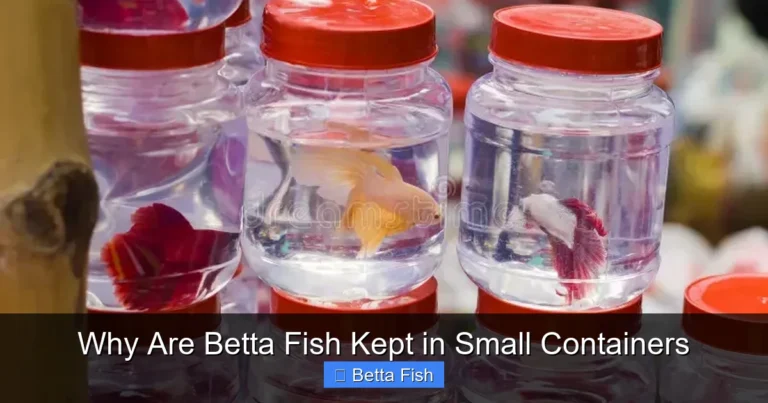
While bettas can survive in small bowls, they are far more comfortable in at least a 5‑gallon tank. A cramped space limits swimming room, causing the fish to retreat to a corner where it feels “safer.” If you’re using a 2‑gallon bowl, consider upgrading.
2.2. Over‑Decoration and Aggressive Plants
Heavy décor can create blind spots where a betta feels trapped. Use smooth, non‑sharp ornaments and limit the number of tall plants. Provide one or two open swimming zones and a few “hideouts” like a small cave or a piece of PVC pipe.
2.3. Water Flow and Currents
Betta fish are labyrinth fish; they prefer calm water. Strong currents from power filters can push them into a corner. If you need filtration, opt for a gentle sponge filter or adjust the flow to a low setting.
2.4. Light and Noise Stressors
Bright, direct lighting or sudden flashes can startle a betta. Use a dimmable LED and provide a regular day/night cycle (10‑12 hours light, 12‑14 hours dark). Also, keep the tank away from loud speakers or busy walkways.
3. Health Issues That Make a Betta Hide
3.1. Common Diseases
Fin rot, velvet, and ich are frequent offenders. Look for white spots, frayed fins, or a dusty coating. If you spot any of these, isolate the fish in a hospital tank and treat with appropriate medication.
3.2. Parasites and Internal Problems
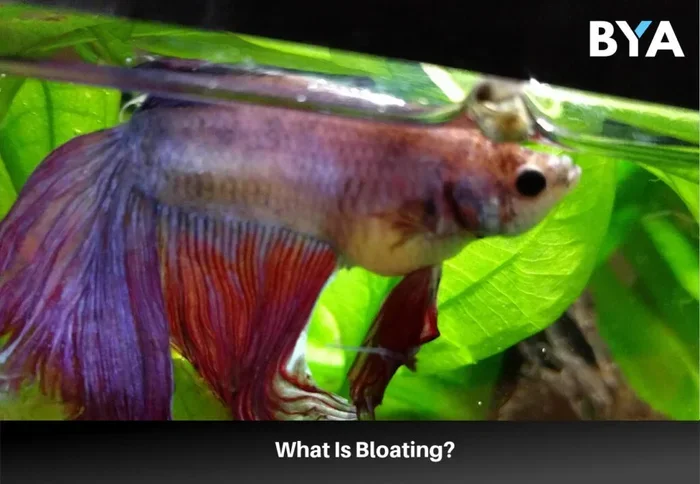
Internal parasites can cause lethargy and loss of appetite, leading the fish to hide. A sudden drop in activity combined with a bloated abdomen is a clue. Treat with a broad‑spectrum antiparasitic after confirming with a vet.
3.3. Injury and Physical Damage
Sharp décor or aggressive tank mates (if you keep more than one fish) can cause torn fins or bruises. Injured bettas will often seek the quietest corner to recover.
3.4. When to Call It “Sick”
If your betta is hiding for more than 24‑48 hours, stops eating, or shows discoloration, it’s time to act. Check the article Why Is My Betta Fish Hiding for a deeper dive into health‑related hiding behavior.
4. Nutrition and Feeding Mistakes
4.1. Overfeeding and Water Quality
Uneaten food decomposes, raising ammonia levels and prompting hiding. Feed only what your betta can consume in 2‑3 minutes, once or twice daily.
4.2. Poor Diet Quality
A diet lacking protein can weaken the immune system, making the fish more prone to disease. Offer high‑quality betta pellets, occasional frozen or live foods like brine shrimp, and a small amount of daphnia.
4.3. Food Aversion
If the water is dirty or the temperature is off, bettas may refuse food and hide. Keep the tank clean and maintain proper temperature before feeding.
5. Stress Triggers Outside the Tank
5.1. Loud Noises and Vibrations
Betas can sense vibrations through the glass. A nearby speaker, vacuum, or foot traffic can cause them to retreat. Place the tank on a stable surface and consider a rubber mat underneath.
5.2. Incompatible Tank Mates
While some hobbyists keep a betta with peaceful snails or shrimp, aggressive fish (like certain tetras) will harass the betta, forcing it to hide. If you notice fin nipping, separate the fish immediately.
5.3. Seasonal Changes
During colder months, room temperature may drop, affecting tank temperature. Use a heater with a thermostat and monitor with a reliable aquarium thermometer.
6. Creating a Comfortable, Engaging Environment
6.1. Provide a Resting Spot
Betta fish love a place to rest near the surface. Add a floating leaf or a piece of smooth driftwood that breaks the water line. This gives them a sense of security.
6.2. Enrichment Activities
Introduce gentle water currents with a small powerhead placed far from the betta, or change the layout occasionally to stimulate curiosity. Rotate décor every few weeks.
6.3. Routine Maintenance
- Change 20‑30 % water weekly.
- Clean the substrate with a gravel vacuum.
- Inspect filter media and replace monthly.
- Test water parameters twice a week for the first month, then weekly.
6.4. Monitoring Progress
Keep a simple log: note water parameters, feed amount, and behavior each day. Over time you’ll spot patterns that help you prevent future corner‑hiding episodes.
Conclusion: From Corner‑Dweller to Curious Swimmer
“Why is my betta fish hiding in the corner?” is a question that can be answered with a systematic check of water quality, tank setup, health, and stress factors. Most owners find that a single adjustment—like a temperature tweak or a 30 % water change—makes a dramatic difference. By staying observant, maintaining stable conditions, and providing a comfortable environment, you’ll see your betta explore the entire tank, flare its fins, and perhaps even build a bubble nest.
Remember, a happy betta is a visible betta. Keep the water clean, the temperature steady, and the surroundings stress‑free, and you’ll enjoy a vibrant companion for years to come. If you ever feel stuck, revisit the troubleshooting steps above or explore related topics such as Why Is My Betta Fish Turning White and Why Did My Betta Fish Jump Out Of The Tank for more clues.
Frequently Asked Questions
Why does my betta stay at the bottom of the tank?
Bottom‑dwelling often signals poor water quality, low temperature, or illness. Check ammonia levels and ensure the heater is set correctly.
Can a betta be happy in a small bowl?
While bettas can survive in small bowls, they thrive in a minimum 5‑gallon tank with proper filtration and space to swim.
What’s the best temperature for a betta?
Maintain water between 76‑82 °F (24‑28 °C). Use a reliable aquarium heater and a thermometer to keep it stable.
How often should I change the water?
Change 20‑30 % of the water weekly. More frequent changes are needed if you notice spikes in ammonia or nitrite.
Why is my betta not eating?
Loss of appetite can be caused by stress, poor water conditions, or disease. Ensure the water is clean, the temperature is right, and offer a variety of high‑quality foods.
When should I consider moving my betta to a new tank?
If the current tank is smaller than 5 gallons, has aggressive tank mates, or consistently shows water parameter issues, it’s time for an upgrade.