Putting a betta fish down with clove oil is a gentle, humane way to end suffering when illness or injury is irreversible. This guide walks you through preparation, dosage, and the calming process, plus tips for handling emotions and after‑care. Follow these clear steps to give your betta a peaceful farewell.
Key Takeaways
- Clove oil is safe and effective: It anesthetizes fish quickly without causing pain.
- Correct dosage matters: Too little won’t work; too much can be harsh.
- Preparation is crucial: Have a quiet space, a container, and the right tools ready.
- Observe the fish: Look for loss of equilibrium and stopped gill movement as signs of completion.
- After‑care matters: Proper disposal and emotional processing help you heal.
- Know alternatives: If clove oil isn’t available, other humane methods exist.
- Stay calm and gentle: Your demeanor influences the fish’s stress level.
📑 Table of Contents
Introduction: Why a Gentle Goodbye Matters
Betta fish are tiny, colorful companions that bring a splash of life to any room. When a betta becomes seriously ill or injured, owners face a heartbreaking decision. Euthanizing a pet is never easy, but doing it humanely shows respect for the life you’ve cared for.
This article explains how to put a betta fish down with clove oil in a calm, step‑by‑step way. We’ll cover everything from gathering supplies to the final moments, and we’ll share tips for coping with the emotional side of the process.
Understanding Clove Oil as a Euthanasia Agent
What is clove oil?
Clove oil is an essential oil extracted from the dried flower buds of the clove tree (Eugenia aromatica). Its main active component, eugenol, works as a powerful anesthetic for fish. When mixed with water, it quickly depresses the nervous system, leading to a painless loss of consciousness and, ultimately, death.
Why choose clove oil?
- Humane: The fish becomes unconscious within seconds, feeling no pain.
- Readily available: A small bottle from any pharmacy or health store works.
- Non‑toxic to the environment: Small amounts can be safely disposed of in a garden or compost.
For a deeper dive into the science behind clove oil, see our article on How To Euthanize A Betta Fish With Clove Oil.
Preparing for the Procedure
Gather your supplies
Before you begin, make sure you have everything at hand. Missing a step can increase stress for both you and the fish.
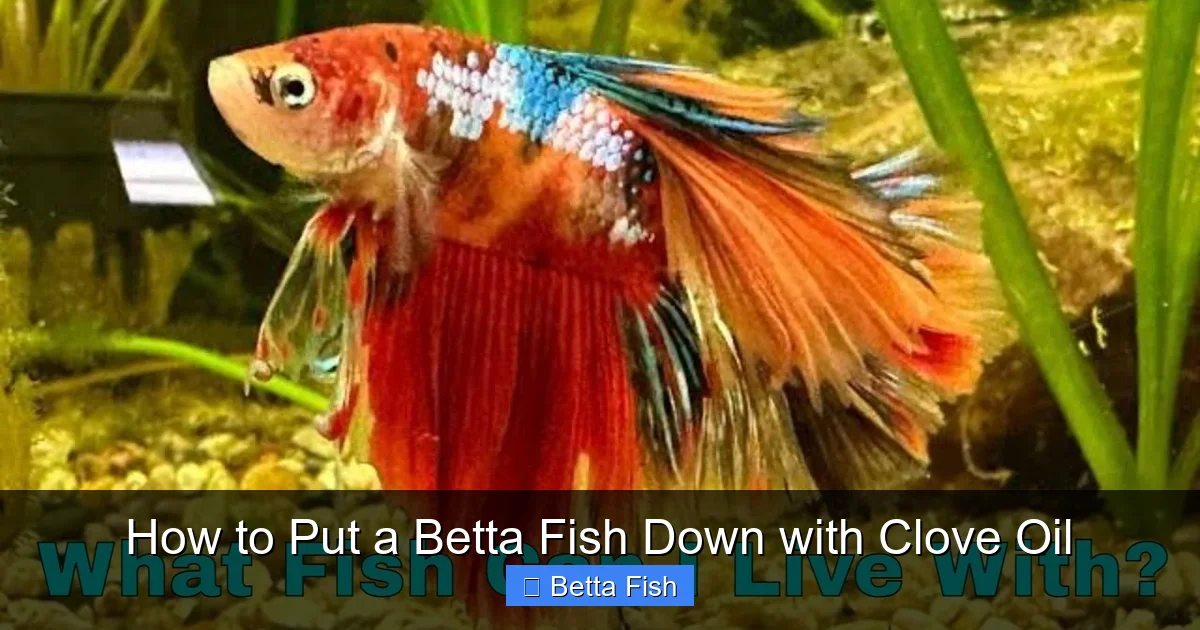
Visual guide about How to Put a Betta Fish Down with Clove Oil
Image source: i.ytimg.com
- Clove oil (pure, not scented)
- Small container or bowl (glass or acrylic, no metal)
- Measuring spoon or dropper
- Water from the betta’s tank (same temperature, pH, and hardness)
- Paper towels or a soft cloth
- Protective gloves (optional, for skin sensitivity)
- Disposal bag or compost bin
Set up a calm environment
Choose a quiet room where you won’t be interrupted. Dim the lights and turn off any loud appliances. A calm atmosphere reduces the fish’s stress and helps you stay focused.
Check the water conditions
Take a small sample of tank water and test the temperature. The water in the euthanasia container should match the tank’s temperature (usually 76‑80°F or 24‑27°C). Warm water keeps the fish comfortable and prevents shock.
Step‑by‑Step Guide: How to Put a Betta Fish Down with Clove Oil
Step 1 – Transfer the betta gently
Using a soft net, scoop the betta and place it in the prepared container. Move slowly; sudden movements can cause panic.

Visual guide about How to Put a Betta Fish Down with Clove Oil
Image source: cqu.edu.cn
Step 2 – Prepare the clove oil solution
For a standard 1‑gallon (3.8 L) of water, the recommended dose is 0.4 mL of pure clove oil per liter. Since most containers for this process hold about 500 mL, calculate as follows:
- 500 mL × 0.4 mL/L = 0.2 mL of clove oil
Use a dropper to add the exact amount to the water. Stir gently with a clean stick or your finger (wear a glove) to disperse the oil evenly.
Step 3 – Observe the fish’s reaction
Within 30‑60 seconds, the betta will lose equilibrium, float upside down, and stop swimming. Its gills will still move for a short time as it slips into unconsciousness.
Step 4 – Confirm death
After the fish appears motionless, wait an additional 5‑10 minutes. Gently touch the operculum (gill covers). If there is no movement, the fish is deceased. Do not assume death too quickly; a brief pause ensures a humane outcome.
Step 5 – Dispose of the body responsibly
Place the fish in a biodegradable bag and bury it in a garden, or wrap it in newspaper and discard it in the trash. Avoid flushing it down the toilet, as oils can affect wastewater systems.
Tips for a Compassionate Experience
Handle emotions with care
It’s normal to feel sadness, guilt, or relief. Give yourself space to grieve. Talk to a friend, journal, or create a small memorial (a pebble on the tank, a photo).
Practice before you need it
If you’re nervous, practice the steps with a spare container of water and a few drops of clove oil (no fish). Familiarity reduces panic when the moment arrives.
Consider alternatives if clove oil isn’t available
Other humane methods include a buffered tricaine solution (MS‑222) or a rapid, sharp blow to the head (reserved for emergency, not recommended for most hobbyists). For a full guide on non‑clove options, read How To Euthanize A Betta Fish Without Clove Oil.
After‑Care: Cleaning and Moving Forward
Sanitize the tank
If the betta was the only fish, you may want to deep‑clean the tank before introducing a new resident. Remove all decorations, scrub the glass, and rinse the filter media. For a step‑by‑step cleaning guide, see How To Clean A Betta Fish Tank With Filter.
Re‑evaluate your setup
Ask yourself if the tank conditions contributed to the illness. Was the water temperature stable? Was the diet appropriate? Reviewing these factors can prevent future loss.
Give yourself time
Grief can linger. Allow a few days before setting up a new tank or purchasing another betta. When you’re ready, use the knowledge you’ve gained to provide an even better home for your next fish.
Conclusion: A Peaceful Farewell
Choosing to end a betta’s suffering is an act of love. By following this clear, compassionate protocol for how to put a betta fish down with clove oil, you ensure a painless, dignified transition. Remember to prepare, stay calm, and honor the little life that brightened your space. With the right approach, you can say goodbye with confidence and peace of mind.
Frequently Asked Questions
Is clove oil safe for all betta fish?
Yes, when used at the correct dosage, clove oil is safe and painless for healthy and sick bettas alike. Over‑dosing can cause irritation, so measure carefully.
How long does it take for the betta to pass away?
Unconsciousness occurs within a minute, and death typically follows within 5‑10 minutes after the oil is added.
Can I reuse the water after euthanasia?
No. The water contains dissolved eugenol and should be disposed of with the fish. Start fresh water for any future tank setup.
What if my betta shows signs of distress before I add the oil?
If the fish is already severely stressed, act quickly but calmly. Adding the oil sooner reduces prolonged suffering.
Do I need a veterinarian’s approval?
Veterinarian guidance is helpful, especially for chronic illnesses, but clove oil euthanasia is widely accepted among experienced hobbyists as a humane method.
How can I remember my betta after it’s gone?
Consider keeping a photo, a small keepsake, or planting a flower in its memory. A brief ceremony can help you find closure.


