Is Aquarium Salt Safe for Betta Fish
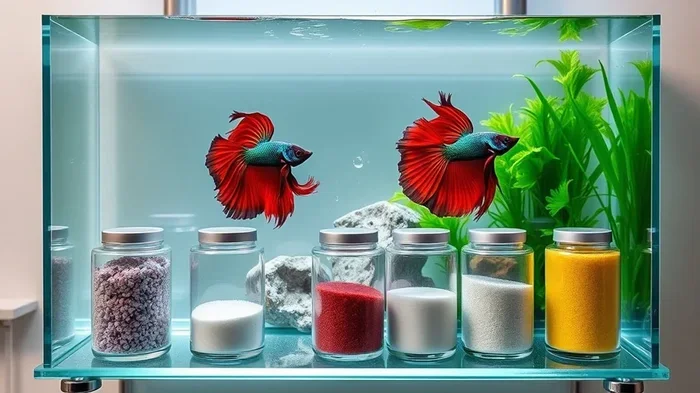
Aquarium salt can be safe for betta fish when used correctly. It helps treat mild fish diseases, reduces stress, and supports slime coat health. However, the dosage matters a lot, and not all salts are safe. Always use pure aquarium salt and avoid table salt or sea salt with additives.
Many betta fish owners wonder about adding salt to their aquarium. The question is aquarium salt safe for betta fish comes up constantly in fish forums and pet stores. The short answer is yes, but with important caveats. Salt can be a helpful tool when used the right way. But used incorrectly, it can cause real harm to your fish.
If you own a betta, you already know how delicate these beautiful creatures can be. Their bright fins and flowing tails make them a favorite among hobbyists. But that beauty also means they need careful attention. Water quality, temperature, and diet all play a role in keeping your betta healthy. Salt adds another layer to that care routine, and understanding it properly is essential.
This guide covers everything you need to know about using aquarium salt for betta fish. We will look at the benefits, risks, correct dosage, and which types of salt are safe. By the end, you will feel confident making the right choice for your betta fish tank. Let us dive in and explore this topic in detail.
Key Takeaways
- Aquarium salt is generally safe: When used at the right dosage, it can benefit your betta fish.
- Not all salts are equal: Table salt and sea salt contain additives that can harm your fish.
- Correct dosage is critical: Too much salt can cause serious health problems or death.
- Salt treats common fish diseases: It helps with ich, fin rot, and external parasites.
- Some bettas should avoid salt: Sick, stressed, or sensitive fish may react badly to salt.
- Always monitor water parameters: Check pH and salinity levels during salt treatments.
📑 Table of Contents
What Is Aquarium Salt and Why Use It?
Aquarium salt is a pure form of sodium chloride. It contains no additives, fillers, or chemicals. This makes it different from the salt you put on your food. Table salt often includes iodine and anti-caking agents. These extras can be harmful to fish. That is why choosing the right salt matters so much.
Fish keepers use aquarium salt for several reasons. It helps treat certain fish diseases and supports overall fish health. Here is a quick look at why people add salt to their tanks:
- Treats external parasites: Salt creates an environment that parasites cannot thrive in.
- Reduces fish stress: Salt helps balance the osmotic pressure in fish bodies.
- Supports slime coat health: A healthy slime coat protects bettas from infections.
- Aids in wound healing: Salt can help minor injuries heal faster.
- Fights mild fungal and bacterial infections: Salt has mild antimicrobial properties.
Using salt is not about replacing clean water or proper filtration. It is a supplement to good aquarium care. Think of it as a tool in your toolbox, not a cure-all solution.
How Does Aquarium Salt Work?
Aquarium salt works through a process called osmosis. Fish constantly exchange water through their skin and gills. When you add salt to the water, it creates a gentle gradient. This helps fish absorb needed minerals and release excess water. The result is less stress on the fish’s kidneys and organs.
For betta fish specifically, this can be very helpful. Bettas are freshwater fish, but they naturally live in warm, slow-moving waters in Southeast Asia. These waters sometimes have low levels of minerals. A small amount of aquarium salt can mimic those natural conditions. This is why betta fish care experts often recommend it for short-term treatments.
Is Aquarium Salt Safe for Betta Fish?
The answer depends on how you use it. When used at the correct salt dosage, aquarium salt is safe for most bettas. But there are situations where salt can cause problems. Understanding both sides is key to keeping your fish healthy.
Here is what you need to know about safety:
- Short-term treatments are safe: Using salt for a few days to treat illness is generally fine.
- Long-term use is risky: Keeping salt in the tank permanently can build up and harm your fish.
- Dosage matters enormously: More salt does not mean better results. Too much can be deadly.
- Not all bettas react the same: Some fish are more sensitive to salt than others.
One important thing to remember is that aquarium salt harm can happen easily if you are not careful. Always follow trusted dosing guidelines and never guess the amount. If you are unsure, start with a lower dose and observe your fish closely.
Want to learn more about how salt can affect your betta? Read our detailed guide on can aquarium salt harm your betta fish for in-depth safety information.
When Should You Use Aquarium Salt?
There are specific situations where aquarium salt makes sense. It is not something you should add to your tank every day. Here are the best times to use it:
- During a disease outbreak: If your betta shows signs of ich, fin rot, or external parasites.
- After adding a new fish: Salt can help reduce stress during the adjustment period.
- Following an injury: Minor fin tears or wounds can benefit from a short salt dip.
- As a preventive measure: Some keepers use a very low dose during water changes.
In all these cases, the goal is short-term use. Once the issue is resolved, you should remove the salt through water changes. This keeps your freshwater aquarium balanced and safe for your betta.
Types of Salt: Which Ones Are Safe?
Not all salts are created equal. This is a critical point for any betta owner. Using the wrong type of salt can introduce harmful chemicals into your tank. Let us break down the most common types.
| Salt Type | Safe for Betta? | Notes |
|---|---|---|
| Aquarium Salt | Yes | Pure sodium chloride, no additives |
| Table Salt | No | Contains iodine and anti-caking agents |
| Sea Salt | No | Contains minerals and additives not suited for freshwater fish |
| Epsom Salt | Sometimes | Used for constipation, not for general tank use |
| Rock Salt | No | May contain impurities and chemicals |
As you can see, aquarium salt is the only type designed specifically for fish tanks. It is free from harmful additives. If you have been using table salt, it is time to switch. For more details on this topic, check out our article on can you use table salt for betta fish.
Epsom salt deserves a special mention. It is magnesium sulfate and serves a different purpose. Fish keepers sometimes use it to treat constipation in bettas. But it should never replace aquarium salt for general tank use. Each type of salt has a specific role.
What About Sea Salt?
Some beginners wonder if sea salt is a natural alternative. After all, bettas come from warm, tropical waters. But sea salt contains a complex mix of minerals. These minerals can alter your water chemistry in unpredictable ways. For a freshwater betta tank, sea salt is not recommended. Stick with pure aquarium salt to keep things simple and safe.
How to Use Aquarium Salt Correctly
Getting the dosage right is the most important part. Too little salt will not help. Too much can seriously harm your fish. Here is a step-by-step guide to using aquarium salt safely.
Step 1: Remove Salt Completely Before Treatment
Before adding salt, make sure your tank does not already have salt in it. If you have been using salt recently, do a partial water change first. This ensures you do not accidentally double-dose your fish.
Step 2: Use the Correct Dosage
The standard salt dosage for treating illness is one tablespoon per five gallons of water. For a mild preventive dose, use half a tablespoon per five gallons. Always dissolve the salt in a cup of tank water before adding it to the aquarium. This helps it mix evenly and avoids concentrated spots.
Step 3: Monitor Your Fish Closely
After adding salt, watch your betta carefully for the next 24 to 48 hours. Look for signs of distress like rapid breathing or clamped fins. If you notice anything wrong, do a water change to remove the salt immediately.
Step 4: Limit Treatment Duration
Do not leave aquarium salt in the tank longer than needed. Most treatments last three to seven days. After that, perform a water change to remove the salt. Prolonged exposure can damage your betta’s gills and organs over time.
Need a full walkthrough? Our guide on how to do a salt bath for betta fish gives you detailed, step-by-step instructions for safe salt baths.
Quick Tips for Salt Use
- Always use pure aquarium salt with no added minerals.
- Never add salt directly to the tank. Dissolve it first.
- Keep treatments to seven days or less.
- Do not use salt in tanks with live plants. Most plants cannot tolerate salt.
- Remove salt through water changes after treatment ends.
Common Mistakes to Avoid
Even experienced fish keepers sometimes make mistakes with aquarium salt. Being aware of these errors can save your betta’s life. Here are the most common pitfalls.
Using Too Much Salt
This is the number one mistake. Some people think more salt equals faster healing. That is not true. Excess salt disrupts the osmotic balance in fish. It can cause dehydration, gill damage, and even death. Always measure carefully and follow the recommended dosage.
Using the Wrong Type of Salt
We touched on this earlier, but it bears repeating. Table salt, sea salt, and rock salt all contain additives. These chemicals can poison your fish. Only use pure aquarium salt that is labeled safe for freshwater aquariums.
Leaving Salt in the Tank Too Long
Salt is a treatment, not a permanent addition. Some beginners add salt and forget about it. Over time, salt builds up in the water. This creates an unhealthy environment. Always remove salt through regular water changes after treatment.
Ignoring Water Parameters
Salt affects your tank’s overall water chemistry. It can shift pH levels and alter mineral content. If you use salt, check your pH level and other water parameters regularly. For more on maintaining proper water conditions, read our article on what is the correct pH level for betta fish.
Treating All Fish the Same Way
Not all fish tolerate salt the same way. While bettas handle low doses well, other tank mates might not. If you have a community tank, research each species before adding salt. Some fish, like corydoras and certain catfish, are very sensitive to salt.
Expert Insights on Aquarium Salt and Betta Fish
Veterinarians and experienced aquarists agree on a few key points about aquarium salt. First, it is a valuable tool when used responsibly. Second, it is not a substitute for clean water and proper tank maintenance. Third, every fish is different, so observe your betta closely during any salt treatment.
Many professionals recommend starting with the lowest effective dose. This approach minimizes risk while still providing benefits. If your betta responds well, you can continue for the recommended duration. If not, remove the salt immediately and do a water change.
Another expert tip is to keep a log of your salt treatments. Note the date, dosage, and your fish’s response. This helps you track what works and what does not. Over time, you will develop a routine that keeps your betta fish health on track.
Remember that aquarium salt is just one part of a comprehensive care plan. Your betta also needs proper filtration, stable temperature, and a balanced diet. For tips on choosing the right setup, see our guide on what is the best tank for betta fish and what is the best temperature for a betta fish tank.
Conclusion
So, is aquarium salt safe for betta fish? Yes, when used correctly and in the right circumstances. It can treat diseases, reduce stress, and support overall health. But it must be used with care. Choose pure aquarium salt, follow the correct dosage, and limit treatment duration. Avoid table salt, sea salt, and long-term use at all costs.
Your betta fish depends on you for its well-being. Understanding how to use aquarium salt safely is an important part of responsible fish ownership. With the knowledge from this guide, you are now equipped to make informed decisions. Keep your tank clean, monitor your water parameters, and always put your fish’s health first.
By taking a thoughtful approach to salt use, you give your betta the best chance to thrive. A healthy, happy betta is a joy to watch. And with proper care, your beautiful fish will bring you years of enjoyment.
Frequently Asked Questions
Can I put aquarium salt in my betta fish tank every day?
No, you should not add aquarium salt to your betta tank daily. Salt is meant for short-term treatments only. Daily use can build up in the water and harm your fish. Always remove salt through water changes after treatment ends.
How long can I keep aquarium salt in my betta tank?
Most salt treatments last between three and seven days. Do not exceed seven days without removing the salt. Prolonged exposure can damage your betta’s gills and internal organs. Always perform a water change to remove salt after treatment.
What happens if I use too much aquarium salt for my betta?
Too much salt can cause dehydration, gill damage, and severe stress. In extreme cases, it can be fatal to your betta fish. If you accidentally overdose, do a large water change immediately to dilute the salt concentration.
Is aquarium salt the same as table salt for betta fish?
No, aquarium salt and table salt are very different. Table salt contains iodine and anti-caking agents that are harmful to fish. Aquarium salt is pure sodium chloride with no additives. Always use aquarium salt specifically designed for fish tanks.
Can aquarium salt help my betta fish with fin rot?
Yes, aquarium salt can help with mild cases of fin rot. It creates an environment that inhibits fungal and bacterial growth. However, severe fin rot may require medication beyond just salt. Consult a fish veterinarian for serious infections.
Should I use aquarium salt if my betta tank has live plants?
Most live plants do not tolerate salt well. If your tank has live plants, avoid using aquarium salt in the main tank. Instead, consider a separate quarantine tank for salt treatments. This protects both your fish and your plants.