How to Move a Betta into Fish Bowl
Moving a betta fish into a bowl requires careful preparation to keep your fish healthy and stress-free. A properly set up bowl with clean, conditioned water and the right temperature creates a safe home for your betta. This guide walks you through every step, from choosing the right bowl and cycling the water to transferring your betta without causing shock or injury.
How to Move a Betta into Fish Bowl
Moving a betta into a fish bowl can feel like a big step, especially if you have been keeping your fish in a larger tank. But with the right approach, this transition can be smooth and stress-free for both you and your fish. Whether you are downsizing your setup or setting up a new bowl habitat, knowing the proper steps makes all the difference. In this guide, we walk you through exactly how to move a betta into fish bowl safely and confidently.
A betta fish bowl setup requires careful attention to water quality, temperature, and your fish’s comfort level. Rushing the process can lead to health problems or unnecessary stress. That is why we have broken everything down into simple, actionable steps. By the end of this article, you will feel fully prepared to give your betta a happy new home in a bowl.
Moving a betta into a fish bowl is not just about pouring water and fish from one container to another. It involves preparation, acclimation, and ongoing care. We cover all of that here, along with practical tips that come from real experience. Let us dive in and make sure your betta feels right at home.
Key Takeaways
- Quarantine the betta first: Observe for illness before introducing to the bowl.
- Condition the water properly: Match temperature and pH to the betta’s current environment.
- Use a gentle transfer method: Net the fish slowly to avoid stress.
- Cycle the bowl in advance: Ensure beneficial bacteria are present for ammonia control.
- Provide hiding spots immediately: Add plants or decor to reduce shock.
- Monitor closely for the first 48 hours: Watch for signs of distress or disease.
- Avoid overfeeding after the move: Offer small portions to prevent water fouling.
📑 Table of Contents
Why Moving Your Betta into a Fish Bowl Matters
Bettas are sensitive creatures. They respond to changes in their environment, and a sudden shift can cause stress. Understanding why the move matters helps you approach it with the right mindset. A betta fish transfer should always prioritize your fish’s comfort and safety above convenience.
When you move a betta into fish bowl setup correctly, you create a stable and healthy habitat. Bettas thrive in clean water with consistent temperature and gentle flow. A bowl can absolutely provide this, but only if you set it up the right way. Taking shortcuts often leads to cloudy water, temperature swings, or an unhappy fish.
Many fish owners worry about the size of a bowl compared to a tank. While it is true that a bowl offers less swimming space, it can still be a wonderful home for a betta if maintained properly. The key is to focus on water quality and environmental enrichment. Plants, gentle filtration, and regular cleaning all play a role in keeping your betta healthy in a bowl.
The Importance of a Stress-Free Transition
Stress is the number one enemy of betta fish. A stress-free fish transfer reduces the risk of disease and behavioral issues. When bettas feel safe, they display vibrant colors and active behavior. A rushed move can cause clamped fins, loss of appetite, and even illness. Taking your time during the betta fish transition pays off in the long run.
Think about how you would feel if someone suddenly moved you to a completely different room without warning. Your betta feels the same way. Gradual changes and a calm approach make all the difference. This is why every step in this guide focuses on minimizing shock and maximizing comfort.
Preparing the Fish Bowl Before the Move
Before you even think about moving your betta, the bowl needs to be ready. Preparation is the most overlooked step in the entire process. A betta bowl setup that is done ahead of time ensures your fish has a safe place to go the moment it leaves the old container.
Choosing the Right Bowl
Not all bowls are created equal. Look for a bowl that holds at least 2 to 3 gallons of water. This gives your betta enough room to swim comfortably. Avoid bowls that are too narrow or tall, as they limit movement and make it hard to maintain water parameters. A wide-mouthed bowl is easier to clean and keeps the water temperature more stable.
Cleaning and Cycling the Bowl
A clean bowl is essential. Wash the inside with warm water only, never soap or detergent. Soap residue is toxic to fish and can be fatal. Once the bowl is clean, you should cycle it before adding your betta. Cycling means building up beneficial bacteria that break down harmful waste. This process takes a few days but is worth the wait.
After cycling, test the water to make sure ammonia and nitrite levels are at zero. You can use a simple water test kit from your local pet store. Once the water is safe, you are ready for the next step in how to move a betta into fish bowl process.
Gathering Your Supplies
Have everything ready before you start. Here is a quick checklist of what you need:
- A clean, cycled fish bowl
- Dechlorinated water at the right temperature
- A small container or cup for transferring
- A thermometer to check water temperature
- Tank conditioner or water stabilizer
- A soft net (optional but helpful)
Having all of these items within arm’s reach makes the whole process smoother. It also reduces the time your betta spends outside of its water, which is a big deal for fish stress levels.
Step-by-Step: How to Move a Betta into Fish Bowl
Now comes the part you have been waiting for. This is the actual betta fish transfer process. Follow these steps carefully, and your betta will settle into its new bowl without any issues.
Step 1: Match the Water Temperature
Temperature shock is one of the biggest risks when moving a betta. Before you start, make sure the water in the new bowl matches the temperature of the water your betta is currently in. Use a thermometer to check both containers. The ideal range for bettas is between 76 and 82 degrees Fahrenheit. If the bowl water is too cold or too warm, adjust it gradually.
You can use a small heater in the bowl to maintain a steady temperature. Many owners also ask how to keep their betta warm without a heater. If that applies to you, place the bowl in a warm room away from drafts and cold windows.
Step 2: Prepare the Bowl Water
Fill the bowl with dechlorinated water. Tap water contains chlorine and chloramine, which are harmful to bettas. Use a water conditioner to neutralize these chemicals. Let the water sit for a few minutes after adding the conditioner to ensure it is fully treated.
Do not fill the bowl to the very top. Leave about an inch of space from the rim. This helps maintain proper oxygen exchange and prevents water from spilling when your betta moves around. Prepare water for a betta fish this way every time you do a water change too.
Step 3: Transfer Your Betta Gently
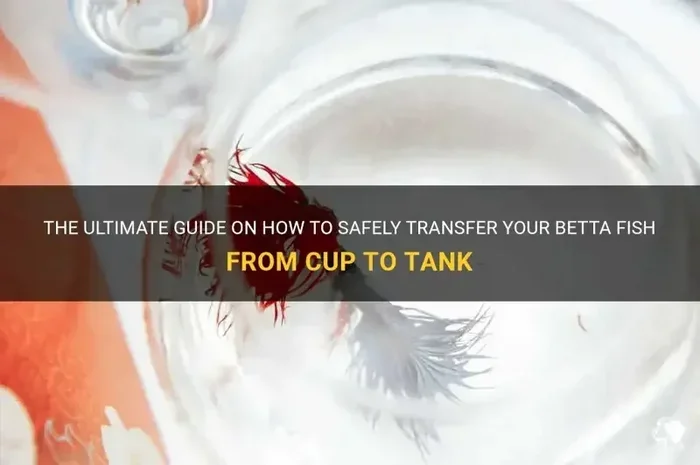
This is the most delicate part. Use a small cup or container to scoop your betta along with some of its original water. Avoid using a net if possible, as nets can damage betta fins. Gently pour the betta and its water into the new bowl. Adding some of the old water helps your betta adjust to the new environment more quickly.
Move slowly and calmly during this step. Loud noises and sudden movements can startle your fish. If you have children or other pets in the home, give them space while you complete the transfer.
Step 4: Acclimate Your Betta to the New Bowl
Once your betta is in the bowl, give it time to settle. Do not feed it for the first few hours. This gives the fish time to explore and adjust without the added stress of digestion. You may notice your betta hiding or staying still at first. This is completely normal and should not cause alarm.
Over the next 24 to 48 hours, monitor your betta closely. Watch for signs of stress such as rapid breathing, clamped fins, or refusal to eat. If everything looks normal after a day or two, your betta has successfully made the move.
Setting Up the Right Environment in the Bowl
A bowl is more than just a container of water. It is your betta’s entire world. Setting it up properly makes a huge difference in your fish’s health and happiness. This is where how to move a betta into fish bowl meets long-term care.
Adding Plants and Decorations
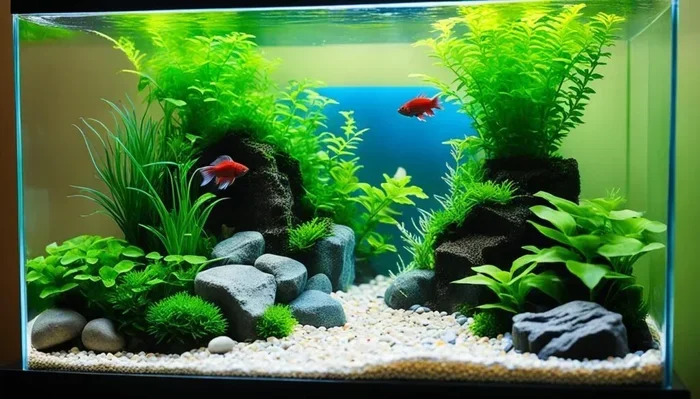
Bettas love places to hide and explore. Live plants are the best choice because they help filter the water and provide natural hiding spots. Silk plants also work well, but avoid anything with sharp edges that could tear your betta’s delicate fins. You can also add smooth rocks or a small piece of driftwood for visual interest.
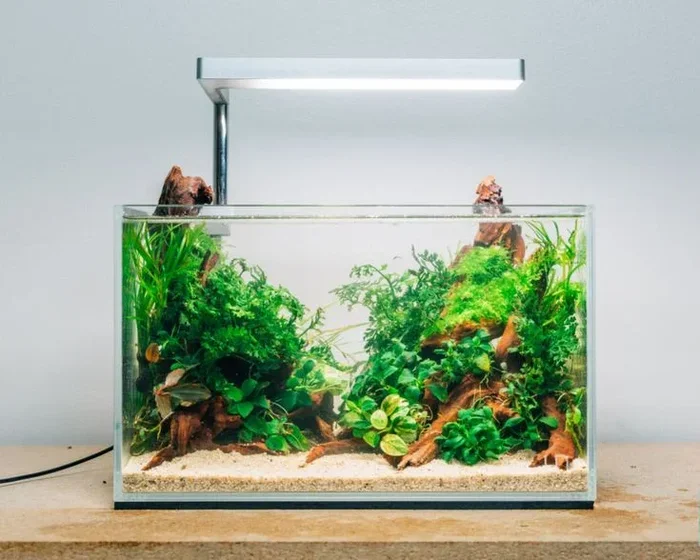
If you want to go the extra mile, consider setting up a betta fish bowl with a plant from the start. Live plants like java moss or anubias are low-maintenance and perfect for bowls. They also help keep the water cleaner between maintenance sessions.
Maintaining Water Quality
Water quality in a bowl requires more frequent attention than in a larger tank. Without a filter, waste can build up quickly. You should change about 25 to 30 percent of the water every week. Use a turkey baster or small siphon to remove debris from the bottom of the bowl.
Always treat new water with a conditioner before adding it to the bowl. Sudden changes in water chemistry can stress your betta. For more detailed guidance on keeping the water clean, check out our guide on how to maintain a betta fish bowl.
Temperature and Lighting Considerations
Bettas need a consistent day and night cycle. Provide moderate lighting for 8 to 10 hours a day. Avoid placing the bowl in direct sunlight, as this can cause temperature spikes and algae blooms. A room with natural indirect light works perfectly.
If you are concerned about keeping the water warm enough, especially during colder months, look into safe heating options. Maintaining the right water temperature is one of the most important aspects of betta care in a bowl.
Common Mistakes to Avoid When Moving Your Betta
Even the best intentions can lead to mistakes. Knowing what to avoid saves you time, money, and most importantly, protects your betta’s health.
Skipping the Acclimation Process
One of the biggest errors people make is dumping their betta directly into new water without acclimation. This causes temperature and pH shock. Always take the time to match conditions and introduce your betta gradually. A stress-free fish transfer requires patience and attention to detail.
Using an Uncycled Bowl
Adding your betta to a bowl that has not been cycled is asking for trouble. Uncycled bowls have high ammonia levels that can harm or even kill your fish. Always cycle the bowl first and test the water before introducing your betta. This single step prevents a world of problems down the road.
Overcrowding the Bowl
A bowl is not a community tank. Bettas are solitary fish and do not do well with other fish, especially males. Keep your betta alone in its bowl. Adding too many decorations or plants can also reduce swimming space, so keep the setup simple and functional.
Neglecting Regular Maintenance
Once your betta is settled, it is tempting to forget about the bowl. But regular maintenance is non-negotiable. Skipping water changes leads to cloudy water, algae growth, and unhealthy conditions. Set a schedule and stick to it. Your betta depends on you for a clean and safe environment.
After the Move: Monitoring Your Betta’s Adjustment
The first few days after moving your betta are critical. During this time, pay close attention to your fish’s behavior and appearance. A healthy betta should have bright colors, flowing fins, and a good appetite. Any changes in these areas could signal that something is wrong.
Watch for signs of stress such as hiding in corners, rubbing against the bowl, or gasping at the surface. If you notice any of these behaviors, test the water parameters immediately. Ammonia spikes, incorrect pH, or temperature fluctuations are common culprits.
Feed your betta small amounts once or twice a day after the move. Overfeeding is a common mistake that can foul the water quickly. Remove any uneaten food within a few minutes to keep the bowl clean.
For ongoing care tips, our article on preparing water for a betta fish is a great resource. It covers water treatment, temperature management, and testing in detail.
If you ever need to move your betta again, whether to a different bowl or back to a tank, the same principles apply. Handle your fish gently, match the water conditions, and give your betta time to adjust. The process of moving a betta into a fish bowl becomes second nature once you have done it a couple of times.
Remember, every betta is different. Some adjust quickly and start exploring right away, while others take a few days to feel comfortable. Both responses are normal. What matters most is that you provide a clean, warm, and safe environment for your fish to thrive in.
With the right preparation and a gentle hand, you can confidently move a betta into fish bowl setup that keeps your fish happy and healthy for years to come. The effort you put in during this process sets the foundation for a rewarding relationship with your betta. Enjoy watching your fish explore its new home, and take pride in knowing you gave it the best possible care.
Frequently Asked Questions
Can I move my betta fish into a fish bowl?
Yes, you can move a betta into a fish bowl, but you need to do it carefully. A bowl should be at least 5 gallons to keep your betta healthy and happy. Make sure the bowl has a gentle filter and a heater to maintain proper water conditions.
How to move a betta into fish bowl safely?
Start by conditioning the bowl water to match the temperature and pH of your current tank. Use a net to gently transfer your betta, avoiding any sudden changes. Gradually acclimate your fish by floating the bag in the bowl for 15 to 20 minutes before releasing it.
What size fish bowl is best for a betta?
A fish bowl should hold at least 5 gallons for a betta fish. Smaller bowls make it hard to maintain stable water parameters. A larger bowl gives your betta room to swim and helps keep the water cleaner longer.
Do I need a filter in a fish bowl for a betta?
Yes, a gentle filter is important even in a fish bowl. Bettas need clean water to stay healthy, and a filter helps remove waste and toxins. Choose a small sponge filter that won’t create too strong a current for your betta.
How long does it take for a betta to adjust to a fish bowl?
Most bettas adjust to a new fish bowl within 3 to 7 days. During this time, watch for signs of stress like hiding or loss of color. Keep the water parameters stable and avoid changing the bowl setup too soon after the move.
What mistakes should I avoid when moving a betta to a fish bowl?
Don’t skip the acclimation process, as sudden water changes can shock your betta. Avoid placing the bowl in direct sunlight, which can cause temperature swings. Also, don’t use a bowl smaller than 5 gallons, as it will be too hard to maintain proper water quality.