How to Put a Betta Fish in a New Bowl
Moving a betta to a new bowl doesn’t have to be stressful. Follow this friendly guide to prepare the water, acclimate your fish, and create a cozy home that mimics its natural environment. Simple tips and common pitfalls are covered so you can enjoy a thriving betta from day one.
Key Takeaways
- Prepare the bowl first: Clean, condition, and heat the water before the fish arrives.
- Acclimation matters: Gradual temperature and water‑parameter adjustment prevents shock.
- Right size & décor: A 2‑gal bowl with hiding spots and plants gives a betta room to thrive.
- Maintain water quality: Weekly partial changes and a gentle filter keep ammonia low.
- Watch for stress signs: Erratic swimming or faded colors indicate a problem that needs quick action.
- Use proper feeding: Small, frequent meals of high‑quality betta pellets prevent overfeeding.
- Regular health checks: Early detection of fin rot or disease keeps your betta alive longer.
📑 Table of Contents
- Introduction: Why the Right Move Matters
- 1. Choosing the Right Bowl
- 2. Preparing the Bowl Before the Betta Arrives
- 3. The Acclimation Process: A Gentle Introduction
- 4. Feeding Your Betta After the Move
- 5. Ongoing Care and Maintenance
- 6. When to Upgrade to a Tank
- Conclusion: A Happy Betta Starts with a Careful Move
Introduction: Why the Right Move Matters
Imagine you’ve just rescued a beautiful betta from a cramped shop bowl. You want to give it a better home, but the thought of moving it can feel daunting. The good news? How to put a betta fish in a new bowl is actually a simple process when you break it down into clear steps.
Betta fish are hardy, but they are also sensitive to sudden changes in temperature, pH, and water chemistry. A rushed transfer can lead to stress, which shows up as faded colors, clamped fins, or even illness. By taking the time to set up the bowl correctly and acclimate the fish slowly, you create a safe environment that mimics the warm, slow‑moving waters of Southeast Asia where bettas naturally thrive.
1. Choosing the Right Bowl
The word “bowl” often brings to mind tiny, decorative containers. While a small bowl can look cute, it rarely provides enough space for a healthy betta. Here’s what to look for:

Visual guide about How to Put a Betta Fish in a New Bowl
Image source: embed.pixiv.net
Size Matters
- Minimum volume: Aim for at least 2 gallons (7.5 L). Bigger is always better; a 5‑gallon tank offers more stable water parameters.
- Shape: A wide, shallow bowl gives the betta room to glide and display its fins.
Material and Transparency
Clear glass or acrylic lets you admire the fish and monitor water quality. Avoid colored or heavily patterned bowls that can hide algae or waste buildup.
Optional Filtration
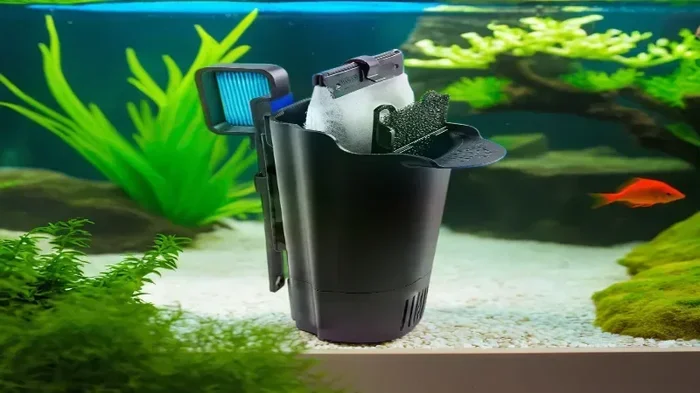
Although bettas can live without a filter, a gentle sponge filter or a low‑flow internal filter reduces ammonia spikes and makes maintenance easier. If you use a filter, set it on the weakest setting to avoid a strong current that can stress the fish.
2. Preparing the Bowl Before the Betta Arrives
Preparation is the backbone of a successful transfer. Follow these steps to create a stable, welcoming environment.

Visual guide about How to Put a Betta Fish in a New Bowl
Image source: haowallpaper.com
2.1 Clean the Bowl
Rinse the bowl with warm water only—no soap or chemicals. Residues can be toxic. For stubborn slime, use a soft brush and rinse thoroughly.
2.2 Add the Right Water
- Dechlorinate: Use a water conditioner to neutralize chlorine and chloramines.
- Temperature: Heat the water to 78‑80°F (25‑27°C). A small submersible heater works well for bowls.
- pH and Hardness: Aim for a pH of 6.5‑7.5 and moderate hardness (50‑150 ppm). Test strips make this easy.
2.3 Decor and Hiding Places
Betta fish love to explore and hide. Add live or silk plants, a smooth rock, and a small cave or coconut shell. Avoid sharp ornaments that could tear delicate fins.
Need ideas? Check out our guide on how to decorate a betta fish bowl for inspiration.
2.4 Let the Bowl Cycle (Optional)
If you’re using a filter, let the bowl run for 24‑48 hours before adding the fish. This helps establish beneficial bacteria that break down waste.
3. The Acclimation Process: A Gentle Introduction
Acclimation is the most critical part of how to put a betta fish in a new bowl. Sudden temperature or water‑parameter changes can shock the fish.

Visual guide about How to Put a Betta Fish in a New Bowl
Image source: bilder1.ladies-cdn.de
3.1 Float the Bag
Place the sealed bag (or container) with the betta in the bowl for 15‑20 minutes. This equalizes temperature.
3.2 Drip Method (Recommended)
- Open the bag and gently pour a small amount of bowl water into it.
- Repeat every 5 minutes, adding a teaspoon each time, for about 30 minutes.
- Watch the fish—if it looks stressed, slow the process.
3.3 Transfer the Betta
Using a soft net, gently lift the betta and release it into the bowl. Avoid dumping the bag water directly into the bowl; it may contain contaminants.
4. Feeding Your Betta After the Move
After a transfer, a betta may be hesitant to eat. Offer a small amount of high‑quality betta pellets or frozen bloodworms.
4.1 Portion Control
Feed 2‑3 pellets once or twice daily. Overfeeding leads to cloudy water and health issues.
4.2 Observe Eating Habits
If the betta refuses food for 24‑48 hours, try a different type of food or a tiny dab of brine shrimp. Persistent refusal may signal stress or illness.
5. Ongoing Care and Maintenance
Keeping the bowl clean and the water stable is essential for long‑term health.
5.1 Weekly Water Changes
Change 25‑30% of the water each week. Use a siphon to remove debris and replace with conditioned water at the same temperature.
5.2 Monitoring Water Quality
Test for ammonia, nitrite, and nitrate every two weeks. Ammonia should be 0 ppm; nitrate below 20 ppm is ideal.
5.3 Spot Cleaning
Remove uneaten food and algae with a soft sponge. For a deeper clean, follow our step‑by‑step guide on how to clean out a betta fish bowl.
5.4 Dealing with Common Problems
- Fin rot: If you notice frayed fins, treat with a mild antibacterial medication and improve water quality. Learn more at how to fix fin rot in a betta fish.
- Cloudy water: Reduce feeding, increase water changes, and ensure the heater isn’t overheating.
- Stress signs: Hidey‑fish posture, faded colors, or rapid breathing indicate a need for better water conditions or more hiding spots.
6. When to Upgrade to a Tank
While a well‑maintained bowl can work for a single betta, many owners eventually upgrade to a larger tank for added stability and enrichment.
Signs It’s Time to Move
- Betta outgrows the bowl (shows active swimming near the surface).
- Frequent algae blooms or water quality issues.
- Desire to add live plants or a gentle filter.
For a smooth transition to a tank, read our article on how to put a betta fish into a new tank. The steps are similar, but a larger volume makes water parameters easier to control.
Conclusion: A Happy Betta Starts with a Careful Move
Putting a betta fish in a new bowl is more than just scooping it into a container—it’s about creating a stable, comfortable home that meets its specific needs. By choosing the right bowl, preparing the water, acclimating gently, and maintaining clean conditions, you set the stage for a vibrant, active betta that will brighten your space for years to come.
Remember, patience is key. Take the time to observe your fish, adjust the environment as needed, and enjoy the rewarding experience of caring for one of the most colorful freshwater companions available.
Frequently Asked Questions
How long should I let the water sit before adding my betta?
Let the conditioned water sit for at least 30 minutes after heating. This ensures the temperature stabilizes and the dechlorinator fully neutralizes any chemicals.
Can I use tap water without a conditioner?
No. Tap water contains chlorine or chloramine, which are toxic to bettas. Always use a water conditioner designed for freshwater fish.
What temperature is safest for a betta in a bowl?
Maintain the water between 78°F and 80°F (25‑27°C). Use a reliable aquarium heater and a thermometer to monitor the temperature daily.
How often should I change the water in a betta bowl?
Perform a 25‑30% water change weekly. If the water looks cloudy or the fish shows stress signs, increase the frequency.
Is a filter necessary for a betta bowl?
A gentle filter helps keep ammonia low and reduces maintenance, but it must be set on a low flow to avoid stressing the betta.
What are signs that my betta is stressed after the move?
Look for clamped fins, faded colors, rapid breathing, or a tendency to hide. Reduce stress by checking water parameters, adding more hiding spots, and ensuring the temperature is stable.