How to Calm Down a Stressed Betta Fish
Learning how to calm down a stressed betta fish is essential for every fish owner. Stressed bettas show obvious signs like clamped fins, hiding, and loss of appetite. You can reduce stress by fixing water quality, adjusting tank conditions, and creating a peaceful environment. This guide covers simple, effective methods you can start today. Your betta will feel safe and relaxed again with the right approach.
Every betta fish owner wants their pet to thrive. But sometimes, these beautiful creatures get stressed. A stressed betta fish can develop serious health problems fast. The good news is that calming your betta down is easier than you think. You just need to know what to look for and what to do.
In this guide, you will learn exactly how to calm down a stressed betta fish using simple, proven methods. We will cover everything from water quality to tank setup. You will also discover common mistakes that cause stress in the first place. By the end, you will have a clear action plan to help your fish relax and feel safe again.
Key Takeaways
- Recognize stress signs early: Clamped fins, erratic swimming, and loss of appetite are clear indicators your betta is stressed.
- Water quality is the #1 factor: Regular water changes and proper filtration keep your betta calm and healthy.
- Tank setup matters enormously: The right temperature, decorations, and tank size create a stress-free habitat for your betta fish.
- Avoid common triggers: Loud noises, bright lights, and aggressive tank mates can spike stress levels quickly.
- Bonding helps reduce anxiety: Spending time near the tank and offering gentle interaction builds trust and relaxation.
- Act fast when you spot trouble: Early intervention prevents minor stress from turning into serious health problems.
📑 Table of Contents
Understanding Why Betta Fish Get Stressed
Betta fish are sensitive creatures. They react strongly to changes in their environment. Stress happens when something in their habitat feels wrong or threatening. Understanding the root causes is the first step toward helping your fish.
Common stressors include poor water quality, wrong temperatures, bright lights, and loud noises. Even a small change in routine can upset your betta. Wild bettas live in slow-moving rice paddies and shallow streams. Your tank should mimic that peaceful setting as closely as possible.
Signs Your Betta Fish Is Stressed
You need to recognize stress signals quickly. The sooner you act, the better the outcome. Here are the most common betta fish stress signs to watch for:
- Clamped fins: Your betta holds its fins close to its body instead of spreading them out.
- Hiding constantly: A healthy betta explores its tank. A stressed one hides behind decorations or stays in one corner.
- Loss of appetite: Refusing food is a major red flag for betta fish health issues.
- Erratic swimming: Darting around the tank or rubbing against objects signals discomfort.
- Faded colors: A vibrant betta that suddenly looks pale is likely stressed.
- Breathing heavily: Rapid gill movement can indicate poor water conditions or anxiety.
If you notice any of these signs, do not wait. Take action right away. Ignoring stress can lead to diseases like ich or fin rot. Check out our guide on how to treat a stressed betta fish for additional help.
Fix the Water Quality First
Water quality is the biggest factor in betta fish care. Dirty water causes stress and illness. Your betta needs clean, safe water to feel comfortable. Think of it like this — would you want to live in a dirty room? Neither does your fish.
Start by testing your water parameters. Ammonia and nitrite should always read zero. Nitrate should stay below 20 ppm. Use a liquid test kit for accurate results. Test strips work too, but they are less precise.
How Often to Change the Water
Regular water changes are non-negotiable. For a small betta bowl or tank, change 25 to 50 percent of the water every week. For larger tanks, a 20 percent weekly change works well. Always use water conditioner to remove chlorine and chloramine before adding new water.
Here is a simple routine to follow:
- Suck up debris from the gravel with a siphon.
- Remove 25 to 50 percent of the old water.
- Replace it with conditioned water at the right temperature.
- Test the parameters to make sure everything is balanced.
Clean water does wonders for reducing fish stress. Your betta will swim more freely and eat better. For more tips on keeping water fresh, read our article on how to take care of betta fish water.
Create the Perfect Tank Setup
A proper tank setup makes a huge difference. Your betta needs a space that feels safe and natural. A stressful environment leads to a stressed fish. Let us walk through the essentials.
Tank Size Matters
Many people keep bettas in tiny bowls. This is a common mistake. Bettas need at least 5 gallons of space to thrive. A larger tank gives your fish room to explore and swim freely. Small containers cause stress because the water quality drops fast and the fish feels trapped.
If you are unsure about sizing, check out our guide on how big a betta fish tank needs to be. It covers everything you need to know about choosing the right tank size.
Temperature and Heating
Betta fish need warm water between 76 and 82 degrees Fahrenheit. Cold water stresses them out and weakens their immune system. An aquarium heater keeps the temperature stable. Without one, your betta is at risk of temperature swings that cause stress.
If you do not have a heater yet, here are some quick tips:
- Place the tank away from windows and drafts.
- Use a thermometer to monitor the temperature daily.
- Consider a low-wattage heater for small tanks.
For bettas in cooler rooms, you can also learn how to keep your betta fish warm without a heater using simple household methods.
Decorations and Hiding Spots
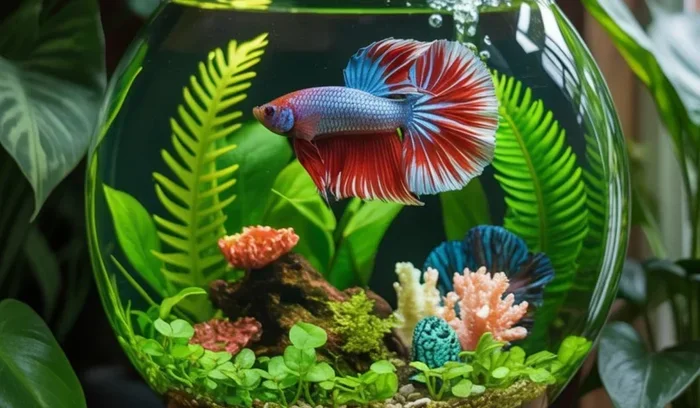
Bettas love places to hide and rest. Add plants, caves, and smooth decorations to your tank. Live plants are best because they also help clean the water. Silk plants work well too. Avoid sharp plastic decorations that can tear your betta’s delicate fins.
A well-decorated tank gives your betta a sense of security. It reduces betta fish aggression and anxiety. Your fish will spend more time exploring and less time hiding.
Reduce Noise and Light Stress
Betta fish are sensitive to their surroundings. Things we barely notice can overwhelm them. Two big culprits are noise and light.
Keep the Tank in a Quiet Spot
Place your betta tank away from speakers, TVs, and high-traffic areas. Loud vibrations and sudden noises startle your fish. A calm environment helps your betta feel safe. Think of a peaceful corner in your home where the tank will not get bumped or shaken.
Manage the Lighting
Too much light stresses bettas out. They need a regular day and night cycle. Use a timer to keep the lights on for 8 to 10 hours a day. Turn them off at night so your betta can rest. Direct sunlight on the tank causes temperature spikes and algae growth. Both are bad news for your fish.
A dim, consistent lighting setup goes a long way in helping your betta relax. This simple change often reduces stress faster than you would expect.
Build Trust Through Gentle Interaction
Bonding with your betta fish can actually help reduce its stress levels. Bettas are smarter than people give them credit for. They recognize their owners and respond to gentle interaction over time.
Start by sitting near the tank for a few minutes each day. Let your betta get used to your presence. You can try placing your finger on the glass gently. Some bettas will swim up to investigate. This builds familiarity and trust.
Feeding time is another great bonding opportunity. Use your fingers or a feeding ring to create a routine. Your betta will learn to associate you with food and safety. For more on building a strong relationship, read our article on how to grow a bond with your betta fish.
Here are some gentle interaction tips to keep in mind:
- Move slowly and avoid sudden gestures near the tank.
- Talk softly or play calming music near the aquarium.
- Feed at the same times every day to build routine.
- Never tap on the glass or scare your fish.
- Watch your betta’s body language and respect its space.
Common Mistakes That Cause Stress
Many betta owners accidentally stress their fish without realizing it. Avoiding these common mistakes can make a huge difference in your betta’s well-being.
Overfeeding
Overfeeding is one of the most common mistakes. Excess food fouls the water quickly. This leads to ammonia spikes and stress. Feed your betta 2 to 3 pellets twice a day. Skip one feeding day per week to help with digestion.
Wrong Tank Mates
Not all fish get along with bettas. Aggressive tank mates cause constant stress. Some fish nip at betta fins or compete for territory. Choose peaceful companions like snails or shy tetras if you want to add more fish. Always research any new tank mate before introducing them.
Skipping Maintenance
Inconsistent maintenance is a silent stressor. Dirty water, clogged filters, and forgotten water changes all add up. Set a schedule and stick to it. Your betta depends on you for a clean and stable home.
When to Seek Extra Help
Sometimes, despite your best efforts, your betta stays stressed. This could signal an underlying health issue. If your fish shows signs of illness like white spots, torn fins, or lethargy, it is time to take action.
Check out our guide on how to tell if a betta fish is dying for information on recognizing serious health decline. Early detection saves lives. A stressed betta fish that does not improve may need special treatment or a visit to an exotic vet.
Remember, patience is key. It can take days or even weeks for a stressed betta to fully relax. Keep the environment stable and consistent. Your fish will thank you with vibrant colors and peaceful swimming.
Final Thoughts on Calming a Stressed Betta Fish
Helping a stressed betta fish recover is one of the most rewarding things you can do as a fish owner. You now know the signs of stress, how to fix water quality, and why tank setup matters. You understand the importance of gentle interaction and avoiding common mistakes.
Start with the basics. Test your water. Check the temperature. Clean the tank. These simple steps solve most stress problems. Then focus on building a peaceful environment with proper decorations and a quiet location. Your betta will slowly come out of its shell and show its true personality.
Every betta deserves a calm, happy life. You have the knowledge and tools to make that happen. Trust your instincts, stay consistent, and enjoy the journey of caring for your beautiful fish.
Frequently Asked Questions
What are the fastest ways to calm down a stressed betta fish?
The fastest ways include checking and fixing water quality, adjusting the temperature to 76–82°F, and reducing light and noise around the tank. A partial water change with conditioned water often shows results within hours. Removing any aggressive tank mates also helps immediately.
Can a stressed betta fish die from stress alone?
Yes, prolonged stress weakens the immune system and can lead to fatal diseases. While stress itself does not always kill directly, it opens the door to infections and organ failure. This is why acting quickly when you notice stress signs is so important.
How long does it take for a betta fish to calm down after a move?
Most bettas need 1 to 2 weeks to adjust after being moved to a new tank or bowl. During this time, keep the environment quiet and dim. Avoid handling the fish too much. With consistent care, your betta will return to its normal, relaxed behavior.
Do betta fish get stressed from loneliness?
Betta fish are solitary by nature, so they do not typically get stressed from being alone. However, a completely empty tank with no stimulation can cause boredom and mild stress. Adding plants, caves, and a comfortable setup helps keep your betta mentally healthy.
Is salt water or salt baths helpful for stressed bettas?
A mild salt bath can help reduce stress and treat minor infections in betta fish. Use aquarium salt only, not table salt, and follow proper dosing instructions. Always research the correct concentration before adding salt to your betta’s water.
What should I do if my betta fish is hiding all the time?
Constant hiding usually means your betta is stressed or uncomfortable. Check the water parameters first, then look at the tank setup. Make sure the temperature is right and there are no aggressive neighbors. Give your fish time and a calm environment to come out naturally.