How to Make Betta Fish Gain the Fins Back Quick
Want to know how to make betta fish gain the fins back quick? This guide covers everything you need, from understanding why fins get damaged to creating the perfect tank conditions that speed up healing. You will learn simple water care tips, the best diet for fin regrowth, and how to prevent fin nipping so your betta grows beautiful, full fins again fast.
Betta fish are some of the most beautiful creatures you can keep at home. Their flowing fins and vibrant colors make them stand out in any room. But what happens when those gorgeous fins start to fade, tear, or disappear? It can be really stressful for any fish owner. If you are wondering how to make betta fish gain the fins back quick, you are in the right place. This guide walks you through every step of the fin regrowth process in plain, simple language.
Fin loss in bettas is more common than most people think. It can happen because of fin rot, fin nipping, poor water quality, or even stress. The good news is that betta fish have an amazing ability to heal and regrow their fins. With the right approach, you can speed up this process and help your fish look healthy again. We will cover everything from water setup to diet tips that really work.
By the end of this article, you will know exactly what to do to help your betta regrow its fins fast. You will also learn how to prevent future fin damage so your fish stays happy and healthy for years to come. Let us dive in and get your betta on the path to recovery.
Key Takeaways
- Fin regrowth is natural: Betta fish can regrow their fins over time with the right care and environment.
- Water quality is critical: Clean, warm, conditioned water is the foundation of fast fin healing and recovery.
- Diet matters a lot: Feeding high-quality food and homemade meals boosts healing and supports fin regrowth.
- Stress reduction speeds recovery: A calm, safe tank with no fin nippers helps bettas heal much faster.
- Treatment options exist: Medications and natural remedies can help treat fin rot and other causes of fin loss.
- Prevention is key: Simple tank setup changes stop fin damage before it starts.
📑 Table of Contents
Understanding Why Betta Fish Lose Their Fins
Before you can fix the problem, you need to understand what caused it. Bettas lose their fins for several reasons, and each one needs a slightly different approach. Figuring out the root cause is the first step toward helping your fish heal.
Fin Rot: The Most Common Culprit
Fin rot is a bacterial or fungal infection that eats away at the fins. It usually starts at the edges and works its way inward. You will notice the fins turning white, ragged, or fuzzy. Poor water quality is the biggest cause of fin rot. When ammonia and nitrite levels spike, the fins become vulnerable to infection. If you catch it early, fin rot is very treatable. You can learn more about treating fin loss in our How To Treat Betta Fish Fin Loss guide.
Fin Nipping from Tank Mates
Sometimes the problem comes from other fish in the tank. Aggressive tank mates may nip at your betta’s long fins. This causes tears and splits that can become infected if not addressed. Bettas are solitary fish by nature, so keeping them with peaceful species or alone is often the best choice. If you want to house multiple bettas, check out our article on How To Make A Betta Fish Tank Divider for a safe solution.
Environmental Stressors
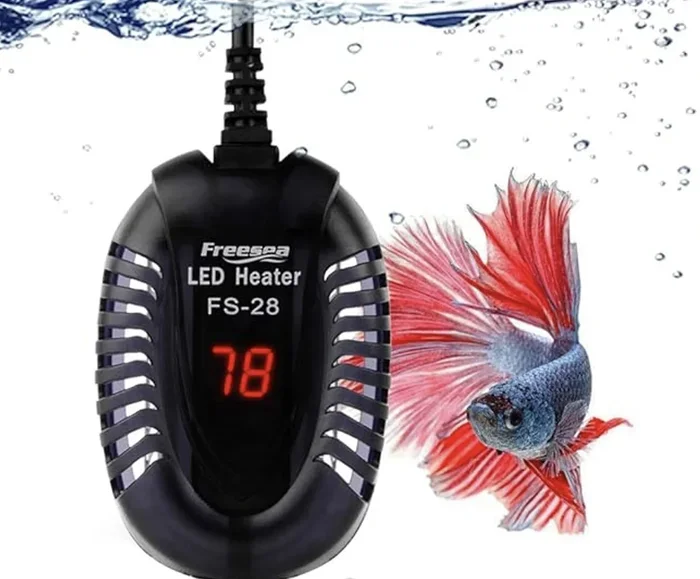
Cold water, sudden temperature changes, and dirty tanks all stress your betta out. Stress weakens the immune system, which makes fin damage more likely and slows down healing. Bettas need warm, stable water between 78 and 80 degrees Fahrenheit. A good aquarium heater makes a huge difference. Learn how to keep the water warm in our How To Make My Betta Fish Tank Warmer article.
How to Make Betta Fish Gain the Fins Back Quick
Now that you know what causes fin loss, let us talk about the actual regrowth process. Bettas can absolutely regrow their fins, but the speed depends on a few key factors. Here is how you can make it happen faster.
Step 1: Optimize the Water Quality
The single most important thing you can do is keep the water clean. Dirty water slows healing and invites infection. Follow these simple steps for pristine tank water:
- Test the water weekly for ammonia, nitrite, and nitrate levels.
- Do partial water changes of 25 to 30 percent every week.
- Use a water conditioner to remove chlorine and chloramine from tap water.
- Vacuum the gravel during water changes to remove debris.
- Keep the filter running but avoid strong currents that stress your betta.
Clean water is the foundation of fast fin regrowth. If you are unsure how to prepare the right water, our How To Make Water For Betta Fish article has everything you need.
Step 2: Maintain the Right Temperature
Bettas are tropical fish and they need warm water to heal properly. A stable temperature around 78 to 80 degrees Fahrenheit supports cell regeneration and boosts the immune system. Cold water slows everything down and can even make fin rot worse. Use a reliable aquarium thermometer to monitor the temperature daily. If your tank runs cool, invest in a good heater and place it near the filter output for even heat distribution.
Step 3: Feed a Healing-Friendly Diet
What your betta eats directly affects how fast its fins grow back. A nutrient-rich diet provides the building blocks for new fin tissue. Here are the best food choices for fin regrowth:
- High-quality betta pellets as the staple diet.
- Frozen or live bloodworms for protein and energy.
- Brine shrimp to boost overall health.
- Homemade betta food made from natural ingredients.
Feed small amounts twice a day and never overfeed. Excess food fouls the water quickly and creates more problems. For DIY meal ideas, check out our How To Make Betta Fish Food At Home guide. Also, read our article on How To Make Your Betta Fish Stronger for more nutrition tips that support healing.
Step 4: Reduce Stress in the Tank
A stressed betta heals slowly. Creating a calm environment is essential for fin regrowth. Here is how to keep stress levels low:
- Keep the tank in a quiet area away from loud noises and direct sunlight.
- Provide hiding spots with plants or decorations.
- Avoid sudden changes in lighting or water flow.
- Do not tap on the glass or startle your fish.
- Keep the tank routine consistent with regular feeding and cleaning schedules.
A relaxed betta spends its energy on healing instead of survival. This simple change can dramatically speed up the fin regrowth timeline.
Step 5: Use Appropriate Treatments When Needed
If your betta has fin rot or an open wound, you may need medication to stop the infection before the fins can regrow. Here are some common treatment options:
- Fungal and bacterial medications available at pet stores.
- Indian almond leaves (also called catappa leaves) that release natural healing compounds.
- Salt baths in small doses to fight mild infections.
- Tetracycline-based treatments for bacterial fin rot.
Always follow dosage instructions carefully and remove carbon from your filter during treatment. If your fish is very sick, consider consulting a vet. Our article How To Make Your Betta Fish Healthy Again covers treatment strategies in more detail.
The Fin Regrowth Timeline: What to Expect
Patience is key when helping a betta regrow its fins. The timeline varies depending on the severity of the damage and how well you care for the fish. Here is a general breakdown of what to expect:
| Damage Level | Expected Regrowth Time | What the New Fins Look Like |
|---|---|---|
| Minor tears or splits | 1 to 2 weeks | Fins look normal again quickly |
| Moderate fin loss | 3 to 4 weeks | Fins grow back with a slightly different shape at first |
| Severe fin loss or rot | 6 to 8 weeks or longer | Fins regrow slowly and may start shorter and lighter in color |
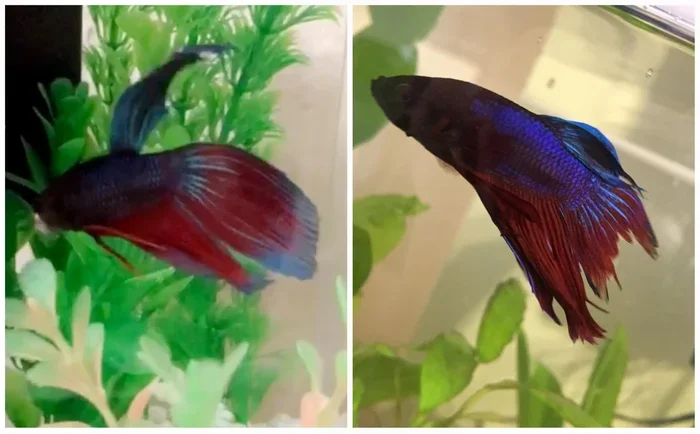
Remember that new fins often look different at first. They may be shorter, lighter, or have a slightly different shape. Over time, they will fill out and regain their original beauty. The fins should not look worse over time if healing is progressing normally. If you notice the fins shrinking or the edges turning white again, check your water parameters immediately.
How to Prevent Future Fin Loss
Getting the fins back is only half the battle. You also want to make sure they stay healthy and do not get damaged again. Prevention is always easier than treatment. Here are proven strategies to protect your betta’s fins going forward.
Choose the Right Tank Setup
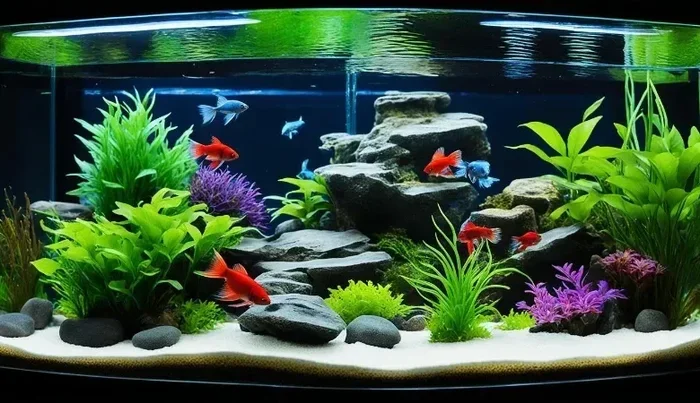
A proper tank setup makes a huge difference. Bettas need at least a 5-gallon tank with gentle filtration. Avoid tanks with sharp decorations or rough gravel that can tear fins. Live plants like java fern and anubias provide natural hiding spots and improve water quality. A well-planned tank reduces the chances of accidental fin damage.
Keep the Water Clean and Stable
Regular maintenance is your best defense against fin problems. Stick to a weekly water change schedule and test the water consistently. Stable parameters mean a stronger immune system and healthier fins. Using a good water conditioner every time you add new water removes harmful chemicals that can irritate the fins.
Feed a Balanced Diet
A well-fed betta is a resilient betta. Variety in the diet ensures your fish gets all the vitamins and minerals it needs. Rotate between pellets, frozen foods, and occasional treats. A strong immune system fights off infections that cause fin loss. You can also explore ways to make your betta fish colorful through diet, which often goes hand in hand with healthy fin growth.
Monitor Your Fish Daily
Spend a few minutes each day watching your betta. Look for early signs of fin damage like ragged edges, white spots, or color fading. Catching problems early means faster treatment and better outcomes. Early intervention is the secret to keeping fins healthy long-term.
Common Mistakes That Slow Down Fin Regrowth
Many well-meaning fish owners accidentally slow down the healing process. Here are the most common mistakes to avoid:
- Overcleaning the tank: Washing everything with soap or removing too much beneficial bacteria harms your betta.
- Ignoring water changes: Dirty water is the number one cause of slow healing and repeated fin loss.
- Overfeeding: Excess food pollutes the water and leads to ammonia spikes.
- Using the wrong medication: Treating a fungal infection with a bacterial medication (or vice versa) does more harm than good.
- Keeping the water too cold: Cold temperatures slow metabolism and delay fin regrowth significantly.
- Adding aggressive tank mates: Fin nippers will undo all your hard work and damage the new fins.
Avoiding these mistakes puts you on the fast track to seeing your betta’s fins grow back full and beautiful again.
Expert Insights on Betta Fin Regrowth
Experienced betta keepers agree that consistency is the most important factor in fin regrowth. You do not need expensive equipment or miracle cures. Most of the work comes down to simple daily habits. Keep the water clean, maintain the right temperature, feed a quality diet, and reduce stress. These four pillars support the natural healing process that allows bettas to regrow their fins.
Many owners also notice that younger bettas regrow fins faster than older ones. If you want to learn more about your fish’s age and how it affects healing, check out our How To Tell The Age Of A Female Betta Fish guide. Understanding your fish’s life stage helps you set realistic expectations for the regrowth timeline.
Another helpful resource is our article on How To Make Your Betta Fish Happy. A happy betta is a healthy betta, and a healthy betta regrows its fins faster. Focus on overall well-being and the fin regrowth will follow naturally.
Conclusion
Helping your betta fish gain the fins back quick is absolutely achievable with the right knowledge and consistent care. Start by cleaning the water, keeping the temperature stable, feeding a healing-friendly diet, and reducing stress in the tank. Address any infections promptly with appropriate treatments, and always watch for early warning signs of fin damage. With patience and dedication, your betta will grow beautiful fins again. The key is to stay proactive and make fin health a regular part of your care routine. Your fish will thank you with vibrant, flowing fins that light up the tank.
Frequently Asked Questions
How long does it take for betta fish fins to grow back?
Minor fin damage can heal in 1 to 2 weeks, while moderate to severe fin loss takes 3 to 8 weeks. The timeline depends on water quality, diet, and overall tank conditions. Consistent care speeds up the process significantly.
Can betta fish regrow fins after fin rot?
Yes, betta fish can regrow fins after fin rot if the infection is treated early. Clean water and proper medication help stop the infection and allow new fin tissue to grow. Severe cases may take longer but full regrowth is still possible.
What is the best water temperature for betta fin regrowth?
The ideal temperature for betta fin regrowth is between 78 and 80 degrees Fahrenheit. Warm water supports cell regeneration and boosts the immune system. Use a reliable aquarium heater to maintain a stable temperature.
Can I use aquarium salt to help my betta regrow fins?
Yes, aquarium salt in small doses can help fight mild infections and support healing. Use one teaspoon per gallon and monitor your betta closely. Always dissolve the salt in tank water before adding it to the aquarium.
Why are my betta’s new fins growing back a different color?
New fins sometimes grow in lighter or slightly different in color at first. This is completely normal and usually fades as the fins mature. Over time, the fins will regain their original vibrant color and pattern.
How can I prevent my betta from losing its fins again?
Keep the water clean, maintain stable temperatures, feed a balanced diet, and avoid aggressive tank mates. Regular tank maintenance and daily observation catch problems early. A stress-free environment is the best prevention for future fin loss.