How to Make Betta Fish Fry Food
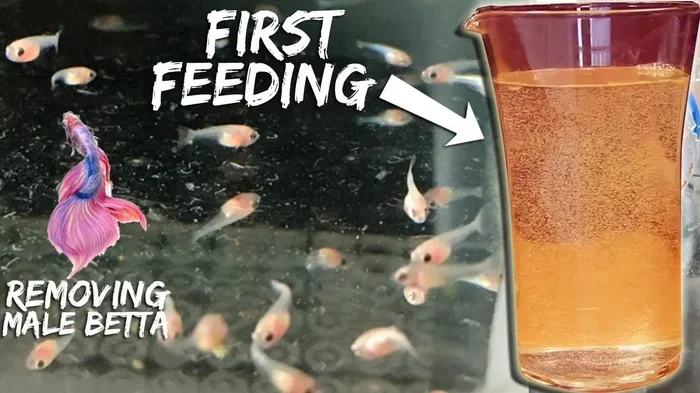
Making betta fish fry food at home is easier than you think. This guide shows you how to prepare nutritious, protein-rich meals using simple ingredients like infusoria, baby brine shrimp, and micro worms. You will learn feeding schedules, recipe ideas, and tips to keep your betta fry healthy and growing strong.
Key Takeaways
- Homemade fry food is safer and more nutritious: You control every ingredient, avoiding preservatives and fillers found in store-bought options.
- Infusoria and micro worms are perfect first foods: They are small enough for newborn betta fry to eat immediately after hatching.
- Baby brine shrimp boost growth and color: This live food is packed with protein and helps betta fry develop faster and healthier.
- Feeding frequency matters a lot: Betta fry need multiple small meals per day to support their rapid growth and high metabolism.
- Avoid overfeeding to prevent water contamination: Uneaten food decays quickly in fry tanks and can harm delicate fry.
- You can make food paste from flakes: A simple blender method turns regular fish food into fry-friendly micro-particles.
📑 Table of Contents
- Why Making Betta Fish Fry Food at Home Matters
- Best Ingredients for Homemade Betta Fry Food
- How to Prepare Betta Fry Food Step by Step
- Feeding Schedule for Betta Fry
- Common Mistakes When Making Fry Food at Home
- How Homemade Fry Food Supports Betta Fry Growth
- Comparison: Homemade vs. Store-Bought Betta Fry Food
- Expert Tips for Raising Healthy Betta Fry
- Conclusion
Why Making Betta Fish Fry Food at Home Matters
Raising betta fish fry is a rewarding experience. But feeding them the right food is the biggest challenge new breeders face. Store-bought fry food often contains fillers and artificial ingredients. When you make betta fish fry food at home, you know exactly what goes into every meal. This means healthier fry, better growth rates, and stronger fish overall.
Newborn betta fry are incredibly tiny. They cannot eat regular fish flakes or pellets. Their mouths are simply too small. You need food that is fine enough for them to consume within minutes. Homemade solutions give you complete control over particle size and nutrition.
Many experienced breeders swear by homemade diets. They see better color development, faster growth, and fewer health issues in their fry. The good news is that you do not need fancy equipment. Most recipes use simple kitchen ingredients and basic tools you already have at home.
Best Ingredients for Homemade Betta Fry Food
Infusoria: The Perfect First Food
Infusoria is the go-to first food for betta fry. These microscopic organisms are naturally found in aquarium water. They are the perfect size for newborn fry that are just a few days old. You can culture infusoria at home using a simple jar of pond water mixed with lettuce or hay.
Setting up an infusoria culture takes just a few days. Place a small piece of lettuce in a jar of aged water. Let it sit in warm conditions. Within three to seven days, the water will turn cloudy with beneficial microorganisms. This cloudy water becomes a rich food source for your fry.
Micro Worms for Growing Fry
Micro worms are another excellent food option. They are slightly larger than infusoria but still small enough for young betta fry. These tiny nematodes are easy to culture using a slice of bread and yeast. A healthy micro worm culture can feed your fry for weeks without much effort.
Micro worms provide good protein content. They also help betta fry develop strong swimming ability. Many breeders introduce micro worms when fry are about one week old and have grown a bit since hatching.
Baby Brine Shrimp: A Protein Powerhouse
Baby brine shrimp are arguably the best live food for betta fry. They are packed with protein and healthy fats. These tiny crustaceans stimulate natural hunting instincts and encourage active feeding. Betta fry absolutely love chasing brine shrimp nauplii around the tank.
You can hatch brine shrimp eggs using a simple DIY hatcher. Use a jar, an air pump, and a light source. Within 24 to 48 hours, you will have a thriving population of baby brine shrimp ready to feed your fry. This is one of the most cost-effective ways to make betta fish fry food at home.
Homemade Fish Food Paste
If you want a more convenient option, fish food paste works well. You can blend high-quality betta flakes or pellets into a fine powder. Mix the powder with a small amount of tank water or egg yolk to create a thick paste. This paste can be dropped into the fry tank in tiny portions.
The paste method is great for fry that are a bit older and have larger mouths. It also allows you to fortify the food with extra vitamins. A drop of liquid vitamins or a tiny amount of spirulina powder can boost the nutritional value significantly.
How to Prepare Betta Fry Food Step by Step
Preparing homemade betta fry food does not need to be complicated. Follow these simple steps to create nutritious meals your fry will thrive on. Each recipe targets a different growth stage, so you can rotate them throughout the week.
Step 1: Gather Your Ingredients
Start with high-quality betta flakes or freeze-dried bloodworms. You will also need a clean blender or coffee grinder, a small bowl, and tank water. For cultures, you need a jar, lettuce, yeast, and a light source. Keeping everything clean prevents contamination that could harm delicate fry.
Step 2: Grind or Blend Food into Fine Particles
Place a small amount of betta flakes in the blender. Pulse several times until the flakes become a very fine powder. The particles should be almost dust-like. If the powder is too coarse, add a tiny bit of tank water and blend again. The goal is to create particles small enough for fry mouths.
Step 3: Mix into a Paste or Culture
For paste food, mix the fine powder with a few drops of tank water. The mixture should be thick but spreadable. You can also add a tiny amount of egg yolk for extra nutrition. For live food cultures, follow the specific instructions for infusoria, micro worms, or brine shrimp hatching.
Step 4: Feed in Small, Controlled Amounts
Use a pipette or eyedropper to place tiny amounts of food in the fry tank. Only add what the fry can consume within two minutes. Overfeeding is the most common mistake beginners make. Excess food quickly decays and pollutes the water, which can be fatal for young fry.
Feeding Schedule for Betta Fry
Betta fry have very high metabolisms. They need to eat frequently throughout the day. A proper feeding schedule is just as important as the food itself. Here is a simple daily routine you can follow.
- Morning (7-8 AM): Feed a small amount of infusoria or micro worms.
- Midday (12 PM): Offer a few drops of homemade food paste or brine shrimp.
- Afternoon (4-5 PM): Provide another small feeding of live or cultured food.
- Evening (8 PM): Give a light final feeding of infusoria or fine paste.
This four-meal schedule ensures fry have constant access to nutrition. It also mimics their natural feeding patterns in the wild. As the fry grow older and their mouths get bigger, you can reduce feedings to three times per day. By week four, two feedings per day are usually sufficient.
Watch your fry carefully during feeding time. Healthy fry will eagerly swim toward the food. If they seem disinterested, the food particles may be too large. Adjust the size or try a different food type. Feeding betta fry with the right consistency makes a huge difference in their survival rate.
Common Mistakes When Making Fry Food at Home
Even experienced hobbyists make mistakes with homemade fry food. Learn from these common errors to save yourself time and frustration.
- Overfeeding: This is the number one killer of betta fry. Excess food rots quickly and releases ammonia into the water. Always feed less than you think is needed.
- Using contaminated water: Always use aged or dechlorinated water when preparing food. Chlorine from tap water can harm or kill delicate fry.
- Grinding food too coarsely: If the particles are too big, fry cannot eat them. Use a fine mesh strainer to check the consistency before feeding.
- Skipping live food entirely: While homemade paste works, live foods like brine shrimp and micro worms provide essential nutrients and stimulation that paste alone cannot match.
- Not cleaning the fry tank: Leftover food and waste build up fast in small fry containers. Perform frequent small water changes to keep conditions pristine.
Avoiding these mistakes will dramatically improve your fry survival rate. A clean environment combined with proper nutrition gives your betta fry the best possible start in life.
How Homemade Fry Food Supports Betta Fry Growth
The food you provide directly impacts how well your betta fry grow. During the first few weeks, fry develop their body shape, finnage, and color. Nutrition plays a critical role in every stage of betta fry development. Homemade food allows you to tailor the diet to each growth phase.
In the first week, fry rely on their yolk sac for nutrition. After that, they need external food sources immediately. Infusoria and freshly hatched brine shrimp are ideal during this stage. They provide the right balance of protein and fat without being too rich.
As the fry grow to about two weeks old, you can introduce micro worms and thicker food paste. Their digestive systems become more capable of handling varied foods. By week three, you can start offering larger particles like finely crushed flakes and adult brine shrimp.
Protein is the most important nutrient for growing fry. Look for ingredients that are naturally high in protein. Bloodworms, brine shrimp, and quality betta flakes all provide excellent protein levels. A diet rich in protein supports rapid muscle development and vibrant color formation.
Fats and carbohydrates also play supporting roles. A small amount of egg yolk provides healthy fats. Spirulina powder adds natural pigments that enhance color. Balancing these nutrients in your homemade recipes gives your fry the best foundation for a long, healthy life.
Many breeders who switch to homemade diets notice visible improvements. Their fry grow faster, display brighter colors earlier, and show fewer deformities. The difference between a well-fed fry and an underfed one is remarkable. Investing time in proper nutrition pays off tremendously.
Comparison: Homemade vs. Store-Bought Betta Fry Food
| Factor | Homemade Food | Store-Bought Food |
|---|---|---|
| Cost per serving | Very low | Moderate to high |
| Ingredient control | Complete control | Limited, unknown fillers |
| Freshness | Always fresh | Varies, may be expired |
| Nutritional value | High when properly balanced | Varies by brand |
| Preparation time | 15-30 minutes per batch | Zero preparation |
| Availability of live foods | Easy to culture at home | Requires purchase |
| Risk of contamination | Low if hygiene is maintained | Low from sealed packaging |
Both options have their place. Store-bought food is convenient and consistent. But for breeders who want the best possible outcomes, homemade betta fry food offers unmatched quality and customization. The extra effort is well worth it when you see how well your fry thrive.
Expert Tips for Raising Healthy Betta Fry
Beyond food, there are other factors that contribute to successful fry raising. These expert tips will help you get the best results possible.
Keep the water temperature stable. Betta fry thrive in warm water between 78 and 80 degrees Fahrenheit. Use a small heater designed for fry tanks. Stable temperatures reduce stress and support healthy digestion.
Perform frequent small water changes. Replace 10 to 20 percent of the water every other day. This removes waste buildup without disturbing the fry. Use a turkey baster or airline tubing for gentle syphoning.
Provide hiding spots. Even in a fry tank, shy fry benefit from plants or fine-leaved decorations. Java moss and spawning mops offer excellent cover. This reduces stress and helps weaker fry feel safe enough to eat.
Separate fast growers from slow ones. By week three, you may notice size differences among fry. Separate smaller fry into their own container to prevent larger ones from outcompeting them for food. This simple step improves overall survival rates.
Observe your fry daily. Watch for signs of healthy appetite and active swimming. If you notice any fry lying on the bottom or refusing food, check water parameters immediately. Early detection of problems leads to faster solutions.
For more detailed guidance on caring for young fish, you might also find our article on how to feed betta fish fry helpful. It covers additional feeding techniques and tank setup tips specifically for newborn bettas.
Similarly, if you are interested in providing variety beyond homemade options, check out our guide on what live food to feed betta fish. It explores the best live food choices for all stages of betta development.
Finally, if you want to ensure your adult bettas are in top condition to produce healthy fry, our article on how to make betta fish food at home provides excellent recipes for adult betta nutrition as well.
Conclusion
Learning how to make betta fish fry food is one of the most valuable skills a betta breeder can develop. Homemade food gives you complete control over nutrition, ingredient quality, and particle size. From infusoria for newborns to baby brine shrimp for growing fry, each food type serves a specific purpose in your fry’s development.
The recipes and schedules in this guide are simple to follow and cost very little. You do not need expensive equipment or specialist knowledge. Just a few basic ingredients, some patience, and consistent attention to your fry’s needs.
Remember that proper nutrition is the foundation of healthy fry growth. Combined with clean water, stable temperatures, and careful observation, homemade food will set your betta fry up for success. Start with one or two recipes, observe how your fry respond, and adjust as needed. The rewards of raising thriving, vibrant betta fry from homemade food are truly satisfying.
Take action today. Set up your first infusoria culture or hatch a batch of brine shrimp. Your betta fry deserve the best start in life, and homemade food is the best way to give it to them.
Frequently Asked Questions
What is the best first food for betta fish fry?
Infusoria is widely considered the best first food for newborn betta fry. These microscopic organisms are the perfect size for fry that are just a few days old. You can easily culture infusoria at home using pond water and lettuce in a simple jar setup.
How often should I feed betta fish fry?
Betta fish fry need to be fed four times a day during their first two weeks. As they grow, you can reduce this to three or two feedings per day. The key is offering small amounts multiple times rather than one large feeding that could pollute the water.
Can I use regular fish flakes for betta fry food?
Regular fish flakes can be used but must be ground into an extremely fine powder first. Newborn fry cannot eat large flakes. Use a blender or mortar and pestle to crush flakes into dust-sized particles, then mix with tank water to form a paste for feeding.
How do I culture infusoria for betta fry food at home?
To culture infusoria, place a small piece of lettuce or a handful of hay in a jar of aged aquarium water. Keep the jar in a warm spot with indirect light. Within three to seven days, the water will develop a cloudy culture of microorganisms ready to feed your fry.
Is homemade betta fry food better than commercial options?
Homemade betta fry food offers several advantages including complete ingredient control, freshness, and lower cost. Commercial foods are convenient but may contain fillers and preservatives. Many breeders find that a combination of both works best for raising healthy fry.
What live foods can I feed betta fish fry besides brine shrimp?
Beyond brine shrimp, you can feed betta fry micro worms, vinegar eels, and microworms. These are all easy to culture at home and provide excellent nutrition. Each offers a slightly different nutritional profile, so rotating between them gives fry a balanced diet.