Why Does Betta Fish Die
Betta fish are beautiful but fragile, and many owners wonder why does betta fish die so quickly. Most deaths stem from poor water quality, improper feeding, and hidden illnesses. Follow these easy guidelines to keep your betta healthy and vibrant.
Key Takeaways
- Water quality is king: Bad parameters kill bettas faster than any other factor.
- Proper diet matters: Over‑feeding or the wrong food stresses their digestive system.
- Watch for disease signs: Early detection of fin rot, velvet, or ich can save a life.
- Tank size and setup: A 5‑gallon minimum with a gentle filter prevents stress.
- Stress triggers: Aggressive tank mates, sudden temperature changes, and poor décor all contribute.
- Routine care saves lives: Regular water changes, testing, and cleaning are non‑negotiable.
- Know the red flags: Lethargy, loss of color, bloating, and abnormal swimming signal trouble.
📑 Table of Contents
- Introduction: The Heartbreak of Losing a Betta
- 1. Water Quality – The Silent Killer
- 2. Feeding Mistakes – Too Much, Too Little, Wrong Food
- 3. Disease and Parasites – Hidden Threats
- 4. Stress Factors – The Quiet Killers
- 5. Tank Size and Setup – More Space, More Life
- 6. Recognizing Early Warning Signs
- Conclusion: Turning Knowledge into a Longer Life
Introduction: The Heartbreak of Losing a Betta
When you bring a new betta home, you expect weeks of bright colors and graceful fins. Instead, you might find yourself asking, why does betta fish die so often? The answer isn’t always a single cause; it’s usually a mix of water, food, disease, and stress. Understanding each piece helps you become a better caretaker and keeps the heartbreak at bay.
In this guide we’ll walk through the most common reasons behind betta loss, give you simple checks you can do every week, and share practical tips to fix problems before they become fatal. Think of it as a friendly chat over a cup of tea, with lots of easy‑to‑follow steps.
1. Water Quality – The Silent Killer
Why clean water matters
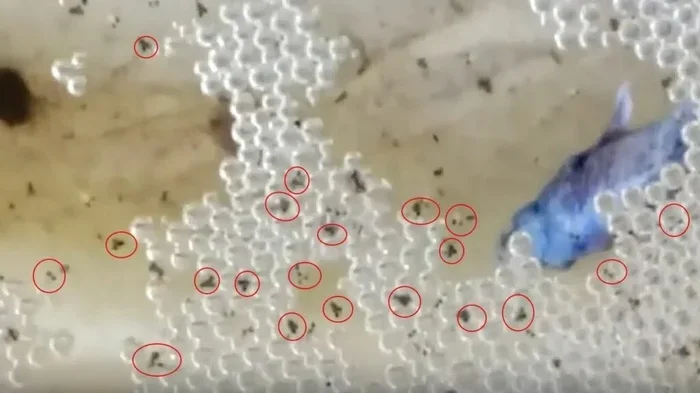
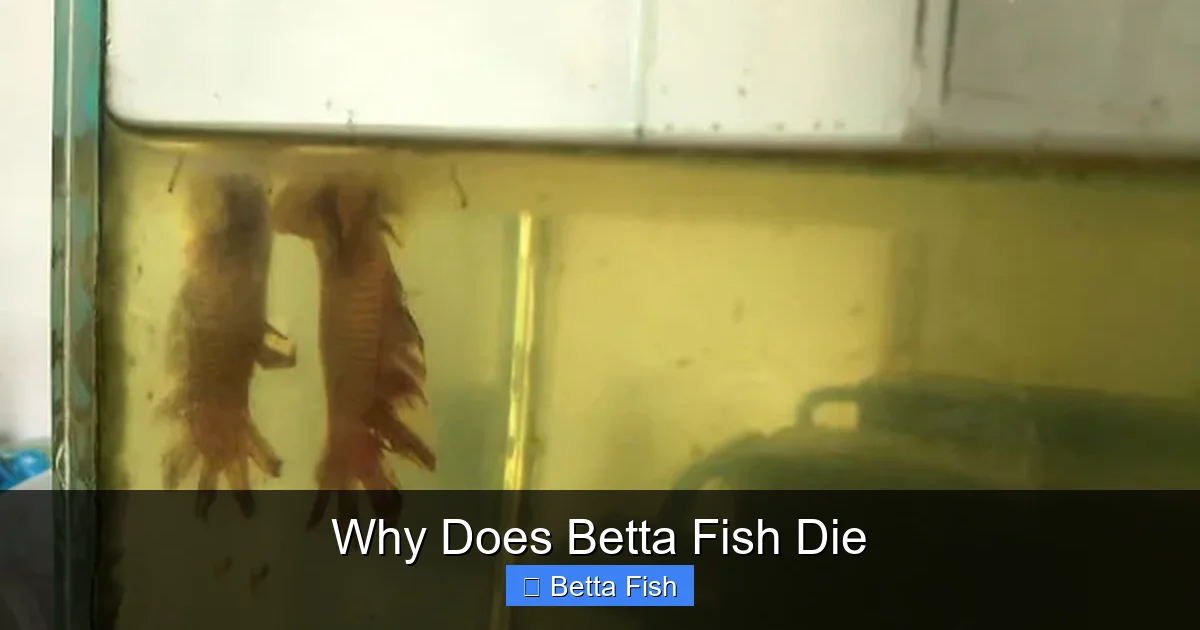
Betta fish breathe through a specialized organ called the labyrinth, which allows them to gulp air from the surface. However, they still need clean, well‑oxygenated water to process waste and keep their skin healthy. Poor water quality is the #1 reason many owners ask, “why does betta fish die?”
Visual guide about Why Does Betta Fish Die
Image source: bettafishnest.com
Key parameters to monitor
- Temperature: Keep it steady between 76‑82°F (24‑28°C). Sudden drops stress the immune system.
- pH: Aim for 6.5‑7.5. Extreme acidity or alkalinity can damage gills.
- Ammonia & Nitrite: Both should be 0 ppm. Even low levels are toxic to bettas.
- Nitrate: Below 20 ppm is safe; higher levels cause chronic stress.
Simple water‑care routine
1. Test weekly: Use a liquid test kit for ammonia, nitrite, nitrate, and pH.
2. Partial water changes: Replace 25‑30 % of the water every 2‑3 days during the first week of a new tank, then weekly thereafter.
3. Condition the water: Always add a water conditioner to remove chlorine and chloramines.
4. Use a gentle filter: A low‑flow sponge filter keeps the water moving without shocking the betta.
Following a routine like this dramatically lowers the chance that water problems are why does betta fish die in your tank.
2. Feeding Mistakes – Too Much, Too Little, Wrong Food
How diet impacts health
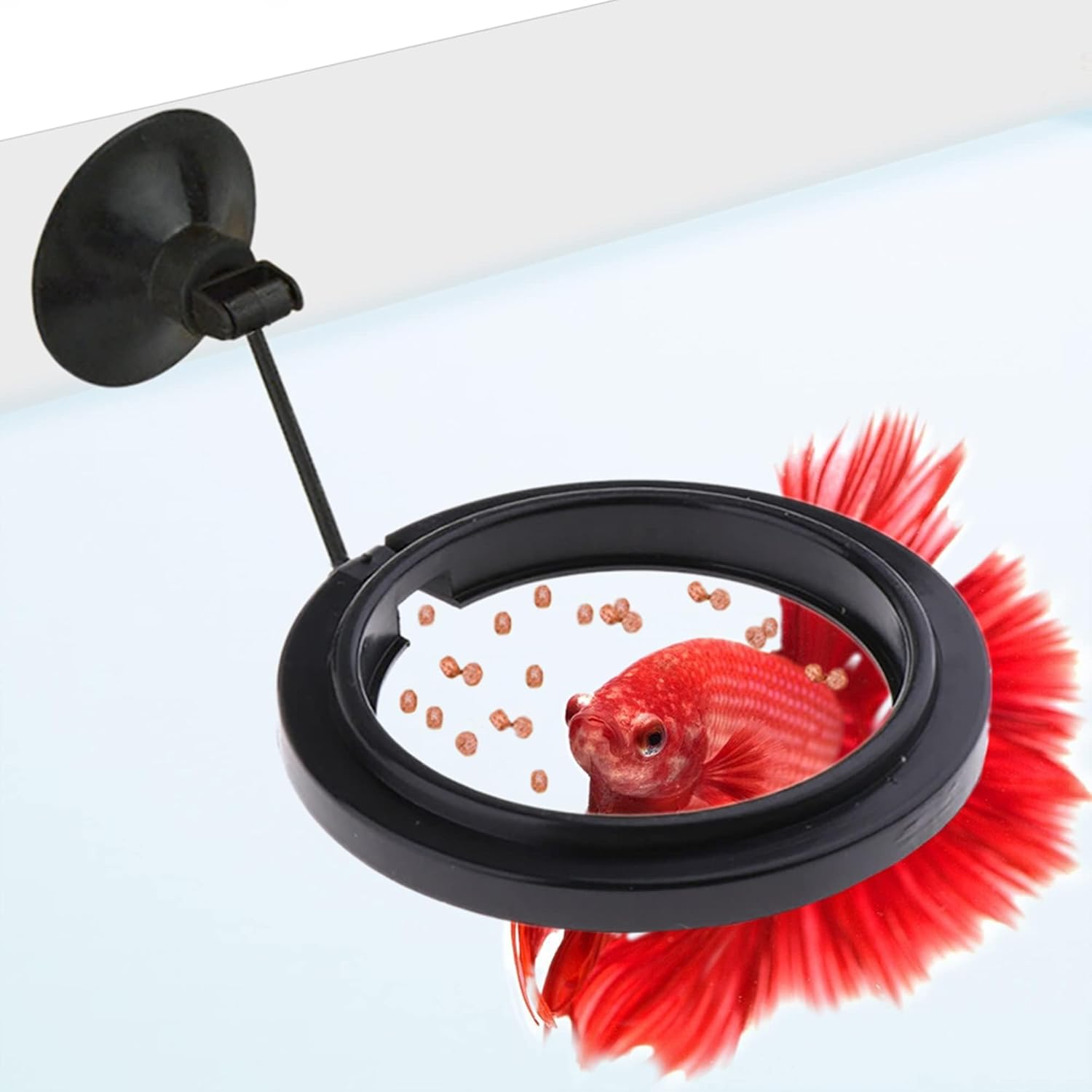
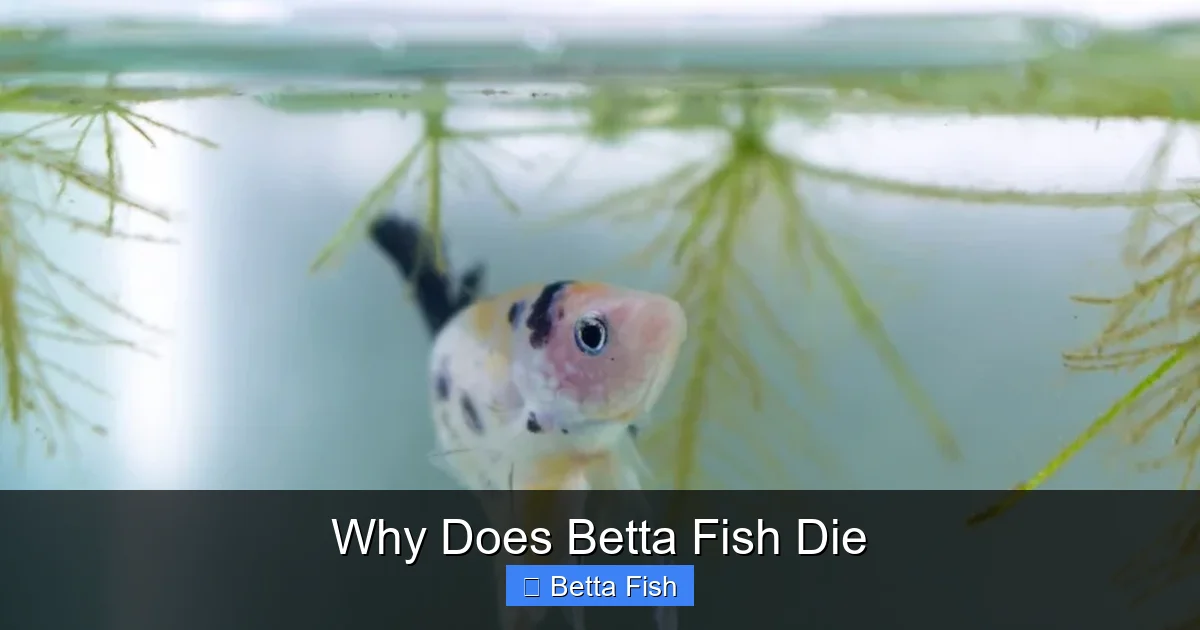
Betta fish are carnivores. In the wild they eat insects and larvae, which are high in protein. In captivity, many owners over‑feed flake food or give low‑quality pellets, leading to constipation, bloating, and bacterial overgrowth.
Visual guide about Why Does Betta Fish Die
Image source: aquariumpub.com
What to feed
- High‑quality betta pellets: Look for products with real fish meal as the first ingredient.
- Frozen or live foods: Bloodworms, daphnia, and brine shrimp are excellent treats, given 1‑2 times per week.
- Avoid over‑feeding: Two small meals per day, no more than the size of the fish’s eye.
Signs of feeding problems
Watch for bloated bellies, white feces, or a betta that refuses to eat. These are red flags that your feeding routine may be why does betta fish die. Reduce portions, switch to a higher‑quality pellet, and increase water changes to clear out excess waste.
3. Disease and Parasites – Hidden Threats
Common illnesses
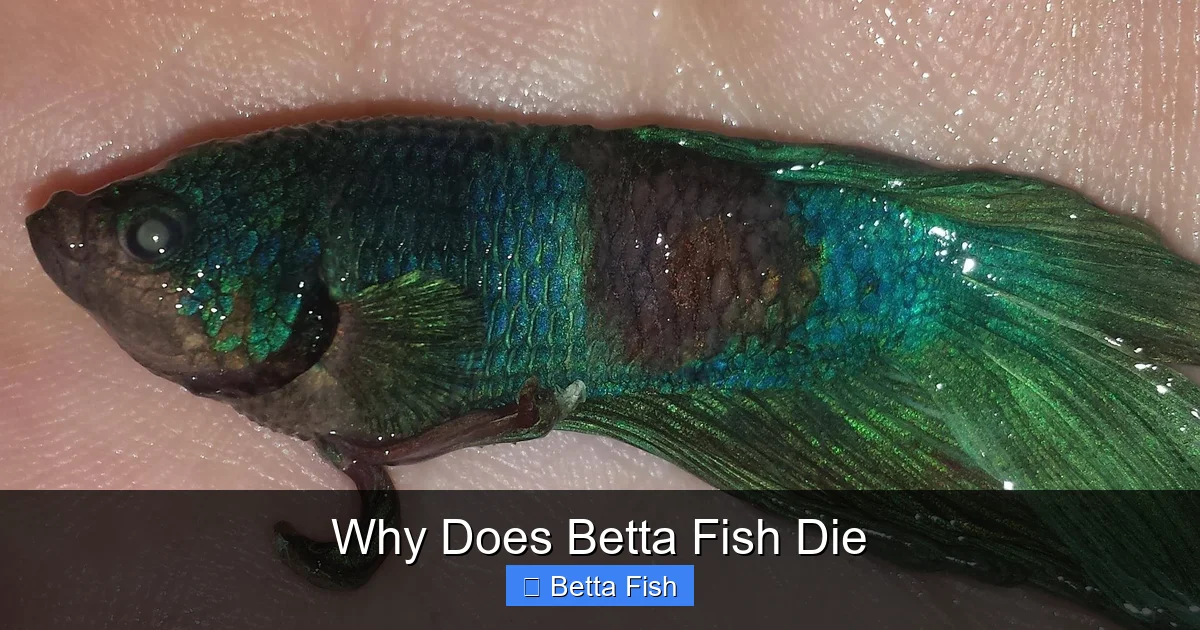
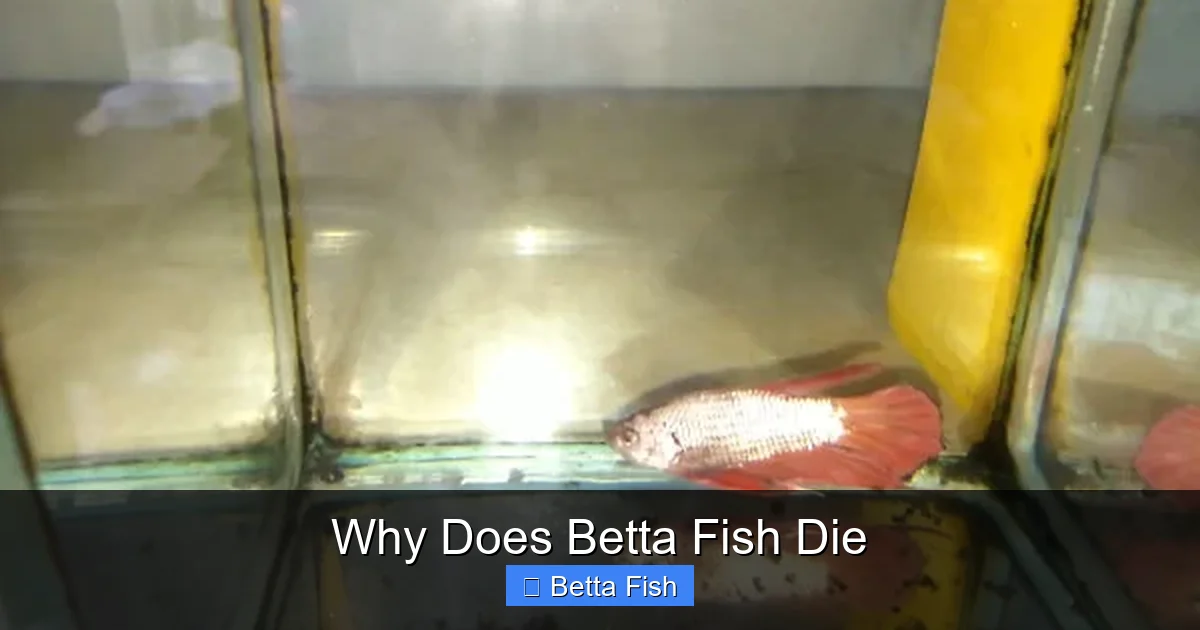
Fin rot, velvet disease, and ich are the most frequent killers of bettas. They often start with subtle signs that are easy to miss.
Visual guide about Why Does Betta Fish Die
Image source: bettafishnest.com
- Fin rot: Frayed, white edges on fins; may look shredded.
- Velvet (Oodinium):> Gold‑dusty coating, especially on the dorsal and tail.
- Ich (White Spot): Tiny white dots, like rice grains, on the body.
Prevention tips
Quarantine new fish for at least two weeks before adding them to your community tank. Keep the water clean, maintain stable temperature, and avoid over‑crowding. If you notice any of the symptoms above, treat promptly with appropriate medication—most pet stores carry betta‑safe treatments.
When to seek help
If symptoms worsen after 48 hours of treatment, or if the betta stops moving, loses color, or floats to the surface, it may be time to consult a veterinarian who specializes in fish.
4. Stress Factors – The Quiet Killers
Tank mates and aggression
Betta fish are territorial. While some can coexist with peaceful species, many owners wonder why does betta fish die after introducing a new roommate. Aggression leads to injuries, stress, and a weakened immune system.
Environmental stressors
- Sudden temperature changes: Moving a tank from a cold room to a warm one can be fatal.
- Improper lighting: Too much bright light stresses the fish; aim for 8‑10 hours a day.
- Sharp décor: Rough ornaments can tear delicate fins, opening the door for infection.
Reducing stress
Provide plenty of hiding spots with smooth plants or decorations. Keep the tank in a quiet area away from loud appliances. Use a heater with an accurate thermostat to avoid temperature swings.
5. Tank Size and Setup – More Space, More Life
Why a 5‑gallon minimum matters
Many beginners keep bettas in tiny bowls, believing they’re “natural” habitats. In reality, a cramped space quickly leads to poor water quality and stress, answering the question, “why does betta fish die” in a bowl.
Essential equipment
- Heater: Maintains stable temperature.
- Filter: Gentle flow keeps ammonia low.
- Cover: Prevents jumping (yes, bettas can jump!).
- Live or silk plants: Offer resting places and help absorb nitrates.
Setting up the perfect home
Start with a clean, rinsed tank, add conditioned water, and let the heater reach the target temperature before introducing your betta. Cycle the tank for at least two weeks or use a pre‑cycled water source. This foundation eliminates many of the reasons why does betta fish die in new setups.
6. Recognizing Early Warning Signs
Behavioral cues
A healthy betta is active, flares its fins, and explores the water column. Lethargy, floating near the surface, or hiding at the bottom are warning signs.
Physical changes
- Loss of color: Fading or turning pale often signals stress or disease.
- Bloated abdomen: May indicate constipation, swim bladder issues, or internal infection.
- Fins looking shredded: Could be fin rot or a sign of a fight.
Quick action checklist
- Test water parameters immediately.
- Observe feeding behavior—offer a small amount of high‑quality food.
- Check for visible signs of disease.
- Perform a 25 % water change.
- If no improvement in 24 hours, consider medication or veterinary advice.
Conclusion: Turning Knowledge into a Longer Life
Knowing why does betta fish die is the first step toward preventing it. By keeping water pristine, feeding correctly, spotting disease early, minimizing stress, and providing adequate space, you give your betta the best chance to thrive. Remember, a happy betta is a healthy betta—pay attention to the little details, and you’ll enjoy its brilliant colors for many months, if not years.
For more specific scenarios, check out our article on why did my betta fish die so fast and learn how rapid changes can impact your fish. If you’re dealing with a sudden loss, the guide on why did my betta fish die all of a sudden offers a quick diagnostic flowchart. Finally, discover how to keep your tank stable in how much water does a betta fish need.
Frequently Asked Questions
Why does my betta fish die after a water change?
Rapid temperature shifts or chlorine exposure can shock a betta. Always use a conditioner and match the new water temperature to the tank.
Can over‑feeding cause my betta to die?
Yes. Over‑feeding leads to waste buildup, high ammonia, and digestive problems that can be fatal.
What is the most common disease that kills bettas?
Fin rot is the most common, often caused by poor water quality and injuries to the fins.
Why does my betta look bloated and not eat?
Bloating can be a sign of constipation, swim bladder disease, or infection. Stop feeding for a day, do a water change, and consider a mild fasting protocol.
Is a 2‑gallon bowl enough for a betta?
No. Small bowls quickly become dirty and lack stable temperature, making them a frequent cause of death.
How often should I change my betta’s water?
Change 25‑30 % of the water every week, or more often if you notice cloudiness or high nitrate levels.