How to Keep Betta Fish Alive Longer

Want your betta to thrive for years? Follow easy steps on water quality, diet, and stress‑free living to learn how to keep betta fish alive longer. Simple changes make a big difference!
Key Takeaways
- Water quality matters: Regular water changes and proper filtration are the foundation of a long‑lived betta.
- Right tank size and setup: A 5‑gal minimum and plenty of hiding spots reduce stress.
- Balanced diet: High‑protein foods plus occasional treats keep your betta healthy.
- Monitor health daily: Spotting early signs of disease can save your fish.
- Consistent routine: Stable temperature, lighting, and feeding schedules extend lifespan.
- Enrich the environment: Plants, décor, and gentle interaction keep your betta happy.
- Stay informed: Use reliable resources like our guide on how to keep a betta fish alive for ongoing care tips.
📑 Table of Contents
Introduction
Betta fish are colorful, feisty companions that can live surprisingly long when cared for correctly. Many owners wonder why their betta seems to age quickly or falls ill after a few months. The answer often lies in simple, everyday choices—water quality, diet, tank size, and stress management. In this guide we’ll walk you through everything you need to know to learn how to keep betta fish alive longer, from setting up the perfect home to spotting early signs of trouble.
Think of it as a friendly chat over a cup of tea. We’ll keep the language easy, the sentences short, and the tips practical. By the end, you’ll have a checklist you can follow each week, ensuring your finned friend enjoys a vibrant, healthy life for years to come.
1. Perfect Tank Setup
Choose the Right Size
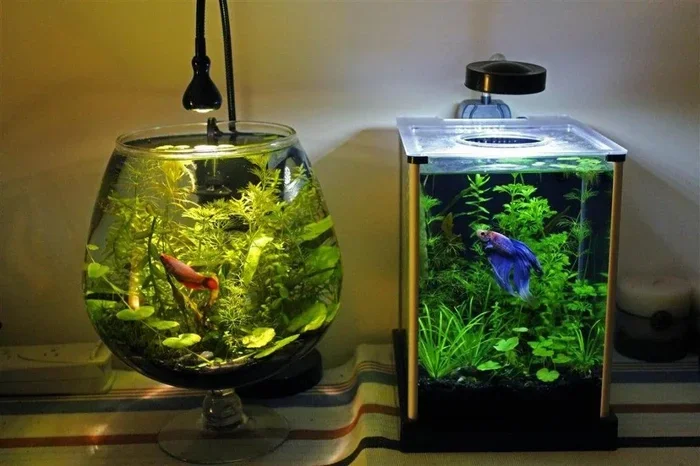
The myth that bettas can live happily in tiny bowls is outdated. A minimum of 5 gallons (about 19 liters) gives enough room for swimming and helps maintain stable water parameters. Larger tanks dilute waste faster, which means fewer harmful spikes.

Visual guide about How to Keep Betta Fish Alive Longer
Image source: companieslogo.com
Filtration and Aeration
Even though bettas can breathe surface air with their labyrinth organ, a gentle filter still matters. It removes ammonia, nitrite, and nitrate, keeping the water clear and safe. Choose a low‑flow sponge filter; strong currents stress bettas.
Substrate, Plants, and Hiding Spots
Soft sand or fine gravel mimics a natural floor. Live plants such as Java fern or Anubias improve water quality and give your fish places to rest. If live plants aren’t possible, silk plants work well—avoid plastic leaves that can tear delicate fins.
Temperature and Lighting
Betas thrive at 76‑82°F (24‑28°C). Use a reliable heater and a thermometer to keep the temperature steady. A 10‑hour light cycle mimics day‑night rhythms; a simple timer makes it effortless.
Setting Up the Tank
For a step‑by‑step walkthrough, see our article on how to set up a tank for a betta fish. Proper cycling, adding décor, and letting the water settle before introducing your fish are crucial first steps.
2. Mastering Water Maintenance
Why Water Changes Are Critical
Even with a filter, waste builds up. Performing a 25‑30% water change weekly removes toxins and refreshes trace minerals. Use a water conditioner to neutralize chlorine and chloramines.

Visual guide about How to Keep Betta Fish Alive Longer
Image source: tblg.k-img.com
Testing the Water
Invest in a basic test kit. Check ammonia (0 ppm), nitrite (0 ppm), and nitrate (<20 ppm). pH should stay between 6.5‑7.5. Recording results each week helps you catch trends before they become problems.
Cleaning the Tank
When you change water, gently scrub the glass and clean the substrate with a siphon. Avoid harsh chemicals; stick to aquarium‑safe cleaners. For a deeper clean, read how to clean betta fish tank.
3. Feeding for Longevity
Choose High‑Quality Food
Betta pellets formulated for their carnivorous nature are the staple. Look for options with 40‑50% protein and no fillers. Supplement with frozen or live foods—brine shrimp, daphnia, or bloodworms—once or twice a week.

Visual guide about How to Keep Betta Fish Alive Longer
Image source: images.click.in
Portion Control
Overfeeding leads to poor water quality and obesity. Offer an amount they can eat in 2‑3 minutes, usually 2‑3 pellets per feeding. Feed twice daily for adults; juveniles may need three small meals.
Special Dietary Needs
If your betta shows signs of constipation or bloating, try a fasting day followed by a small amount of pea puree. For more details, see how to fix constipation in betta fish.
4. Spotting and Preventing Disease
Common Health Issues
Fin rot, ich, and dropsy are frequent in poorly maintained tanks. Early signs include frayed fins, white spots, or a swollen abdomen. Quick action—water change, treatment, and isolation—can save your fish.
When to Treat
If you notice any of these symptoms, consult a treatment guide. For dropsy, read how to treat dropsy in betta fish. For fin rot, see our guide on how to cure fin rot in betta fish.
Preventive Measures
- Maintain clean water and stable parameters.
- Quarantine new fish for at least two weeks.
- Feed a balanced diet to support the immune system.
- Provide plenty of hiding spots to reduce stress.
5. Reducing Stress for a Happy Life
Minimize Aggressive Neighbors
Betas are territorial. If you keep a community tank, choose peaceful tank mates like small rasboras or snails, and always provide visual barriers.
Gentle Handling
Use a soft net and avoid sudden movements. When you need to move the fish, practice the “cup method”—place a clean cup over the betta, then gently slide it into a transport container.
Enrichment and Interaction
Betas love exploring. Rotate décor periodically, add floating toys, and talk to your fish. A stimulated betta shows brighter colors and better appetite, both signs of a longer life.
6. Routine Checks and Long‑Term Planning
Weekly Health Scan
Look at the fins, eyes, and body shape. Bright coloration, smooth fins, and active swimming indicate good health. If you’re unsure, compare to pictures in how to tell if your betta fish is happy.
Annual Tank Review
Once a year, evaluate the tank’s equipment. Replace old heaters, check filter media, and consider upgrading to a larger tank if the betta has grown.
Keeping Records
Maintain a simple log: water change dates, temperature readings, feeding amounts, and any health observations. This record helps you see patterns and act quickly.
Conclusion
Learning how to keep betta fish alive longer isn’t about expensive gadgets—it’s about consistency, clean water, proper nutrition, and a stress‑free environment. By following the steps above, you give your betta the best chance to flourish for three, five, or even more years. Remember, a happy betta is a healthy betta, and a little daily attention goes a long way.
Frequently Asked Questions
How often should I change the water in my betta’s tank?
Replace about 25‑30% of the water weekly. This routine removes waste, keeps parameters stable, and prevents disease.
Can I keep a betta in a bowl?
While bettas can survive in small containers, they won’t thrive. A minimum 5‑gallon tank with filtration greatly extends their lifespan.
What are the signs that my betta is getting sick?
Look for faded colors, clamped fins, loss of appetite, white spots, or a bloated abdomen. Early detection leads to faster treatment.
Is it okay to feed my betta live food every day?
Live foods are nutritious but can introduce parasites. Offer them a few times a week as a supplement to high‑quality pellets.
How can I tell if my betta is stressed?
Stress shows as hiding all the time, erratic swimming, or dull coloration. Reduce stress by providing hiding spots, stable temperature, and a calm environment.
Do bettas need a heater?
Yes. Betta fish are tropical and need water kept between 76‑82°F (24‑28°C). A reliable heater with a thermostat is essential for their health.