Is It Ok to Leave Betta Fish in the Dark
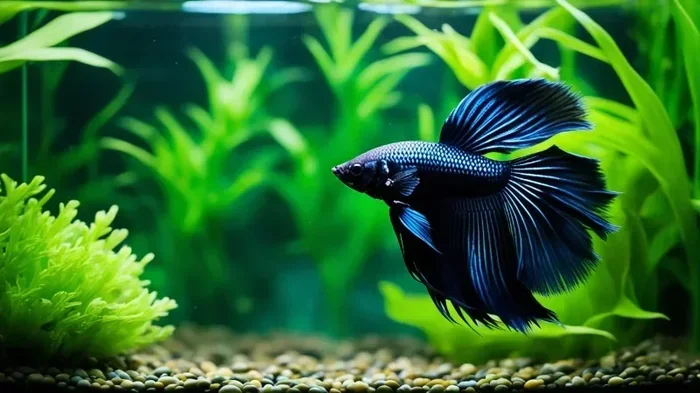
It is not okay to leave betta fish in the dark for extended periods, as they need a consistent light-dark cycle to stay healthy and active. Betta fish thrive when they receive 8-12 hours of light daily, which helps regulate their sleep patterns, supports their immune system, and keeps their vibrant colors bright. Leaving them in complete darkness can cause stress, loss of appetite, and long-term health problems.
Key Takeaways
- Never leave betta fish in total darkness for extended periods.
- Provide 8-12 hours of light daily to support their health.
- Extended darkness causes stress and weakens their immune system.
- Use a light timer to maintain a consistent day-night cycle.
- Darkness helps them rest, but bettas still need daytime light.
- Prolonged darkness leads to color loss and appetite problems.
- A balanced light routine is essential for betta fish well-being.
📑 Table of Contents
What Happens When You Leave Betta Fish in the Dark
Many betta fish owners wonder whether it is ok to leave betta fish in the dark for extended periods. Maybe you work long hours, or perhaps you forgot to set up a proper lighting schedule. Whatever the reason, understanding how darkness affects your betta is crucial for their overall well-being.
The truth is, betta fish can handle short periods of darkness just fine. In fact, they need darkness to rest and maintain healthy sleep cycles. However, leaving them in complete darkness for days on end is a completely different story. It can lead to stress, confusion, and even health problems over time.
If you have ever asked yourself, “Can I leave my betta fish in the dark?” — you are not alone. This is one of the most common concerns among new betta owners. Let us break down exactly what happens when your fish spends too much time without light, and how you can avoid potential problems.
Short Periods of Darkness Are Normal
Betta fish naturally experience day and night cycles in the wild. During the night, they become less active and rest near plants or decorations. A few hours of darkness each day is not just safe — it is essential. Think of it like your own sleep schedule. Without it, you would feel exhausted and run down.
When your betta enters a dark environment temporarily, they will typically find a comfortable spot and slow down their movements. This is completely normal betta fish behavior. They may tuck themselves behind plants or rest on the substrate. Do not mistake this for illness — it is simply how they rest.
Extended Darkness Can Cause Problems
Now, here is where things get tricky. If you leave your betta in the dark for 24 hours or more, you may start to notice some concerning signs. Your fish might become stressed, stop eating, or behave erratically when light returns. Prolonged darkness disrupts their natural circadian rhythm, which governs their sleep-wake patterns.
Some common issues from extended darkness include:
- Loss of appetite and refusal to eat
- Increased hiding behavior and fearfulness
- Lethargy and unusual swimming patterns
- Weakened immune system over time
- Difficulty finding food when light returns
So, is it ok to leave betta fish in the dark overnight? Yes, for a normal nighttime period. But leaving them in total darkness indefinitely? That is a big no. For more details on this topic, check out our guide on Can You Leave Betta Fish In The Dark.
Can Betta Fish See in the Dark?
This is a question that comes up a lot among betta owners. The short answer is: betta fish have limited vision in dark conditions. They are not nocturnal creatures, and their ability to navigate a betta fish tank in the dark is quite restricted. Understanding their vision helps you make better decisions about lighting.
Betta fish have decent vision during the day. They can see colors, recognize their owners, and even spot food across the tank. However, when the lights go out, their sight becomes much more limited. They rely on other senses — like their lateral line system — to detect movement and objects nearby. This is similar to how humans navigate a pitch-black room.
How Betta Fish Adapt to Low Light
While betta fish cannot see well in the dark, they are surprisingly adaptable. Their darkness tolerance varies from fish to fish. Some bettas seem comfortable navigating their tank at night, while others appear confused and stressed. A lot depends on their environment and how familiar they are with their setup.
Here is something interesting: betta fish can still detect light even in dim conditions. They use ambient light sources like moonlight or reflections to orient themselves. This is why it is important not to place your tank in a completely lightless area. A tiny amount of ambient light can help your fish feel more secure.
For a deeper dive into this topic, read our article on Could Betta Fish See In The Dark to understand the science behind their vision.
What About Finding Food in the Dark?
If you feed your betta at night, they may struggle to locate the food. Can betta fish see their food in the dark? Not very well. They might find some food items by scent or by chance, but they will not be able to actively hunt and eat efficiently. This is another reason why maintaining a proper day and night cycle matters so much.
Feeding your betta during daylight hours or shortly before turning off the lights is the best approach. This gives them enough time to eat before their vision naturally declines for the night.
How Darkness Affects Betta Fish Behavior and Health
The relationship between light and betta fish health is more significant than many people realize. Darkness plays a major role in how your fish behaves, rests, and maintains its overall wellness. Let us explore the key areas where darkness has the biggest impact.
Sleep Cycles and Rest Patterns
Betta fish do not have eyelids, so they cannot close their eyes to sleep. Instead, they become still and reduce their activity levels during dark periods. This rest is critical for their physical recovery and mental health. Without proper dark periods, your betta may become sleep-deprived.
A healthy sleep cycle for a betta fish looks like this:
- Active swimming and feeding during daylight hours
- Slowing down and resting as the lights dim
- Complete stillness during the darkest part of the night
- Gradual reactivation when light returns
If you notice your betta is active at night and resting during the day, their light schedule may be reversed. This can happen if the tank is near a window or if artificial light is on at night. Adjusting the aquarium lighting schedule can fix this quickly.
Stress Responses to Prolonged Darkness
When betta fish are exposed to extended darkness, their bodies can trigger a stress response. This is similar to how humans feel anxious in unfamiliar or uncomfortable environments. The stress hormone cortisol can rise, weakening their immune system and making them more vulnerable to disease.
Some signs of stress from darkness include:
- Rapid gill movement and heavy breathing
- Clamped fins held close to the body
- Darting around the tank erratically
- Refusing food or spitting it out
- Changes in color, becoming paler or darker
If you are worried about your fish getting scared, our article on Do Betta Fish Get Scared Of The Dark provides helpful insights and solutions.
Impact on Betta Fish Care and Long-Term Health
Over time, poor lighting habits can affect every aspect of betta fish care. Their color vibrancy may fade, their activity levels drop, and their overall quality of life decreases. Maintaining proper lighting is just as important as managing water temperature and tank cleanliness.
Here is a comparison table showing the differences between proper and improper lighting schedules:
| Factor | Proper Lighting Schedule | Improper Lighting Schedule |
|---|---|---|
| Daily Light Hours | 8-12 hours | More than 14 or less than 6 hours |
| Dark Period | 12-16 hours of darkness | Less than 10 hours of darkness |
| Behavior | Active during day, rests at night | Erratic, restless, or lethargic |
| Appetite | Normal eating habits | Loss of appetite or overeating |
| Color | Vibrant and rich | Faded or dull |
| Stress Level | Low and relaxed | High and anxious |
As you can see, getting the balance right makes a huge difference. A consistent schedule keeps your betta happy, healthy, and stress-free.
Setting Up the Right Lighting for Your Betta Tank
Now that you understand why darkness and light are both important, let us talk about how to set up the best betta fish lighting in your tank. This is one of the most impactful things you can do for your fish’s quality of life.
Choosing the Right Light Source
Not all aquarium lights are created equal. For betta fish, you want a light that provides moderate brightness without generating too much heat. LED lighting is the most popular choice because it is energy-efficient, produces minimal heat, and comes in various color options.
Here are some tips for selecting the right light:
- Choose a light designed specifically for aquariums. Avoid using regular household bulbs.
- Make sure the light fits your tank size. An oversized light can create too much brightness.
- Look for lights with adjustable settings so you can control intensity and duration.
- Consider lights that mimic natural daylight spectrum for the best results.
Adding Aquarium Plants for Natural Cover
Live or silk aquarium plants serve a dual purpose. They help create a natural day and night cycle by providing shade, and they give your betta places to hide and rest. Plants like java fern, anubias, and Amazon sword are excellent choices for betta tanks.
These plants also help maintain water quality by absorbing excess nutrients. Your betta will appreciate the extra cover, especially during their rest periods. A well-planted tank feels more like their natural betta fish habitat, which promotes comfort and reduces stress.
Quick Tips for Lighting Setup
- Set a timer for your lights to turn on and off automatically
- Aim for 8-10 hours of light per day
- Place the tank away from windows to avoid uncontrolled natural light
- Dim the lights gradually before turning them off completely
- Consider a small night light if you want to observe your betta after dark
Common Mistakes When Managing Light and Dark Cycles
Even experienced betta owners sometimes make mistakes with their lighting schedule. These errors are usually easy to fix once you identify them. Let us look at the most common problems and how to solve them.
Leaving Lights On 24/7
This is probably the most common mistake. Some owners worry that their fish will be uncomfortable in the dark, so they keep the lights on all the time. This actually causes more harm than good. Continuous light disrupts their betta fish behavior and prevents them from getting the rest they need.
Over time, 24/7 lighting can lead to obesity (because your fish never stops eating), faded colors, and chronic stress. Your betta needs those dark hours just as much as they need food and clean water.
Sudden Light Changes
Another common issue is making abrupt changes to the lighting schedule. If your betta is used to lights turning on at 7 AM and off at 9 PM, suddenly switching to a different schedule can confuse them. They may become disoriented and stressed by the change.
The key is to make any adjustments gradually. Shift the schedule by 30 minutes every few days until you reach the desired timing. This gives your fish time to adapt without experiencing unnecessary stress response.
Ignoring Ambient Light Sources
Sometimes the problem is not your tank light — it is the light coming from outside. A tank near a window may receive sunlight during the day and moonlight at night, creating an unpredictable cycle. Similarly, a TV or lamp in the same room can interfere with your betta’s rest period.
To prevent this, place your tank in a controlled area where you can manage all light sources. Blackout curtains can help if ambient light is an issue in your space.
Expert Tips for Keeping Your Betta Happy and Healthy
Now that you know the ins and outs of darkness and lighting, let us wrap up with some expert-level tips to keep your betta thriving.
Monitor Your Betta’s Behavior Regularly
The best way to know if your lighting setup is working is to watch your fish. Pay attention to their activity levels, eating habits, and overall appearance. A happy betta will be active during the day, curious about their surroundings, and eager to eat at feeding time.
If you notice any changes in betta fish comfort, consider whether the lighting schedule might be the cause. Sometimes small adjustments make a big difference.
Pair Proper Lighting with Good Tank Maintenance
Lighting is just one piece of the puzzle. Proper betta fish care also includes regular water changes, appropriate water temperature (between 76-82°F), and a clean, well-filtered tank. When all these factors work together, your betta is much more likely to thrive.
Regular maintenance also means checking your light fixtures for algae buildup. Dirty lights can reduce brightness and affect the quality of light reaching your fish. Clean your fixtures monthly to keep everything running smoothly.
Key Takeaways
- Is it ok to leave betta fish in the dark for normal nighttime hours? Absolutely yes.
- Betta fish need 8-12 hours of light and 12-16 hours of darkness daily.
- Extended darkness causes stress, appetite loss, and behavioral issues.
- Betta fish have limited vision in the dark and rely on other senses.
- Consistent lighting schedules promote healthy sleep cycles and vibrant colors.
- Always use a timer and avoid sudden changes to the light schedule.
Managing darkness and light for your betta fish does not have to be complicated. With a simple timer, a good LED light, and a few well-placed plants, you can create the perfect environment. Remember, your betta’s comfort depends on the little things — and a proper balance of light and dark is one of the most important ones. Now that you understand the answer to the question, “Is it ok to leave betta fish in the dark,” you can confidently provide the best care for your finned friend.
Frequently Asked Questions
Is It Ok to Leave Betta Fish in the Dark?
Yes, it is generally okay to leave betta fish in the dark for short periods, especially at night. Betta fish need a regular day and night cycle to stay healthy, just like humans. A consistent dark period helps them rest and maintain their natural biological rhythm. However, keeping them in complete darkness for extended periods can cause stress and health issues.
Can Betta Fish See in the Dark?
Betta fish have limited vision in the dark, but they are not completely blind during nighttime. They rely on their other senses, like their lateral line system, to navigate their surroundings. This is why sudden changes in light can startle them, even when the tank is dim.
Do Betta Fish Need Light at Night?
No, betta fish do not need any aquarium light at night. In fact, darkness is essential for their sleep cycle and overall well-being. Leaving the light on 24/7 can disrupt their rest and lead to long-term health problems.
What Happens If You Leave Your Betta Fish in the Dark Too Long?
Prolonged darkness can weaken a betta’s immune system and cause stress or loss of color. Without a proper light-dark cycle, their internal clock gets confused, which affects feeding and activity levels. It is best to provide 8 to 12 hours of light followed by equal hours of darkness each day.
Is It Ok to Leave Betta Fish in the Dark While You Are at Work?
It is perfectly fine to leave betta fish in the dark while you are at work for several hours. Most aquarium lights come on in the morning and turn off at night, mimicking natural conditions. Just make sure the tank receives enough light during your waking hours to keep your betta healthy and active.
Can Betta Fish Sleep in the Dark?
Yes, betta fish sleep best in a dark and quiet environment. They often rest at the bottom of the tank or near plants when the lights are off. Providing consistent darkness at night is one of the simplest and most important parts of betta fish care.