How to Cure Bloated Betta Fish
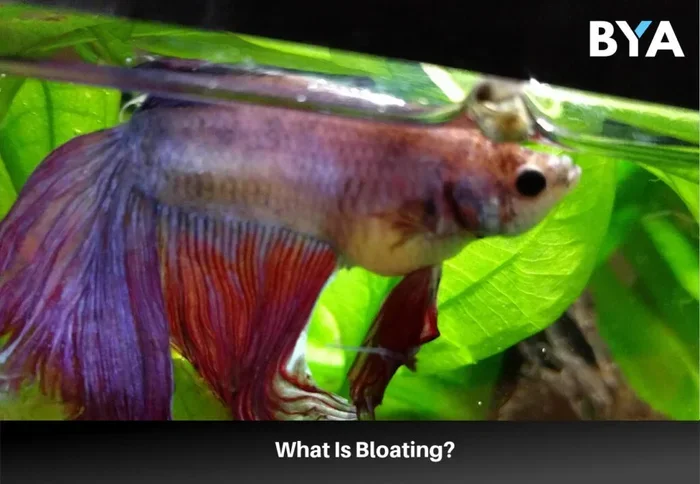
Bloating in betta fish is a common but serious condition that can be cured with the right approach. This guide covers everything you need to know about how to cure bloated betta fish, including fasting, diet changes, Epsom salt baths, and water quality improvements. With consistent care and these proven methods, your betta can recover fully and return to a healthy, active life.
Key Takeaways
- Fast your betta fish for 2-3 days: This is the first and most effective step to relieve bloating caused by overfeeding or constipation.
- Use Epsom salt baths: A controlled Epsom salt treatment helps reduce swelling and relieve gas buildup in your betta.
- Improve water quality: Poor water conditions are a leading cause of bloating and overall fish illness.
- Feed a proper diet: High-quality pellets and thawed frozen foods prevent digestive issues that lead to bloating.
- Know when to see a vet: Severe or persistent bloating may indicate dropsy or a serious internal condition requiring professional care.
- Prevention is key: Regular tank maintenance and a consistent feeding schedule keep bloating from returning.
📑 Table of Contents
How to Cure Bloated Betta Fish: A Complete Guide
Watching your betta fish swell up with a round, tight belly can be scary. You might feel helpless, wondering if your fish will survive. The good news is that how to cure bloated betta fish is simpler than most people think. With the right steps, you can help your fish feel better within days.
Bloating happens when excess gas, fluid, or undigested food builds up inside your betta’s body. It is not a disease on its own. Instead, it is a symptom of something deeper going wrong. This guide walks you through every proven method to treat and cure a bloated betta fish at home.
Whether your fish is mildly puffy or severely swollen, you will find practical steps that actually work. Let us dive in and save your betta.
Why Do Betta Fish Get Bloated?
Understanding the cause is the first step to finding a cure. Bloating does not just happen randomly. There is always a reason behind it. Here are the most common causes:
Overfeeding
This is the number one cause of bloating in betta fish. Bettas have small stomachs. When you feed them too much or too often, their digestive system gets overwhelmed. The food sits in their gut and starts to rot, causing gas and swelling.
Constipation
Constipation and bloating go hand in hand. If your betta has not pooped in a while, waste builds up inside. This creates a swollen belly that looks very similar to bloat. How to cure betta fish constipation often overlaps directly with how you treat bloating.
Poor Water Quality
Dirty water stresses your fish and weakens its immune system. Ammonia and nitrite spikes in the tank can cause swelling and fluid retention. If your tank has not been tested or cleaned recently, this could be the culprit.
Swim Bladder Disease
The swim bladder controls your betta’s buoyancy. When it becomes infected or damaged, it can cause the belly to appear bloated. Swim bladder issues often come from overfeeding or sudden temperature changes.
Internal Infections or Parasites
In some cases, bloating signals a deeper problem like a bacterial infection or internal parasites. These require stronger treatment than simple diet changes.
How to Cure Bloated Betta Fish: Step-by-Step Treatment
Now that you know the causes, let us get into the cure. Follow these steps in order for the best results.
Step 1: Fast Your Betta Fish
The very first thing you should do is stop feeding your betta. A fast of 2 to 3 days gives the digestive system time to clear out. During this time, your fish will not starve. Bettas can easily go several days without food.
Fasting helps in two ways. First, it stops adding more material to the gut. Second, it gives the body time to naturally pass any trapped gas or waste. Many fish owners see improvement after just one day of fasting.
Step 2: Try an Epsom Salt Bath
Epsom salt is a gentle laxative that helps expel gas and waste from your betta’s body. Here is how to do it:
- Take a small container and fill it with tank water.
- Add one teaspoon of Epsom salt per gallon of water.
- Stir until the salt dissolves completely.
- Place your betta in the container for 15 to 30 minutes.
- Watch for signs of waste release or bloating reduction.
You can repeat this once a day for up to three days. Do not use Epsom salt in your main tank. It only works as a short-term treatment.
Step 3: Improve Water Conditions
Dirty water makes everything worse. While treating the bloating, make sure the tank water is clean and safe. Test the ammonia and nitrite levels. Both should read zero. Nitrate should be below 20 ppm.
Do a 25 percent water change using dechlorinated water. Make sure the new water is the same temperature as the tank. Sudden temperature drops can stress your fish and slow recovery.
Step 4: Feed a Proper Diet After Fasting
After the fast, do not go back to normal feeding right away. Start with small, easily digestible foods. A single pellet soaked in tank water works well. You can also offer thawed frozen bloodworms or daphnia.
Feed once a day, and only what your betta can eat in two minutes. Overfeeding is the fastest way to bring bloating back. A proper feeding schedule keeps the digestive system running smoothly.
Step 5: Monitor Your Fish Closely
Watch your betta every day during treatment. Look for these positive signs:
- The belly slowly returns to its normal shape.
- Your fish starts eating again.
- Fins are held upright and not clamped.
- Your betta swims normally and is active.
- Waste is passed regularly.
If you do not see improvement after three days, you may need to escalate treatment. Consider consulting a fish vet or trying broader treatments for fish diseases.
Common Mistakes That Make Bloating Worse
Many well-meaning fish owners accidentally make things worse. Here are the mistakes to avoid:
Feeding Too Soon
It is tempting to feed your fish right away because you feel bad for it. But feeding a bloated fish too soon adds more stress to its digestive system. Stick with the fast. Your betta will be just fine without food for a few days.
Using Table Salt Instead of Epsom Salt
Do not use regular aquarium salt or table salt for bloating. Epsom salt is a magnesium sulfate compound that specifically helps with gas and constipation. Aquarium salt (sodium chloride) serves a different purpose and will not help with bloating.
Ignoring Water Quality
Treating the fish without fixing the water is like putting a bandage on a deep wound. The root cause stays. Always address water parameters as part of your treatment plan.
Quarantining Too Late
If you have other fish in the tank, consider moving the bloated betta to a quarantine tank. This makes treatment easier and protects other fish from any potential infection.
When to Seek Professional Help
Most cases of bloating respond well to home treatment. But sometimes, bloating signals something much more serious. You should see a vet or experienced fish keeper if:
- The belly is hard and feels like it is filled with fluid.
- Your fish’s scales are sticking out like a pinecone. This is a sign of dropsy.
- The bloating gets worse despite treatment.
- Your betta stops moving and refuses to eat even after fasting.
- You notice other symptoms like white spots, red streaks, or fungus.
In these cases, the condition may be beyond simple bloating. Diseases like dropsy, internal infections, or organ failure need professional diagnosis. The sooner you act, the better the chances of recovery.
Preventing Bloating in the Future
Curing bloating is one thing. Keeping it from coming back is another. Here is how to protect your betta long term:
Stick to a Feeding Schedule
Feed your betta once or twice a day, no more than a few pellets each time. Skipping one day per week (a fasting day) helps the digestive system stay clean and healthy.
Keep the Tank Clean
Regular water changes and filter maintenance prevent harmful buildup. Test your water weekly with an aquarium test kit. Clean water means a healthy immune system.
Offer Variety in Diet
High-quality betta pellets should be the staple. But adding variety keeps things interesting for your fish and supports better digestion. Frozen or live foods like brine shrimp, bloodworms, and daphnia make excellent additions.
Watch for Early Warning Signs
Know what normal looks like for your betta. If you notice the belly getting rounder than usual or your fish acting less active, act fast. Early intervention makes treatment much easier.
For more information on related conditions, check out our guide on how to treat bloated betta fish and learn about the connection between betta fish constipation and bloating. You can also explore our broader guide on how to cure betta fish diseases for a deeper understanding of common fish illnesses.
Final Thoughts on Curing a Bloated Betta Fish
Dealing with a bloated betta fish is stressful, but it is not the end of the world. Most cases are caused by simple issues like overfeeding or constipation, and they respond well to basic treatment. The key is to act quickly and stay consistent with the steps outlined above.
Start with fasting, follow up with Epsom salt baths, and always keep the water clean. Feed a proper diet going forward and watch your fish closely during recovery. If the situation does not improve, do not hesitate to seek professional help.
Remember, how to cure bloated betta fish comes down to patience and attentive care. Your betta depends on you to notice the signs and take action. With the right approach, your fish can bounce back to full health and enjoy a happy, active life in its tank.
For general care tips and more ways to keep your betta healthy, visit our complete guide on how to cure betta fish and explore additional resources on betta health and wellness.
FAQs
Can I cure a bloated betta fish at home?
Yes, most cases of bloating can be treated at home with fasting, Epsom salt baths, and improved water quality. These simple steps work for overfeeding, constipation, and mild swim bladder issues. Only seek professional help if the condition worsens or does not improve after three days of treatment.
How long does it take for a bloated betta fish to recover?
Recovery time depends on the cause and severity. Mild cases often show improvement within 24 to 48 hours of fasting. More serious cases may take a week or longer. Consistent care and monitoring speed up the healing process significantly.
Is bloating the same as dropsy in betta fish?
No, bloating and dropsy are different conditions. Bloating is usually caused by digestive issues like overfeeding or constipation. Dropsy is a more serious condition where fluid builds up under the scales, causing them to stick out. Dropsy is harder to treat and often requires veterinary care.
What should I feed a betta fish after curing bloating?
After curing bloating, start with small, easily digestible foods. Soaked pellets, thawed frozen bloodworms, or daphnia are excellent choices. Feed small amounts once a day and avoid live foods from untrusted sources to prevent introducing parasites or bacteria.
Can poor water quality cause bloating in betta fish?
Absolutely. Poor water quality is one of the leading causes of bloating and general illness in betta fish. Ammonia and nitrite spikes stress the fish and weaken its immune system, making it vulnerable to digestive problems. Regular water changes and testing keep the tank environment safe.
Should I isolate a bloated betta fish from other tank mates?
Yes, isolating a bloated betta is a good idea if you have other fish in the tank. A quarantine tank makes treatment easier and prevents other fish from eating medication or food meant for the sick betta. It also reduces stress, which helps speed up recovery.