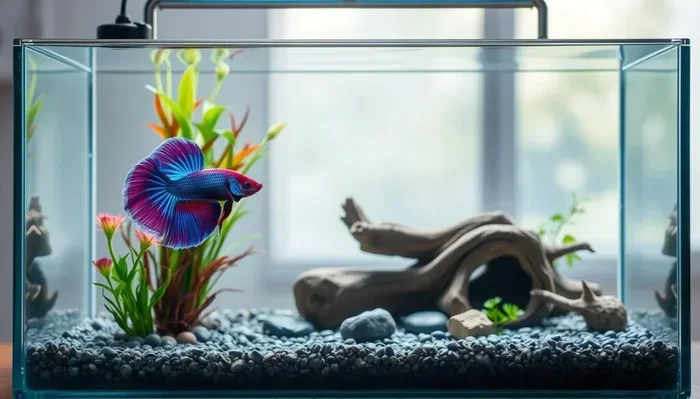
How Big Do Male Betta Fish Get

Male betta fish typically grow to about 2.5 to 3 inches in length, making them one of the most popular freshwater aquarium fish. Their size depends on factors like genetics, diet, tank conditions, and overall care. Understanding how big male betta fish get helps you provide the best environment for your pet.
If you own a betta fish or are thinking about getting one, you might wonder how big do male betta fish get. This is a great question, and the answer is more interesting than you might think. Male bettas are known for their flowing fins and bright colors, but their actual body size is something many new fish owners overlook. Knowing the full picture helps you give your fish a better life.
The average male betta fish grows to about 2.5 to 3 inches from nose to tail. That might not sound huge, but for a freshwater aquarium fish, that is a solid size. Several factors play a role in reaching that size, including genetics, diet, tank size, and overall care. Let us break all of this down so you have a clear picture of what to expect.
Key Takeaways
- Average Size: Male betta fish usually reach 2.5 to 3 inches long, with some reaching slightly larger sizes under ideal conditions.
- Growth Timeline: Bettas reach their full size within 6 to 12 months, with the fastest growth happening in the first few months of life.
- Tank Size Matters: A tank of at least 5 gallons supports healthy growth and reduces stress, which directly impacts size and lifespan.
- Diet Plays a Role: High-quality food with proper nutrients helps bettas reach their full potential size and maintain vibrant colors.
- Male vs Female: Male bettas are generally larger and more colorful than females, which is important to consider when planning your aquarium.
📑 Table of Contents
Understanding Male Betta Fish Size
When people ask how big do male betta fish get, they are usually thinking about body length. But there is more to consider than just inches on a ruler. A betta’s size includes its body, fins, and overall frame. Male bettas tend to be larger and more visually striking than females, which is one reason they are so popular in the hobby.
Average Body Length
Most male bettas reach a body length of around 2.5 to 3 inches. Some individual fish may stretch just a bit beyond that, especially if they have strong genetics and excellent care. The fins, however, can add several more inches to their overall appearance. A male betta with long, flowing fins can look twice as large as he actually is. This is part of what makes them so mesmerizing to watch.
Male vs Female Betta Size
Male bettas are generally bigger than females. A female betta typically reaches about 2 to 2.5 inches in length. Males also tend to have more vibrant colors and longer fins, which is why they are the preferred choice for most aquarium enthusiasts. If you are comparing how big do male betta fish get versus females, the male usually wins in both size and visual impact.
| Trait | Male Betta | Female Betta |
|---|---|---|
| Average Body Length | 2.5 to 3 inches | 2 to 2.5 inches |
| Fin Length | Long and flowing | Shorter and more compact |
| Color Vibrancy | Very vibrant | Moderate |
| Body Frame | Slightly larger | Slimmer and smaller |
Growth Timeline of Male Betta Fish
Understanding the growth stages of a male betta helps you set realistic expectations. Bettas do not grow slowly over many years like some larger fish species. They grow relatively fast, especially in the early months of life.
Birth to 3 Months
Baby bettas, also called fry, are incredibly tiny when they hatch. They start out less than a quarter of an inch long. During the first three months, they grow rapidly. By the end of this period, most males will be around 1 to 1.5 inches long. This is the most critical phase for nutrition and water quality.
3 to 6 Months
Between 3 and 6 months, your betta will start looking more like a full-grown fish. They gain body mass and their fins begin to develop more fully. By 6 months, most male bettas are around 2 inches long. This is also when their colors start to really pop.
6 to 12 Months
From 6 to 12 months, growth slows down but does not stop. Most male bettas reach their full size by about 12 months of age. Some may continue to fill out slightly beyond that, but the major growth is done. If you want to know how big do male betta fish get at maturity, 2.5 to 3 inches is the standard range.
Factors That Affect Betta Fish Size
Not all bettas grow to the same size. Several key factors influence how large your male betta will become. Understanding these can help you maximize your fish’s growth potential.
Genetics
Just like people, fish inherit traits from their parents. Some bettas are simply bred to be larger, while others may stay on the smaller side. If you purchase your betta from a reputable breeder, you are more likely to get a fish with strong growth genetics. How big do male betta fish get often comes down to their lineage.
Diet and Nutrition
What you feed your betta has a direct impact on its size and overall health. A high-quality diet rich in protein supports steady growth. Here are some feeding tips:
- Feed a variety of foods: Use a mix of pellets, frozen bloodworms, and brine shrimp.
- Do not overfeed: Feed small amounts 2 to 3 times a day. Excess food can lead to health problems and poor water quality.
- Include live food when possible: Live or frozen foods provide nutrients that dry foods sometimes lack.
Tank Size and Water Conditions
This is where many new betta owners make mistakes. Keeping a betta in a tiny bowl or vase stunts its growth and shortens its lifespan. A proper tank size allows your fish to swim, explore, and thrive. The general recommendation is a tank of at least 5 gallons. How big do betta fish tanks need to be is directly tied to how well your betta grows. A larger tank also means more stable water parameters, which reduces stress and promotes healthy development.
Health and Stress Levels
Stressed fish do not grow well. If your betta is constantly hiding, refusing food, or showing signs of illness, its growth will suffer. Common stressors include poor water quality, aggressive tank mates, and sudden changes in the environment. Keeping your betta in a calm, clean, and well-maintained tank helps it reach its full size potential.
Best Tank Setup for Optimal Growth
Giving your male betta the right environment is one of the best things you can do for its growth. A well-designed tank supports both physical size and overall well-being.
Recommended Tank Size
A 5-gallon tank is the minimum for a single male betta. If you can go larger, a 10-gallon tank provides even more room for swimming and exploration. Keep in mind that how big of a tank do betta fish need depends on whether you plan to keep other fish as well.
Water Parameters
Maintaining clean, stable water is essential for betta health and growth. Here are the ideal parameters:
- Temperature: 78 to 80 degrees Fahrenheit
- pH Level: 6.5 to 7.5
- Ammonia and Nitrite: 0 ppm (parts per million)
- Nitrate: Below 20 ppm
Regular water changes, about 25 to 30 percent weekly, help keep these levels in check. A good filter and heater make this much easier and keep your betta comfortable.
Decorations and Enrichment
Bettas love places to explore and hide. Adding plants, caves, and open swimming areas creates a stimulating environment. Live plants are especially beneficial because they help maintain water quality. Just make sure there is enough open space for your betta to swim freely. A well-decorated tank also reduces stress, which supports healthy growth.
Common Mistakes That Limit Betta Growth
Many betta owners unintentionally hold back their fish’s growth potential. Avoiding these common mistakes can make a real difference.
Keeping Bettas in Bowls
The idea that bettas thrive in tiny bowls is a myth. While bettas can survive in small containers, they do not thrive in them. A cramped space limits movement, increases stress, and can actually stunt growth. If you want your betta to reach its full size, give it a proper tank.
Poor Diet
Feeding your betta only flakes or low-quality food can lead to nutritional deficiencies. Over time, this affects growth and color. A varied diet with high-quality pellets and protein-rich foods makes a noticeable difference in how your betta develops.
Ignoring Water Quality
Dirty water is one of the biggest growth inhibitors. High levels of ammonia and nitrite damage a betta’s organs and weaken its immune system. Regular maintenance and water changes are non-negotiable if you want your fish to grow properly.
Overcrowding the Tank
Male bettas are territorial and do not do well with other male bettas. Even housing them with aggressive tank mates causes constant stress. This stress response diverts energy away from growth and toward survival. How big do male betta fish get can be directly impacted by the social environment in the tank.
How to Measure Your Betta Fish Accurately
If you want to track your betta’s growth, measuring him correctly is important. The standard measurement is from the tip of the nose to the end of the tail. Do not include the fins in this measurement, as fin length varies widely between individual fish.
Use a soft measuring tape or compare your fish against a clear ruler placed behind the tank. Take measurements when your betta is relaxed and not startled, as stress can cause them to puff up or compress their body. Measuring once a month gives you a good picture of growth trends over time.
When to Be Concerned About Size
Most male bettas reach their expected size without any issues. However, there are situations where a betta might be smaller than average. If your betta is not growing or seems underweight, consider these possibilities:
- Poor nutrition: Not enough protein or variety in the diet.
- Stress: Caused by bad water quality or aggressive tank mates.
- Illness: Diseases like ich or internal parasites can affect growth.
- Genetics: Some bettas are simply smaller by nature.
If you notice sudden weight loss or a lack of growth, check your water parameters and consider consulting a fish veterinarian. Catching problems early gives your betta the best chance of catching up to a healthy size.
Final Thoughts
How big do male betta fish get is a question with a fairly straightforward answer: most males reach 2.5 to 3 inches in body length. But the journey to that size depends on how well you care for your fish. From proper nutrition and tank size to clean water and low stress, every factor plays a role. By giving your male betta the right environment and attention, you help him reach his full potential and live a happy, healthy life.
Remember that every betta is an individual. Some will be slightly larger, others slightly smaller. What matters most is that your fish is thriving in a clean, comfortable home. Focus on the basics, enjoy the process, and you will have a vibrant, healthy betta for years to come.
If you want to learn more about betta care, check out this guide on how big betta fish tanks need to be and this article on how long male betta fish live for more insights into keeping your betta happy and healthy.
Frequently Asked Questions
How big do male betta fish get at full maturity?
Male betta fish typically reach a full body length of 2.5 to 3 inches at maturity. This usually happens between 6 and 12 months of age, depending on genetics, diet, and tank conditions. Some males may reach just slightly over 3 inches under ideal care.
Can a male betta fish grow larger than 3 inches?
It is rare but possible for a male betta to exceed 3 inches in body length. This usually happens when the fish has excellent genetics, a high-quality diet, and a well-maintained tank. However, most males stay within the 2.5 to 3-inch range.
Does tank size affect how big a male betta fish gets?
Yes, tank size does play a role. A cramped tank can stunt growth and increase stress, which negatively affects size. A tank of at least 5 gallons gives your betta room to swim and grow properly. Larger tanks with stable water conditions support even better development.
How fast do male betta fish grow?
Male bettas grow fastest in the first 3 to 6 months of life. During this period, they can gain several inches in length. Growth slows down after 6 months and usually stops completely by 12 months, when they reach their full size.
Are male betta fish bigger than female betta fish?
Yes, male bettas are generally larger than females. Males average 2.5 to 3 inches, while females typically reach 2 to 2.5 inches. Males also have longer fins and more vibrant colors, making them the more popular choice for aquarium display.
What is the best diet to help my male betta reach its full size?
A varied diet of high-quality pellets, frozen bloodworms, brine shrimp, and occasional live food supports optimal growth. Feed small amounts 2 to 3 times a day and avoid overfeeding. Proper nutrition combined with clean water gives your betta the best chance of reaching its full size potential.