Can Male Bettas Be with Other Fish
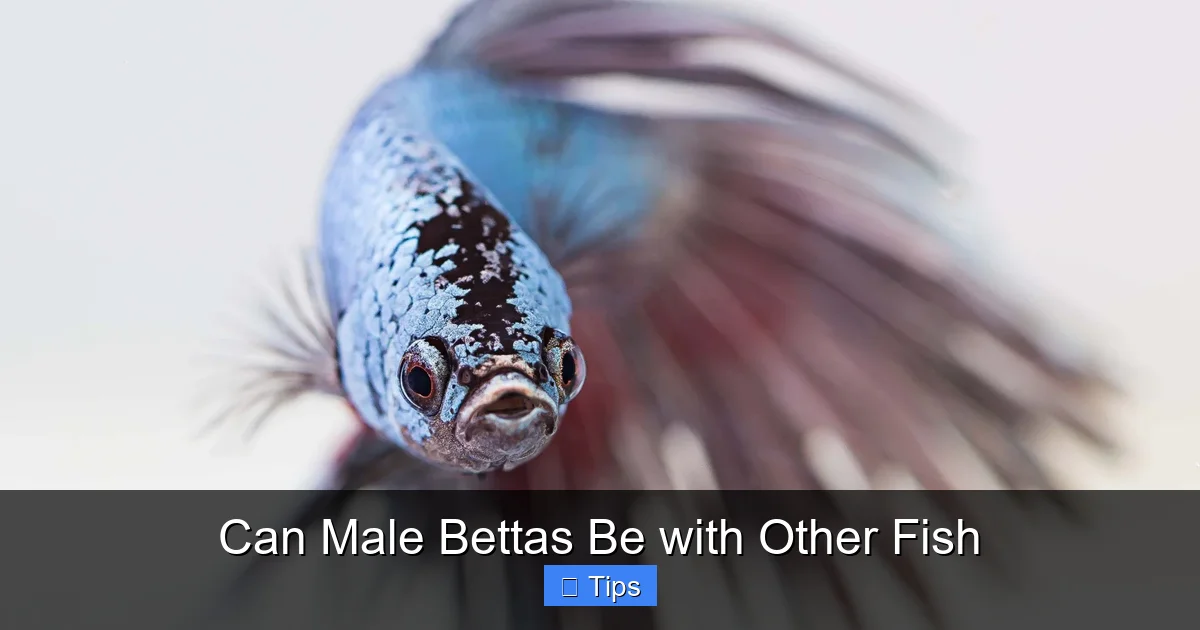
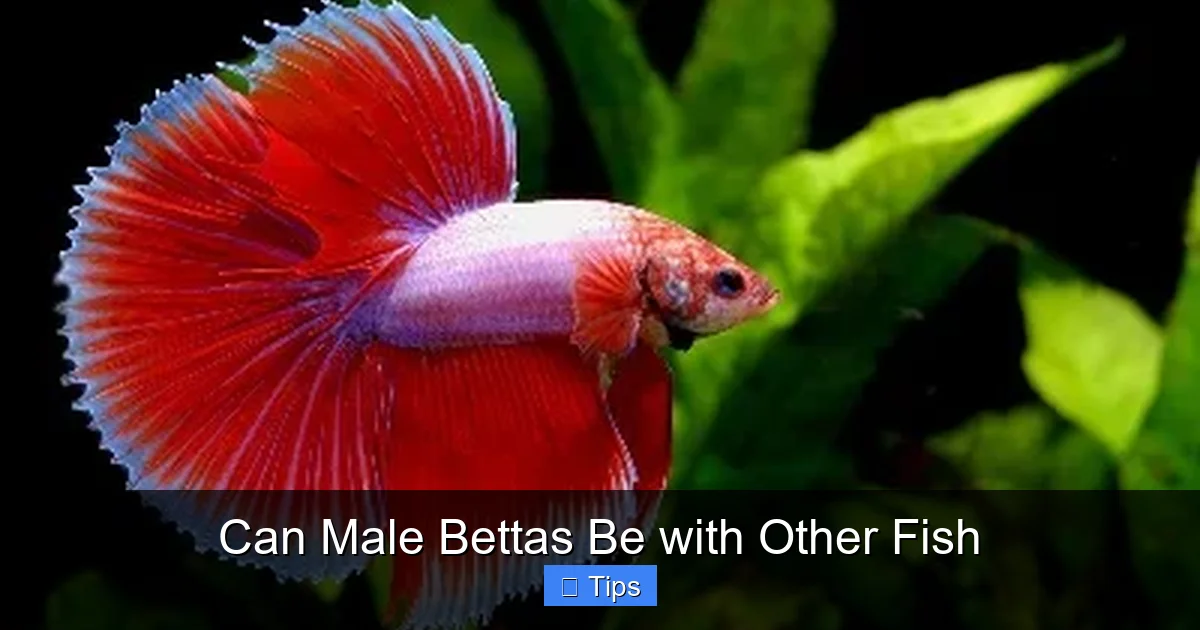
Male Siamese fighting fish are famously territorial, but they can sometimes share a tank with other species under very specific, carefully controlled conditions. Success depends entirely on selecting the right, non-aggressive tankmates, providing a heavily planted and spacious environment (minimum 20 gallons), and having a meticulous introduction and observation plan. Never assume compatibility; each betta has a unique personality, and a poorly chosen tankmate can lead to injury or death.
So, you’ve fallen in love with the vibrant, flowing fins of a male betta—often called a Siamese fighting fish. You’ve set up a beautiful, heated tank just for him. But then a thought creeps in: “Can male bettas be with other fish? It would be so nice to have a little community.” It’s a common and understandable question. The short, infamous answer is that bettas are solitary and aggressive, but the real, nuanced answer is a firm “sometimes, under strict conditions.” This guide will walk you through everything you need to know to make an informed, safe decision for your betta and any potential tankmates.
We’ll debunk myths, explore the “why” behind their aggression, dive into the absolute essentials for a successful setup, and list the species that have the highest chance of cohabiting peacefully. Remember, your primary goal is the welfare of your betta. A stressed or injured betta is a sick betta. Let’s begin by understanding the creature you’re dealing with.
Key Takeaways
- Territorial Nature is Key: Male bettas are solitary by instinct and will aggressively defend their space against other long-finned, brightly colored, or similarly shaped fish.
- Tank Size is Non-Negotiable: A minimum of 20 gallons is the absolute baseline for any community attempt; larger is always safer and provides essential escape routes.
- Species Selection is Critical: Only peaceful, fast-moving, short-finned, and non-nippy fish from the middle and top water columns are even considered (e.g., specific tetras, rasboras, corydoras).
- The Betta’s Personality Rules: Some bettas are inherently more aggressive; if yours flares constantly at his reflection or your hand, he is a poor candidate for a community tank.
- Aquascaping is Your Best Tool: Dense planting (live or silk), driftwood, caves, and vertical structures break line-of-sight and create territories, reducing stress and aggression.
- Introduction Order Matters: Always add the betta to an established community last, or use a divider for a slow, visual acclimation process over weeks.
- Constant Vigilance is Required: Even with perfect planning, you must watch for signs of stress, fin-nipping, or relentless chasing for the first 72 hours and be prepared to separate immediately.
📑 Table of Contents
- Understanding the Male Betta’s Temperament
- The Non-Negotiable Foundation: Tank Size & Setup
- Ideal Tankmate Candidates: The “Who’s Who” of Compatibility
- The “Absolutely Not” List: Fish to Avoid
- The Introduction Process: Patience is Everything
- Signs of Success vs. Signs of Failure
- Conclusion: A Rewarding but Risky Endeavor
Understanding the Male Betta’s Temperament
To know if a male betta can live with others, you must first understand his natural behavior. This isn’t about being mean; it’s about survival instincts honed over centuries in the shallow, resource-scarce rice paddies of Thailand.
The Instinct to Fight: More Than Just a Name
The moniker “Siamese fighting fish” comes from their historic use in betting matches, where males would battle until one retreated. This aggression is primarily intra-specific (towards other male bettas) but often extends to any fish that triggers their territorial or threat response. They are hardwired to defend a nest site, a food source, and their own space from perceived rivals. A bright color can look like another male betta. A long, flowing fin can look like a rival’s fin, inviting nipping. A fish that darts frantically can trigger a chase instinct.
Personality Plays a Huge Role
Just like people, bettas have individual personalities. Some are laid-back “Zen masters” who barely notice a shrimp swimming by. Others are hyper-vigilant “security guards” who flare at their own shadow. You must observe your specific betta. Does he flare at his reflection? Does he charge the glass when you walk by? If he is constantly in a state of high alert and aggression, he is a terrible candidate for a community tank. The most suitable candidates are bettas that are curious but calm, who may investigate a new object but don’t maintain a constant aggressive posture.
The Non-Negotiable Foundation: Tank Size & Setup
If you are considering tankmates, your first and most critical investment is space and structure. A betta in a 5-gallon nano tank alone is acceptable (though a 10-gallon is better). A betta in a community tank? The rules change drastically.
The 20-Gallon Minimum Rule
Let’s be unequivocal: a 10-gallon tank is too small for a betta with any other fish. The absolute, bare-minimum starting point is a 20-gallon long tank. Why? Space dilution. In a larger volume, any aggression is less likely to be focused on a single, cornered target. It provides more horizontal swimming space for other fish to evade. It allows for a much more robust aquascape. A 29-gallon or 40-gallon breeder is an even better, more forgiving platform. The extra water volume also helps maintain water quality, which is crucial for all inhabitants’ health.
Creating a Fortress: The Art of Aquascaping for Bettas
Your tank must be a labyrinth, not an open arena. The goal is to break the betta’s line of sight so he cannot constantly see and harass his tankmates. This is your most powerful tool.
- Live Plants are Gold: Densely planted tanks are ideal. Use fast-growing stem plants like Limnophilia, Hygrophila, or Rotala to create walls of green. Floating plants like Salvinia or Duckweed are betta favorites, providing a shaded canopy at the surface where they often rest. If you’re not ready for live plants, high-quality silk plants are a must—avoid plastic plants with sharp edges that can tear delicate betta fins.
- Hardscape is Essential: Driftwood, large stones, and terra-cotta pots create caves, overhangs, and hiding spots. Arrange them to form visual barriers. A piece of driftwood placed vertically can split a tank in two visually.
- Substrate & Open Space: Use a soft, sand-like substrate. While bettas are labyrinth fish and breathe air, a soft bottom is kinder if they rest on it. Leave one dedicated, open swimming lane in the center or top for the other fish, but keep the rest densely decorated.
This dense, complex environment gives other fish places to flee and rest, and it makes the betta’s territory feel larger and more secure, often reducing his need to patrol aggressively.
Ideal Tankmate Candidates: The “Who’s Who” of Compatibility
Now we get to the core question: which fish have a chance? The profile is very specific. Think: fast, small, schooling, non-flashy, and bottom-dwelling.
Visual guide about Can Male Bettas Be with Other Fish
Image source: aqueon.com
The Top Swimmers: Rasboras & Small Tetras
These are your best bets, but with major caveats. They must be the larger, more robust, and less nippy species, kept in proper schools (6+).
- Harlequin Rasboras (Trigonostigma heteromorpha): A classic choice. They are peaceful, active, and their orange/red patch is on the side, not the fins. Their speed and preference for the upper-middle levels help them evade a curious betta.
- Lambchop Rasboras (Trigonostigma espei): Similar to harlequins but smaller and with a distinctive “lambchop” mark. Very peaceful.
- Ember Tetras (Hyphessobrycon amandae): Tiny, fiery orange fish that school beautifully. Their small size and speed make them good candidates, but they must be in a large school (10+) to feel secure and scatter effectively.
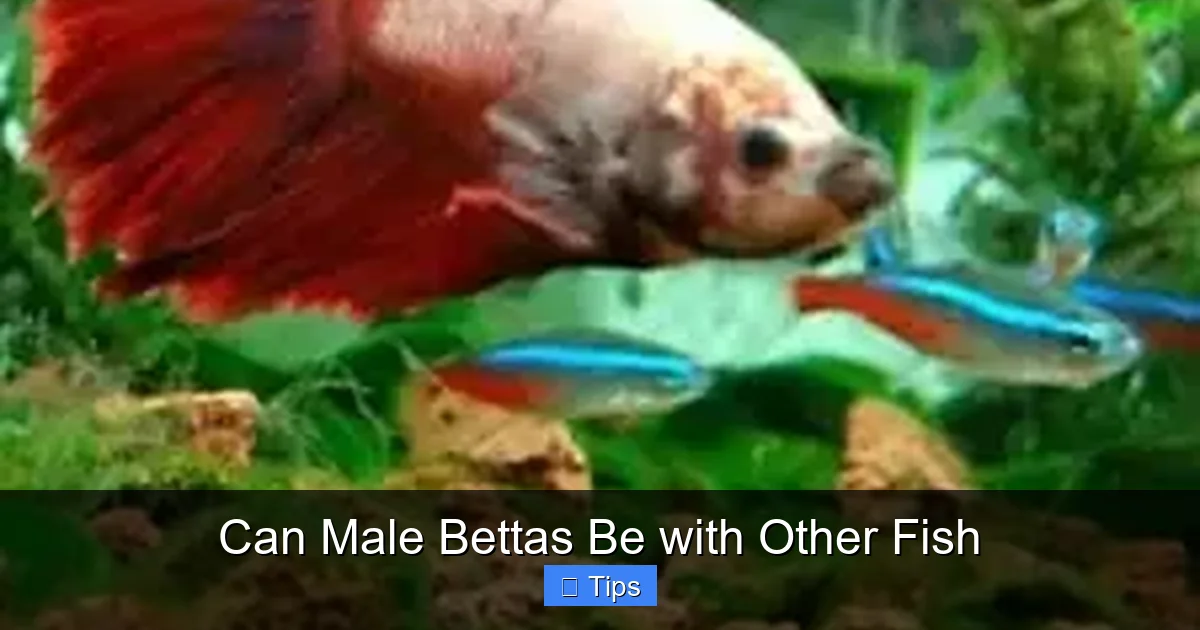
- Neon/Cardinal Tetras: Use extreme caution. Their bright, iridescent stripes can trigger a betta’s aggression, making them look like rival males. They are also a bit slower. If you try them, it must be in a very large, heavily planted tank with a known, calm betta. Cardinal tetras are larger and hardier than neons, making them a slightly better risk.
The Bottom Dwellers: Corydoras Catfish & Kuhli Loaches
These fish occupy a completely different stratum of the tank, which is ideal. They are also social and should be kept in groups.
- Corydoras Catfish: The quintessential peaceful bottom dweller. Species like the Pygmy Cory (Corydoras pygmaeus), Haberli Cory (Corydoras haberi), or Skunk Cory (Corydoras arcuatus) are small, active, and social. They sift through sand, mind their own business, and their armored plates protect them from any occasional nip. Keep at least 6.
- Kuhli Loaches (Pangio kuhlii): Eel-like, nocturnal, and fascinating. They burrow into the substrate and are rarely seen during the day. Their unique shape and behavior make them completely uninteresting to a betta. Keep in a small group of 3-5.
The Special Cases: Snails & Shrimp
Invertebrates are often the safest first “tankmates” to test a betta’s temperament.
- Nerite Snails: Excellent. They have a hard shell, don’t reproduce in freshwater, and are algae-eaters. A betta may investigate one but will quickly lose interest. They are completely safe.
- Mystery/Apple Snails: Also safe due to their size and shell, but they produce a lot of waste. Ensure your filtration can handle it.
- Amano Shrimp (Caridina multidentata): The best shrimp candidate. They are large (for a shrimp), fast, and spend much of their time climbing plants and glass, mostly out of reach. They are also excellent algae eaters.
- Ghost Shrimp & Cherry Shrimp: High risk. They are small, colorful (cherries), and slow-moving. A betta with any prey drive will see them as snacks. Only attempt with a proven, very calm betta in a massive, heavily planted tank, and even then, expect some losses. They are better as a “test” than a guaranteed community member.
The “Absolutely Not” List: Fish to Avoid
This list is just as important as the compatible one. These fish are a recipe for disaster, stress, and death.
Visual guide about Can Male Bettas Be with Other Fish
Image source: nippyfish.net
Fancy Guppies & Other Long-Finned Fish
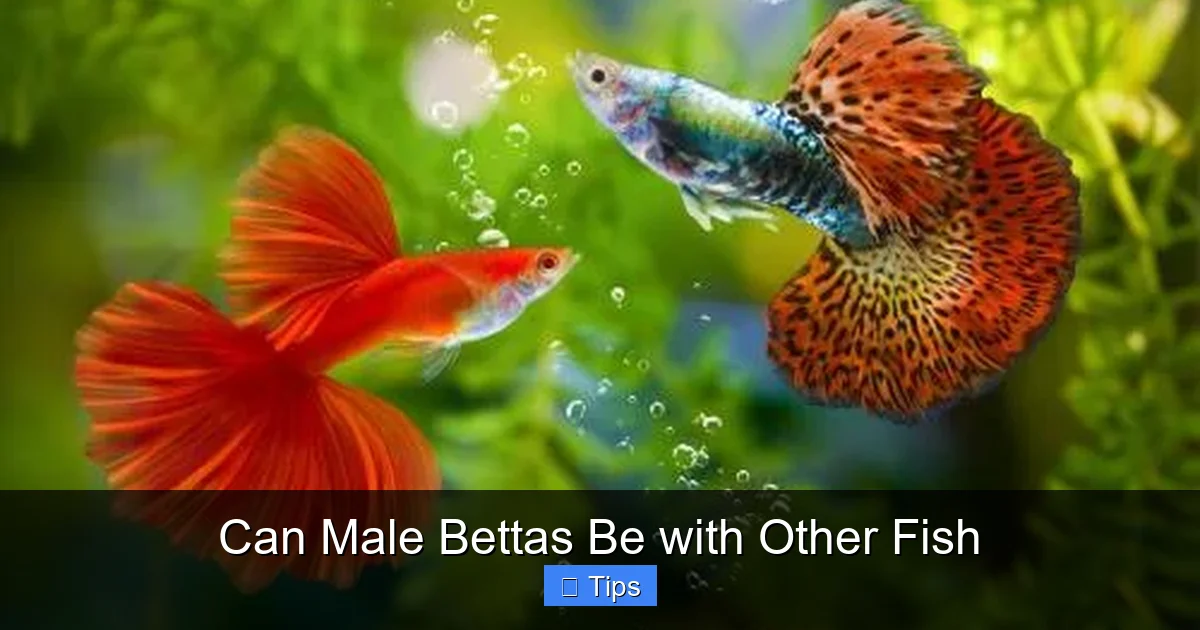
This is the number one mistake. Male guppies have gorgeous, flowing tails that are a direct trigger for a betta, who will see them as a rival male and relentlessly nip and attack them. The same goes for fancy male swordtails, platties with large fins, or any other fish with prominent, flowing fins (like some Angelfish). It’s an irresistible target.
Aggressive or Semi-Aggressive Fish
Do not put a betta with fish that will fight back or harass him. This includes:
- Other Anabantoids: Gouramis (Dwarf, Pearl, Kissing) are closely related and often just as territorial, especially males.
- “Nippers”: Tiger Barbs, Serpae Tetras, and some rasboras are notorious fin-nippers. They will torment a betta’s long fins.
- Large, boisterous fish: Danios (like Zebra Danios) are fast but can be hyperactive and fin-nip. Some cichlids are outright bullies.
Slow, Fancy, or Long-Finned Fish
Fish that are slow-moving have elaborate fins (like some fancy goldfish—which also have incompatible temperature needs) or are just plain clumsy are easy targets. A betta will chase and nip anything that can’t quickly escape. This includes many fancy goldfish varieties (again, temperature mismatch), some slow-swimming catfish, and ornamental varieties of other species.
The Introduction Process: Patience is Everything
You have your 20+ gallon fortress of a tank. You’ve selected a school of harlequin rasboras and a group of pygmy corys. Now what? The introduction is a multi-step process that can take weeks.
Visual guide about Can Male Bettas Be with Other Fish
Image source: japanesefightingfish.org
Step 1: The Established Community First
The safest method is to set up and fully cycle your tank (this can take 4-6 weeks) with the other fish species first. Let the community establish its own hierarchy and territories. Add plants and decorations as they grow. Then, when the tank is stable and the other fish are settled, you introduce the betta last. This prevents the betta from claiming the entire tank as his own from day one; he is the new guest in an established home.
Step 2: The Divider Method (The Safest Approach)
Use a solid, opaque tank divider (not a mesh one). Place the betta in one section and the community in the other. This allows them to see each other but not interact. Observe for 1-2 weeks. Does the betta constantly flare and charge the divider? If yes, he is too aggressive and you should not proceed. Does he show mild curiosity but then go about his business? That’s a good sign. After the observation period, you can try removing the divider for short, supervised sessions in a large tank, ready to separate them at the first sign of trouble.
Step 3: The “Cup Transfer” Method
If you don’t have a divider, you can use a large, clear breeding cup or container. Float the betta’s cup in the main tank for 15-20 minutes to acclimate temperature. Then, place the cup itself inside the tank (with the betta inside) for several hours. This lets the fish see each other through the glass in a neutral space. Watch their reactions. After this, you can try a supervised release in the evening, with a net ready to scoop the betta back into his cup if needed.
Signs of Success vs. Signs of Failure
You’ve done everything right. Now you need to be a detective for the first 72 hours and beyond.
Green Flags: Signs It Might Be Working
- Mutual Ignorance: The best outcome! The betta goes about his business, and the other fish completely ignore him. They occupy different spaces and times.
- Curiosity, Not Aggression: The betta may approach a school of rasboras, which will instantly scatter and reform. If he gives a mild flare and then loses interest, that’s often acceptable.
- All Fish Are Eating: No one is being chased away from food. You may need to target-feed the betta with a pipette to ensure he gets his portion.
- Normal Behavior: All fish are active, exploring, and displaying normal behaviors (the betta building a bubble nest is a sign of contentment, not aggression).
Red Flags: Signs to Separate IMMEDIATELY
- Relentless Chasing: The betta is constantly pursuing one or more fish, who are spending all their time hiding at the top or in corners.
- Fin Nipping: You see ripped, shredded, or missing fins on the other fish. This is a definitive sign of aggression.
- Constant Flaring & Posturing: The betta is permanently in a flared gill and fin display, often directed at a specific fish.
- Stress in the Community: The other fish are pale, clamped, not eating, or hiding 24/7. Their stress hormones will compromise their immune system.
- The Betta is Stressed: A betta who is overly stressed by the presence of others may become lethargic, hide constantly, lose color, or refuse food.
If you see any red flags, separate the betta immediately. Have a “hospital” or backup tank ready. Do not hope it will get better. It won’t. The damage is done, and the welfare of all fish is at risk.
Conclusion: A Rewarding but Risky Endeavor
So, can male bettas be with other fish? The answer is a qualified yes, but it is a path of high responsibility, not a casual decision. It requires a significant investment in a larger, heavily planted tank, careful selection of specific, robust, and fast-moving species, and a meticulous, patient introduction process. Your betta’s unique personality is the final judge and jury.
For many keepers, the safest and most beautiful route is to keep their male betta as the solitary star of a well-planted species tank, perhaps with a few harmless nerite snails or a single, large Amano shrimp for cleanup duty. This guarantees his safety and wellbeing. But if you are willing to put in the research, space, and observation, creating a successful betta community can be one of the most rewarding achievements in the aquarium hobby. Always prioritize the betta’s calm demeanor and the other fish’s ability to escape. When in doubt, choose solitude over a risky pairing. A happy, healthy betta displaying his brilliant colors and flowing fins is a reward in itself.
Frequently Asked Questions
Can a male betta live with a female betta?
No, not permanently. Male and female bettas can only be temporarily housed together for breeding under strict, monitored conditions. For life, they must be separated. The male will often attack the female, and the female can be just as territorial in her own space.
What about a betta sorority (multiple female bettas)?
Female betta sororities are possible but advanced and require a minimum of a 40-gallon tank with extreme amounts of hiding places and a group of 5+ females to disperse aggression. It is not a beginner setup and carries significant risk of bullying and injury.
Can I use a tank divider instead of a full community?
Yes! A solid tank divider is an excellent solution. It allows you to keep other fish in the same aquarium system while providing complete physical separation. This gives the visual stimulation of tankmates without any risk of aggression or fin-nipping.
My betta flares at his reflection, does that mean he’s too aggressive for tankmates?
Often, yes. Constant flaring at his reflection indicates a high-strung, highly territorial personality. This betta is much more likely to perceive any other fish as a threat and attack. It’s a strong sign he should be kept alone.
How long should I wait before introducing a betta to a community tank?
If adding the betta last to an established community, you can do it after the tank has been stable for several weeks. If using a divider method, observe for at least 1-2 weeks before attempting a supervised release. Always introduce the betta last, never the other way around.
What should I do if my betta starts attacking a tankmate?
Separate them immediately. Have a backup “hospital” tank ready. Do not wait to see if it improves. The stress and physical harm to the victim fish will escalate quickly. The betta may need to be returned to a solitary setup permanently.