Can a Betta Live with Other Fish
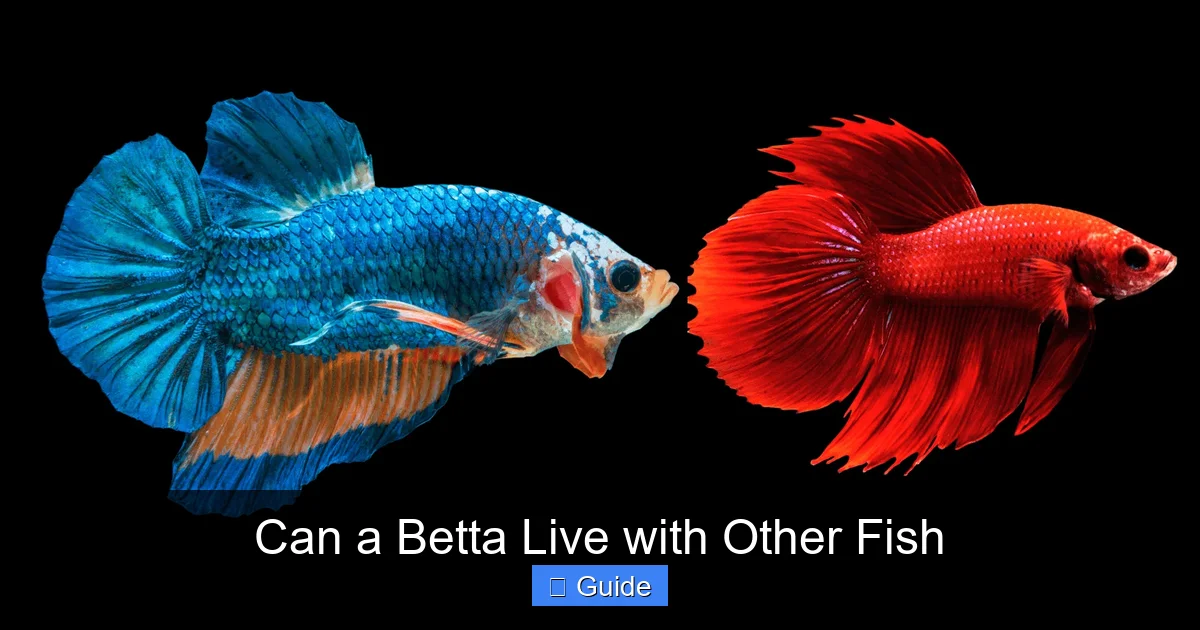
Yes, a betta can sometimes live with other fish, but it requires careful planning and specific conditions. Betta fish are famously territorial and aggressive, especially males, so success is never guaranteed. The key is choosing the right, calm tank mates, providing a spacious and well-decorated tank, and following a meticulous introduction process. Every betta has a unique personality, so constant observation is crucial to prevent injury or stress.
So, you’ve fallen in love with the flowing fins and vibrant colors of a betta fish. You’ve set up a beautiful aquarium, maybe with a gentle filter and some silk plants. But then a thought creeps in: Can a betta live with other fish? It’s one of the most common questions in the aquarium hobby, and the answer is one that every potential betta owner needs to hear. The short, honest answer is: sometimes, but it’s complicated. The famous Siamese fighting fish has a reputation for a reason. Their long, beautiful fins and brilliant colors are the result of centuries of selective breeding for aggression. However, with immense patience, meticulous research, and perfect tank conditions, it is possible to create a peaceful community tank that includes a betta. This guide will walk you through every single factor you must consider, from understanding a betta’s mind to choosing the right species and executing a flawless introduction. Think of it less as a “yes or no” question and more as a high-stakes negotiation you must mediate between your betta and its potential roommates.
Key Takeaways
- Bettas are solitary by nature: Their aggressive instincts, particularly in males, mean they are not inherently community fish and may see other brightly colored or long-finned fish as rivals.
- Tank size is non-negotiable: A minimum of 20 gallons is strongly recommended for any community setup with a betta to provide enough space for territories and reduce stress.
- Choose “dull,” fast, and schooling fish: Ideal tank mates are species that are not flashy, are too quick for the betta to catch, and prefer to stay in groups at mid to top levels, like small rasboras or certain tetras.
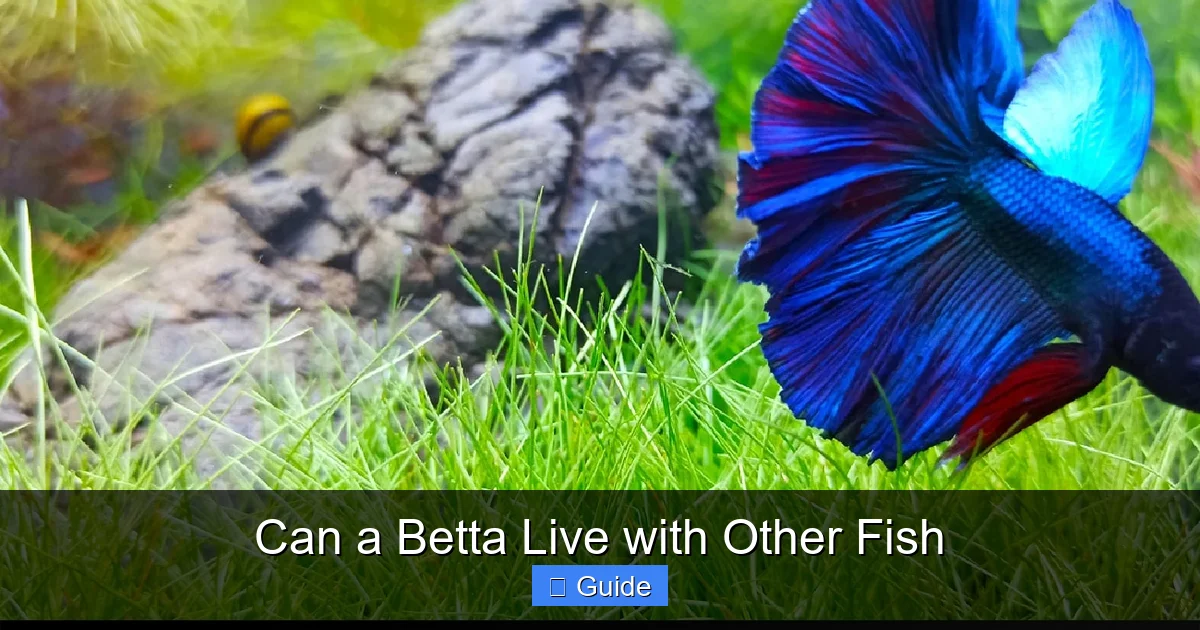
- Aquascaping is your best defense: A heavily planted tank with driftwood, rocks, and plenty of visual barriers breaks line-of-sight and gives the betta and other fish places to hide and establish their own spaces.
- The introduction process is critical: Never simply drop a new fish in. You must use a quarantine tank, perform a drip acclimation, and often use a tank divider for the first few weeks to allow them to see but not touch each other.
- Be prepared to separate: Have a backup “hospital” or quarantine tank ready at all times. If any fish shows signs of stress, injury, or relentless chasing, you must remove the betta or the other fish immediately.
- Female bettas are often (but not always) less aggressive: A sorority of females or a female betta with tank mates can be more successful, but individual personalities vary greatly and aggression can still occur.
📑 Table of Contents
- Understanding the Betta: It’s Not Just a Pretty Face
- The Foundational Pillar: Tank Conditions & Aquascaping
- Compatible Tank Mates: The “Who’s Who” of Peaceful Fish
- The “No-Go” List: Fish to Absolutely Avoid
- The Critical Protocol: Introducing Your Betta to Tank Mates
- Troubleshooting: When Things Go Wrong
- Conclusion: Patience is the Ultimate Skill
Understanding the Betta: It’s Not Just a Pretty Face
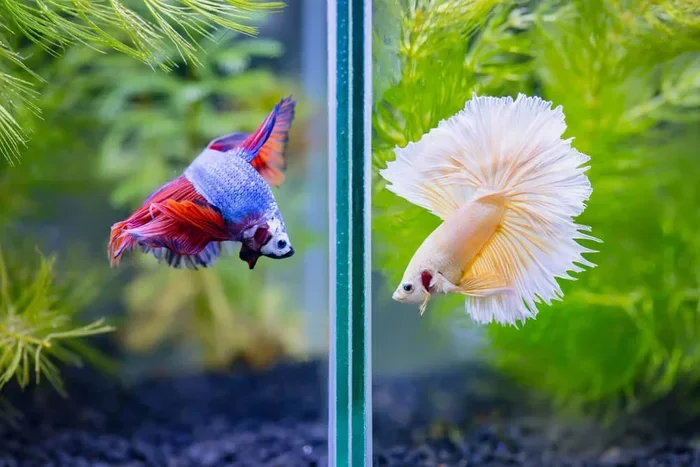
Before we even talk about other fish, we need to understand our star player: the betta. Their behavior isn’t random; it’s driven by deep-seated instincts. The betta’s scientific name, Betta splendens, translates to “fighting fish.” In the wild, male bettas spar briefly to establish territory but can usually retreat. In the tiny, confined space of a glass tank, there is no retreat. That flare of gills and extended fins you see when your betta sees its reflection? That’s a threat display, a warning that says, “This is my space.” This behavior is directed at anything it perceives as a competitor—another male betta, a fish with long, flowing fins that looks like a rival, or even a slow-moving fish that invades its bubble nest (if it’s a male in breeding mode).
The Myth of the “Lone Wolf”
Many sources oversimplify and say bettas must live alone. While this is the safest and most responsible default, it’s not an absolute law. Wild bettas are not hermits; they share waterways with other fish species. Their aggression is primarily directed at other bettas and fish that trigger their rivalry instincts. This means a betta’s personality is the single biggest variable. One betta might completely ignore a shrimp, while another will relentlessly hunt it. You must be prepared to accept that your specific betta may simply not be compatible with anyone, and that’s okay. Forcing community life on an inherently aggressive betta is cruel and will lead to dead or injured tank mates and a stressed betta.
Sex Matters: Male vs. Female Bettas
Generally, male bettas are the more aggressive of the two. Their long, flowing fins are a direct result of breeding for display and combat, making them targets for fin-nipping fish and obvious rivals to other males. Female bettas, while still capable of aggression, often have shorter fins and tend to be less territorial. A well-planned “sorority” tank with 4-6 female bettas in a heavily planted, spacious setup (30+ gallons) can be successful, as they establish a loose hierarchy. However, a single female betta is often considered a better candidate for a community tank than a male, as she is less likely to be seen as a “flashy” target and may be less obsessively territorial. But remember: individuality rules. A mellow male and a fierce female are both entirely possible.
The Foundational Pillar: Tank Conditions & Aquascaping
You could have the most peaceful betta in the world, but if you put it in a 5-gallon glass box with one plastic plant and a neon tetra, you are setting the stage for disaster. The physical environment is your most powerful tool for managing betta aggression. A properly set up tank doesn’t just look nice; it actively reduces stress and provides escape routes, which is essential for coexistence.

Visual guide about Can a Betta Live with Other Fish
Image source: aniimad.com
Tank Size: Bigger is Unquestionably Better
Let’s crush this myth first: a betta does not belong in a vase or a 2.5-gallon “nano” tank with other fish. For any community tank, a 20-gallon long tank is the absolute minimum starting point. Why? Space. A larger footprint (length and width) provides more horizontal swimming space and allows you to create distinct territories. In a small tank, a betta can see and reach any other fish in seconds. In a 20-gallon long, there is room for a betta to patrol its end while other fish occupy the opposite side. The water parameters are also more stable in a larger volume, which reduces stress for all inhabitants. If you can manage a 30-gallon or larger, your odds of success increase dramatically.
The Art of Hiding: Aquascaping for Peace
Your goal is to break the betta’s line of sight. A tank where the betta can see from one end to the other in a straight line is a prison, not a home. You need to create a dense, complex landscape.
- Live Plants are King: Plants like Java fern, Anubias, Cryptocorynes, and floating plants (like frogbit or water lettuce) are fantastic. They provide vertical cover, diffuse light, and mimic the betta’s natural murky, vegetated habitat. Dense planting along the back and sides creates a natural border.
- Hardscape is Essential: Driftwood, large river stones, and clay pots (unpainted and unglazed) create solid, unmoving barriers. A strategically placed piece of driftwood can split the tank into two distinct zones.
- Establish Clear Zones: Designate one area for the betta (often with a calm surface for its bubble nest, if male) and other areas for mid-level and bottom-dwelling fish. Use plants and wood to separate these zones.
A well-aquascaped tank doesn’t just hide fish from the betta; it gives the betta itself places to explore and claim, satisfying its curious nature without it focusing solely on its neighbors.
Compatible Tank Mates: The “Who’s Who” of Peaceful Fish
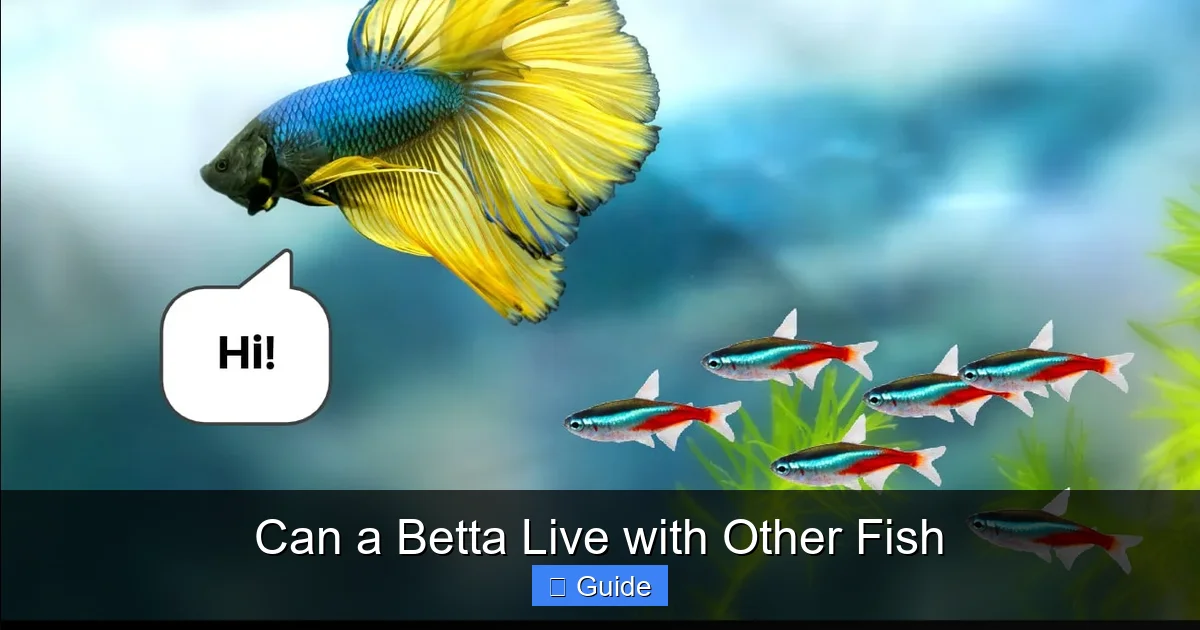
This is the most researched part of the process. You are looking for fish that are the complete opposite of a betta: dull in color, fast and agile, and schooling in nature. They should occupy different levels of the water column and be too quick for the betta to consider a meal. Here are the most reliable categories and specific examples.
Visual guide about Can a Betta Live with Other Fish
Image source: buildyouraquarium.com
The Gold Standard: Small, Schooling Rasboras & Tetras
These are your best first choices. They are peaceful, active, and prefer to stay in a tight group, which diffuses any individual attention from the betta.
- Harlequin Rasboras (Trigonostigma heteromorpha): A classic choice. They have a subtle orange/red patch but are fast, active, and prefer the top/mid-levels. In a school of 6-8, they are a blur of motion that a betta can’t focus on.
- Chili Rasboras (Boraras brigittae): Tiny, fiery red fish that are incredibly peaceful. Their small size and speed make them poor targets. They add a pop of color but are not “flashy” in a way that triggers a betta’s rivalry.
- Ember Tetras (Hyphessobrycon amandae): Similar to Chili Rasboras—tiny, orange, and schooling. They are a stunning, active addition that typically minds its own business.
- Neon/Cardinal Tetras: The neon stripe is a potential risk, but their extremely fast, synchronized schooling behavior often works. Success is less guaranteed than with rasboras, so close monitoring is vital. Always keep in a proper school of 6+.
Bottom-Dwellers: The Silent Helpers
Fish that occupy the very bottom of the tank are usually ignored by bettas, who are top/mid-level swimmers.
- Pygmy Corydoras (Corydoras pygmaeus) & Hasbros Corydoras: These tiny, adorable catfish are perfect. They are social, active on the substrate, and have armored plates. A group of 6+ will be busy sifting sand and completely uninteresting to a betta.
- KuhlI Loaches (Pangio kuhlii): Eel-like, peaceful bottom dwellers that are mostly nocturnal. They hide in decor and are rarely seen during the day, making them excellent, low-interference tank mates.
Other Notable & Often Successful Candidates
- Snails: Nerite snails, Mystery/Apple snails, and Ramshorn snails are fantastic. They are slow, have hard shells, and are completely ignored by most bettas. They also help clean algae.
- Shrimp: This is a gamble. Amano shrimp are large, fast, and mostly plant-eaters, with a higher success rate. Ghost shrimp or Cherry shrimp are often seen as food by bettas, especially larger or more aggressive ones. You must be prepared for them to become snacks.
- African Dwarf Frogs: A popular but advanced pairing. They are aquatic, not terrestrial, and need easy access to the surface. They can coexist, but both species are sensitive to water quality and require pristine conditions. Not for beginners.
The “No-Go” List: Fish to Absolutely Avoid
Just as important as knowing who might work is knowing who will definitely fail. Pairing a betta with these fish is almost always a recipe for tragedy.
Visual guide about Can a Betta Live with Other Fish
Image source: buildyouraquarium.com
Other Bettas
This should be obvious, but it must be stated: Never, under any circumstances, house two male bettas together. They will fight to the death. Female betta sororities require extreme expertise and a very large, heavily planted tank. Even then, it’s risky. A male and female together long-term will also lead to constant stress and harassment from the male.
Long, Flowing Fins & Bright Colors
These fish directly trigger the betta’s rivalry instinct. They look like another betta.
- Fancy Guppies (especially males with large tails)
- Fancy Goldfish (slow, flowing fins)
- Siamese Algae Eaters (can be semi-aggressive and have a similar body shape)
- Any other fish with exceptionally long, flowing fins (e.g., some Angelfish, Butterfly Koi)
Slow, Peaceful, or “Friendly” Fish
These fish are too slow to escape a curious or aggressive betta and will have their fins nipped to shreds.
- Most Gouramis (they are closely related and often aggressive themselves)
- Honey Gouramis (can work in very specific, large setups but are a high-risk choice)
- Bristlenose Plecos (can be slow and have armored plates that might intrigue a betta to nip)
- Otocinclus Catfish (extremely delicate and shy; stress from a betta will likely kill them)
- Any fish described as “very peaceful,” “shy,” or “slow-moving.”
The Critical Protocol: Introducing Your Betta to Tank Mates
You have a 20-gallon long, heavily planted tank. You’ve chosen a school of 8 Chili Rasboras and a trio of Pygmy Corys. The tank has been cycling for weeks. Now comes the most important phase: introduction. Rushing this will ruin everything. You must follow these steps meticulously.
Step 1: The Quarantine Tank
Never, ever add new fish directly to your display tank. You must have a separate, cycled hospital/quarantine tank. All new fish (including your betta, if it’s new) should be observed here for 2-4 weeks for signs of disease (ich, velvet, fungal infections). This protects your entire ecosystem. Treat any issues here before moving to the main tank.
Step 2: Rearrange the Decor Before Adding the Betta
If you are adding tank mates to an existing betta’s tank (not recommended for a first attempt), or if you are adding the betta last to a community, you must break up established territories. Completely rearrange all plants, rocks, and wood in the main tank an hour or two before the final introduction. This makes the tank feel “new” to the resident fish, preventing it from seeing the newcomer as an invader of its specific, established home. It resets the territorial map.
Step 3: The Drip Acclimation (For All Fish)
When moving fish from the quarantine tank to the main tank, do not just dump them in. Use the drip acclimation method to slowly equalize temperature, pH, and hardness over 1-2 hours. This prevents shock, which can make fish lethargic and more susceptible to attack.
Step 4: The Divider Method (Highly Recommended)
For the first 2-4 weeks, use a permanent tank divider or a breeder box to physically separate the betta from the new fish. They can see each other through the glass or mesh, but cannot touch. This allows them to get used to each other’s presence without the risk of injury. Watch their behavior closely. If the betta is flaring aggressively at the divider constantly for days on end, that’s a major red flag. If it mostly ignores the other fish after a few days, that’s a good sign. After a few weeks, you can try removing the divider for short, supervised sessions (starting with 15 minutes), gradually increasing the time if behavior is calm.
Troubleshooting: When Things Go Wrong
Even with perfect planning, you may encounter problems. Your ability to observe and act quickly is what will save your fish.
Signs of Aggression & Stress
You must watch, especially in the first 72 hours and during feeding times. Immediate red flags:
- Constant, frantic chasing (not just a few investigative flares)
- Visible fin damage (ragged, torn, bloody fins on the betta or other fish)
- The betta hiding constantly and not coming out to eat
- Other fish hiding in corners, not schooling, breathing rapidly
- The betta locking jaws with another fish
One or two minor flares during initial establishment can be normal, but sustained aggression is not.
What To Do If Fighting Occurs
Have a backup plan ready before you even start. You need a cycled hospital tank (at least 5 gallons) with a heater and sponge filter. The moment you see sustained chasing or fin-nipping, you have two choices:
- Remove the Betta: This is often the easiest solution if the tank mates are your priority. Move the betta to its own permanent solo tank. You now have a beautiful community tank and a betta that will be much happier alone.
- Remove the Victim: If the betta is attacking a specific slow fish (like a snail or shrimp), remove that individual to save it. The betta may then ignore the remaining, faster school.
Do not hope it will get better. It won’t. Stress and injury escalate quickly.
Conclusion: Patience is the Ultimate Skill
So, can a betta live with other fish? The answer is a qualified, cautious yes—but only for the dedicated, patient, and observant aquarist. It is not a beginner project. It is a high-maintenance experiment that requires investing in a larger tank, researching species for weeks, aquascaping with purpose, and implementing a slow, methodical introduction. The reward is a stunning, dynamic community centered around your magnificent betta. The risk is the death of your other fish and a deeply stressed betta. Your primary responsibility is the welfare of the living creatures in your care. If you have any doubt, choose the safe path: a beautifully decorated solo tank for your betta. It will be just as happy, and you will avoid heartbreak. But if you are willing to put in the work, follow the protocols, and accept that your betta’s personality is the final boss, you may just create one of the most captivating displays in the freshwater aquarium hobby.
Frequently Asked Questions
Can a betta fish live with a guppy?
Generally, no. Male guppies have long, colorful fins that trigger a betta’s aggression, leading to constant chasing and fin-nipping. While some very mellow bettas may ignore fast, short-finned female guppies, it is considered a high-risk pairing and is not recommended.
Can I put a betta with shrimp?
It’s a gamble. Larger, fast shrimp like Amano shrimp have a decent chance of survival. Small shrimp like Cherry or Ghost shrimp are often viewed as food by bettas and will likely be eaten. If you try, use a heavily planted tank to give shrimp hiding places and be prepared for losses.
What is the best tank mate for a betta?
The most reliable and safest tank mates are small, schooling, dull-colored fish that stay in the mid to top water column, like Harlequin Rasboras or Chili Rasboras (in a school of 8+). Bottom-dwellers like Pygmy Corydoras and Nerite snails are also excellent, low-risk additions.
How many fish can I put with my betta?
Focus on the tank’s bioload, not just the number. In a properly sized (20+ gallons) and filtered tank, you can keep a betta with a school of 6-8 small fish (like rasboras) and a small group of bottom-feeders (like 4-6 pygmy cories). Never add so many fish that the betta can’t establish a personal territory.
How do I know if my betta is stressed by tank mates?
Signs of a stressed betta include constant hiding, loss of appetite, faded colors, rapid gill movement (without exertion), and frantic darting. If your betta is flaring at its reflection or other fish all day, every day, that is also a sign of high stress. If you see these, you must consider separating the fish.
Are female bettas easier to keep with other fish?
Often, yes. Female bettas typically have shorter fins and are less obsessively territorial than males, making them slightly better candidates for community tanks. However, individual personalities vary, and some females can be just as aggressive. The same strict rules about tank size, aquascaping, and introduction apply.