Wondering if a betta can share a tank with a colorful molly? The answer isn’t simple, but with the right conditions, they can coexist peacefully. This guide breaks down temperament, water needs, tank size, and practical steps so you can decide confidently.
Key Takeaways
- Temperament matters: Male bettas are territorial, while mollies are active swimmers that can trigger aggression.
- Tank size is critical: A minimum of 20 gallons provides enough space for both species to establish territories.
- Water parameters must match: Both fish thrive in slightly alkaline water (pH 7.0‑7.5) and temperatures of 76‑82 °F.
- Introduce gradually: Use a quarantine or “neutral” tank to let them meet under supervision.
- Provide plenty of hiding spots: Plants, caves, and driftwood reduce stress for both betta and molly.
- Watch for signs of stress: Faded colors, frayed fins, or constant chasing mean it’s time to separate.
- Alternative companions: If molly proves too aggressive, consider peaceful snails or shrimp instead.
📑 Table of Contents
Introduction: The Big Question
If you’ve ever stared at a vivid molly swimming beside a flamboyant betta, you’ve probably asked yourself, “Can a betta fish live with an assorted molly?” It’s a common dilemma for hobbyists who want a lively community tank without sacrificing the health of either fish.
Betta fish (Betta splendens) are famous for their dramatic fins and feisty personalities. Mollies (Poecilia sphenops), on the other hand, are peaceful, live‑bearing fish that love to explore the upper levels of a tank. At first glance, their differences seem like a recipe for conflict, but with the right approach, they can share a space.
This article walks you through everything you need to know—temperament, water conditions, tank setup, and step‑by‑step introductions—so you can decide whether to pair these two species or look for a better match.
Understanding Betta Temperament
Why bettas can be aggressive
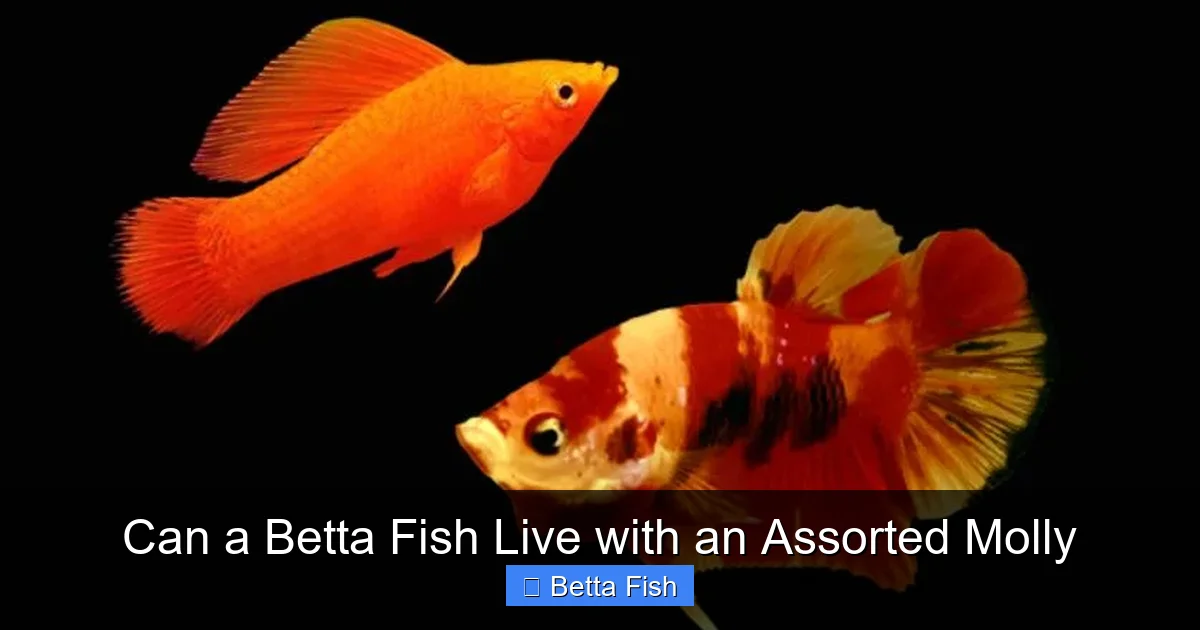
Male bettas evolved to guard bubble nests and defend territories in shallow, stagnant waters. Their bright colors are a warning sign to rivals. In a confined space, a betta may see a molly’s flowing fins as a threat and respond with flares, nips, or even full‑on attacks.
Visual guide about Can a Betta Fish Live with an Assorted Molly
Image source: tinyfishtank.com
Female bettas are a different story
Female bettas are generally less territorial, but they can still become stressed if the tank is overcrowded. When choosing a betta for a mixed tank, many hobbyists prefer a female or a well‑behaved male that has been raised with other fish.
Comparing to other community fish
If you’re curious how bettas stack up against other tank mates, check out What Fish Can Live With A Betta for a broader view of compatible species.
Molly Basics: What Makes Them Unique
Social and active swimmers
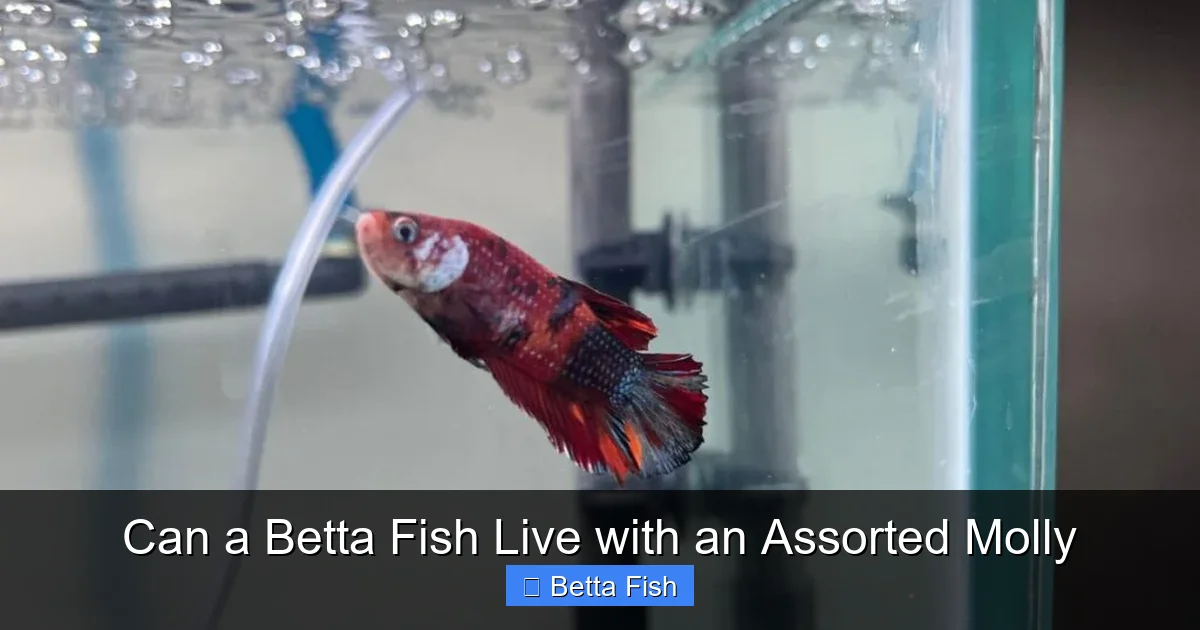
Mollies are schooling fish that love to roam the upper half of the aquarium. They are live‑bearers, meaning they give birth to free‑swimming fry, which can quickly increase tank population.
Visual guide about Can a Betta Fish Live with an Assorted Molly
Image source: housedpet.com
Water preferences
Most mollies prefer slightly alkaline water (pH 7.0‑7.5) and a temperature range of 76‑82 °F—almost identical to betta requirements. This overlap makes them a plausible tank mate from a water‑parameter standpoint.
Potential problem: fin nipping
While mollies are not known as aggressive nippers, they do have a habit of “tasting” fins with their mouths, especially if they’re hungry. This can irritate a betta’s delicate fins, leading to stress or infection.
Matching Water Conditions
Temperature
Both species thrive at 78 °F on average. Keep your heater set between 76‑80 °F for a comfortable middle ground.

Visual guide about Can a Betta Fish Live with an Assorted Molly
Image source: i.ytimg.com
pH and hardness
Maintain a pH of 7.0‑7.5 and moderate hardness (10‑20 dGH). Use a reliable test kit and make adjustments slowly to avoid shocking either fish.
Filtration and flow
Betas prefer calm water, while mollies enjoy moderate flow. Choose a gentle sponge filter or a low‑speed hang‑on‑back (HOB) unit. Position the outlet so the current circulates but does not create a strong stream at the betta’s level.
Tank Size and Layout
Why bigger is better
A 20‑gallon long tank is the sweet spot. It offers enough horizontal swimming space for mollies and enough vertical zones for the betta to claim a “throne” area.
Creating territories
- Plants: Live plants like Java fern, Anubias, and floating duckweed give the betta places to hide and the mollies surface cover.
- Decor: Driftwood, smooth rocks, and ceramic caves break lines of sight and reduce territorial clashes.
- Background: A dark background can calm a betta, making it less likely to flare at moving molly fins.
Lighting considerations
Soft, diffused lighting mimics a natural environment and reduces stress. Avoid intense spotlights that may trigger a betta’s defensive instincts.
Step‑by‑Step Introduction Process
1. Quarantine both fish
Before any interaction, quarantine each fish for at least two weeks. This helps catch parasites and lets you observe each fish’s health.
2. Use a neutral “meet‑up” tank
Set up a small, well‑decorated container (10‑gallon) with the same water parameters. Place the betta first, give it ten minutes to settle, then gently add the molly.
3. Observe behavior
Watch for flaring, chasing, or fin nipping. If the betta remains calm and the molly swims away without stress, you have a good sign.
4. Gradual acclimation
After a successful meet‑up, start a slow drip acclimation into the main tank. Add a few drops of tank water to the transport bag every five minutes for 30‑45 minutes.
5. Monitor the first 48 hours
Keep a close eye on both fish. If any signs of aggression appear, be ready to separate them quickly using a breeder box or a temporary divider.
6. Long‑term observation
Even after the initial period, continue to watch for subtle stress signs. A healthy betta will display bright colors and normal fin movement; a stressed one may hide or lose its sheen.
Signs of Compatibility—and When to Separate
Positive indicators
- Both fish eat normally and display vibrant colors.
- The betta holds a territory but does not chase the molly constantly.
- Mollies swim peacefully near the surface without frantic darting.
Red flags
- Betta flares repeatedly or attacks the molly’s fins.
- Molly shows ragged fins, missing scales, or erratic swimming.
- Either fish loses appetite or becomes unusually lethargic.
If any red flags appear, it’s best to move the molly to a separate tank. Remember, a happy fish is a healthy fish.
Alternative Community Options
If the betta‑molly combo proves too stressful, consider these peaceful alternatives that share similar water requirements:
- Goldfish (only in large, well‑filtered tanks—see the linked guide for details).
- Small, non‑nippy tetras such as neon or ember tetras.
- Snails like Nerite or Malaysian trumpet snails—great for algae control and virtually no aggression.
- Freshwater shrimp (e.g., Cherry shrimp) that can coexist if the betta is not fin‑nippy.
Conclusion: Making the Right Choice
So, can a betta fish live with an assorted molly? Yes, but only under carefully controlled conditions. Matching water parameters, providing ample space, and monitoring behavior are non‑negotiable steps. If you’re prepared to invest time in proper introductions and tank setup, the vibrant dance of a betta alongside a lively molly can be a rewarding sight.
However, never force a relationship that shows signs of stress. A peaceful community tank is built on the well‑being of every resident, not just the aesthetics. Use the tips above, stay observant, and you’ll know whether your betta and molly are destined for harmony or a separate future.
Frequently Asked Questions
Can a betta fish live with a molly in a small 5‑gallon tank?
No. Both species need room to establish territories. A 5‑gallon tank is too cramped and will likely cause stress and aggression.
Do male bettas get along better with female mollies?
Gender doesn’t change the molly’s behavior, but a male betta’s aggression can be higher. Female bettas are generally less territorial, making them a safer choice.
What water temperature is ideal for both betta and molly?
Keep the tank between 76‑80 °F. This range satisfies both species and promotes healthy metabolism.
How often should I feed a mixed betta‑molly tank?
Feed high‑quality betta pellets once daily and offer molly flakes or algae wafers twice daily. Remove uneaten food within two minutes to keep water quality high.
Can I add live plants to help reduce aggression?
Yes. Live plants provide hiding spots and break line‑of‑sight, which can calm a betta and give mollies places to explore.
What should I do if my betta starts fin nipping a molly?
Immediately separate the fish using a breeder box or a tank divider. Evaluate the tank size, décor, and introduction method before attempting to re‑introduce them.

