How to Breed Betta Fish in Two Minutes

Breeding betta fish doesn’t have to be complicated or time-consuming. This guide shows you how to breed betta fish in two minutes by focusing on the essentials: picking healthy fish, setting up the right environment, and understanding their natural behavior. Whether you’re a beginner or a seasoned hobbyist, these simple steps will help you achieve breeding success fast.
Breeding betta fish might sound like a challenge. But here’s the truth — you can do it in just two minutes if you know the right steps. The how to breed betta fish in two minutes method isn’t about rushing. It’s about cutting out the fluff and focusing on what really matters. In this guide, we break down the entire process into simple, actionable steps that anyone can follow.
Betta fish are some of the most beautiful and popular freshwater fish kept at home. Their vibrant colors and flowing fins make them a favorite among hobbyists. And breeding them? It’s a rewarding experience that doesn’t require a chemistry degree. You just need a little patience, the right setup, and the knowledge you’ll find here.
We’ll walk you through choosing your fish, setting up the tank, and handling the breeding process like a pro. By the end, you’ll have a clear roadmap to start your own betta fish breeding project. Let’s dive in.
Key Takeaways
- Quick Setup: You can prepare a breeding tank in under two minutes with the right tools and knowledge.
- Healthy Fish Matter: Choosing the right male and female betta fish is the most important first step.
- Simple Water Conditions: Maintaining proper temperature and water quality makes breeding much easier.
- Natural Behavior: Understanding how betta fish court and nest helps you support the process naturally.
- Post-Breeding Care: Separating the female and caring for fry ensures survival and healthy growth.
📑 Table of Contents
Why Breed Betta Fish?
Before we jump into the steps, let’s talk about why breeding betta fish is worth your time. These fish come in dozens of stunning color variations. Breeding allows you to create unique color combinations and patterns. Some breeders even develop new strains over time.
Beyond the visual appeal, breeding betta fish teaches you a lot about fish behavior. You’ll learn about courtship, nesting, and how to care for delicate fry. It’s a great way to level up your fish-keeping skills. Plus, it’s genuinely fun to watch the process unfold.
Benefits of Breeding Betta Fish at Home
- You can produce beautiful color variations not found in stores.
- Breeding helps you understand betta fish behavior more deeply.
- It’s a relaxing and rewarding hobby that anyone can enjoy.
- You can sell or trade fry with other hobbyists.
- Breeding builds your confidence as a fish keeper.
Step 1: Pick the Right Pair
The first step in how to breed betta fish in two minutes is selecting the right fish. You need a healthy male and a healthy female. Without this foundation, everything else falls apart.
Choosing a Male Betta Fish
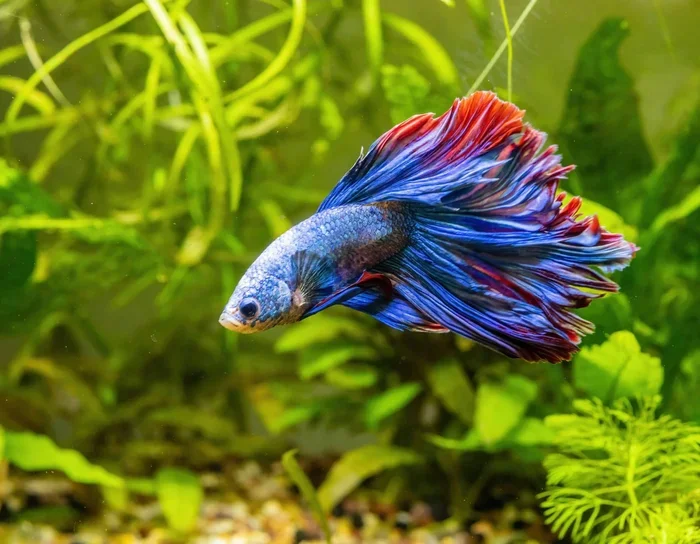
Look for a male with bright, vivid colors and long, flowing fins. He should be active and responsive, not lethargic or hiding. A healthy male will build a bubble nest, which is a key sign he’s ready to breed. Check for any signs of disease like clamped fins, white spots, or redness.
Choosing a Female Betta Fish
The female should also be vibrant and healthy. Look for a white egg spot on her underside — this is a reliable sign she’s ready to release eggs. Her colors should be rich, and she should have a plump, rounded body. Avoid females that look thin or pale.
If you’re unsure how to identify a ready female, check out our guide on how to find female betta fish ready to breed. It covers all the visual signs in detail.
Age Matters
Both fish should be at least 4 to 6 months old before breeding. Breeding too young can cause health problems. For more details on the right breeding age, read our article on how old betta fish to breed.
Step 2: Set Up the Breeding Tank
Setting up the tank doesn’t need to take long. In fact, with the right approach, you can do it in under two minutes. The key is to have everything ready beforehand.
What You Need
- A small tank (5 to 10 gallons works great).
- A heater to maintain warm water temperature.
- A sponge filter for gentle water flow.
- Floating plants or a breeding mop for the male to build his nest.
- Clean, dechlorinated water.
Water Conditions
Keep the water temperature between 78°F and 82°F. This warmth encourages breeding behavior. The pH should be around 7.0. Use clean water that has been treated with a dechlorinator. Avoid strong filters — betta fish prefer gentle water movement during breeding.
If you want a more detailed walkthrough of the tank setup, our article on how to breed betta fish in aquarium covers every detail you need.
Step 3: Introduce the Fish
Now comes the exciting part. Place the female in a separate container inside the breeding tank. Let her sit there for a few minutes so she can see the male. This visual contact triggers their natural breeding behavior.
What to Expect
The male will start building a bubble nest at the surface. He may flare his fins and display bright colors. This is normal and a great sign. After a few minutes, release the female into the tank.
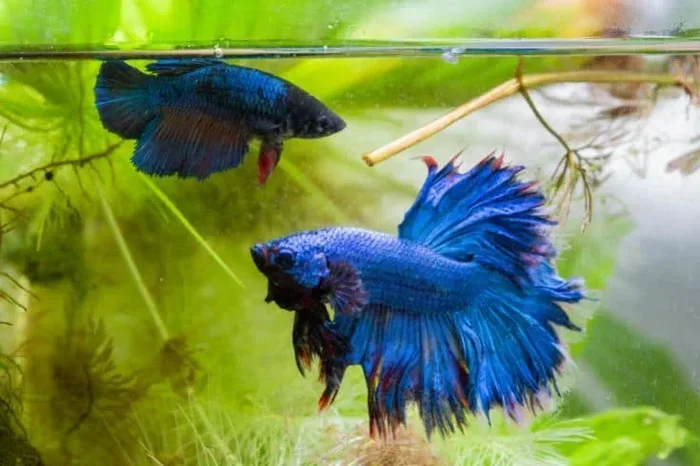
Watch their interaction closely. The male will wrap his body around the female to stimulate egg release. This process happens quickly — sometimes in seconds. The male will then collect the eggs and place them in the bubble nest.
Quick Tips for a Smooth Introduction
- Don’t leave the fish unattended during the first introduction.
- If the male becomes too aggressive, remove the female immediately.
- Keep the lights dim — bright lights can stress the fish.
- Maintain a calm environment with no sudden movements near the tank.
Some people also like to watch breeding tutorials on video to see the process in action. If you’re curious, our how to breed betta fish YouTube guide links to some excellent visual resources.
Step 4: Handle the Eggs and Fry
After the male collects the eggs in the bubble nest, remove the female. She has done her job and could become a target for the male’s aggression. The male will carefully tend to the nest and the eggs for the next 24 to 48 hours.
Caring for the Eggs
Keep the water temperature stable during this period. Avoid making any loud noises or vibrations near the tank. The male will retrieve any eggs that fall from the nest and place them back. This is fascinating to watch.
When the Fry Hatch
After about two days, tiny fry will hatch from the eggs. At this stage, remove the male from the tank — he may eat the fry. The fry are extremely small and need special care. Feed them infusoria or liquid fry food for the first week. Gradually introduce baby brine shrimp as they grow.
Keeping the water clean is critical during this stage. Perform small water changes daily to maintain quality. For tips on water changes, check out our guide on how to change water in betta fish tank.
Common Mistakes to Avoid
Even with the best intentions, mistakes happen. Here are the most common ones new breeders make — and how to avoid them.
Skipping the Quarantine
Never introduce new fish directly into the breeding tank without quarantining them first. This prevents diseases from spreading and protects both the adult fish and the fry.
Wrong Water Temperature
Cold water kills breeding motivation. Betta fish need warm water to breed successfully. Use a reliable heater and monitor the temperature daily.
Overfeeding
Too much food fouls the water quickly. Feed the fish small amounts twice a day. Remove any uneaten food within a few minutes.
Ignoring Aggression
If the male shows extreme aggression toward the female, separate them immediately. Some males are too aggressive and can injure or kill the female.
Expert Tips for Faster Breeding Success
Want to improve your results? Here are some expert-backed tips that make a real difference.
- Condition the fish before breeding. Feed both the male and female high-quality food for two weeks before introducing them. This prepares their bodies for reproduction.
- Use a mirror trick. Placing a mirror near the tank can stimulate the male’s breeding behavior temporarily. Just don’t leave it for too long.
- Keep the tank dark. Dim lighting reduces stress and encourages the male to build a better bubble nest.
- Be patient. Sometimes breeding takes a few attempts. Don’t get discouraged if it doesn’t work the first time.
- Research color genetics. If you’re breeding for specific colors, learn about betta fish genetics. This helps you plan pairings that produce desired traits.
For a broader overview of the entire breeding process, our comprehensive how to breed betta fish article covers every aspect in great detail.
Final Thoughts
How to breed betta fish in two minutes is really about working smart, not hard. By following these steps — choosing healthy fish, setting up the right tank, introducing the pair correctly, and caring for the eggs — you set yourself up for success. The process is quicker than most people think, and the rewards are incredible.
Remember, every breeding experience teaches you something new. Don’t be afraid to experiment and learn from each attempt. With the right knowledge and a little practice, you’ll be breeding betta fish like a pro in no time. Start today, and enjoy the journey of bringing new life into your aquarium.
Happy breeding, and may your bubble nests be strong and your fry healthy!
Frequently Asked Questions
Can you really breed betta fish in two minutes?
The two-minute timeframe refers to the quick setup and introduction process. The actual breeding act happens fast once the fish are ready. However, the full process from setup to fry care takes several days. The two-minute method focuses on getting the essentials done quickly so you can start the breeding process without delay.
What is the best age for betta fish to breed?
Both male and female betta fish should be at least 4 to 6 months old before breeding. Breeding too early can lead to health complications and weak fry. Older, well-conditioned fish tend to produce healthier offspring and better breeding results.
How do I know if my female betta fish is ready to breed?
Look for a white egg spot on her underside and a plump, rounded body. Her colors should be vibrant, and she should be active and healthy. For a detailed guide on identifying ready females, you can refer to resources on finding female betta fish ready to breed.
What should I feed betta fish fry?
Start with infusoria or liquid fry food for the first week. As the fry grow, introduce baby brine shrimp and micro worms. Feed small amounts multiple times a day and remove any uneaten food to keep the water clean.
Why did my male betta fish eat the eggs?
This can happen if the male is inexperienced or stressed. Poor water conditions or too much disturbance near the tank can trigger this behavior. Ensure stable water parameters and a calm environment to reduce the chances of the male consuming the eggs.
Do I need a separate breeding tank?
Yes, a separate breeding tank is highly recommended. It gives you control over water conditions and protects both the female and the fry from aggression. A small 5 to 10 gallon tank with a heater and sponge filter works perfectly for breeding betta fish.