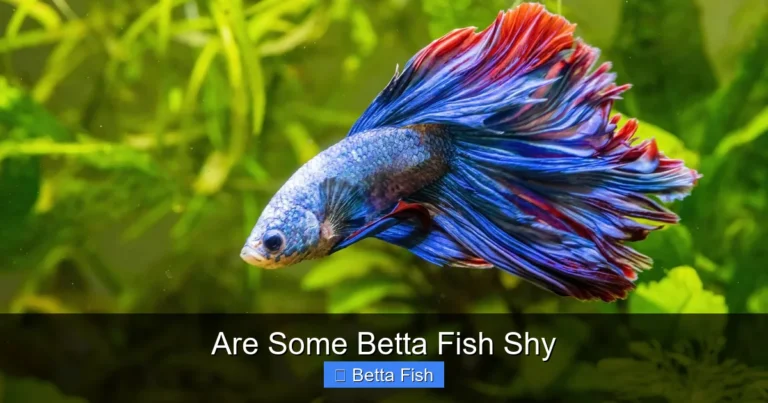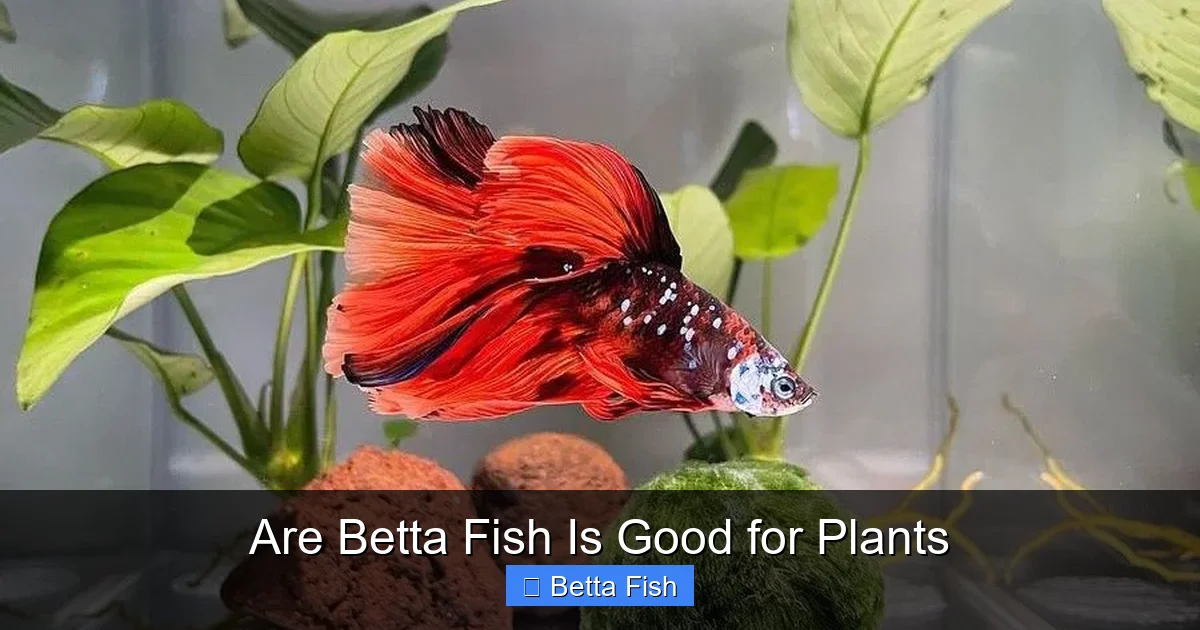
Are Betta Fish Is Good for Plants
Betta fish can coexist beautifully with live plants when you choose the right species and maintain proper water conditions. By providing hiding spots, natural filtration, and a balanced diet, both your betta and plants will thrive together.
Key Takeaways
- Compatibility: Most bettas do well with sturdy, low‑maintenance plants.
- Water Quality: Live plants improve water parameters, which benefits betta health.
- Tank Size: A minimum of 5 gallons gives space for both fish and foliage.
- Plant Choice: Choose slow‑growing, root‑bound species to prevent leaf nibbling.
- Maintenance: Regular pruning and water changes keep the ecosystem balanced.
- Lighting: Moderate lighting supports plant growth without stressing the betta.
- Benefits: Plants provide hiding spots, reduce stress, and help control algae.
📑 Table of Contents
- Introduction: Why Pair Betta Fish with Live Plants?
- How Betta Fish Interact with Live Plants
- Choosing the Right Plants for a Betta Tank
- Setting Up a Planted Betta Tank
- Potential Challenges and How to Solve Them
- Benefits of a Planted Betta Habitat
- Maintenance Routine for a Healthy Planted Tank
- Conclusion: A Balanced Ecosystem Is Within Reach
Introduction: Why Pair Betta Fish with Live Plants?
If you’ve ever watched a betta flare its fins in a bare plastic bowl, you know the environment can look lonely. Adding live plants transforms that stark space into a vibrant underwater garden. Not only does it look gorgeous, but plants also act like natural roommates – they clean the water, offer hiding spots, and create a more natural feel for your finned friend.
But the big question many beginners ask is: are betta fish good for plants? The short answer is yes, as long as you pick the right plants and maintain a healthy tank. In this guide we’ll walk through the science, the best plant choices, set‑up tips, and common pitfalls to avoid. By the end, you’ll feel confident creating a thriving planted betta tank that both you and your fish will love.
How Betta Fish Interact with Live Plants
Natural behavior and plant use
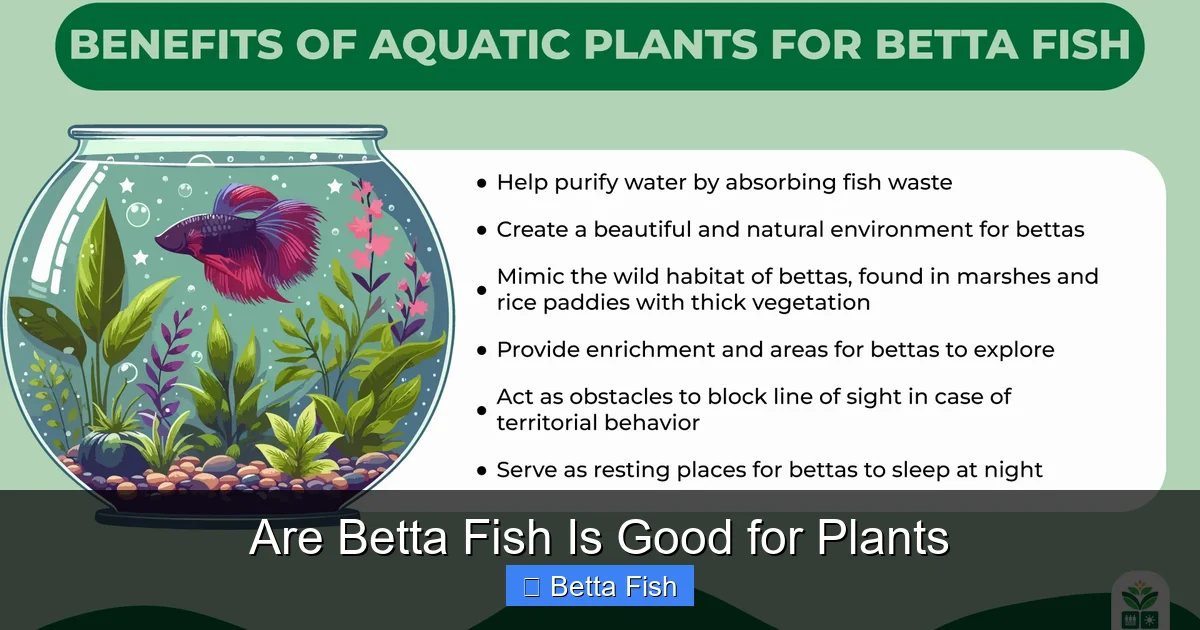
Bettas are native to shallow, vegetation‑rich waters of Southeast Asia. In the wild they weave through roots, stalks, and floating leaves to hunt insects and escape predators. In a home aquarium, plants become their version of “underwater furniture.” They provide:
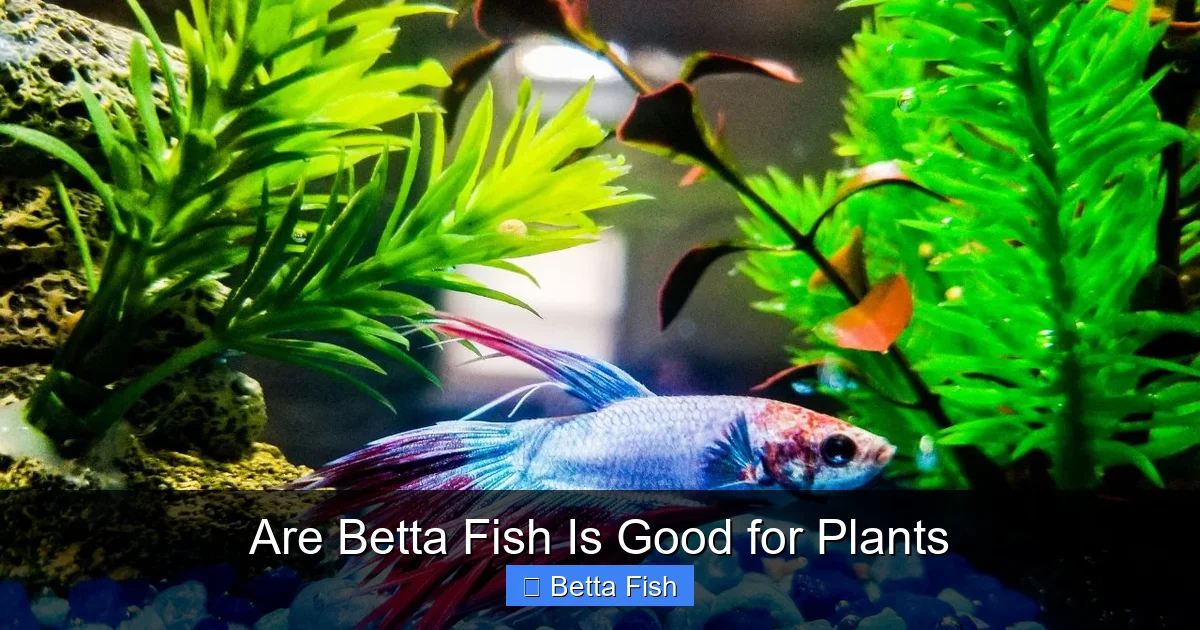
Visual guide about Are Betta Fish Is Good for Plants
Image source: agribotix.com
- Cover: A shy betta will dart into dense foliage when stressed.
- Territorial markers: Plants help define personal space, reducing aggression.
- Foraging opportunities: Tiny crustaceans and bio‑film grow on leaves, giving supplemental nutrition.
Plants benefit the betta too
Live plants perform photosynthesis, absorbing nitrates and carbon dioxide while releasing oxygen. This natural filtration lowers ammonia spikes, a common cause of stress and disease in bettas. Moreover, a well‑planted tank often has less algae, meaning a cleaner view for you and a healthier environment for your fish.
Choosing the Right Plants for a Betta Tank
Criteria for plant selection
When deciding which plants to add, keep these factors in mind:
Visual guide about Are Betta Fish Is Good for Plants
Image source: a-z-animals.com
- Leaf hardness: Bettas may nibble softer leaves, so choose tougher foliage.
- Growth rate: Fast growers can outcompete the betta for nutrients, leading to algae.
- Root system: Plants with shallow roots are easier to anchor in small substrates.
- Lighting needs: Moderate light is ideal; too much can stress the fish.
Top plant picks
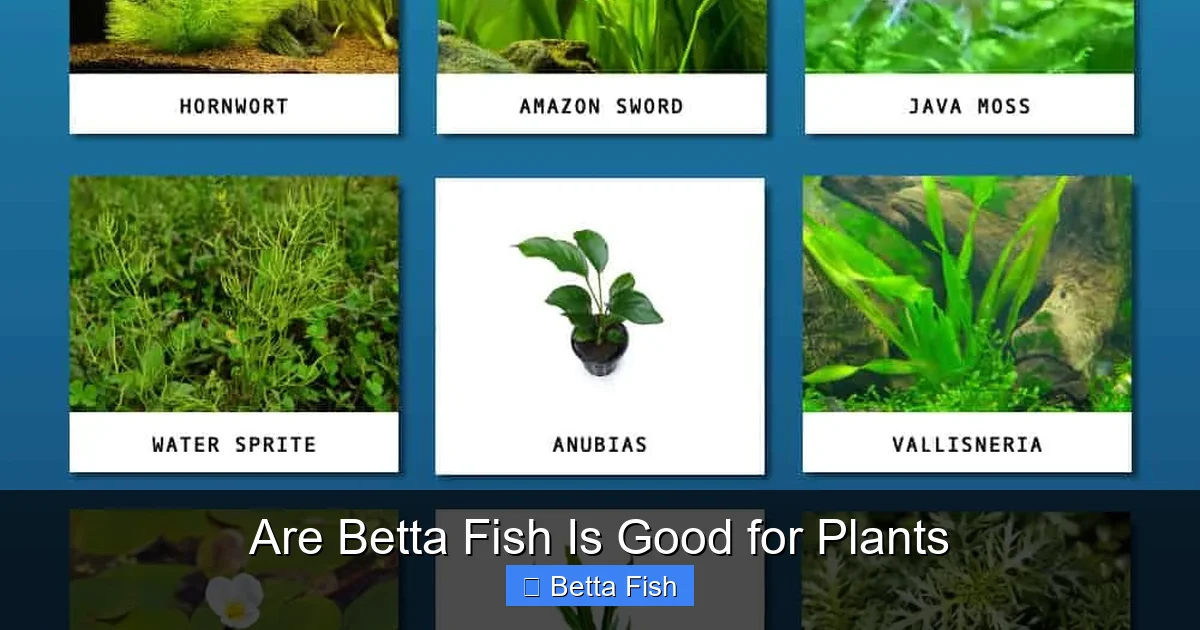
Here are five tried‑and‑true options that work well with bettas:
- Java Fern (Microsorum pteropus): Hardy, attaches to rocks, and has tough leaves.
- Anubias nana: Slow‑growing, tolerates low light, and its broad leaves are betta‑safe.
- Marimo Moss Balls: Fun to watch, provide gentle water movement, and are not edible.
- Cryptocoryne wendtii: Offers a splash of color, tolerates a range of pH levels.
- Hornwort (Ceratophyllum demersum): Floats freely, creating a natural canopy without root attachment.
For a deeper dive into plant choices, see our article Which Live Plants Are Good For Betta Fish.
Setting Up a Planted Betta Tank
Tank size and shape
While bettas can survive in 2‑gallon bowls, a planted setup needs room to breathe. Aim for at least 5 gallons; this gives enough water volume to dilute waste and space for roots. A rectangular tank with a wide front view showcases the greenery and the betta’s flamboyant fins.
Visual guide about Are Betta Fish Is Good for Plants
Image source: agribotix.com
Substrate and planting technique
Use a fine‑grained substrate mixed with a layer of nutrient‑rich soil. This encourages root growth for plants like Anubias and Cryptocoryne. Plant taller species at the back and short foreground plants near the front to create depth.
Lighting and CO₂
Moderate LED lighting (2–3 watts per gallon) is sufficient for the low‑light plants listed above. Adding CO₂ is optional; most betta‑friendly plants thrive without it. Keep the light cycle to 8–10 hours a day to prevent excessive algae.
Filtration and water flow
A gentle sponge filter works wonders. It provides biological filtration without creating a strong current that could stress the betta. Remember to change water regularly—about 25% weekly—to keep parameters stable.
Introducing the betta
After the plants have settled (usually 1–2 weeks), slowly acclimate your betta by floating the bag in the tank for 15 minutes, then gradually mixing tank water into the bag. Release the fish near a piece of foliage so it can immediately find a hiding spot.
Potential Challenges and How to Solve Them
Leaf nibbling
Some bettas enjoy nibbling on soft leaves, especially when they’re hungry. To curb this, feed a balanced diet with high‑protein pellets and occasional frozen or live foods. A well‑fed betta is less likely to munch on plants.
Check out Which Food Is Best For Betta Fish for feeding ideas.
Algae overgrowth
Algae can appear if there’s too much light or excess nutrients. Reduce lighting time, trim fast‑growing plants, and perform regular water changes. Adding a few fast‑growing stem plants like Hygrophila can out‑compete algae for nutrients.
Water parameter swings
Plants help stabilize pH and temperature, but a sudden temperature drop can shock both fish and foliage. Keep the tank between 76–82°F (24–28°C) and use a reliable heater. For detailed temperature guidance, see What Temperature Should Water Be For A Betta Fish.
Choosing the right tank size
If you’re unsure about tank dimensions, our guide What Is A Good Size Tank For A Betta Fish breaks down the options based on space and budget.
Benefits of a Planted Betta Habitat
Stress reduction
Studies show that fish kept with live plants exhibit lower cortisol levels, meaning they’re less stressed. A calm betta displays brighter colors and more natural behavior.
Natural filtration
Plants absorb nitrates, reducing the need for heavy filtration. This creates a gentler water flow, ideal for bettas that prefer calm waters.
Enhanced aesthetics
There’s nothing like watching a betta glide through a forest of emerald leaves. A planted tank becomes a living piece of art that draws compliments from guests.
Maintenance Routine for a Healthy Planted Tank
Weekly tasks
- Trim dead or yellowing leaves.
- Check water parameters (ammonia, nitrite, nitrate, pH).
- Replace 20–25% of the water with conditioned water.
- Top up evaporated water to maintain level.
Monthly tasks
- Re‑plant any uprooted specimens.
- Clean the filter media (rinse in tank water, not tap water).
- Inspect roots for decay; remove affected plants promptly.
Seasonal considerations
During colder months, heating may need adjustment, and plant growth can slow. Reduce fertilization accordingly to prevent nutrient buildup.
Conclusion: A Balanced Ecosystem Is Within Reach
Answering the core question—are betta fish good for plants—the answer is a confident yes, provided you select hardy, low‑maintenance species and maintain stable water conditions. The symbiotic relationship between betta and plants creates a healthier, more engaging aquarium that benefits both parties.
Start small, observe how your betta reacts, and adjust lighting, feeding, and pruning as needed. With a bit of care, you’ll enjoy a lush underwater garden that showcases the betta’s dazzling colors while keeping the water clean and clear. Happy planting!
Frequently Asked Questions
Can betta fish damage live plants?
Yes, some bettas may nibble soft leaves, especially if they’re hungry. Providing a balanced diet and choosing tougher plants reduces this risk.
What are the best low‑light plants for bettas?
Java Fern, Anubias nana, and Cryptocoryne wendtii are excellent choices because they thrive in moderate lighting and have sturdy leaves.
How often should I change the water in a planted betta tank?
Replace about 25% of the water weekly. This helps keep nitrate levels low while preserving beneficial bacteria.
Do I need a heater for a planted betta tank?
Yes. Bettas are tropical fish and need water between 76–82°F (24–28°C). A reliable heater maintains a stable temperature for both fish and plants.
Is CO₂ injection necessary for betta tanks?
Not for the low‑light, slow‑growing plants recommended for bettas. Simple lighting and a good substrate are enough.
Can I keep other fish with a betta in a planted tank?
It’s possible with peaceful, non‑fin‑nipping species like small tetras or rasboras, but always monitor for aggression and ensure enough space.