How to Breed Betta Fish in Captivity
Breeding betta fish in captivity is a rewarding journey that requires the right setup, patience, and knowledge. This guide walks you through every step, from choosing a healthy breeding pair to caring for delicate betta fry. You will learn how to create the perfect environment, spot readiness signs, and raise strong, colorful baby bettas successfully.
Breeding betta fish in captivity can feel intimidating at first. But with the right knowledge and a little patience, anyone can do it successfully. Whether you are a complete beginner or an experienced hobbyist, this guide will walk you through the entire process. You will learn how to prepare your tank, choose the best breeding pair, and raise healthy betta fry from day one.
Betta fish breeding in captivity is not just about putting a male and female together. It requires careful planning, the right water conditions, and attention to detail. Many fish keepers find the process incredibly fulfilling. Watching a male betta build a bubble nest and then care for his fry is truly amazing. Let us dive into everything you need to know.
Key Takeaways
- Choose the right breeding pair: Select healthy male and female bettas that are at least 4 to 6 months old for the best results.
- Set up a dedicated breeding tank: A 10-gallon tank with warm water, gentle filtration, and floating plants creates the ideal breeding environment.
- Watch for bubble nests: A male betta building a bubble nest is a clear sign he is ready to breed.
- Separate the female after spawning: Removing the female protects her from the male’s aggression once eggs are released.
- Feed betta fry properly: Infusoria and baby brine shrimp are essential for healthy fry growth in the first weeks.
- Maintain clean water: Regular small water changes prevent diseases and keep both adult bettas and fry safe.
📑 Table of Contents
- Understanding Betta Fish Breeding in Captivity
- Setting Up the Perfect Breeding Tank
- How to Choose a Healthy Breeding Pair
- The Breeding Process Step by Step
- Caring for Betta Fry
- Common Mistakes to Avoid When Breeding Betta Fish
- Expert Tips for Better Breeding Results
- Final Thoughts on Breeding Betta Fish in Captivity
Understanding Betta Fish Breeding in Captivity
Before you start, it helps to understand how betta fish reproduce. Bettas are labyrinth fish, which means they breathe air from the surface. This unique trait plays a big role in their breeding behavior. In the wild, male bettas build bubble nests on the water surface to protect fertilized eggs.
The betta breeding cycle starts with courtship. The male wraps his body around the female to release eggs. He then collects the eggs and places them in his bubble nest. After spawning, the male takes full responsibility for caring for the eggs and fry. Understanding this natural process is the first step toward successful breeding.
How Old Should Betta Fish Be to Breed?
Age matters a lot when it comes to breeding. Both the male and female should be at least 4 to 6 months old. Breeding bettas too early can cause health problems and reduce fry survival rates. If you are unsure about age, check our guide on how old betta fish to breed for more details. A mature fish is stronger and more likely to produce healthy offspring.
Signs Your Betta Fish Is Ready to Breed
Recognizing readiness signs saves you time and prevents failed attempts. Here are the key indicators:
- The male builds a bubble nest at the water surface.
- The female develops a visible white egg spot on her underside.
- Both fish show increased appetite and energy.
- The female’s body becomes slightly rounder and fuller.
- The male shows flaring behavior toward the female.
If you notice these signs, your bettas are likely ready for the next step. Learning how to find a female betta fish ready to breed is one of the most important skills for any breeder.
Setting Up the Perfect Breeding Tank
A proper tank setup makes all the difference. You cannot breed bettas successfully in a messy or unsuitable environment. The breeding tank should be clean, warm, and stress-free for both fish.
Tank Size and Equipment
A 10-gallon tank works well for breeding bettas. It gives the fish enough space without making the male too spread out to guard his nest. Here is what you need:
- A gentle sponge filter or air-driven filter
- A heater to maintain water temperature at 78 to 80 degrees Fahrenheit
- A lid or cover to keep humidity high above the water
- A small thermometer to monitor temperature daily
Keep the water still and warm. Strong currents stress bettas and can destroy bubble nests. If you want more detailed setup tips, our article on how to breed betta fish in an aquarium covers tank configuration in depth.
Water Parameters for Breeding
Clean water is non-negotiable. Use these parameters as your baseline:
- Temperature: 78 to 80 degrees Fahrenheit
- pH level: 6.5 to 7.0
- Water hardness: Soft to moderately hard
- Ammonia and nitrite: Zero
- Nitrate: Below 20 ppm
Test your water before introducing the fish. Poor water quality is one of the top reasons breeding attempts fail. Always do a small water change a day or two before introducing the breeding pair.
How to Choose a Healthy Breeding Pair
Selecting the right fish is the foundation of successful breeding. Not every pair will work well together. You need healthy, active, and well-conditioned bettas.
What to Look for in a Male Betta
The male should show vibrant colors and long, flowing fins. He should be active and build bubble nests regularly. A healthy male will flare at other males and show strong interest in the female. Avoid males with torn fins, dull coloring, or signs of lethargy.
What to Look for in a Female Betta
The female should be plump but not sickly. Look for a white egg spot on her underside. She should be responsive and not overly aggressive. If you struggle to find a ready female, check out our guide on how to find female betta fish ready to breed. A good female will have horizontal stripes on her body, which signals she is gravid (carrying eggs).
Conditioning the Breeding Pair
Conditioning is the process of preparing both fish for breeding. Feed them high-quality live or frozen foods for 1 to 2 weeks before introducing them. Bloodworms, brine shrimp, and daphnia work great. This boosts their nutrition and encourages spawning behavior.
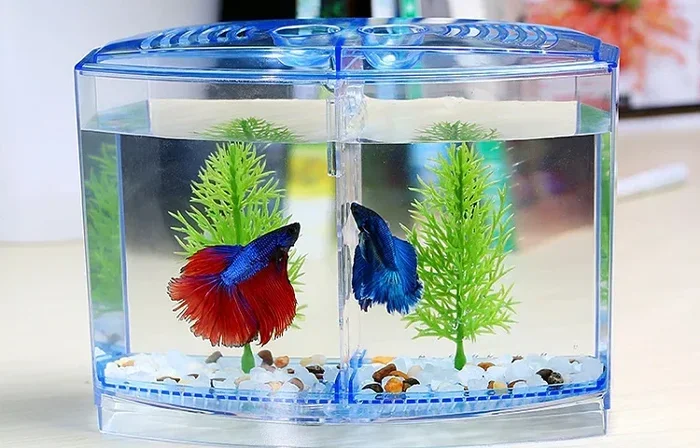
During conditioning, keep the male and female in separate tanks side by side. This lets them see each other and get used to one another. It also reduces shock when you finally introduce them into the breeding tank.
The Breeding Process Step by Step
Once your tank is ready and your pair is conditioned, it is time to introduce them. The breeding process itself is fascinating to watch but requires careful monitoring.
Step 1: Introduce the Pair Slowly
Place the female in the breeding tank first. Let her acclimate for a few hours. Then introduce the male. Watch their interactions closely. Some chasing is normal, but if the female looks injured or overly stressed, remove her immediately.
Step 2: Wait for the Bubble Nest
The male will start building a bubble nest at the water surface. This is a great sign. A strong bubble nest means the male is ready. Do not rush this stage. Let nature take its course. The nest protects the eggs once they are released.
Step 3: Watch the Courtship and Spawning
The male will circle the female and try to wrap his body around hers. This is called spawning. The female releases eggs, and the male fertilizes them immediately. He then collects the eggs and places them in the bubble nest. Spawning can happen multiple times over several hours.
Step 4: Remove the Female After Spawning
This is a critical step. Once the female has released all her eggs, remove her from the tank. The male can become aggressive toward the female after spawning. Leaving her in the tank risks injury. The male will take care of the eggs and fry on his own.
If you want to learn more about this process in detail, our article on how to breed betta fish provides additional tips and visual references.
Caring for Betta Fry
Once the eggs hatch, you enter the most delicate phase of betta breeding. Fry care requires precision and consistency. The first few weeks determine whether your fry survive and grow strong.
What to Expect After Hatching
Betta fry are tiny and almost transparent. They will stay attached to the bubble nest for the first day or two. The male will continuously tend to the nest, picking up fallen eggs and placing them back. Do not disturb the tank during this time.
Feeding Betta Fry
Fry need very small, live foods. Here is a feeding schedule for the first few weeks:
- Days 1 to 3: No external food needed. Fry absorb their yolk sacs.
- Days 3 to 7: Feed infusoria or commercially available fry food.
- Week 2 to 3: Introduce baby brine shrimp and microworms.
- Week 4 and beyond: Gradually shift to crushed flakes and small pellets.
Feed small amounts multiple times a day. Overfeeding can foul the water quickly in a small fry tank. Clean, warm water is just as important as food for fry survival.
Raising Betta Fry Successfully
As the fry grow, you will need to move them to larger containers or tanks. Maintain stable water temperatures and perform frequent small water changes. Watch for any signs of disease. Treating sick fry early greatly improves survival rates.
Raising betta fry is a slow but rewarding process. It can take 3 to 6 months for fry to reach full color and fin development. Patience is your best tool during this stage.
Common Mistakes to Avoid When Breeding Betta Fish
Even experienced fish keepers make mistakes. Knowing what to avoid saves time, money, and fish lives. Here are the most common errors breeders make:
Skipping the Conditioning Phase
Many beginners rush into breeding without properly conditioning the pair. Underfed or unhealthy fish produce fewer eggs and weaker fry. Always spend at least 1 to 2 weeks on conditioning.
Using a Tank That Is Too Large or Too Small
An oversized tank makes it hard for the male to guard the nest. A tank that is too small creates stress and poor water quality. Stick to a 10-gallon breeding tank for the best results.
Forgetting to Remove the Female After Spawning
This mistake leads to injuries and sometimes death of the female. The male becomes protective and aggressive after spawning. Always have a separate tank ready for the female before you start.
Neglecting Water Quality
Dirty water kills fry faster than almost anything else. Perform 10 to 20 percent water changes every other day. Use a turkey baster to remove waste from the tank bottom without disturbing the fry.
Overfeeding the Fry
It is tempting to feed fry a lot because they eat constantly. But excess food rots quickly and spikes ammonia levels. Feed tiny amounts 4 to 5 times a day and remove any uneaten food within minutes.
Expert Tips for Better Breeding Results
Here are some insider tips that experienced breeders swear by:
- Use RO (reverse osmosis) water mixed with a remineralizer for the softest, cleanest water.
- Dim the lights slightly during breeding to reduce stress and encourage bubble nest building.
- Keep a backup tank ready at all times in case you need to separate fish quickly.
- Record the breeding date so you can track fry development and feeding milestones.
- Do not breed the same pair repeatedly. Rotate pairs to maintain genetic diversity and fish health.
Following these tips consistently will improve your success rate significantly. Breeding betta fish is as much an art as it is a science. Every attempt teaches you something new.
Final Thoughts on Breeding Betta Fish in Captivity
Breeding betta fish in captivity is one of the most satisfying experiences in the aquarium hobby. It requires preparation, observation, and consistent care. From setting up the perfect breeding tank to raising tiny fry into beautiful adults, every step matters. Start with healthy fish, maintain excellent water quality, and be patient with the process.
Remember that not every breeding attempt will be perfect. Even seasoned breeders experience failed spawns or low fry survival. What matters is learning from each attempt and improving over time. With the knowledge you have gained from this guide, you are well on your way to becoming a successful betta breeder.
Start small, stay consistent, and enjoy the journey. The reward of watching a healthy batch of betta fry grow into stunning adults is something you will never forget.
Frequently Asked Questions
How long does it take for betta fish eggs to hatch?
Betta fish eggs typically hatch within 24 to 48 hours after spawning. The male betta keeps the eggs in his bubble nest during this time. Once hatched, the fry will stay in the nest for another day or two before becoming free-swimming.
Can you breed betta fish in a bowl?
It is possible but not recommended. A bowl does not provide enough space, proper filtration, or stable water conditions for breeding. A dedicated 10-gallon breeding tank gives both the adult fish and the fry the best chance of survival and healthy growth.
How many eggs does a female betta fish lay at once?
A female betta can lay anywhere from 30 to 100 eggs per spawning session. The number depends on her age, health, and how well she has been conditioned. Not all eggs will be fertilized, and not all fry will survive to adulthood.
Why did my male betta eat his eggs or fry?
Male bettas sometimes eat their eggs or fry if they are inexperienced or stressed. Poor water quality, too much disturbance, or an unsuitable tank setup can trigger this behavior. Experienced breeders often remove the male once the fry become free-swimming to prevent this.
What should I feed betta fry in the first week?
In the first week, betta fry do not need external food because they absorb their yolk sacs. After that, start with infusoria or liquid fry food. As they grow, gradually introduce baby brine shrimp and microworms for proper nutrition and growth.
Is breeding betta fish in captivity difficult for beginners?
Breeding bettas is moderately challenging for beginners but very doable with preparation. Focus on understanding water parameters, choosing healthy fish, and setting up a proper breeding tank. Start with a simple setup and learn as you go. Each breeding cycle will make you more confident and skilled.
=== CONCLUSION ===
Breeding betta fish in captivity is a fulfilling journey that every betta enthusiast should try at least once. From choosing the right breeding pair to setting up the perfect tank and raising healthy fry, each step builds your skills and confidence. The key is patience, consistency, and a genuine love for these beautiful fish. Follow the tips in this guide, avoid common mistakes, and you will be well on your way to successful betta breeding. Happy breeding!