How to Tell Your Betta Fish Is Happy
Knowing how to tell your betta fish is happy starts with watching their colors, appetite, and activity levels. A happy betta shows bright colors, smooth fins, and eager swimming. This guide covers every sign of a happy betta fish so you can keep your pet healthy and thriving.
Your betta fish brings color and calm to your home. But how do you know if your betta fish is truly happy? It is not just about keeping the water clean. There are clear signs of a happy betta you can watch for every single day.
Understanding betta fish behavior helps you become a better owner. When your fish is happy, they show it through their colors, movement, eating habits, and even bubble nests. This guide walks you through every happy betta sign so you can confidently care for your finned friend.
Whether you are a new betta parent or have had fish for years, this article gives you practical betta fish care tips. You will learn what to look for, what to avoid, and how to create a tank setup that keeps your betta joyful. Let us dive right in.
Key Takeaways
- Vibrant colors and smooth fins are the top visual signs of a happy betta fish.
- A healthy appetite and active swimming show your betta is feeling great.
- Bubble nests and playful behavior are strong indicators of betta fish happiness.
- A clean tank and proper diet play a huge role in keeping your betta content.
- Recognizing signs of stress early helps you fix problems before they worsen.
- Building a bond with your betta enhances both your experience and their well-being.
📑 Table of Contents
Why Recognizing Happy Betta Behavior Matters
Bettas are expressive creatures. They may not bark or wag a tail, but they communicate constantly. A happy betta fish displays specific behaviors that set them apart from a stressed or sick fish. Recognizing these signs early helps you act fast.
When you know what normal looks like, anything unusual stands out. This is why betta fish health monitoring starts with observation. Spend a few minutes each day watching your fish. You will pick up on patterns quickly.
A stressed betta can get sick fast. But a content betta lives a long, vibrant life. The difference often comes down to one simple thing: you noticing the signs early.
Visual Signs Your Betta Fish Is Happy
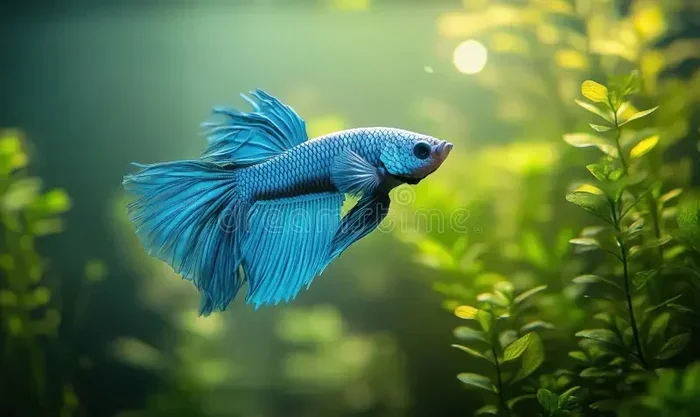
The easiest way to check on your betta is by looking at them. A happy betta has bright, vivid colors. Their fins flow smoothly without clamping or tearing. Here are the key visual markers to watch for:
- Bright, vibrant scales — reds, blues, and greens look intense and lively.
- Smooth, flowing fins — no fraying, curling, or pinching.
- Open, alert eyes — your betta should respond to movement near the tank.
- Full body shape — a happy betta looks plump and well-fed, not thin or bloated.
If your betta’s colors look dull or their fins look tattered, that is a warning sign. Check water conditions and look for other symptoms. Sometimes betta fish color changes happen naturally with age, but sudden fading usually means something is wrong.
Activity and Movement Signs of a Happy Betta
A happy betta fish is an active betta. They explore their tank, swim around plants, and interact with their environment. Here is what to expect from your betta’s daily movement:
- Curious swimming — your betta checks out new objects or decorations in the tank.
- Flaring fins briefly — bettas flare when they see their reflection or nearby movement. This is normal and shows alertness.
- Building bubble nests — male bettas blow bubbles at the surface. A bubble nest means your betta feels safe and ready to breed.
- Resting comfortably — bettas sleep too. A happy betta rests on plants or the tank floor and then wakes up energized.
Watch out for lethargy. If your betta stays at the bottom and barely moves, something may be off. Also, if your fish constantly rubs against rocks or hides all the time, that is not normal betta fish activity. It could signal stress or illness.
Appetite and Feeding: A Key Happiness Indicator
Every betta owner knows that bettas love food. A healthy appetite is one of the strongest signs of a happy betta. When mealtime comes around, your fish should swim to the top with excitement.
Here is what good betta fish feeding looks like:
- Eager eating — your betta swims toward food immediately.
- Finishing meals — a happy betta eats everything you offer within a few minutes.
- Accepting variety — bettas enjoy pellets, frozen bloodworms, and brine shrimp.
Overfeeding is a common mistake. Feed your betta small amounts twice a day. A balanced betta diet keeps their energy up and their colors bright. If your fish refuses food for more than two days, check the water temperature and quality. Sometimes a simple water change solves the problem.
Best Foods for a Happy Betta
Not all fish food is created equal. Bettas are carnivores. They need protein-rich meals to stay healthy and happy. Here are the best food options:
| Food Type | Benefits | Feeding Frequency |
|---|---|---|
| High-quality pellets | Complete nutrition, easy to portion | Daily |
| Frozen bloodworms | Rich protein, great treat | 2-3 times per week |
| Brine shrimp | Boosts energy and color | 2-3 times per week |
| Daphnia | aids digestion | Once a week |
Variety keeps mealtime interesting. Just like how to make your betta fish happy involves more than just food, feeding is one piece of the puzzle. Combine a good diet with a clean tank and stimulating environment for the best results.
The Role of Tank Setup in Betta Happiness
Your betta’s tank is their entire world. A poorly set up tank causes stress, even if you feed them perfectly. A well-designed tank promotes natural betta fish behavior and keeps your fish feeling safe.
Tank Size and Water Conditions
Many people think bettas thrive in tiny bowls. This is a myth. Bettas need at least a 5-gallon tank to stay healthy. Here are the key water parameters to maintain:
- Temperature: 76-82°F (24-28°C). Use a heater to keep it stable.
- pH level: Between 6.5 and 7.5.
- Ammonia and nitrite: Must be at zero. These are toxic to fish.
- Nitrate: Keep below 20 ppm with regular water changes.
Unstable water conditions are the number one cause of betta stress. Test your water weekly with a simple aquarium test kit. A few minutes of testing can prevent serious health problems.
Decorations and Enrichment
Bettas love to explore. Adding plants, caves, and open swimming space makes a big difference. Live plants like java fern and anubias are perfect because they also help keep the water clean. You can learn more about how to decorate your betta fish tank to create a stimulating and beautiful habitat.
Avoid sharp decorations. Bettas have long, delicate fins that can tear on rough surfaces. Smooth rocks, soft plants, and gentle lighting create a calm atmosphere that supports betta fish happiness.
Building a Bond With Your Betta Fish
Bettas are smarter than most people think. They can recognize their owner and respond to presence. Building a bond with your betta adds joy to both your lives. A bonded betta often shows more relaxed and playful behavior.
Start by spending time near the tank. Talk to your fish gently. They will get used to your voice and presence. You can also try how to teach your betta fish to do tricks like following your finger or swimming through hoops. These activities stimulate their mind and build trust.
Some owners even play games with their betta fish using small mirrors or floating objects. Just keep sessions short. Five to ten minutes a day is plenty. Overstimulation can stress your fish out, so always watch for signs of fatigue.
For more ideas on strengthening your connection, check out how to grow a bond with your betta fish. The relationship you build with your fish is one of the most rewarding parts of fish ownership.
Common Mistakes That Make Bettas Unhappy
Even loving owners make mistakes. Being aware of common errors helps you avoid them. Here are the top things that reduce betta fish happiness:
- Keeping bettas in tiny bowls — lack of space causes chronic stress.
- Ignoring water changes — dirty water leads to illness and low energy.
- Overfeeding — this causes bloating and poor water quality.
- Placing the tank near loud noises — vibrations stress bettas out.
- Using aggressive tank mates — bettas are solitary and can be territorial.
If you notice any of these issues, fix them slowly. Sudden changes in the tank can shock your fish. Make one adjustment at a time and monitor your betta’s response.
How to Tell the Difference Between Happy and Sick Behavior
Sometimes it is hard to tell if your betta is just resting or actually unwell. A happy betta will have bright colors, eat eagerly, and swim with purpose. A sick betta often looks pale, stays in one spot, or refuses food.
If you are unsure, check your water parameters first. Poor water is the most common cause of betta illness. You can also read more about how to tell if your betta fish is sick to learn about specific symptoms and treatments.
Quick tip: keep a simple log of your betta’s behavior. Note eating habits, swimming patterns, and color changes. This log helps you spot trends early and catch problems before they become serious.
Final Thoughts on Keeping Your Betta Fish Happy
Learning how to tell your betta fish is happy is the foundation of great fish care. Your betta communicates through colors, movement, appetite, and bubble nests. When you pay attention to these signals, you create a thriving environment for your fish.
Start with the basics: clean water, proper diet, and a stimulating tank. Then build on that with bonding time and careful observation. Your betta will reward you with vibrant colors and lively behavior every single day.
Remember, a happy betta is a healthy betta. Take what you learned here and put it into practice today. Your fish will thank you for it.
Frequently Asked Questions
How can I tell if my betta fish is happy?
Look for bright colors, smooth fins, active swimming, and a healthy appetite. A happy betta also builds bubble nests and explores their tank with curiosity. These are the most reliable signs of a happy betta fish you can watch for daily.
What does a happy betta fish look like?
A happy betta has vivid, intense colors and flowing fins that are not clamped or torn. Their eyes look open and alert, and their body appears full and well-fed. They swim around the tank with purpose and energy rather than staying still.
Do betta fish show happiness through bubble nests?
Yes, building bubble nests is a strong sign that a male betta feels safe and content. It means the water conditions are good and the fish is in a positive state of mind. Even male bettas who are not breeding will build nests when they are happy.
How often should I check my betta fish behavior?
Watch your betta for a few minutes every day. Daily observation helps you notice changes in appetite, color, or movement quickly. Weekly water tests also support betta fish health by catching problems early.
Can a betta fish be happy in a small tank?
Bettas need at least a 5-gallon tank to truly thrive. Small bowls restrict movement and cause stress over time. A properly sized tank with plants and decorations gives your betta the space they need to stay active and content.
What should I do if my betta fish seems unhappy?
First, test the water parameters. Unstable temperature or high ammonia is the most common cause of betta stress. Then check for signs of illness like clamped fins or loss of appetite. You can also learn more about how to make your betta fish healthy again to address specific issues.