Is Using Baking Soda Okay for Betta Fish
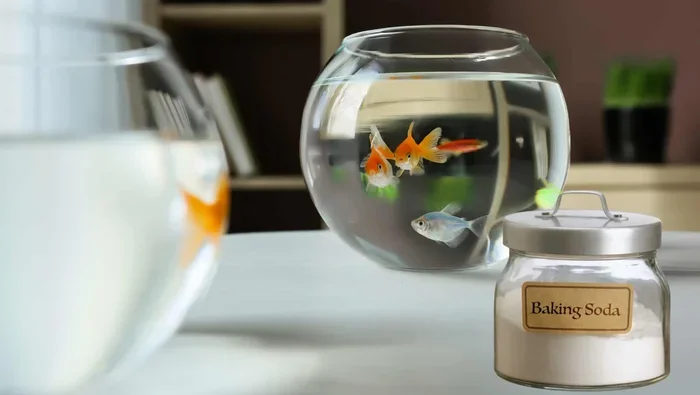
Using baking soda in a betta fish tank is risky and generally not recommended. While it can temporarily raise pH levels, it can also cause harmful water chemistry swings that stress or endanger your fish. There are much safer and more reliable ways to maintain a healthy aquarium environment for your betta.
Many betta fish owners face the same question at some point: is using baking soda okay for betta fish? Maybe you heard about someone using it to adjust their tank water. Or perhaps you’re looking for a quick and cheap fix for a pH problem. Whatever the reason, this topic deserves a honest and thorough look.
The short answer is no. Baking soda is not a safe or reliable option for your betta fish tank. While it can change your water chemistry fast, it does so in a way that can seriously harm your fish. In this article, we will explore exactly why baking soda is risky, what it does to your aquarium water, and what you should use instead. By the end, you will have a clear picture of how to keep your betta safe and healthy.
Key Takeaways
- Baking soda can spike pH levels quickly: This sudden change is dangerous for betta fish, which thrive in stable water conditions.
- It is not a fish-safe product: Baking soda is designed for household cleaning, not aquarium use, and lacks the precision needed for fish tanks.
- Safer alternatives exist: Products like driftwood, peat moss, and commercial pH buffers offer controlled and gentle adjustments.
- Water testing is essential: Always monitor your tank’s pH and other parameters before making any changes to your betta’s environment.
- Baking soda has been used for euthanasia: This is a serious and sensitive topic, and it should only be considered under veterinary guidance.
- Stability matters more than numbers: A consistent pH is more important for betta health than hitting a specific target number.
📑 Table of Contents
- What Happens When You Add Baking Soda to a Betta Tank
- Why Betta Fish Need Stable Water Conditions
- Common Reasons People Use Baking Soda in Aquariums
- Safer Alternatives to Baking Soda for pH Adjustment
- What to Do If You Already Added Baking Soda
- Baking Soda and Betta Fish: The Euthanasia Connection
- Expert Tips for Keeping Your Betta Fish Tank Safe
- Key Takeaways
- Conclusion
What Happens When You Add Baking Soda to a Betta Tank
Baking soda is sodium bicarbonate. It is a common household item used for cleaning, deodorizing, and baking. When you add it to water, it raises the pH level. This means the water becomes more alkaline. For a human household, this is perfectly fine. But for a betta fish, it is a different story entirely.
The pH Spike Problem
Betta fish live best in water with a pH between 6.5 and 7.5. This is a slightly acidic to neutral range. When you add baking soda to aquarium water, the pH can jump up very fast. This rapid change is called a pH shock. Even a small spike can cause extreme stress to your fish.
Think of it this way. Imagine you are sitting comfortably in your living room. Suddenly, someone cranks the heat all the way up in seconds. You would feel overwhelmed and distressed. That is what baking soda does to a betta’s environment. The water changes too fast for your fish to adjust.
How Baking Soda Affects Water Chemistry
Baking soda does more than just change pH. It also affects the total dissolved solids in your water. It can alter the carbonate hardness, or KH, of your tank. These are all important factors that work together to create a stable environment. When you toss in baking soda, you are throwing all of these balances off at once.
Here is what can go wrong:
- pH swings: The water becomes unstable, fluctuating between high and low levels throughout the day.
- Alkalinity spikes: The buffering capacity of the water changes, making it harder to control pH over time.
- Stress on fish: Your betta may show signs of distress like clamped fins, rapid breathing, or hiding.
- Harm to beneficial bacteria: The good bacteria in your filter and substrate can be damaged, leading to ammonia spikes.
All of these issues can build on each other quickly. What starts as a small change can turn into a serious problem for your betta’s health.
Why Betta Fish Need Stable Water Conditions
Betta fish are tropical freshwater fish that come from warm, slow-moving waters in Southeast Asia. They are used to relatively stable environments. In the wild, their water parameters change slowly over time. They can adapt to gradual shifts. But sudden changes are what they cannot handle.
The Importance of Water Stability
When people ask about using baking soda for betta fish, they are often trying to fix a pH problem. But the real issue is usually instability. A tank with a pH of 7.0 that stays steady is far better than a tank that bounces between 6.5 and 8.0. Stability is the most important factor in betta fish care.
Here are the key water parameters you should monitor regularly:
- pH level: Aim for 6.5 to 7.5 for optimal health.
- Temperature: Keep the water between 76°F and 82°F (24°C to 28°C).
- Ammonia and nitrite: Both should be at 0 ppm. Any level above this is toxic.
- Nitrate: Keep below 20 ppm through regular water changes.
- KH (carbonate hardness): This helps buffer pH and keep it from swinging wildly.
If any of these parameters are off, the right fix is a gradual and controlled adjustment. Baking soda does not offer that kind of control. It is too strong and too unpredictable for a living creature like your betta.
Common Reasons People Use Baking Soda in Aquariums
Before we dive into safer alternatives, let us look at why people even consider using baking soda in the first place. Understanding the motivation helps you find the right solution.
Raising pH Quickly
This is the most common reason. Some owners test their water and find the pH is too low. They want a fast fix, and baking soda is cheap and easy to find. But quick fixes are rarely safe in aquariums. A sudden pH increase can be just as deadly as a low pH over time.
Cleaning or Cycling a Tank
Some people use baking soda to clean tank decorations or to help cycle a new tank. While baking soda is a decent cleaning agent for household items, it has no place inside a fish tank where your betta lives. Residue can remain on surfaces and leach into the water.
Treating Specific Water Conditions
In rare cases, someone might read online advice suggesting baking soda as a treatment for certain water conditions. This is outdated and unreliable information. Modern aquarium science has far better and safer tools for managing water quality.
Safer Alternatives to Baking Soda for pH Adjustment
If you need to adjust your tank’s pH, there are much better and safer options. These alternatives give you precise control and keep your betta fish water chemistry stable. Let us look at the best ones.
Driftwood
Adding driftwood to your tank is one of the most natural ways to lower pH gently. As the wood breaks down slowly, it releases tannins that soften the water and lower the pH over time. This is a gradual process, which is exactly what your betta needs. Plus, driftwood looks great in a betta tank and provides hiding spots.
Peat Moss
Peat moss works similarly to driftwood. You can place it in your filter or in a mesh bag inside the tank. It releases natural acids that gently lower pH. This method is slow and steady, making it safe for sensitive fish like bettas.
Commercial pH Buffers
Products made specifically for aquariums are designed to adjust pH safely. Brands like Seachem and API make pH up and pH down solutions that are fish safe when used correctly. These products are formulated to make small, controlled changes rather than dramatic spikes.
Always follow the instructions on the bottle and test your water after each adjustment. A slow and steady approach is always the best approach for your betta’s health.
Regular Water Changes
Sometimes the best way to maintain good water quality is the simplest one. Regular water changes with properly treated water can keep your pH in the ideal range without any additives. Use a water conditioner that removes chlorine and chloramine, and always match the temperature of the new water to your tank water.
What to Do If You Already Added Baking Soda
If you have already added baking soda to your betta tank, do not panic. But do act quickly. The first step is to test the water. Check the pH, KH, and ammonia levels right away. If the pH has spiked above 8.0, your fish is in danger.
Here is what you should do next:
- Perform a large water change: Replace 50% or more of the tank water with treated, temperature-matched water. This will help dilute the baking soda in the tank.
- Test again after a few hours: Monitor the pH closely. You want to see it come back down to a safe range.
- Watch your fish for signs of stress: Look for gasping at the surface, lethargy, loss of color, or hiding behavior. If you notice any of these signs, take further action.
- Consider adding a pH buffer: A gentle aquarium pH buffer can help stabilize the water after a disruption.
If your betta shows severe signs of distress, contact a fish veterinarian or an experienced aquarium professional immediately. Quick action can make a real difference.
Baking Soda and Betta Fish: The Euthanasia Connection
There is a difficult topic that comes up when people search for baking soda and betta fish. Some sources mention using baking soda as a method for euthanasia. This is a sensitive subject that deserves a respectful and honest discussion.
Baking soda, when used in high concentrations, can cause a betta fish to go through a stressful process before passing. This is not considered a humane method of euthanasia by veterinary standards. If you are ever facing the difficult decision of having to put a betta fish down, the kindest and most recommended approach is to consult with a veterinarian who specializes in fish health.
No pet owner should ever have to make this decision alone, and there are professionals who can guide you through it with compassion and care. Please reach out for help if you are going through this.
Expert Tips for Keeping Your Betta Fish Tank Safe
Prevention is always better than treatment. Here are some expert tips to help you maintain a safe and healthy environment for your betta without needing risky shortcuts like baking soda.
Test Your Water Regularly
Invest in a good liquid test kit. Test strips are okay for quick checks, but liquid kits give you more accurate readings. Test your water at least once a week, and always after a water change. Knowing your water parameters is the foundation of good fish care.
Cycle Your Tank Properly
A fully cycled tank has beneficial bacteria that break down harmful waste. Never add a betta to an uncycled tank. The nitrogen cycle is one of the most important concepts in aquarium keeping, and getting it right from the start prevents so many problems down the road.
Use Fish-Safe Products Only
Everything that goes into your tank should be safe for fish. This includes water conditioners, decorations, and cleaning products. Never use household cleaning agents inside an aquarium. If you are unsure whether a product is safe, look it up or ask an experienced aquarist before using it.
Keep a Maintenance Schedule
Consistency is key. Set a schedule for water changes, filter cleaning, and water testing. Sticking to a routine helps you catch problems early before they become serious. A well-maintained tank is the best defense against water quality issues.
Key Takeaways
- Baking soda is not safe for betta fish tanks: It causes rapid and dangerous pH changes that stress or harm your fish.
- Safer alternatives exist: Driftwood, peat moss, and commercial pH buffers offer gentle and controlled adjustments.
- Water stability matters most: A consistent pH is more important than hitting a specific number.
- Act quickly if you make a mistake: Large water changes and monitoring can help if baking soda is accidentally added.
- Test your water regularly: A good test kit is one of the most important tools for any betta owner.
- Use only fish-safe products: Household items like baking soda have no place in your aquarium.
Conclusion
The question of whether is using baking soda okay for betta fish has a clear answer. It is not okay. Baking soda may seem like a simple and cheap solution, but the risks far outweigh any perceived benefits. The sudden pH changes, water chemistry disruptions, and potential harm to your fish make it a dangerous choice for any responsible aquarium owner.
Your betta fish deserves a safe and stable home. By using proper aquarium products and following tested methods for water maintenance, you can keep your betta healthy and happy for years to come. Always choose gentle, controlled, and fish-safe approaches to managing your tank. Your betta will thank you with vibrant colors, active swimming, and a long, healthy life.
If you ever feel unsure about your water parameters or how to adjust them, reach out to a knowledgeable aquarium professional. Getting the right advice early can save you a lot of trouble and keep your finned friend safe. Take the time to learn, test, and care for your tank the right way. Your betta deserves nothing less.
Frequently Asked Questions
Can baking soda be used to raise pH in a betta fish tank?
While baking soda can raise pH, it is not recommended for betta tanks. It causes rapid and uncontrolled spikes that can shock your fish. Safer alternatives like commercial pH buffers provide gradual and controlled adjustments that are much safer for your betta.
What happens if my betta fish is exposed to baking soda in the tank?
Your betta may show signs of stress such as rapid breathing, clamped fins, or gasping at the surface. In severe cases, it can lead to organ damage or death. If this happens, perform a large water change immediately and test your water parameters right away.
Is a small amount of baking soda safe for a betta fish tank?
No, even a small amount can cause unpredictable changes in your water chemistry. Betta fish are sensitive to pH swings, and there is no safe amount of baking soda to add to their tank. Always use products designed specifically for aquarium use.
What is the safest way to adjust pH for betta fish?
The safest way is to use commercial aquarium pH buffers, driftwood, or peat moss. These methods make gradual changes that your fish can adjust to. Always test your water before and after making any adjustments, and never change more than 0.2 pH points in a single day.
Can I use baking soda to clean betta fish tank decorations?
You can use baking soda to clean decorations outside of the tank, but make sure to rinse them thoroughly before placing them back in the water. Any residue left on decorations can leach into your tank and affect water quality. For best results, use aquarium-safe cleaning methods only.
Why is stable pH important for betta fish?
Betta fish are sensitive to rapid changes in water parameters. Stable pH reduces stress, supports their immune system, and helps prevent disease. Frequent or sudden pH swings can weaken your betta over time and make it vulnerable to infections and other health problems.